


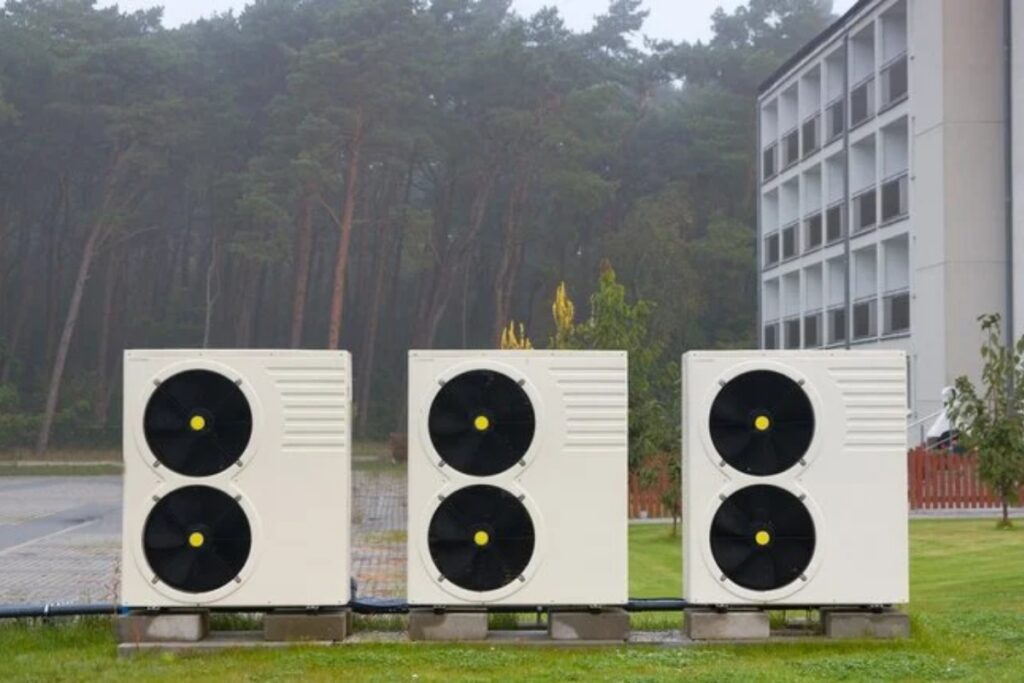
New polling from research foundation Nesta finds that heat pump installers and heating engineers across the UK are expecting low-carbon heating to quickly become a significant source of revenue, with one in four (25%) anticipating that between a quarter and a half of their income will come from low-carbon heating sources by winter.
The survey of 200 gas heating engineers and heat pump installers, conducted by Censuswide in March, found that the majority (70%) of respondents expect heat pumps will deliver between 10% and 50% of their revenue by the winter.
UK heat pump sales reached another record high in 2025 and interest in low-carbon technology has increased as fears of an energy crisis grow, with reports that sales for heat pumps have gone up by 30% since the start of the conflict in Iran and the Middle East.
Nesta’s survey suggests heating engineers who seek hands-on training are best placed to diversify and grow their businesses as the transition to low-carbon heating sources, such as heat pumps, gathers pace.
Six in 10 (60%) respondents say hands-on experience with new kit such as heat pumps – whether testing kit at a wholesaler (26%), seeing it in action in a customer’s home (20%), or trying it themselves (14%) – is the most effective way to learn before installation.
A previous survey by the Department for Energy Security and Net Zero revealed that only 27% of newly trained heat pump installers completed a heat pump installation within a year of training, due partly to a lack of confidence in the technology and the installation process.
The skills gap continues
Britain needs tens of thousands more trained engineers to hit 450,000 heat pump installations per year by 2030, part of the national drive to cut greenhouse gas emissions and reach emission targets by 2050.
By building confidence and know-how during the spring and summer, when heating engineers typically have more availability to upskill, they can expand the services they offer and future‑proof their businesses through access to reliable, well‑paid work in the long term.
Madeleine Gabriel, Nesta’s Director of Sustainable Future, says, “Low-carbon heating is becoming central to how heating engineers make a living, so we need to make it easier for them to get hands-on with the technology, build skills that pay, and feel secure as demand grows.
“Our existing heating workforce will help to drive a low-carbon future in homes across the UK, but we have to ensure they are well equipped in order for this to happen.”
Matthew Kemp, installer at Leaping Hare Renewables in Norfolk, notes, “Heat pumps are a great example of where hands-on learning makes the difference. Once you’ve installed it and seen how it runs day to day, you understand the design and commissioning details in a way a course can’t replicate.
“For experienced heating engineers like myself, as well as the next generation, including my daughter, Hope, it offers a great opportunity to upskill and get ready for the growing demand for low-carbon heating.”


