


In this exclusive article for ECN, Paul Stearman of Greenlight Connexions explores the development of LED technology and how attention is now turning towards new areas which have direct implications for electrical contractors:
LED lighting has been around for quite a while. At the end of the last century, LEDs were mainly used as indicator lamps – simply a small light to tell you when something was on or off. Back in 1993, Shuji Nakamura, working with Nichia in Japan, made the breakthrough by producing the first Bright Blue LED chip.
Nichia was a major producer of phosphor coatings and found that coating a bright blue LED with a phosphor produced white light. Further research and development ensued and, in the early 2000s, we began to see the introduction of LED lamps and luminaires, unlocking the path away from inefficient incandescent and fluorescent lamps. What followed was a fundamental shift in lighting design, installation, and lifecycle management.
LED lighting has moved from niche technology to the dominant light source across the UK built environment. For electrical contractors, this evolution has reshaped not only the products being installed but also the skills, services, and value that the industry delivers.
Today, the industry is entering a new phase. While early LED adoption focused on energy savings and long life, attention is now turning to smart controls, circadian lighting, and circular economy principles, all of which have direct implications for UK electrical contractors.
The first LED revolution
The initial adoption of LED lighting in the UK was driven by two clear benefits: lower energy use and longer lifespan. Compared with tungsten or halogen lamps, LEDs use 90% less power and last many times longer. With fluorescent lighting, energy savings begin at 65%. This made them a clear choice as Part L requirements became stricter and clients aimed to cut energy and maintenance costs.
Government policy and regulation have sped up the adoption of LED lighting. The gradual phase-out of inefficient lamps, combined with rising electricity prices, has pushed LEDs into mainstream commercial, industrial, and residential use. For contractors, this has meant a shift from routine lamp replacement to large-scale retrofit projects and lighting upgrades.
Smart and connected lighting takes centre stage
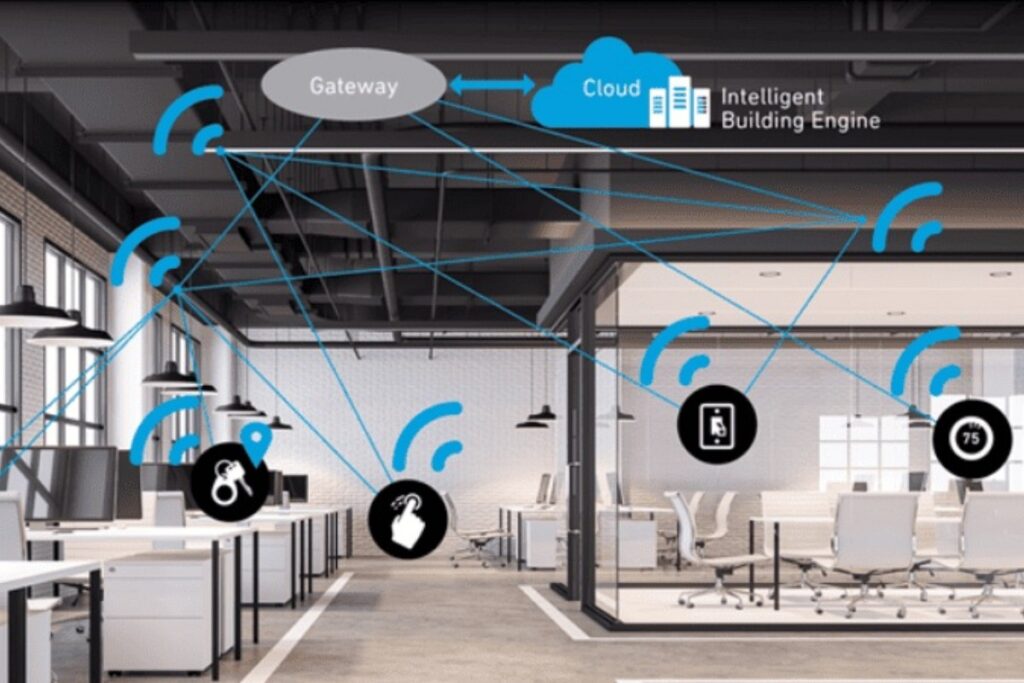
The current focus of LED development is on intelligence rather than just light output. Modern LED installations increasingly include smart controls, sensors, and connectivity, integrating lighting systems into broader building management strategies.
For commercial and industrial clients, networked LED lighting delivers benefits such as automatic dimming, occupancy based control, and centralised monitoring. For contractors, this means lighting projects increasingly involve commissioning, software configuration, and integration with other building systems.
Human centric and circadian lighting
Human centric lighting now plays a vital role in LED specifications. Tunable white LED systems can adjust colour temperature and brightness throughout the day, enhancing alertness, productivity, and wellbeing. These solutions are becoming more common in offices, healthcare, and education projects.
From an installation perspective, circadian lighting typically involves advanced control protocols, closer collaboration with designers, and more detailed commissioning.
Sustainability and the circular economy
Sustainability discussions have shifted beyond just energy efficiency. Clients now prioritise product longevity, waste minimisation, and end-of-life strategies. Consequently, manufacturers are designing modular LED luminaires where drivers and control gear can be replaced without removing the entire fitting.
This approach promotes circular economy principles and creates new opportunities for maintenance, refurbishment, and upgrades within existing installations.
Retrofit remains a major opportunity
Despite the widespread adoption of LED lighting, much of the UK’s building stock still relies on older fluorescent and other discharge lighting. For electrical contractors, retrofit projects remain a significant opportunity, especially when lighting upgrades are combined with controls, emergency lighting, and compliance enhancements.
Looking ahead
The future of LED lighting will be shaped by closer integration with smart building systems, greater use of data, and more demanding sustainability standards. Electrical contractors who develop skills, control expertise, commissioning, and long‑term service offerings will be best positioned to succeed.
From Shuji Nakamura’s 1993 breakthrough to today’s smart, human-centric circular lighting systems, LED technology has fundamentally transformed the lighting industry. For UK electrical contractors, the opportunity now lies not only in installing luminaires, but also in delivering intelligent, sustainable lighting solutions that provide long‑term value.


