


The UK lighting market is expected to return to growth in 2026 after several challenging years, according to new research from Barbour ABI, a UK construction intelligence provider.
The report attributes the projected recovery to increasing adoption of LED lighting, wider use of smart lighting technologies, and new energy efficiency regulations.
It also highlights improving prospects for the non-residential construction sector, which remains the largest source of demand for lighting products.
Barbour ABI says luminaires remain the largest product category in the UK lighting market, although integrated products that combine LED lighting, luminaires, and smart controls are becoming increasingly common.
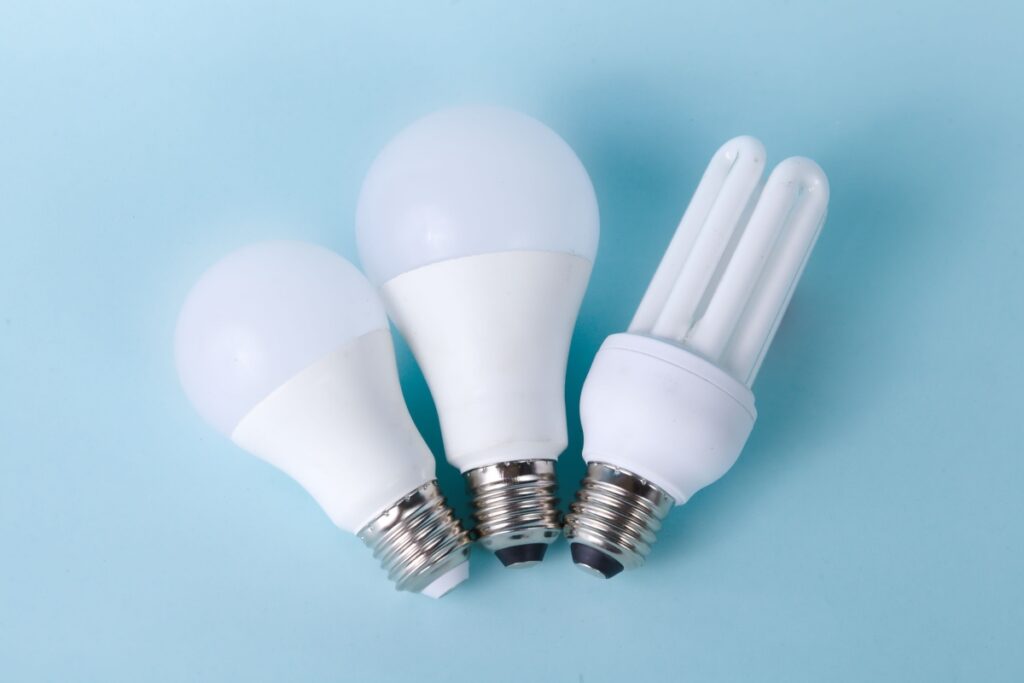
LED lighting now accounts for the majority of UK lighting sales by value, with further growth expected as regulations continue to phase out incandescent, halogen, and fluorescent lighting.
The report also points to growing uptake of smart lighting in homes and commercial buildings as awareness of connected technologies increases.
Energy efficiency regulations influence future demand
Looking ahead, the Future Homes and Buildings Standard (FHBS), due to come into effect in March 2027, together with updates to Part L of the Building Regulations, is expected to increase demand for more energy-efficient lighting and automatic controls, including occupancy sensors and daylight-linked dimming.
Public sector investment is also expected to support the market, including National Highways’ programme to convert the majority of its road lighting to LED by 2027.
Barbour ABI forecasts that non-residential construction will remain the primary driver of market growth through to 2030, alongside continued adoption of smart lighting, Human Centric Lighting (HCL), Building Energy Management System (BEMS) integration, and Lighting as a Service (LaaS).


