


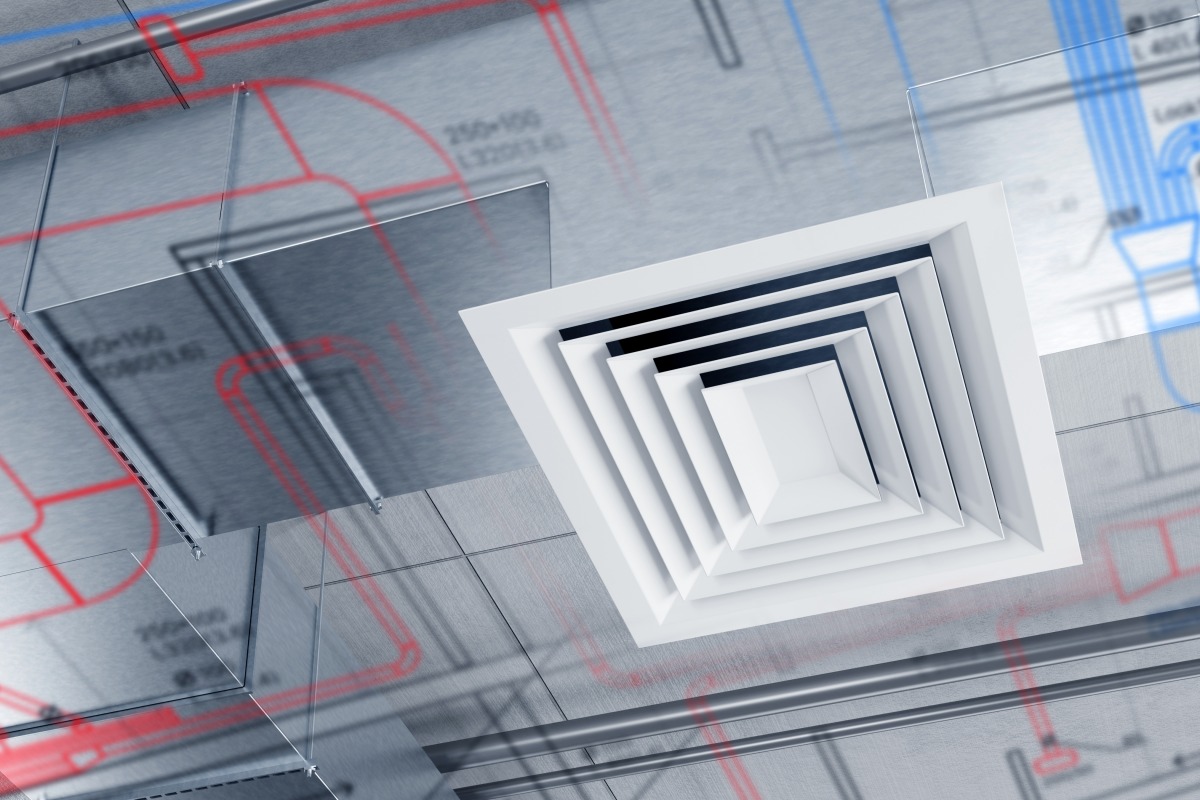
In this exclusive article for ECN, Sadiq Sayed, SVP Digital Energy Software Business at Schneider Electric, explores how AI-powered HVAC optimisation is transforming commercial buildings from reactive, fixed systems into intelligent, self-tuning assets that cut energy waste and improve performance:
Commercial buildings rely on HVAC to keep occupants comfortable and air quality on spec. For electrical contractors, the pressure point is delivery: tighter energy targets, tougher compliance expectations, and more variable loads mean clients want upgrades that can be installed cleanly, commissioned faster, and proven in operation, without ripping and replacing whole systems.
That’s where data‑driven HVAC optimisation comes in. Using existing BMS signals, added metering and sensors where needed, plus analytics/AI and digital twins, contractors can help shift sites from fixed schedules and reactive call‑outs to continuous, predictive performance. Done well, it cuts energy and carbon, flags faults earlier, improves uptime, and reduces repeat visits – all while keeping comfort steady.
A new generation of intelligent HVAC systems
Traditional approaches to HVAC management are no longer enough. Most commercial buildings still operate on fixed schedules and static setpoints, with little consideration for real-time occupancy, weather fluctuations, or equipment health. Over 30% of HVAC consumption is estimated to be unnecessary, resulting in wasted energy and missed opportunities for optimisation.
At the same time, facility teams are being asked to do more with less. The building technology skills gap is widening, regulations are tightening, and there is an increased need for more flexible spaces in line with changing business needs. In this context, AI-powered HVAC optimisation is not just a technological upgrade; it’s non-negotiable.
AI optimisation for HVAC systems
AI brings a new level of intelligence to HVAC operations. By continuously analysing data from sensors, weather feeds, occupancy patterns, and asset health, AI algorithms can predict and adjust system behaviour in real time. They learn the unique rhythms of each building, predicting demand and proactively adjusting setpoints, ventilation rates, and equipment operation. Over time, the AI engine refines its models, learning from every data point to optimise performance.
This optimising shift from reactive to adaptive is transformative; buildings become living systems, continuously tuning themselves for efficiency, comfort, and resilience, without constant human oversight.
The technology foundation for AI-powered HVAC optimisation
AI-powered HVAC optimisation is built on a comprehensive technology stack. At the core are building management systems (BMS), which serve as the nerve centre, aggregating data from HVAC equipment, sensors, smart meters, and other building systems. This foundation enables centralised control and monitoring and is essential for AI integration.
Digital twins, or virtual replicas of buildings, are continuously updated with real-world data. AI models simulate HVAC operations within the digital twin, allowing facility managers to test scenarios, predict outcomes, and identify optimal parameters, without impacting actual operations. Digital twins are invaluable for risk-free experimentation and long-term planning.
Real-time data integration is another critical component. AI engines ingest data from a wide range of sources, and this continuous data flow enables real-time decision-making, fault detection, and predictive maintenance.
Hybrid architectures that combine the strengths of cloud and edge computing are becoming more common. Cloud AI handles large-scale data aggregation and complex analytics, while edge AI delivers real-time responsiveness at the device level. This balance ensures both portfolio-wide optimisation and immediate, local control.
Finally, intuitive dashboards and mobile apps empower facility teams with actionable insights, alerts, and performance metrics. Automated work orders, fault diagnostics, and energy analytics streamline operations and simplify maintenance, making advanced HVAC management accessible to teams of all sizes.
The path to AI-driven HVAC optimisation
The first step is a site audit: what plant is in place, what controls strategy is being used, how is the BMS set up, and where might the electrical infrastructure limit performance (switchgear capacity, harmonics, power quality, protection, and resilience requirements). A structured survey of HVAC assets, energy use, and operating constraints helps pinpoint where controls upgrades, metering, and integration will deliver the quickest wins.
Next comes the data layer. AI only performs as well as the signals you feed it, so it’s about getting the basics right: reliable sensor inputs, sub‑metering where it’s missing, consistent naming/tagging, time sync, and clear comms paths from field devices to the BMS/SCADA. For contractors, this is often the make-or-break scope because it’s the part that determines whether optimisation is actually measurable and maintainable.
Platform selection matters too. Look for solutions that work with open protocols (e.g. BACnet/Modbus), support hybrid edge/cloud deployment, and can scale from one building to an estate without locking the client into a single vendor or forcing a controls rip-out.
Deployment should be treated like a commissioning project, not an “IT install”. Integration, functional testing, alarm rationalisation, and trend verification are essential, alongside practical handover so on-site teams can use the dashboards and act on recommendations.
Finally, optimisation is iterative. Ongoing monitoring, periodic recommissioning, and parameter tuning keep performance on track as seasons, occupancy, and equipment condition change – turning the initial upgrade into sustained energy, carbon, and reliability gains.
For more from Schneider Electric, click here.