1 March 2026
Product of the Month: Beelo bollards, modular innovation from Ovia
 
6 March 2026
Ansell Lighting adds Calico to wall light range
 
6 March 2026
ESR cautiously welcomes Tenant Satisfaction Measures plans
 
6 March 2026
Aico reveals Community Awards 2026 shortlist
 
5 March 2026
UKPS to deliver Cardiff ground source heat network
 

Latest News


Elucian expands consumer unit range with IP65 EV boards
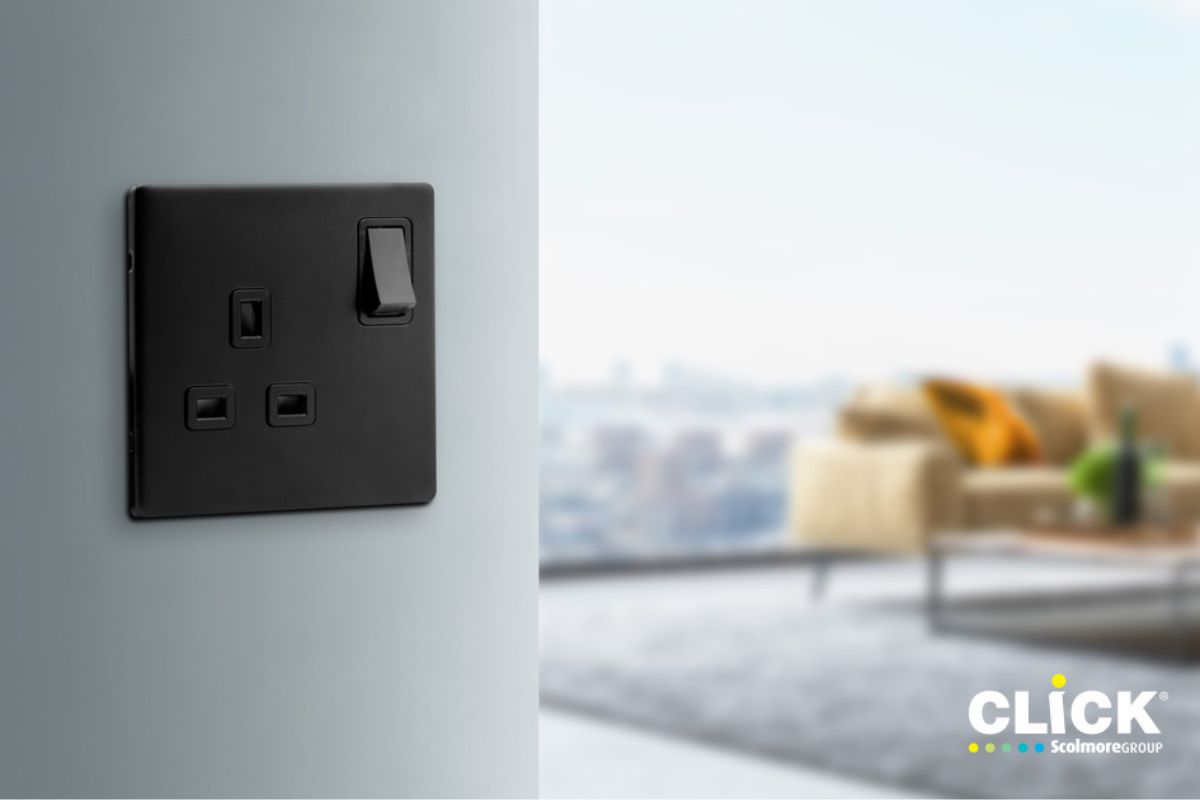
Elucian, a UK manufacturer of circuit protection devices and consumer units under the Click Scolmore brand, has recently added new IP65-rated EV boards to its popular consumer unit range, providing electricians with a robust solution tailored for the growing demand in electric vehicle charging installations. As electric vehicle adoption accelerates across the UK, the role of dedicated EV boards has never been more critical. These specialist consumer units are designed to manage the unique electrical requirements of EV chargers, including high current loads, isolation, surge protection, and compliance with the latest wiring regulations. A purpose-built EV board not only ensures safety for homeowners and installers but also simplifies installation, reducing the risk of errors and downtime. Product details The Elucian EV Boards, from Click Scolmore, are available in multiple configurations, with protective devices - RCDs or RCBOs, and surge protection devices (SPDs) - pre-fitted, allowing installers to complete projects faster while ensuring full compliance with UK wiring regulations. The units also include a free way for additional circuits, offering flexibility for future upgrades. The full range comprises: • 5 Way IP65 EV Unit with 100A Mains Switch, SPD and 32A B Curve RCBO • 5 Way IP65 EV Unit with 100A Mains Switch, SPD and 40A B Curve RCBO • 5 Way IP65 EV Unit with 63A 30mA Type A RCD, SPD and 40A B Curve MCB • 5 Way IP65 EV Unit with 63A 30mA Type B RCD and 40A B Curve MCB Available in a white or anthracite grey finish, the EV units feature multiple gland knockouts and come with a pre-fitted lock that provides safety from interference. The new IP65 EV board extends the trusted Elucian range, combining Click Scolmore’s reputation for high-quality, installer-friendly consumer units with the performance and protection demanded by modern EV installations. For more information, visit Elucian’s website or download the Scolmore Group app. For more from Elucian, click here.

Advanced introduces SmokeGo smoke control system
Smoke control remains a critical life safety measure in commercial and public buildings, with most fire-related fatalities linked to smoke inhalation rather than flame exposure. Effective systems are designed to keep escape routes clear, limit smoke spread, and support firefighting operations. In the UK, smoke control must comply with the Regulatory Reform (Fire Safety) Order 2005, Approved Document B, BS 9999, BS 9991:2024, and the BS EN 12101 series. Internationally, standards such as NFPA 92 also apply. With this in mind, fire protection solutions manufacturer Advanced has introduced SmokeGo, a smoke control system developed for both dedicated and non-dedicated applications. The system integrates with the company’s MxPro 5 fire panels, enabling automatic and manual control of fans and dampers. SmokeGo supports both smoke containment - such as stairwell pressurisation - and smoke management through mechanical or natural extract systems. The platform is EN 54 Parts 2 and 4 approved and designed to align with ISO 21927-9 and BS 7346-8. Additional product details Key features include a four-step configuration process, matrix-based programming, and support for up to 15 fan and damper switch cards per P-Bus, with additional expansion via peripheral network nodes or further panels. The system also offers cascade operation, post-alarm purge, scheduled automatic testing, and manual override options. Remote monitoring is available through the AdvancedLive management platform, supporting ongoing maintenance and functional testing. Advanced states that SmokeGo is intended to simplify design, commissioning, and lifecycle management of smoke control systems in line with current regulatory requirements. For more from Advanced, click here.

Breathing Buildings marks 20 years
Breathing Buildings, a UK provider of controlled hybrid and natural ventilation systems, is marking its 20th anniversary, highlighting two decades of hybrid and low-energy ventilation development. Founded in 2006 as a spin-out from the University of Cambridge, the company was established following research into its E-stack mixing ventilation system, developed in collaboration with the Massachusetts Institute of Technology and funded by BP. The intellectual property was patented by the University of Cambridge, with Breathing Buildings securing exclusive rights. Over the past 20 years, the company has received 47 industry awards and contributed to projects across the education, commercial, and public sectors. These include the James Dyson Building at the University of Cambridge, the East Anglian Air Ambulance headquarters, the Costa Coffee Eco Pod at Wrekin Business Park, and Bloomberg’s European headquarters in London. Its systems have also been referenced within the Priority Schools Building Programme and BB101 guidance. Investment in manufacturing and people To support growth, Breathing Buildings has expanded its Dudley manufacturing facility, increasing production capacity and adding a new showroom space. In addition, Huw Poppy has rejoined the business as Business Operations Director. He brings more than 20 years’ experience in low-energy ventilation and serves as Secretary of the CIBSE Natural Ventilation Group. James Hammick has also returned as Specification Sales Manager, South East, with the company further expanding its design and sales teams. Huw Poppy comments, “Breathing Buildings has grown from a research-led start-up into one of the most respected names in low-energy ventilation. "Over the past 20 years, we’ve continued to invest in innovation, people, and manufacturing, while maintaining a strong technical focus. "It’s an exciting time for the business as we continue to expand our capabilities and support customers in delivering high-performing, low-carbon buildings.” The company’s portfolio includes its Natural Ventilation with Heat Recycling range, which combines natural and mechanical ventilation, as well as the NVHRe system incorporating heat recovery. It also offers an MVHRe commercial heat recovery range for spaces requiring fully mechanical ventilation. For more from Breathing Buildings, click here.

NAPIT welcomes new Certification and Standards Director
Certification body and training provider NAPIT says it is pleased to announce that Andrew Parkin has joined the business as Certification and Standards Director. Andrew joins NAPIT from his role as Technical Development Director at fellow Phenna Group company Elmhurst Energy. His experience in this technical role within the building certification and energy efficiency sectors will complement the ongoing growth of the NAPIT business, the company adds. Long-term experience With over 20 years of industry insight into government initiatives, policies, and regulation changes, Andrew is well placed to bolster NAPIT's reputation within the committees and working groups that shape our sector. Andrew leaves Elmhurst Energy with glowing praise from Managing Director Stuart Fairlie, with him commenting that, “Andrew has made an outstanding contribution to Elmhurst. "He helped shape a unified culture with real energy and innovation. His leadership has strengthened the support we provide to our members.” Stephen Melton, Commercial & Compliance Director at NAPIT, says of Andrew’s appointment, “We are excited to be adding someone with Andrew’s knowledge [and] reputation to the NAPIT senior leadership team. "His wide experience of certification, standards, and innovation in the building fabric sector will further strengthen our position and complement our existing teams. “There are many synergies between the NAPIT and Elmhurst Energy businesses, with which Andrew brings a wealth of insight to allow for future growth and collaboration.” Andrew joins NAPIT at a busy time with the launch of the BS 7671:2018 amendment 4 to the wiring regulations and the redeveloped Microgeneration Certification Scheme. The company says he will be a key figure in the transition and adoption of its members into these new standards and will drive the focus both internally with the NAPIT teams and within the wider external working groups and committees. For more from NAPIT, click here.

Vent-Axia Sentinel Apex specified for Carmarthen project
British ventilation manufacturer Vent-Axia's Sentinel Apex ventilation units have been installed at the Carmarthen Health and Wellbeing Hwb project, a 245,000ft² redevelopment of the former Debenhams building in Carmarthen, Wales. The multi-million-pound scheme is transforming the site into a mixed-use health and leisure hub, including public healthcare services, a customer service centre, a 24-hour gym, and family entertainment facilities. The project is part-funded by the Welsh Government’s IRCF Fund and additional UK-government support. 20 Sentinel Apex commercial heat recovery units have been installed across three floors, including four HR21 units serving the gym area. HR15 units are used in office spaces on the upper floors. The project team includes main contractor Bouygues, M&E consultant Hoare Lea, sub-contractor FP Hurley & Sons (Crosshands), and distributor Ventilation Warehouse. Heat recovery and low SFP performance The Sentinel Apex units were specified to meet energy efficiency, acoustic, and Specific Fan Power (SFP) requirements, while supporting indoor air quality. The system offers up to 93% heat recovery efficiency, tested to EN308, and is designed for demand-led ventilation using compatible sensors. Neil Higgins, Contracts Manager at FP Hurley & Sons, says, “We chose the Sentinel Apex units because they deliver exceptionally quiet operation and low Specific Fan Power, ensuring they met all Building Regulation requirements. "The units were also available in a wide range of airflows, allowing us to specify the correct units for each space. In short, they offered the ideal balance of airflow, low noise, and energy efficiency.” Adam Bullon of Ventilation Warehouse adds, “I have worked with Vent-Axia for a long time. The Carmarthen Health and Wellbeing Hwb was an interesting job, with the Sentinel Apex ticking all the right boxes for the project, including energy efficiency, noise, and ease of maintenance.” The units are available in five sizes, delivering airflows up to 4,000m3/hr. Vent-Axia notes that embodied carbon data for Sentinel Apex has been compiled using the CIBSE TM65 methodology to support low-carbon building design. For more from Vent-Axia, click here.

HDM Solar opens renewables product training centres
HDM Solar, a UK wholesaler of solar panels, batteries, and renewable energy equipment, has launched a series of Renewables Training Centres of Excellence at its UK branches, providing on-site training facilities for installers. The purpose-built centres are located within existing branches and are designed to offer hands-on product training and technical sessions delivered in collaboration with manufacturing partners. According to the company, the facilities are being introduced nationwide to support installers seeking to expand their technical knowledge and product understanding in the renewables sector. The centres include commissioning areas where participants can work with live equipment, alongside demonstration systems and breakout spaces for focused study. Manufacturer-led training and certifications Training sessions are delivered by HDM Solar specialists and supplier partners, including GSE Intégration, EcoFlow, and Sungrow. Initial sessions have covered GSE Intégration’s portrait system and landscape Evolution system. Installers who complete the course become GSE Intégration Trained Installers. Ed Scott, Commercial Manager at HDM Solar, says, “The Renewables Training Centres of Excellence have been designed to support installers in their growth and development in the market. "It's all about keeping our customers at the forefront of new industry developments and bringing our customers closer to our manufacturing partners so they feel valued and up to date with the newest products and innovations. "It's a commitment from HDM to installers across the length and breadth of Britain to make a difference and to continue our goal to be the installer's wholesaler.” Training is currently taking place at the company’s Sheffield and Port Talbot branches, with Livingston scheduled to begin hosting sessions in the coming weeks. For more from HDM Solar, click here.

Legrand launches new lighting control busbar system
Legrand UK & Ireland, a manufacturer of electrical and digital building infrastructure equipment, has introduced a new power and lighting control busbar system, combining its Zucchini and CP Electronics brands into a single platform. The system integrates Zucchini LB Plus Data busbar technology with lighting controls from CP Electronics. It distributes power from 25A to 63A and incorporates two additional data conductors, enabling the busbar to function as a lighting management bus. The data conductors allow direct connection to CP Electronics’ addressable lighting control range, supporting networked control through graphical interfaces. This approach enables power distribution and lighting control to operate on the same infrastructure. Integrated DALI-2 lighting control When used with DALI-2 detectors, lighting control devices can be plugged directly into the busbar, removing the need for separate DALI cabling and containment. According to Legrand, this can reduce installation time and associated costs. The system also supports multi-way lighting control modules, presence detectors, area controllers, plug-in switches, and key switches for emergency testing. Steve Marr, Marketing Director at Legrand UK & Ireland, explains, “We expect Legrand’s new power and lighting busbar system will have a big impact for those operating and working in commercial and industrial environments. "By taking Zucchini LB Plus Data and combining it with CP Electronics lighting control, not only will buildings be optimised for the best lighting conditions, but they will be able to run more efficiently – a critical consideration as facilities managers continue to look for ways to reduce energy usage in large buildings. “The launch of this new product is yet another example of how we are bringing together our widespread expertise to deliver solutions to our customers. "The knowledge and sector expertise of our team means we are well positioned to develop intuitive solutions and bring them to any market, plus the customer has the benefit of working with a single manufacturer.” Legrand reiterates that the system is intended for commercial and industrial buildings seeking to integrate power distribution with lighting control. For more from Legrand, click here.

Overland Shoes debuts Bobcat Safety Footwear
Overland Shoes, a UK designer and wholesaler of branded footwear, has launched Bobcat Safety Footwear, a new range of safety boots and trainers developed under licence from Doosan Bobcat. The collection is designed for tradespeople working long hours on hard surfaces, combining protective features with a cushioning system developed by Redbacks. At the centre of the range is Redbacks Leaf-Spring Technology, an energy-return cushioning system integrated into the footbed. According to independent testing by the Shoe and Allied Trades Research Association (SATRA), the system improves impact shock absorption by up to 46% and outperforms some competing insoles by up to 30%. Tested for shock absorption Peter Lawson, Brand Manager at Overland Shoes, says, “Many jobs require prolonged standing, often on hard surfaces, putting installers at greater risk of plantar fasciitis and severe heel pain. "That’s why we’ve incorporated Redbacks Leaf-Spring Technology, designed to stop pain before it starts. It’s a genuine game-changer for anyone who spends their working day on their feet.” The range comprises 14 men’s and women’s styles, with safety ratings from S3S to S7L. Five outsole series are tailored to different applications, including athletic-style trainers for indoor environments, hiker-style boots for mixed use, and heat-resistant options for welding and foundry work. Most models feature composite toe caps and puncture-resistant midsoles, with predominantly metal-free construction. Selected styles include a quick-release fastening system. Bobcat Safety Footwear is available through electrical wholesalers, builders’ merchants, plumbing suppliers, and other trade outlets.

SELECT says rising apprentice costs are crippling employers
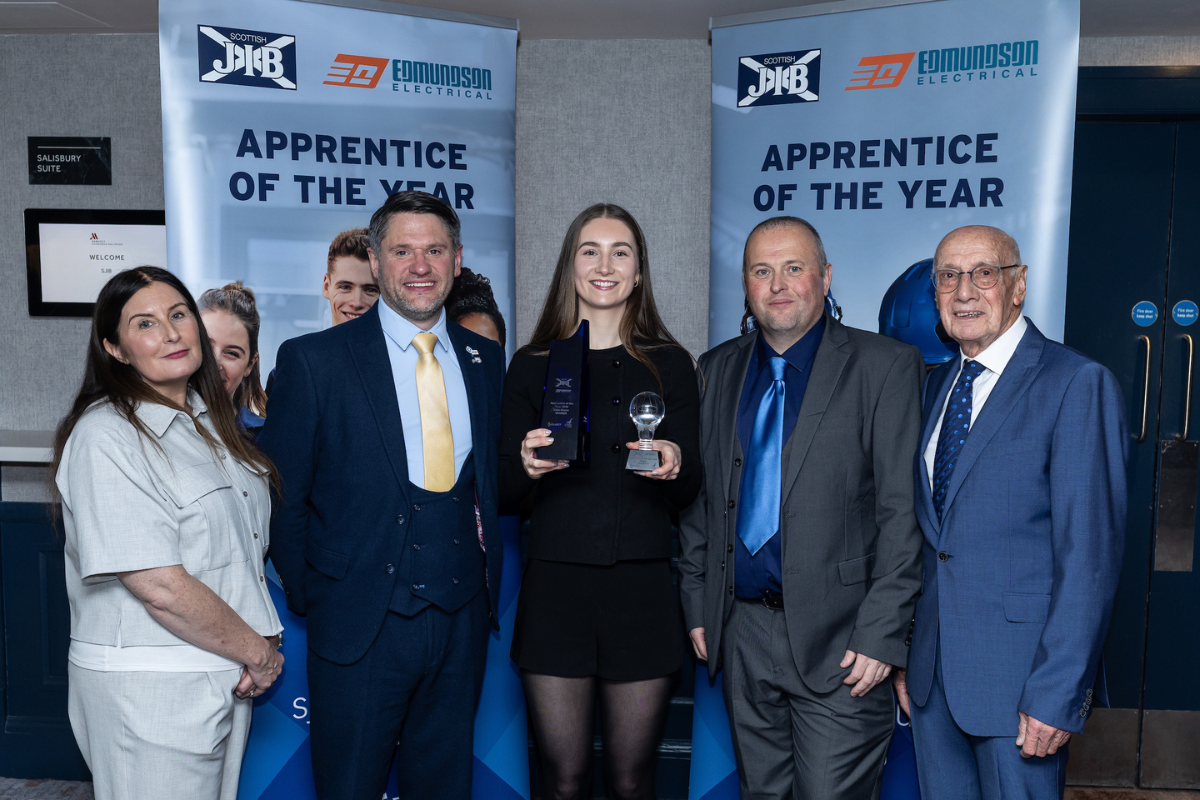
At a time when Scotland desperately needs electricians to fulfil housing demand and net zero targets, the head of SELECT, Scotland’s largest construction trade body, has accused the UK and Scottish governments of undermining the electrical workforce of the future. Speaking ahead of Scottish Apprenticeship Week (2–6 March 2026), SELECT's Managing Director Alan Wilson says a combination of rising wages and decreasing financial support for taking on apprentices is causing serious concern in the sector. He notes that the electrotechnical industry had been the biggest single trade employer of apprentices for some time, but recent financial decisions by the UK and Scottish governments are beginning to deter employers from taking on young learners. He says, “We constantly hear from government at all levels about the importance of apprenticeships in our sector. But like some clever table magician, they show [...] on one hand what they want you to hear, while, on the other hand, they are more often than not doing the complete opposite. “The increase in the Apprentice National Minimum Wage to £8 per hour, announced by the UK Government at last year's Budget, is a huge cost to many small firms, especially when the apprentice spends a great deal of the first stage at college. “On top of that, the financial support which the Scottish Government gives to the Scottish Electrical Charitable Training Trust (SECTT) to run the electrical apprenticeship scheme on behalf of the industry has not increased for more than eight years. In fact, when inflation is taken into account, it has decreased by over 30%.” Too little, too late Recent reports suggest that the UK Government is considering slowing down its plans to increase the youth minimum wage, but Alan insists that it's already too late for the many Scottish SMEs who are now counting the rising cost of apprenticeships. He continues, “Small and micro-sized concerns recruit the most apprentices and are the very type of firms who need government support, but the short-sightedness of politicians is rolling the skills shortage forward, not back. “Technical apprenticeships in Scotland’s electrotechnical sector are an investment in our society. They create skilled, high-tax-paying workers earlier; reduce youth unemployment; and generate long-term returns through higher productivity and sustained tax income. “By backing electrotechnical apprenticeships, Scotland strengthens its skills pipeline where it matters most: in high-demand, future-focused roles that support net zero, infrastructure growth, and a resilient domestic workforce. “I have always been extremely proud of the number of apprentices our industry recruits year on year, and it is clear that electrical installation apprenticeships give young people a chance to earn while they learn, gaining respected qualifications and building a clear, well-paid career without the burden of student debt. “Doing nothing is not an option, but it does seem that those who make decisions on these issues need to visit their optician, as their short-sighted views are going to end up affecting our whole economy. One day, they will maybe come to their senses, but there's no evidence of that so far.” A growing skills shortage Alan’s remarks follow a prediction by an industry expert last year that Scotland would soon need double the number of electricians to implement the “unprecedented pathway of work” which was coming their way. Speaking on the Sparks’ Remarks podcast last June, Professor Sean Smith, Director of the Centre for Future Infrastructure at the University of Edinburgh, said, “Never before in the history of this sector has there been such a pathway of work to come. “Do we need more electricians? Yes, probably double the number, really. The fastest fully-filled courses in engineering currently are electrical and mechanical engineering. You could probably fill them twice with the number of applications that all universities and colleges are receiving.” For more from SELECT, click here.

Tridonic supports connected lighting installation at Reed Smith HQ
Tridonic UK, a supplier of lighting technology, has supported the redevelopment of Reed Smith’s London headquarters at 1 Blossom Yard, delivering a connected lighting system in partnership with Artech Lighting. The 126,000ft² office combines a refurbished warehouse structure with contemporary design. The project required a lighting scheme capable of supporting flexible working patterns and multiple workspace configurations within a global law firm environment. Reed Smith’s relocation involved a full interior transformation. Artech Lighting worked with Troup Bywaters + Anders, Bancroft, and Overbury to provide the lighting and control package, with a focus on efficiency and sustainability. DALI-based system supports flexible workspace The architectural complexity of the building required bespoke luminaires tailored to a range of interior finishes. The scheme also needed to manage daylight integration, individual user preferences, and adaptable office layouts. Artech supplied bespoke linear and square luminaires using Tridonic DALI drivers. The installation included 240 luminaires with EXC4 DALI drivers, LLE24 LED boards, EM ConverterLED PRO emergency inverters with LiFePO₄ battery systems, and constant-voltage drivers for LED strip lighting. More than 2,000m of Flowline and Chicane luminaires were installed across 250 bespoke systems, integrated with the DALI controls platform. According to the companies, the lighting system is designed to provide uniform light distribution, long operational life, and DALI-2 compliant emergency lighting with automatic testing. Building managers can control lighting scenes via smartphone or tablet, enabling adjustments as workspace needs change. The project also achieved a BREEAM Excellent rating. Alec Fielding, UK Key Accounts Manager at Tridonic, says, “Our goal was to support Artech in delivering a lighting system that feels effortless for end users while offering the depth of control expected in a modern legal workspace. "The result is a connected, adaptable solution that will continue to evolve with Reed Smith’s needs.” For more from Tridonic, click here.


Review My Order

0

Subtotal