2 November 2026
Product of the Month: Amari Floodlight range by Aurora Lighting
 
10 November 2026
Openreach partners with Allstar to boost EV charging options
 
10 November 2026
VCHRGD appoints Craig Summers as Head of Partnerships
 
9 November 2026
UK Power Networks helps nine veterans secure energy sector jobs
 
9 November 2026
Exclusive: why getting project planning right from the outset matters
 

Latest News


Solar leader welcomes Industrial Strategy
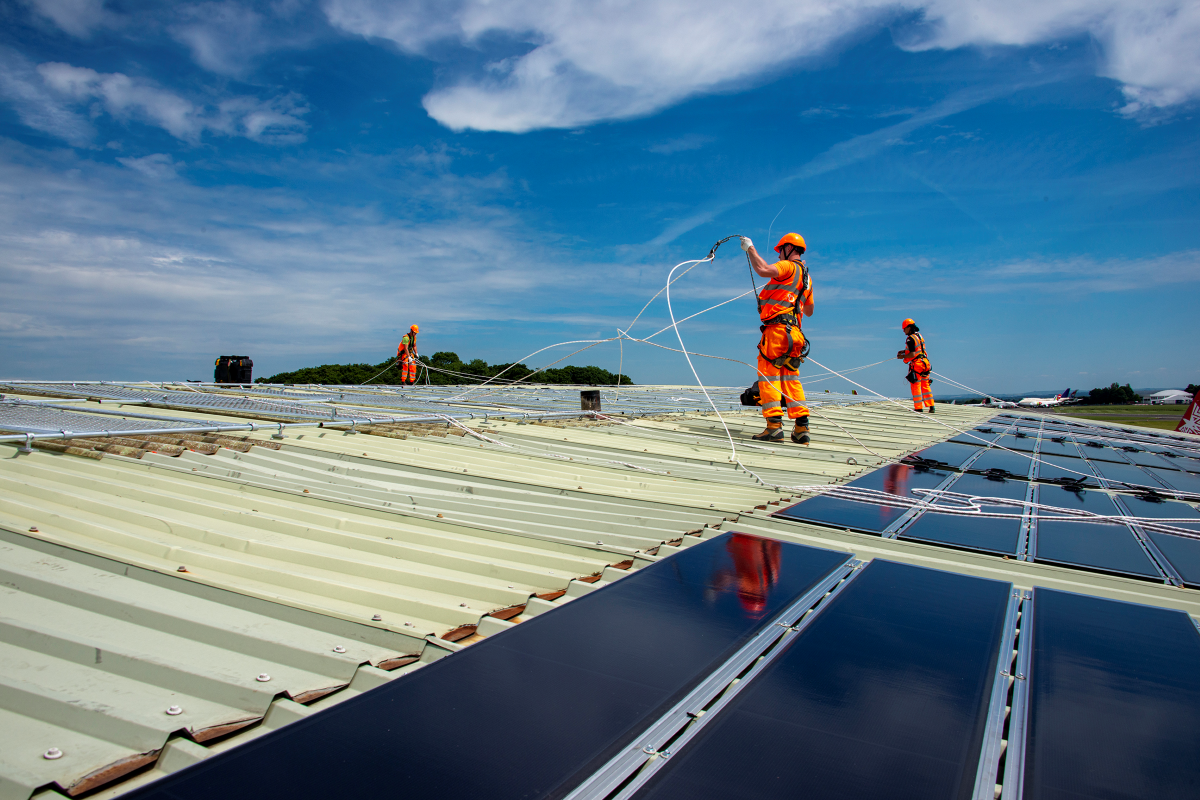
Following the release of the Government’s Industrial Strategy, lightweight solar expert, Solivus, believes that although sharpened focus on the progress of clean energy provides a positive step in the right direction, it’s crucial that this ambition is met with decisive, progressive action. Launched on 14 October, the Government’s new Industrial Strategy, the first in seven years, aims to set out a credible 10-year plan to reignite the UK’s major industries and kickstart economic growth. The strategy sits alongside a new advisory council, and a green paper ahead of the international Investment Summit. Among the eight growth-driving sectors, the green paper identifies clean growth as a major pillar of the strategy, with substantial investments planned in renewable energy and green technologies. With this in mind, Solivus believes the new strategy will come as welcome news for companies looking to build better sustainability into their operations who may have, until now, faced a myriad of obstacles such as an insufficiency of available support, educational deficits and lack of governmental stimuli. Jo Parker-Swift, CEO and founder of Solivus, comments, “We’re pleased to see the publication of the Industry Strategy Green Paper – aimed at driving economic growth while delivering a just net zero transition. In particular, the recognition of the clean energy sector as a key enabler of economic growth are hugely welcome and reflective of our sector’s strategic importance in the journey to energy independence and economic security. “But it must deliver on the promises made with decisive, progressive action. This means placing green in everything, using infrastructure to unlock net zero, backing businesses to go green, and introducing green policy and stimulus that leverage the insight and ambition clearly evident within the sector to drive change. “The UK was the first major economy to set a legally binding target to reach net zero greenhouse gas emissions by 2050. Yet sadly, the reality is that a recent tirade of stop-start energy policies and watered-down net zero commitments have seen us take a backseat, while other major economies are racing ahead with their energy transitions. “With the right policy action, support and investment, we still have a chance for the UK to enhance its standing as a leader in the global race to net zero – but we must act now.” The strategy comes as a recent analysis revealed that less than 10% of the UK’s non-domestic buildings are utilising their available rooftop space for solar energy. A separate report suggests that by fully utilising the available rooftop space, it is estimated that commercial buildings could save £35 billion, with lifetime savings reaching £703 billion. At the same time, the Industrial Strategy Green Paper highlights the fact that energy prices in Germany are 34% to 39% lower than for comparative businesses in the UK of any size, while in France they are 31% less for small businesses, rising to 53% for the very large. On average, very large UK energy users face relatively high electricity prices compared to EU competitors (£228/MWh in 2023, compared to £108/MWh in France and £148/MWh in Germany), coming as a major barrier to growth and investment. With this, Solivus continues to champion the untapped commercial solar opportunity as a key enabler of a low carbon economy. Jo continues, “In recent years, there has been a clear target to increase solar capacity by nearly fivefold to 70GW by 2035 as part of wider plans to power up Britain with cleaner, cheaper and more secure energy sources. Yet, the large majority of commercial buildings – offering vast, unobstructed canvases for rooftop solar generation – simply aren’t being used. “This is a colossal missed opportunity on multiple fronts: lower electricity costs, emissions reductions, energy security and improved green credentials on a world stage. It is our hope that the Industrial Strategy sets out a clear roadmap and lasting support for commercial solar which we believe will play a key role in making the economy stronger as well as more sustainable in the years ahead.” For more from Solivus, click here.

NICEIC announces three new training locations
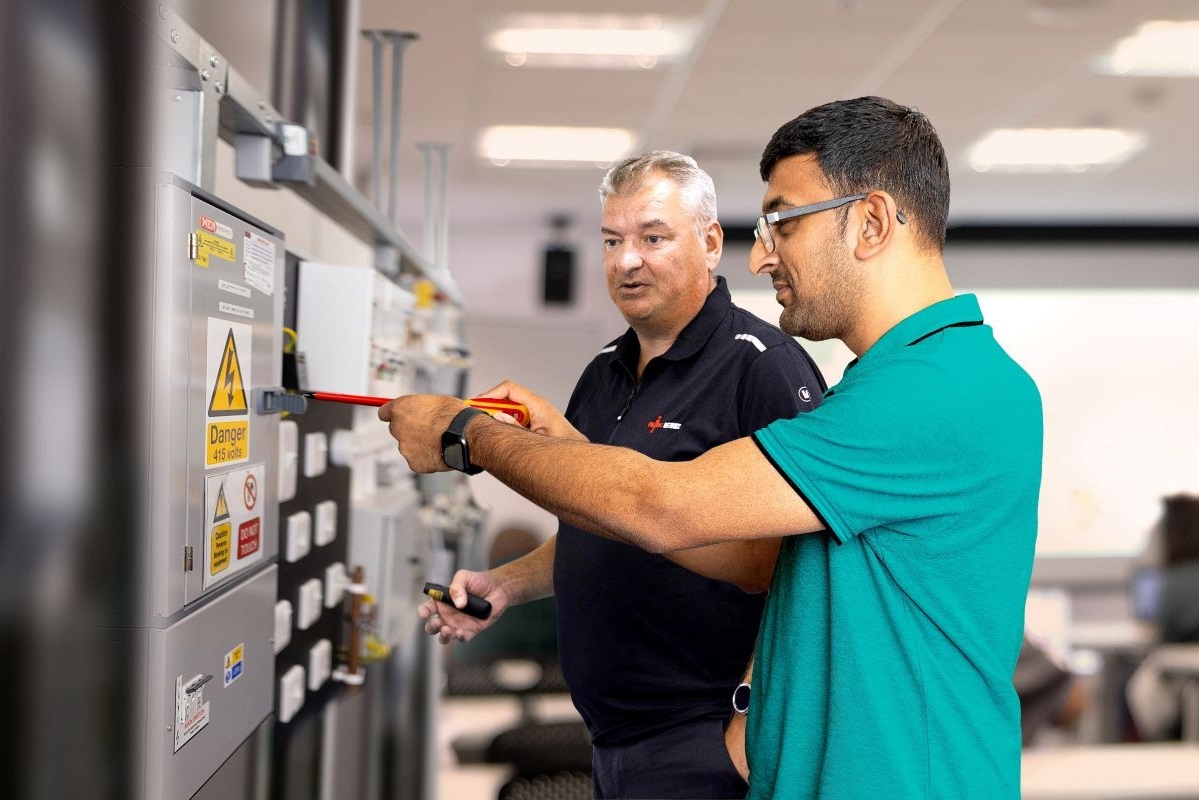
NICEIC, a certification and training body for the electrical industry, has announced three new training locations in Birmingham, Ipswich and Bromley. This expansion signifies NICEIC's dedication to providing businesses across the UK with convenient access to high-quality training programmes. Available at JTL Training Centre, Birmingham: • Level 3 Award in Initial and Periodic Inspection and Testing of Electrical Installations (2391-52) – available from 18 November • Level 3 Award in the Requirements for Electrical Installations BS 7671:2018 (2382-22) – available from 27 November Available at RT Training Solutions, Ipswich: • Level 3 Award in Initial and Periodic Inspection and Testing of Electrical Installations (2391-52) – available on 11 November Available at Bromley Campus, Bromley: • Level 3 Award in the Design, Installation and Commissioning of Electrical Energy Storage Systems – available on 2-3 December • Level 3 Award in the Requirements of Fire Detection and Fire Alarm Systems for Buildings BS 5839-1:2017 – available on 9-12 December With the addition of Birmingham, Ipswich, and Bromley, NICEIC now offers training in a total of 16 locations across the UK. Earlier this year, the certification and training body expanded its network with new locations in Penkridge, Telford, Bristol, London Gatwick, Dartford, Manchester, and Maidstone. NICEIC’s training programmes offer individuals professionally accredited continuing professional development (CPD) and ensure electrical businesses stay up to date with industry requirements. Each course is developed and delivered by industry experts, guaranteeing participants receive the essential knowledge and best practices required for their role. Neil Vincent, NICEIC Head of Business Development, comments, “This expansion of our training network reflects NICEIC's dedication to equipping and upskilling tradespeople across the UK. By bringing high-quality training closer to them, we're removing geographical barriers and ensuring individuals have the convenient access needed to stay up to date with the latest regulations and requirements. “This benefits both tradespeople, who can enhance their skillset and career prospects, as well as NICEIC-certified businesses, who can maintain a highly competent and compliant workforce.” For more from NICEIC, click here.

Octopus Energy unveils ‘Project Mercury’
Octopus Energy Group today launches ‘Project Mercury’, a new alliance to set global standards for the integration of clean tech with smart energy systems. First announced at the WIRED x Octopus Energy Tech Summit in Berlin last Thursday (10 October 2024), Octopus aims to establish a global consortium of hardware manufacturers to simplify the integration of the 200 million clean tech devices that are predicted to be in use by 2030. Known as ‘Mercury Enabled’, the new technical guidelines will certify device interoperability and functionality to support energy grids by balancing supply and demand. The new standard will simplify the switch to clean tech devices like heat pumps, batteries, solar panels and EV chargers for millions of customers – and most importantly, give them the confidence that their clean tech will work with other established brands. ‘Project Mercury’ will also foster collaboration across the industry to drive broad adoption, promoting consumer participation in global demand flexibility schemes, such as Octopus Energy’s ‘Saving Sessions’, and the uptake of smart energy tariffs. Greg Jackson, Founder of Octopus Energy Group, says, “Just as Bluetooth set a global standard for tech devices, we need a similar approach for energy – allowing millions of smart energy technologies to seamlessly integrate with each other. “We invite the entire smart energy industry to join ‘Project Mercury’ to create common standards for the smart thermostats, heat pumps, EV chargers and batteries in our homes. This will bring us closer to a fully connected, sustainable and affordable energy ecosystem.” In just two years, Octopus has built the world’s largest virtual power plant, managing over 1GW of flexible demand in the UK via 200,000 connected energy devices. The company is now the largest power supplier in the UK, with operations in 18 countries. Device manufacturers and utilities interested in joining the global Mercury alliance can email mercury@kraken.tech. For more from Octopus Energy Group, click here.

NIBE partners with Ziegler to enhance delivery
NIBE Energy Systems, a heat pump manufacturer, has enhanced its UK delivery service by partnering with the Ziegler Group, a global logistics provider that shares NIBE's ethos of maintaining a human, customer-focused and sustainable approach at the core if its operations. NIBE deliveries now come from Ziegler's brand-new state-of-the-art distribution centre in Stanford-le-Hope, Essex. The move to Ziegler is part of NIBE's general growth strategy, and broadened routes to market, which also includes direct to merchant. As NIBE is solely focused on renewable technologies, reducing carbon footprints for its customers and within its own operations, Ziegler is a good fit, committed to improving sustainability through a range of measures - including a move to zero emissions vehicles, reducing CO2, and the use of digital supply chain management solutions to improve efficiency and productivity. Paul Smith, MD for NIBE, says, "We are delighted to partner with Ziegler, the company has a proven track-record of reliability and success, and shares core values with NIBE. Ensuring the safe and ‘on time' passage of our heat pumps and supporting equipment is essential to business growth and the satisfaction of our customers. As NIBE expands its offering and routes to market, we feel confident that Ziegler is the right delivery service provider to support our evolving requirements." "Despite its size, the Ziegler Group is committed to a ‘family-run' approach, with its numerous locations allowing the company to provide a local service, with great responsiveness and flexibility. This mirrors NIBE's own values - we're a global business with region specific operations; something we feel is essential to building customer relationships and providing the best possible service." Logistics Manager, Darrell Noble from Ziegler, adds, "Ziegler is thrilled to announce our exciting new partnership with NIBE, a market leader in sustainable energy solutions. We will proudly manage NIBE's UK supply chain, ensuring swift and efficient delivery of their innovative products to customers. "It illustrates Ziegler's progression and growth within the industry with a focus on contributing towards driving the NIBE brand forward. We're also delighted to be partnering with a sustainability focused business, reflected in our own efforts in supporting environmental change." The process of ordering from NIBE won't change, the company says, and orders should be placed through its Installer Care team.

Article: The need for speed
There needs to be more than conversation around accelerating EV charging infrastructure. Ben Croxford, Delivery Director at Eclipse Power Networks looks at the opportunities that fresh-thinking IDNOs are applying to bring EV transition closer. The recent change of government in the UK has put the spotlight on clean energy and the decarbonisation of our economy. It has also put the transition to electric vehicles back on track by reinstating the 2030 timeline for phasing out sales of new petrol and diesel vehicles. EVs are a key part of the decarbonisation solution, but they can also be seen as part of the problem. As demand for EVs grows, there’s a related growth to an equal demand for EV charging infrastructure. The growth in EV numbers has seen a disproportionate increase in demand for power. Driver behaviour has sparked demand for rapid (50-149kW) and ultra-rapid (150kW) chargers on public networks. This puts more pressure on grid connections as Charge Point Operators (CPOs) and commercial and industrial fleet operators want to ensure their applications for power connections from Distribution Network Operators (DNOs) and National Energy System Operator (NESO) are granted quickly so their projects can be up and running, returning value in a timely fashion. The result of the demand for the electrification of transport in the UK is, inevitably, a lengthy queue for connections. DNOs and NESO do not currently prioritise or discriminate by projects – so EV connections are in the same queue as new residential, commercial and industrial connections, and renewable generation projects. Connection dates of 10-15 years in the future are not uncommon with the connection queue approaching terawatt territory. Investment in the UK’s EV charging infrastructure is currently high. A public EV charging hub presents an attractive revenue opportunity for landowners and retail/business site operators. It’s also an operational necessity for industrial and commercial business fleets. However, when the timeframe is extended due to delays in accessing power from the grid, the investment looks a lot less attractive. We need an innovative way to address the connection challenge; one that means stepping away from the traditional way of working with a DNO – with all its limitations – and working with an Independent Distribution Network Operator (IDNO) to get EV connections for new residential and commercial developments, and for fleet and depot charging for electric last-mile deliveries, LCVs, HGVs, taxis, buses and emergency vehicles. Introduced in 2004 to increase competition in connections for electricity distribution, IDNOs, like DNOs, design, own, operate and maintain electricity networks in the UK. Also, like DNOs, they are licensed by Ofgem. However, their ‘independence’ differentiates IDNOs from DNOs as they aren’t restricted to a geographical part of the UK. They can operate nationwide and be more flexible about how they interpret the standards set by DNOs, which vary from region to region. Operating in a competitive market means that IDNOs can adapt and adjust to market challenges in a way that DNOs aren’t incentivised to do. The right IDNO partner works with charging infrastructure developers to reduce the risk for investors that are looking for a three to five-year payback, by enabling faster and more cost-effective grid connections for installations. Importantly, IDNOs understand the complexity and work that goes into meeting EV regulations. For any EV charging infrastructure project, there are a lot of moving parts, a lot of obstacles to overcome and a lot of stakeholders to engage with. Dealing with the DNO to get a connection involves liaising with the right person and in the right way. It requires an understanding of the processes involved and the timescales for network reinforcement where it’s needed. It also means handling the likelihood and scale of unexpected costs, without throwing enormous curveballs at the project. Similarly, with project delivery, legals and streetworks, the IDNO takes away the complexity of sometimes unclear process requirements, again often by knowing who to speak to. They help make large power connection agreements accessible and handle MPAN data flow issues on behalf of the customer. Importantly, they can assist with the timescales for design reviews and legal completion – handling the legal changes that arise from design changes as ‘as-built’ sometimes doesn’t match approved designs. This leads on to adding value to the project’s build assurance – getting completion certificates for phased projects can be complex. Land rights are a massive bottleneck. These and planning barriers are hopefully being addressed by the new government. Discussions around land rights, ownership and wayleaves involve multiple parties, and not everyone understands the language that is being used. You have to cut through a lot of technical electrical jargon when dealing with DNOs, which is why it pays to work with an IDNO that can help translate and put it in simple language. Ultimately, accelerating the build out of the UK’s EV charging infrastructure comes down to putting people at the centre of what you want to achieve, which is what transforming the sector should be all about. There needs to be more conversation and more action around accelerating EV charging infrastructure. With a fresh government looking to unblock planning restrictions and investment in the green transition, the most transformative time is now.

Source Electrical wins Contractor of the Year award
An electrical contractor set up near Bristol less than five years ago has scooped a national award for being the best small business in the industry. Staff at Source Electrical attended the Electrical Contractors' Association (ECA) Awards 2024 finals at the Hilton London Bankside hotel at the weekend, and won the Electrical Contractor of the Year award for companies up to £5m in turnover. “This recognition among our peers reflects the hard work, dedication, and innovation of our entire team,” says Ian Rogers, Managing Director of Source Electrical. “We are incredibly proud of what we’ve achieved together and are grateful for the support of our clients and partners. “A huge thank you to the ECA for this prestigious award and to everyone who has been a part of our journey. Here’s to continuing to raise the bar in our industry.” Source Electrical was set up in 2019 by Ian and his Co-Director Paul Lanning, who between them have more than 40 years’ experience in the electrical contracting industry. Employing 20 staff from premises in Station Road, Worle, the company offers design, specification and installation services across a variety of sectors. It specialises in renewable power and heating systems including EV charging solutions for business and residential customers. When entering the ECA award, Source Electrical highlighted its work saving clients money and carbon emissions through LED lighting upgrades, installing photovoltaic panels for a variety of organisations and helping businesses convert fleets to electric vehicles. Shortlisted in June, the finals event saw Source winning the category in the face of stiff competition, with the award presented by ECA officials and BBC Sport presenter, Mike Bushell. Dave Battrick, Regional Manager for the West and South West at ECA, congratulated Source Electrical on the award, commenting, “I’m really proud of Ian and the team for representing the West Region so strongly in the awards.” “On behalf of the ECA, I’d like to congratulate everyone at the company for their hard work and commitment to raising standards in the industry. They’re a great company with an excellent set of values and work ethics – deserved winners and we look forward to seeing them progress.”

Winning office lighting specifications
With the manufacture of fluorescents banned last September, there is a huge opportunity for contractors to specify and install new lighting schemes for offices as we move towards winter. Andrew Fairhurst, Sales Director at Collingwood Lighting advises on how to get it right. Stocks of fluorescents will be dwindling a year on from their manufacturing ban. This means that there will be a huge number of offices looking to upgrade their lighting this winter. According to a report by Cluttons, there is almost 1.3 billion square feet of office space in the UK and most of this is in smaller or medium sized buildings for which an owner would turn to a contractor for advice. Financially it makes sense for them to switch to LED luminaires, which will save 60 to 70% of their current lighting energy use. A typical payback for many offices would be two years or less. Lighting specification Beyond the energy saving arguments, LED luminaires will also help create a more productive and comfortable working environment. It’s worth remembering that these buildings will have a number of different areas, and the needs of an open plan office are different to those of a meeting room, break out area or kitchen. Good lighting design A good lighting design combines ambient, accent and task lighting. Ambient lighting will come from both natural lighting and ceiling fixtures, with the latter normally spread at even intervals to disperse light over a general area. Wall and spotlights create both accent lighting for features and signage and task related lighting. Remember though that some task lighting will come from portable plug-in lamps. According to CIBSE guidelines, the recommended illuminance level for general office tasks is between 300 lux for screen-based work and 500 lux for paper-based activities. You can achieve this this by combining natural light, overhead lighting fixtures and task lighting. But we also need to light a person’s face for business and video meetings, which means that we must consider the vertical element of lighting, particularly at face height. This is between 1.2m for sitting and 1.8m. You need a minimum of 150 lux in this area. Luminaire selection Most people working in an office will be working on a PC, so for these areas you need to select luminaires with a unified glare rating (UGR) of less than 19. Other factors to consider are the colour temperature, which can vary from a warm light of 2,000K to a cool white of 4,000-5,000K. For productivity and concentration, Collingwood Lighting recommends 4,000K for where people work. Lighting control While LED lighting will yield significant energy savings, installing lighting control can reduce this further. Consider daylight linking sensors for the luminaires nearest the windows. These will dim the lights up and down in response to natural light levels to save energy. You might also install presence detection sensors for each work area to save energy when specific areas of the office are vacant. For cellular offices and meeting rooms, absence detectors are recommended, which will turn the lights off when there is no further movement. Other rooms Other areas in a commercial office such as toilets, kitchens, corridors and stairways require different lighting. A kitchen still needs bright uniform lighting to reduce the chance of accidents. Toilets, though, only need a level of 100 lux at floor level and 200 lux at sink level and surrounding surfaces. It’s worth installing presence detectors in both rooms. Similarly, for stairs and corridors you need to provide light for safety. CIBSE recommends an illuminance of at least 100 lux at floor level. Again, think about presence detectors to save energy but allow a reasonable amount of time before the lighting switches off, or consider linking a presence detector to multiple fittings to light the entire area simultaneously. You should aim to create something a bit special for a reception area and a meeting room where there are likely to be visitors. Think about lighting features, pictures or signage for the former and remember to provide lighting at 200 lux for reading in a seated area. For a meeting room, you need to provide lighting for different tasks, so dimming control would be wise. And a pendant over a table and some wall lights create a positive impression. Good office lighting will save energy but also create a productive work environment. It pays to spend a bit of time thinking about a design and ensuring you specify the right luminaires and control. Get it right and both the building owner and the people working there will thank you.               

Vestel Mobility integrates with Electric Miles to boost EV charging
Vestel Mobility has announced that the recently launched Libra model for the UK market will be fully integrated with Electric Miles’ comprehensive suite of applications: Installer Miles, Partner Miles, and the Electric Miles App. This combination is said to bring a seamless and enhanced EV charging experience for Vestel Mobility installers, fleet managers, and end users across the UK. The inclusion of Electric Miles software in all Vestel chargers going forward enhances the functionality and usability of the range. Having initially offered the Electric Miles app for drivers in its initial suite of EV chargers for the UK market, Vestel Mobility has now expanded Electric Miles integration in its charger range to deliver all three of the company’s integrated applications. The move sees enhanced useability and dedicated features for EV installers and EV fleet managers or operators, in addition to Electric Miles’ end-user app. Through the Electric Miles App, users can schedule charging sessions, track energy usage, and receive notifications when their vehicle is fully charged. The app also offers smart charging features, allowing users to charge their vehicles during off-peak hours to save up to £750 on cheaper tariff or charge using solar for free. Installer Miles simplifies and streamlines the installation process. This application provides real-time diagnostics, remote configuration and easy setup, ensuring that installations are completed swiftly and efficiently. Installers can also access comprehensive support and troubleshooting tools, reducing the time and complexity involved in setting up EV chargers. A bespoke application for operators and fleet managers, Partner Miles offers advanced management capabilities for EV fleets. With this application, fleet managers can monitor and control multiple chargers from a single dashboard, schedule charging sessions to optimise energy usage, and access detailed reports on charging performance and costs. Partner Miles enables fleet managers to maximise efficiency and reduce operational expenses, making it an essential tool for businesses managing EV fleets. Ali Khan, Head of EVC UK Sales & Business Development, comments, "We are thrilled to bring the full suite of Electric Miles applications to our EV charger range, enhancing our manufacturing excellence with cutting-edge charging management software for every application. Integrating all three Electric Miles applications into our new chargers, including the new Vestel Mobility Libra models, ensures our customers receive a seamless, efficient, and future-proof charging solution."

Fluke introduces new tools for high-voltage solar environments
Fluke has announced the introduction of the Fluke 283 FC Solar Digital Multimeter and the Fluke a283 FC True-RMS Wireless Clamp which enable solar professionals to work more confidently, without compromising safety in high voltage environments such as a testing individual panels, strings or invertors in a utility-scale solar photovoltaic (PV) array. The new 283 FC Digital Multimeter is designed to enhance safety and increase productivity, while also providing technicians with accurate, reliable and repeatable results. The Fluke 823 FC/PV Solar Kit includes CAT III 1500 V DC safety rated accessories that enable technicians to work confidently in high-voltage environments.  With Staubli MC4 test leads, professionals can quickly make reliable, secure connections to modules or strings to test DC voltage up to 1500 V DC, well suited to utility operations. The TL175-HV CAT III 1500 V / CAT IV 1000 V rated silicone test leads offer flexibility for testing voltage, millivoltage, resistance, continuity and capacitance on inverters, combiner boxes, PV arrays and individual PV modules. "Our digital multimeters are renowned for their exceptional accuracy, durability and safety features, making them the preferred choice of professionals across various industries for reliable and precise measurement,” says Jason Waxman, President of Fluke Corporation. “The Fluke 283 FC is uniquely positioned to cater to this market with both CAT III 1500 and CAT IV 1000 ratings prioritising features that increase efficiency safety and reliability. It’s a powerful all-in-one tool for solar professionals." Fluke 283 FC/PV key features and benefits: Highly accurate measurements: Provides precise voltage measurements for accurate frontline troubleshooting. 60A AC/DC current measurements: Safely troubleshoot individual strings of modules with the a283 FC wireless current clamp. Visual and audio polarity indicators: Help prevent accidental module wiring issues. User-defined limit gauge: Quickly make go/no-go troubleshooting decisions. Unique multimeter readiness self-check: Ensures your meter is ready to test, providing confidence. Large bright backlit display and illuminated keypad: Ideal for working in dark environments. The a283 FC True-RMS wireless current clamp simplifies the troubleshooting process without compromising safety and reliability. It measures both AC and DC current up to 60A, ensuring precise readings for solar installations, electrical systems and industrial equipment. Its thin jaw is designed specifically for cramped spaces like combiner boxes or inverters. Prioritising safety at every step, the non-contact design allows for safe connections without touching live wires, plus wireless connectivity eliminates the hassle of tangled wires, allowing for measurements from a safe distance. With the Fluke 283 FC digital multimeter and a283 FC wireless current clamp, technicians can measure voltage and current simultaneously and automatically calculate VA power. This feature eliminates the need to change the measurement setup, providing seamless and efficient data collection in the field. Utilising Fluke Connect with the Fluke Cloud Storage capability provides 283 FC users with an enhanced troubleshooting experience by allowing the 283 FC to transmit measurements to a smartphone or tablet for detailed analysis that is uploaded to the cloud. For more from Fluke, click here.

MCS reaches milestone: 5,000 certified contractors celebrated
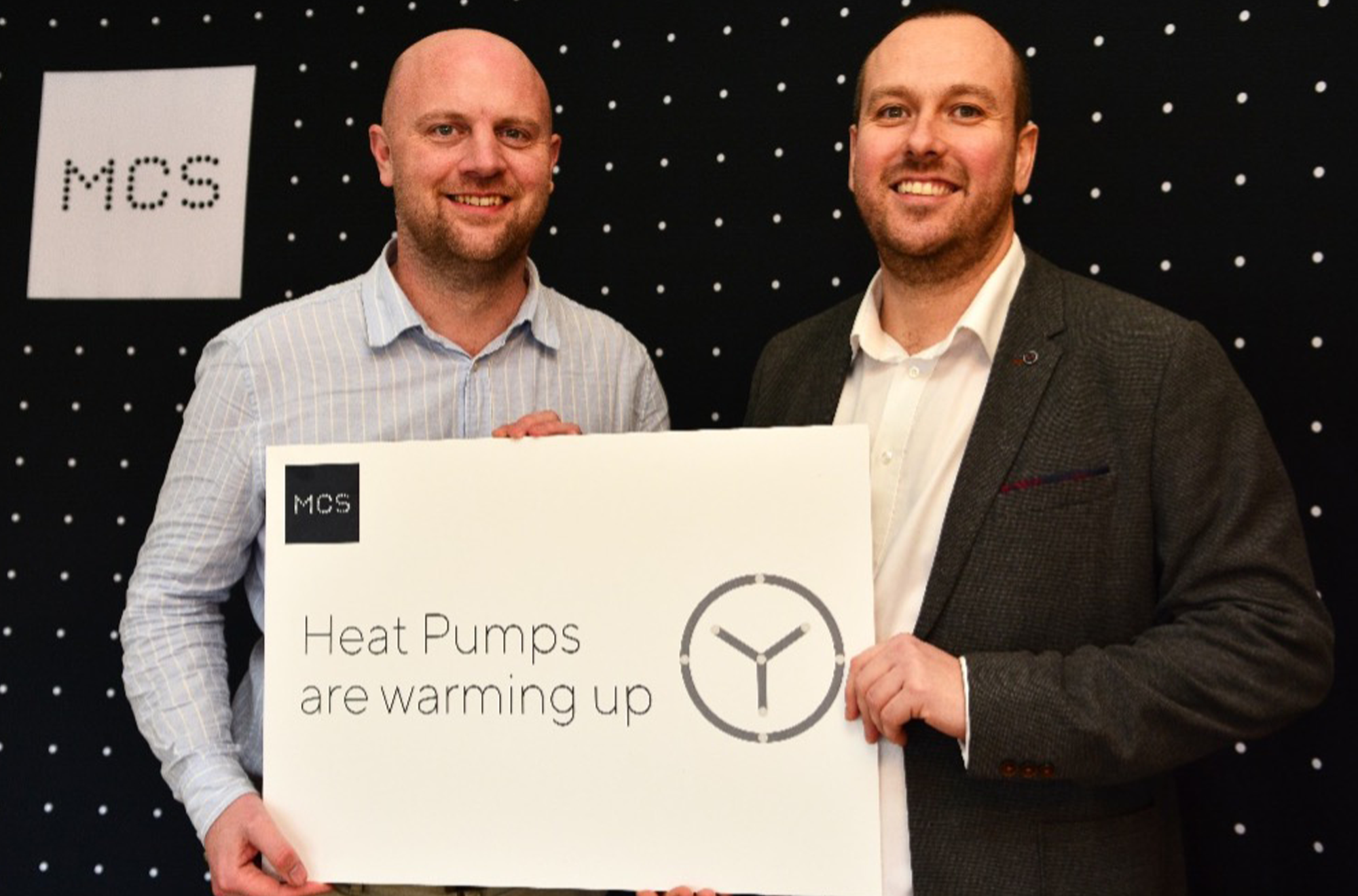
MCS (Microgeneration Certification Scheme), the UK’s quality mark for small-scale renewable energy installations, has announced that it has reached over 5,000 MCS certified contractors. As of October 2024, MCS has more than 5,000 certified contractors for small-scale renewable technologies such solar PV, battery storage and heat pumps. This milestone not only represents the growing demand for MCS certified contractors, but also the growing confidence consumers have in renewable technology to heat and power their homes. According to the MCS Data Dashboard, the number of certified contractors has nearly doubled from 2,563 in September 2022. Currently, 77% of MCS contractors are certified for solar PV, 58% for heat pumps and 34% for battery storage. The number of contractors certified for battery storage has more than tripled between September 2023 and September 2024, showing an increasing demand for the technology. This highlights an increasing number of installers with the knowledge and skills to design, install and commission renewable technologies, which will be crucial for meeting growing demand. To encourage new entrants into the industry, MCS has also collaborated with the Institute for Apprenticeships and Technical Education (IfATE) and a trailblazer group of heat pump installers to develop the Low Carbon Heating Technician Apprenticeship, teaching the next generation how to design, install and commission low carbon heating technologies. Jon Bonnar, Managing Director of MCS certified contractor, Cotswold Energy Group, says, “As a renewable energy installer, MCS certification gives our customers confidence in the quality of our products and installations, whilst also providing protection through warranties and guarantees.” Ian Rippin, CEO of MCS, says, “MCS is incredibly proud to have more than 5,000 certified contractors, giving consumers confidence in the quality, safety and performance of their renewable installation when transitioning to greener heating solutions. Installers are set to play a key role in the UK’s decarbonisation efforts, so it’s crucial that we support them and the wider industry to deliver high-quality installations at scale.” For more from MCS, click here.