2 November 2026
Product of the Month: Amari Floodlight range by Aurora Lighting
 
10 November 2026
Openreach partners with Allstar to boost EV charging options
 
10 November 2026
VCHRGD appoints Craig Summers as Head of Partnerships
 
9 November 2026
UK Power Networks helps nine veterans secure energy sector jobs
 
9 November 2026
Exclusive: why getting project planning right from the outset matters
 

Latest News


Electrical students celebrate success at BIG Awards
Student winners from across construction specialisms took centre stage at the annual Leeds College of Building BIG (Building Industry Greats) Awards. Host, Rich Williams - a TV and radio broadcaster - announced 49 award-winners at the ceremony held at Leeds United FC Centenary Pavilion, Elland Road, showcasing students and apprentices from the 2023/2024 academic year. CEO & Principal, Nikki Davis, welcomed guests to the drinks reception and dinner before students were recognised for their outstanding achievements. Awards were given for accomplishments such as academic attainment, perseverance, determination, or success at national trade competitions. The Plumbing/Electrical Multi-Skills Study Programme Student of the Year (sponsored by Plumbase) went to Tyler Blakely for his fantastic attitude to learning. Tutors said that his “hard work and dedication to the course is reflected in the work that Tyler produces regularly in the workshop.” The Sustainable Building Services Electrical Apprentice of the Year went to Thomas McKenna (pictured above, on the right), a mature student who stands out for his exceptional dedication, hard work, and positive influence on his peers. His tutors said Thomas “is diligent, committed, and always puts in extra hard work to master concepts", and that "he embodies the qualities of an outspoken apprentice and is very deserving of this award." More accolades than ever before were handed out, including 40 trophies and nine Institution of Civil Engineers (ICE) QUEST Technician Scholarships of up to £1,000 each. In total, 12 organisations supported the evening, including gold headline sponsor Marlborough Brickwork. Adult apprentice, Grant Dewhurst, won the Governors’ Award. Grant is retraining as a gas engineer after choosing a career change, sacrificing his salary to complete a two-year apprenticeship. He uses public transport to get to work and College, and despite living a considerable distance away, is always on time with an excellent attitude towards learning. Nikki Davis, CEO & Principal of Leeds College of Building, says, “Congratulations to all students and apprentices receiving awards. It’s wonderful to celebrate these incredible achievements, and I wish all winners every success going forward. Thanks also to our amazing staff who go above and beyond in nurturing the next generation of construction and built environment talent. “I would also like to thank our sponsors and emphasise how grateful we are for this unwavering support. These excellent links with the industry are vital for our students who benefit from bespoke training materials, specialist tools, and critical hands-on work experience opportunities provided by our partner employers.”

Jefferson Tools introduces versatile trolley range
Jefferson Tools, a supplier of high-quality tools and equipment for the building, electrical, automotive, and agricultural industries, has announced the launch of its latest product line - a range of robust trolleys designed to meet the diverse needs of professionals across various industries. Crafted with durability and utility in mind, these trolleys are designed to thrive in the demanding environments typical of busy workshops. Available in multiple configurations, they are ideal for an electrician's workspace, a mechanic's garage, a construction site, or even an agricultural shed. "The new trolley range signifies a major advancement in our mission to provide premium workshop solutions," says Darren Binns, National Sales Manager at Jefferson Tools. "We are setting a new benchmark for what professionals can expect from workshop mobility solutions. These trolleys are over-engineered by design, ensuring they excel even in the most challenging environments where other products might fail." Jefferson Tools' trolleys are built not only for durability, but also for ease of use. For instance, the three-level trolley’s compact design allows it to hold parts, power tools, and bulky equipment too large for a traditional tool chest, all while being easy to manoeuvre thanks to its side handle and lockable castor wheels. The three-level trolley measures 870 x 400 x 875mm and has a capacity of 150kg across three levels. The two-level workshop trolley adds a layer of security with its lockable drawer, ideal for storing sensitive tools. Its soft-close ball bearing runners ensure smooth operation, while its overall capacity of 194kg is distributed across two levels and a drawer. Another available option features a lockable sliding top, providing an additional work surface and two sliding drawers, each with a 15kg capacity. Its compact design (838 x 355 x 700mm, expanding to 1210mm when opened) offers a substantial 158kg capacity. The largest in this range, with its gas sprung lid and five latched drawers, sets a new standard for heavy-duty workshop trolleys. The gas sprung lid features a rear locking mechanism for added security, while the five drawers, lined with non-slip liners, and a robust base shelf provide ample storage for larger parts and tools. This model boasts an impressive overall capacity of 320kg, ensuring it can handle the most demanding tasks in any professional setting. The new range of Jefferson Tools workshop trolleys is now available for order. For more from Jefferson Tools, click here.

Enhance your smart home skills with KNX
Are you an electrician looking to stay ahead of the curve in the ever-evolving field of home automation and smart technology? Ivory Egg’s KNX Design & Specification Course offers a comprehensive learning experience tailored specifically for professionals like you. Why choose Ivory Egg’s KNX Design & Specification Course? Ivory Egg is a trusted name in the smart home technology industry, with nearly 20 years' experience in supporting electricians and KNX Integrators with their KNX projects. The company’s KNX courses have been developed to support professionals who are new to working with KNX and help you find your feet in an easy to access format, and at your own pace. This KNX Design & Specification Course will help you design and specify KNX systems efficiently and confidently. Course highlights This course is the instruction manual to understanding the KNX ecosystem, providing guidance on how the underlying KNX system is structured and installed, the functionality you can implement, and the products you will need. It provides foundational knowledge, explaining the systems that are being controlled to ensure that you have the best chance of delivering successful projects. The training modules include: KNX System Design KNX Keypads Lighting Control Lighting Design Shading Movement Detection Environmental Sensors KNX Radio Frequency (RF) Metering Central Management Devices, Third Party Systems and IP devices Who should enrol? This course is ideal for: Electricians new to KNX who want to expand their skill set and offer advanced solutions to their clients. Electricians or System Integrators who have KNX experience but want to refresh or deepen their understanding of KNX systems. This course is ideal for professionals who want to enhance their marketability and open up new opportunities in the growing field of smart home technology. Homeowners and businesses alike are seeking intelligent solutions that offer convenience, energy efficiency, and enhanced security. By gaining expertise in home and building automation with KNX, you position yourself as the expert who can help, ensuring you remain competitive in a dynamic industry. Enrol today As all Ivory Egg courses are 100% online and on demand you can start whenever you like. Simply add your chosen course(s) to your basket, checkout and then enjoy lifetime access to the course. Enroll on the KNX Design & Specification Course here. If you have questions about any of Ivory Egg’s courses and KNX Training then call 03333 079 100 or email training@ivoryegg.co.uk.

Light Forms provides illumination for Rough Trade Liverpool
Leading independent music retailer, Rough Trade, has expanded its national footprint by opening its sixth and largest UK location in Liverpool. The 6,500 square foot store, located on the city’s Hanover Street, provides a new addition to the Rough Trade offering with a dedicated venue space for exclusive live performances. The new store is set over two floors, with the brand’s record store and café on the ground floor, and the venue space - which has a capacity for 290 people - on the first floor. Architect, R2A, was tasked with creating the design for the new store, working closely with trusted supplier Light Forms to meet the brief for the striking lighting scheme. The aim was to create a cool but functional lighting design, providing a beautifully lit space with well-lit displays that also creates dramatic impact. The lighting effect was achieved by using a thoughtful mixture of track and spot lighting, utilising long linear feature tubes and perimeter RGBW lighting. A range of Light Forms fixtures were used to achieve this design, including Lightrod 80 cylindrical tubes to distribute even light all around for 360 degrees of illumination, Nova62 track spots which maintain a minimal design to blend seamlessly into the overall space, and LP1 Recessed Flat Trim and LP2.5 which provides minimal linear lighting in a discreet application. As the lighting needs to be suitable for retail, café and venue applications, Light Forms supplied a range of fixtures that are adaptable and flexible, to meet ever-changing needs within the space. The range of lighting layers harmoniously spotlights products on the shelves, drawing the customer’s eye to vinyl records and merchandise from independent artists and labels. The colour changing spotlights perfectly set the stage for the live performances, ensuring a dynamic display for all types of performers while maintaining an intimate atmosphere. Lawrence Montgomery, Managing Director at Rough Trade, says, “We have been so thrilled to expand Rough Trade into Liverpool, which is a fantastic city known for its musical heritage. The modern, minimalist design from R2A reflects our brand ethos and ensures that the space focuses purely on the music, while the dimmed and dramatic lighting from Light Forms has a powerful impact in setting the stage. The design allows the location to transform from a store into a premium music performance stage, meeting our aim of Rough Trade Liverpool becoming a central hub for music fans.” Paul Shoosmith, Director at Light Forms, adds, “Light Forms was excited to be part of such a ground-breaking project with Rough Trade, finding new ways to bring live music to Liverpool’s cultural scene. It was an interesting challenge for us to provide lighting solutions that met all the different needs and requirements of the space, and we are proud that our versatile and innovative luminaires were able to create a vibrant retail experience alongside an intimate performance space.” For more from Light Forms, click here.

Vent-Axia launches new range of fire airbricks
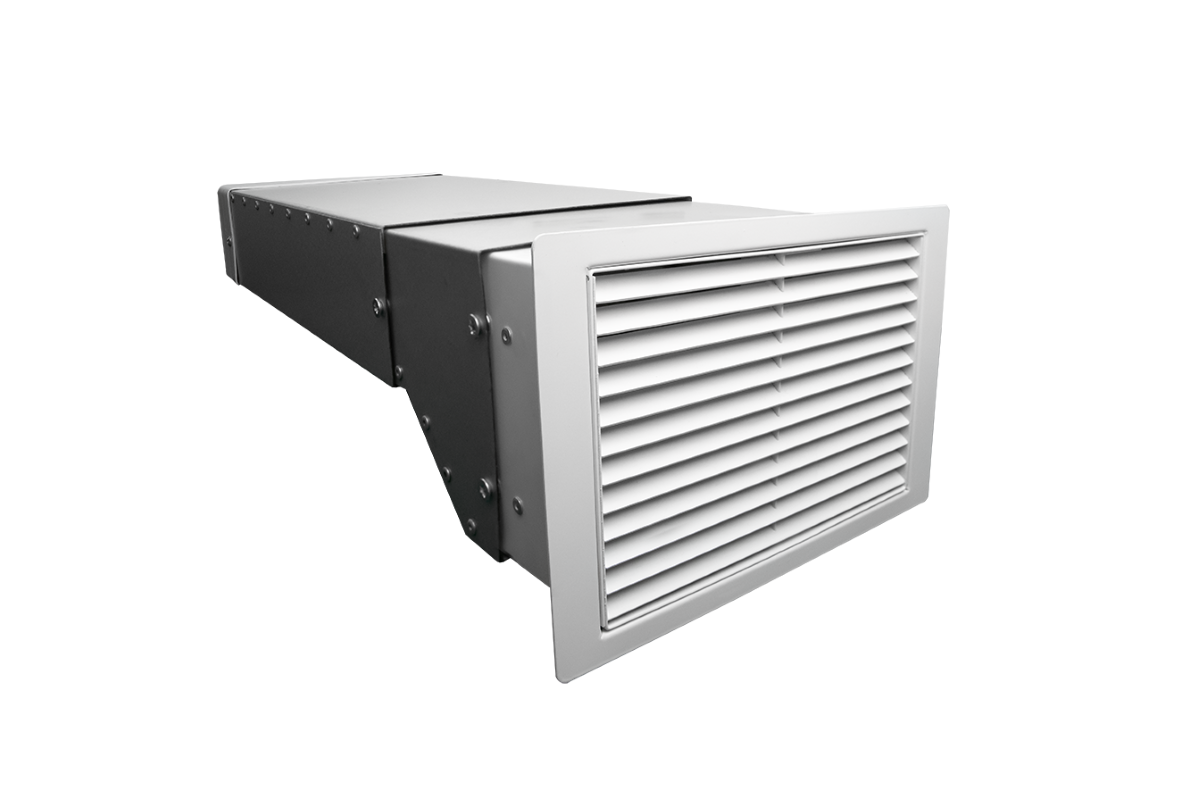
British ventilation manufacturer, Vent-Axia, has launched a new range of low-resistance, non-combustible metal fire airbricks. The new Pyrocheck Fire Airbricks are fully compliant with both Approved Document B (Fire Safety) of the Building Regulations and Building (Scotland) Technical Handbook 2019. Developed in-house, the Pyrocheck Fire Airbricks range features a low-resistance design to ensure high airflow and has been performance tested to BS EN 13141-2-2010. UK manufactured, the new class A1 fire metal ducting kits and fire airbricks comply with the requirements of the current Part B of the Building Regulations. This makes the Pyrocheck Fire Airbricks ideal for multi-storey developments which require all materials forming part of the external wall to be made from non-combustible materials, in line with Part B. Suitable for a wide range of residential applications, the Pyrocheck Fire Airbricks are designed for both 204 x 60 and 220 x 90 ducting with flanged and non-flanged grille options. Manufactured from robust 0.9mm electrogalvanised sheet steel, the airbricks meet fire class A1. Available in both double and single airbrick versions, the airbricks come in five RAL colours featuring a polyester powder coating which has been tested to EN13501-1 classification A2-s1,d0. The Pyrocheck Fire Airbrick range also includes a bezelled version for exterior cladding, render or composite. Steve Pearce, NBR Product Manager at Vent-Axia, says, “The Grenfell Tragedy highlighted the importance of fire safety measures which led to amendments to Part B of the Building Regulations. Fire ductwork improves the safe operation of ventilation systems by minimising the chance of fire spread. Vent-Axia has therefore designed and developed the new Pyrocheck Airbricks to meet Part B requirements for non-combustible materials.” Galvanised steel is considered fire class A1 since it remains robust at elevated temperatures and has a high melting point temperature of 1,450ºC to 1,520ºC. The robust Pyrocheck Airbricks are also corrosion resistant and have been salt spray tested to BS EN ISO 9227:2012. For more from Vent-Axia, click here.

Johnson Controls report: Smart buildings give a competitive edge
A recently released spotlight report, Cracking The Smart Buildings Code: A Spotlight On Retail And Commercial Real Estate, reveals that investments in smart buildings are essential for leaders aiming to enhance sustainability and security, and save money. "Smart buildings are not just a trend; there is growing recognition they are a necessity for modern commercial real estate," says Vijay Sankaran,Vice President and Chief Technology Officer, Johnson Controls. "This report highlights the urgent need for integrated systems and expert partners to navigate the complexities of today's commercial real estate market to achieve long-term success." The digitalisation of buildings provides an immense opportunity to gain a clearer picture of the operation of facilities to create sustainable, healthy and safe environments - a critical differentiator for both commercial real estate tenants and buyers. Notably, 75% of commercial real estate and retail leaders say smart buildings are important to accelerating their digital transformation efforts. Nearly two-thirds of leaders indicate that smart buildings are important for reducing costs, accelerating sustainability initiatives, and driving business growth. These results reveal that retail and commercial real estate leaders are seeking outcomes that have a positive impact for building owners, occupants and the bottom line. Additional key findings include: Competitive differentiator: Investing in smart buildings is a competitive differentiator. Smart buildings not only help commercial real estate and retail leaders attain sustainable, secure and efficient outcomes, but they also competitively differentiate their facilities in the market. Integration gaps: Only 13% of commercial real estate and retail leaders say they have fully integrated building systems, leading to inefficiencies and increased risks. This lack of integrated data and insight is reducing operating efficiencies (62%), reducing customer loyalty (59%) and increasing regulatory penalties (57%). Vital insights: Building data is crucial for decision-making across various departments, including security, sustainability and facilities management, and many leaders recognise the current risks they face by having limited data. Partner expertise: Leaders seek partners with advanced technology, integration capabilities, and industry experience to drive smart building initiatives. In August 2023, Johnson Controls commissioned Forrester Consulting to evaluate the state of smart buildings. Forrester conducted an online survey with 3,445 respondents responsible for smart building strategy to explore this topic. This spotlight is focused on a subset of 299 smart buildings decision-makers in retail and commercial real estate.  

New study exposes EV charging gaps in key UK cities
Northgate Vehicle Hire's latest analysis highlights the pressing need for UK cities to expand their electric vehicle (EV) charging infrastructure to achieve the government's target of installing 300,000 public chargers by 2030. The data identifies the shortfall in chargers across various cities and calculates the required number of installations in each location to meet the shortfall by the 2030 deadline. The study shows that the UK will need to install 2,800 charging points every month across the country to meet this goal. It also found that the shortfall is not evenly distributed, with some cities needing to install a lot more chargers than others to bridge the gap. London remains a focal point in the EV infrastructure rollout. Westminster alone will need to install 9,938 new charging points to meet the target. Birmingham faces one of the largest shortfalls outside London and will need 2,148 new chargers by 2030 to meet demand.  Leeds is estimated to require 2,019 additional charging points. Manchester needs to install 1,573 charging points to stay on track with the government’s targets. Glasgow will need 2,347 chargers to be installed by 2030 to meet the current shortfall. Northgate’s analysis provides a detailed regional breakdown of the cities most in need of additional chargers. For example: Liverpool will need 2,145 new chargers, while nearby Sheffield must install 1,035 to meet demand. In the Southwest, Bristol will require 527 additional charging points. Edinburgh needs 1,927 new chargers, while Cardiff will need 700. The figures show the scale of the challenge that both local authorities and the private sector will be dealing with in the years to come. Melanie Creedy, EV Business Development Manager at Northgate Vehicle Hire, says, “Meeting the 300,000-charger target by 2030 is a critical milestone for the UK’s transition to electric vehicles. Our analysis shows that major cities will need to keep up the current pace of installations to ensure drivers have access to the infrastructure they need. While the disparity in charger numbers across different regions is clear, addressing this will support a smooth transition to electric mobility. Local authorities and businesses alike will need to continue to collaborate closely to meet this ambitious goal.” 

UK heating engineers hesitant to embrace clean heat technologies
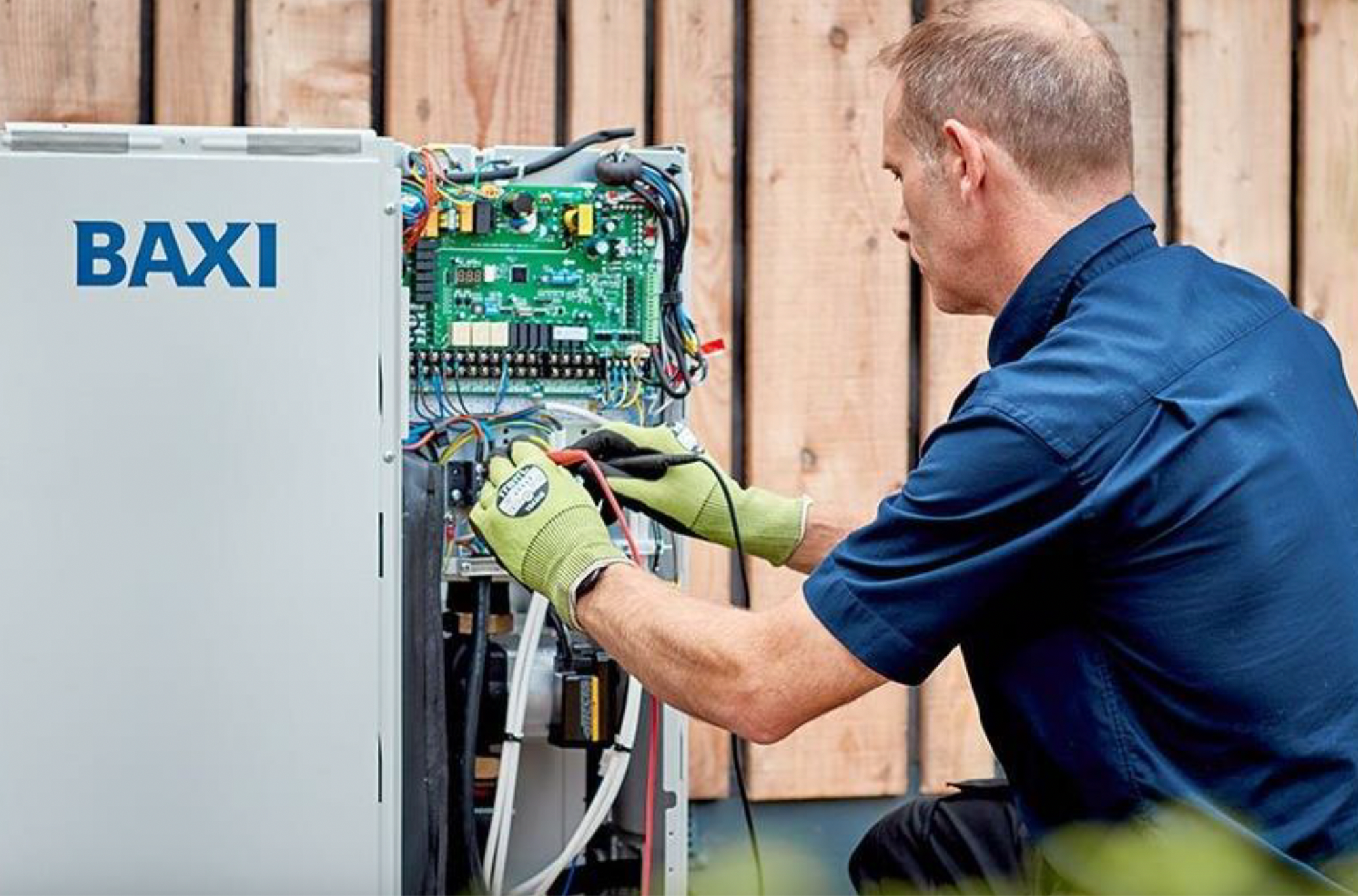
Baxi’s 2024 Installer Skills Survey has revealed that heating engineers' attitudes towards low carbon heating are slowing the adoption of heat pumps in the UK. The survey, conducted in collaboration with green supply chain consultancy Gemserv, explores heating engineers' interest and confidence in helping households transition to clean heat technologies. Installers play an influential role in the decision to move away from natural gas boilers towards low carbon alternatives, such as heat pumps, as consumers often rely on a heating engineer’s expertise when deciding on heating options. This survey is an important indicator of the readiness of heating engineers to adopt and promote heat pumps in the context of evolving government policies and consumer demands. The survey was conducted in August 2024 and over 300 installers took part. Although this year’s survey reveals more positive sentiment towards heat pumps compared to the first edition in 2022, what is evident from the survey is that many installers still lack the training, knowledge and incentive to help homeowners begin their transition away from gas boilers. Just 9% of installers say they are fitting heat pumps, which is up from 3% in 2022 and 7% in 2023. Sentiment towards heat pump installation in the future looks weak, with half of installers saying they are ‘somewhat’ or ‘extremely unlikely’ to start fitting heat pumps in the next three years. There is more enthusiasm for hybrid systems – where a heat pump is combined with a gas boiler – with 30% of installers showing interest. The survey found that government schemes, such as the Boiler Upgrade Scheme (BUS), are met with frustration, as they seem too complex and there is too much paperwork involved, along with the lack of consumer awareness. This year’s survey results show a slight improvement in the confidence installers have to promote and install low carbon heating technologies, with 11% of installers saying they are ‘extremely confident’ in discussing low carbon technologies (up from 7% in 2023) and 35% ‘moderately confident’. This indicates that while training opportunities and industry communication are having a positive effect, many installers still lack the expertise to fully promote and install low carbon heating technologies. Practical training is key to building confidence, with 34% of respondents indicating a preference for hands-on learning. The perceived high cost of training, along with the complexities of MCS accreditation, are an ongoing obstacle to learning. The lack of consumer demand for heat pumps further contributes to installers’ low engagement. Without strong consumer interest, installers continue to feel hesitant about making the transition to low carbon heating, including investing in training. In the 2024 survey, only 3% of installers say customers always ask about low carbon heating. All three surveys have shown a generational divide among installers, with those nearing retirement less inclined to invest in training. As more new installers enter the industry, it’s expected that more will be willing to embrace new technologies, but this will require further intervention from both government and industry to create a more supportive environment.  Ian Trott, Baxi’s Head of UK Training says, “While the 2024 survey shows some positive developments, particularly regarding hybrid systems, many of the challenges highlighted by previous surveys, such as insufficient training, poor government support, low consumer demand, haven’t moved on. The transition to low carbon heating will require more targeted interventions to support installers in overcoming these barriers.” For more from Baxi, click here.

Luceco to launch new Sync Energy brand
With the trend for sustainable living growing, and as the demand for eco-friendly and energy-efficient power continues to rise, the Luceco Group is to launch a new brand - Sync Energy - which will cover all the key categories in this important market. Already established in EV charging with its EV Wall Charger 2, launched in March 2024 and now part of the new Sync Energy product family, Luceco is introducing a Sync Energy commercial and workplace EV charging package this autumn, with more developments to support sustainable living (also under the Sync Energy brand) to follow. Combining all aspects of eco power in one clean and contemporary offer, the new Sync Energy brand will be extensively promoted in 2025 to end user audiences, as well as to the trade. Tania Tams, Marketing Director of The Luceco Group, comments, “Sync Energy is all about leading the market on eco power, with an innovative and comprehensive range and long-term back-up for sellers, installers, and end-users. The ‘go-to’ partner in the category, Sync Energy is dedicated to making sustainable energy efficiency achievable for all.” For more from the Luceco Group, click here.

Toolstation hits £500,000 fundraising figure
Toolstation has announced that it has raised £500,000 this year for Macmillan Cancer Support, taking its total fundraising tally for the charity to £2.5 million over the last four years. The funds raised will help Macmillan to continue to provide vital support to people affected by cancer across the UK. The amount raised could support 37 Macmillan nurses for a whole year, helping people living with cancer and their families receive essential support. The news comes as the Toolstation team carried out a 'mighty hike' which raised almost £6,000 for the charity. It saw 13 colleagues hike the distance of a full marathon (26 miles) over the Wye Valley, taking in Chepstow Castle, Tintern Abbey and ending at Monmouth. The team raised almost £6,000 with a target of £4,750. Donations can still be made on Toolstation’s JustGiving page. Fundraising continues to take place across the business, with colleagues at Toolstation’s distribution centres, head office and 580-plus stores all getting involved throughout the year to help reach the record figure. Fundraising initiatives across the business have included hamper raffles in-store, bake sales, team hikes, all of which have been supported through customer and colleague donations. Toolstation’s Customer and Commercial Director Rupert Nichols, who took part in the Mighty Hike, says, “This was a great personal challenge for us all and trekking through the Wye Valley has meant we’ve been able to raise more money for such an important cause. We want to say a big thank you to everyone who donated and has helped us achieve this target.” Rebecca Fanning, Corporate Partnerships Manager at Macmillan Cancer Support, adds, “A massive thank you to everyone at Toolstation for raising an incredible £500,000. Toolstation colleagues up and down the country have gone above and beyond with their dedication and fundraising efforts involving a wide variety and range of challenges. “We rely almost entirely on donations from the public and without the generosity from valued partners like Toolstation, we wouldn’t be able to continue to do whatever it takes to support people living with cancer when they need it most.” For more from Toolstation, click here.