2 November 2026
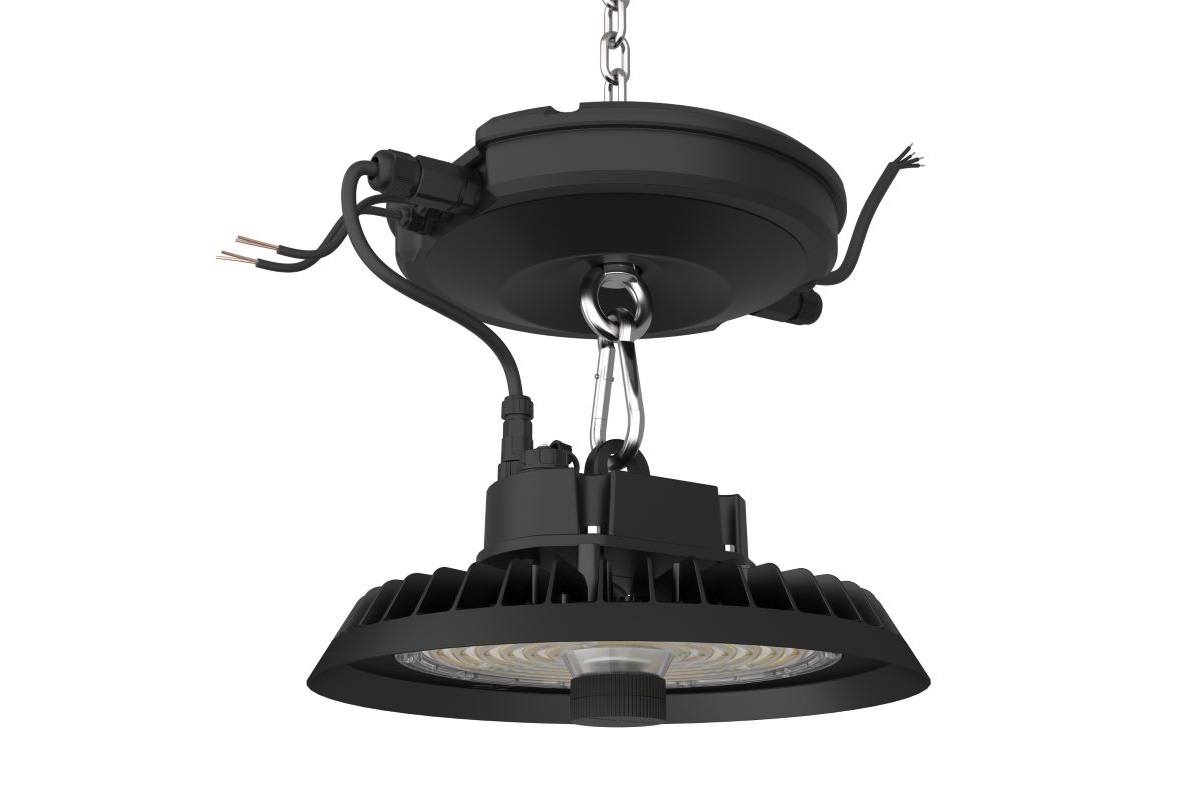
Product of the Month: Amari Floodlight range by Aurora Lighting
 
10 November 2026
Openreach partners with Allstar to boost EV charging options
 
10 November 2026
VCHRGD appoints Craig Summers as Head of Partnerships
 
9 November 2026
UK Power Networks helps nine veterans secure energy sector jobs
 
9 November 2026
Exclusive: why getting project planning right from the outset matters
 

Latest News


Integral LED launches Tough Shell Pro Bulkheads
Integral LED, a provider of innovative lighting products, has announced the launch of its new Tough Shell Pro Bulkhead range. This new series of bulkheads boasts a modular design with a variety of accessories aimed at enhancing both aesthetics and functionality, catering to a wide range of lighting needs. Delivering an impressive energy efficiency of 120lm/W, the Tough Shell Pro proves bright, consistent and customisable illumination while significantly reducing energy consumption. The Tough Shell Pro is also designed with versatility in mind, offering plug and play modules that include emergency lighting, microwave sensors and corridor function capabilities. These accessories allow users to upgrade and customise their lighting solutions effortlessly, ensuring optimal performance and adaptability for various environments. Three power switching options (8W, 12W, and 16W) and switchable correlated colour temperature (3000K, 4000K, 6000K) offer further customisation to meet specific lighting requirements, while the range also features nine bezel accessories in varying colours and styles to ensure the Tough Shell Pro matches the appearance of any project. Constructed with a durable polycarbonate body, the Tough Shell Pro is both IP66 and IK10 rated, ensuring it is resistant to dust, water, and significant impact. The lockable anti-vandal diffuser adds an extra layer of security, making these bulkheads ideal for use in public and high-traffic areas. Integral LED stands by the quality and reliability of its products, offering a five-year warranty on the new range (which is available now). For more from Integral LED, click here.

Volt Group Scotland announces partnership with HDM Energies
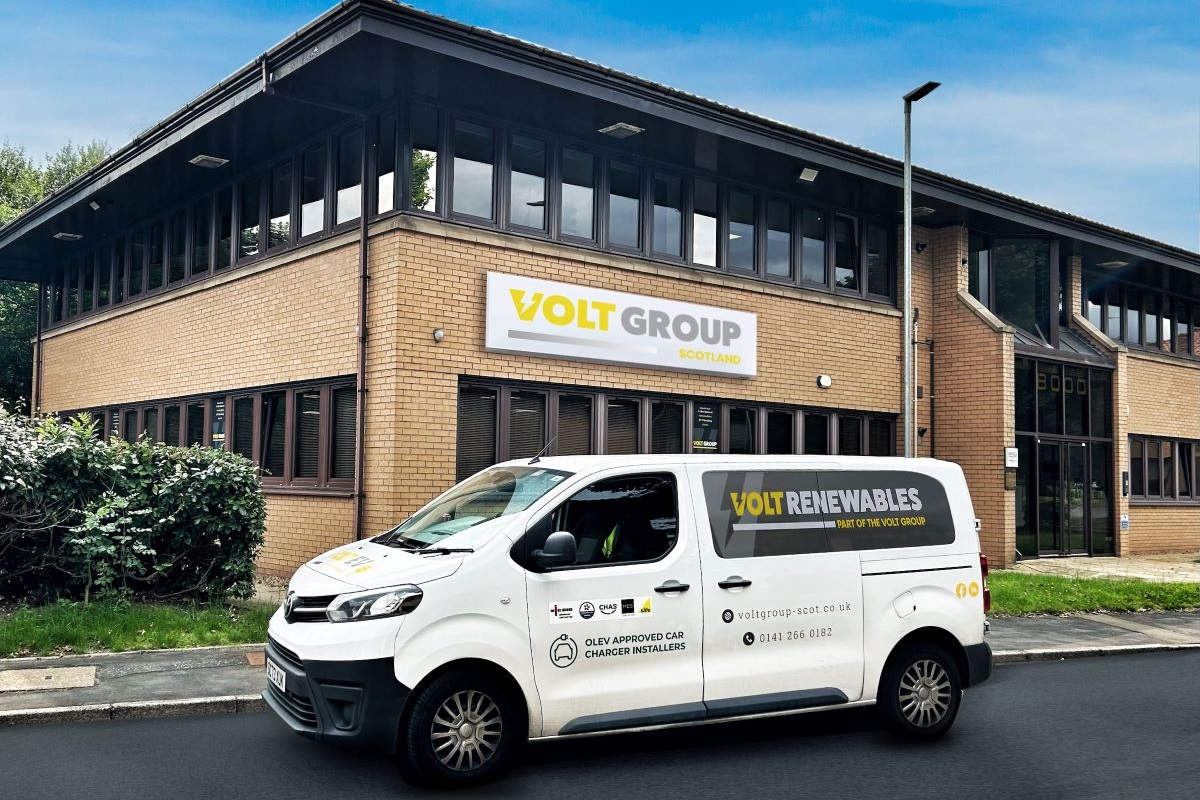
Volt Group Scotland, a Glasgow based electrical installation business, has announced a strategic partnership with HDM Energies, a renewable energy solutions provider. This collaboration aims to offer businesses, property portfolio owners, and local authorities across Scotland the opportunity to install rooftop solar panels with zero capital expenditure (CapEx). Volt Group Scotland will supply, install, and maintain high-quality solar panels for commercial properties without any initial investment from businesses through HDM Energies' ‘Energy for All’ scheme. This initiative is designed to help companies transition to sustainable energy solutions seamlessly and affordably through a Power Purchase Agreement (PPA). Since 2019, Volt Group Scotland has been a prominent provider of domestic and commercial solar panel installations throughout Scotland. Known for its commitment to quality and customer satisfaction, Volt Group offers a comprehensive range of services, including installation, maintenance, and repairs of solar energy systems. Its reputation for delivering exceptional service makes it an ideal partner for HDM Energies' expansion into the Scottish market. This partnership introduces an innovative financing option through a PPA with HDM Energies, allowing Volt Group Scotland’s business customers to benefit from solar energy with zero capital expenditure. Through the Energy for All scheme, Volt Group will install the rooftop solar PV system for free, and businesses will purchase the electricity generated by the solar panels at a low, fixed rate that is guaranteed for the length of their contract. By adopting this model, businesses can enjoy reduced energy bills and a smaller carbon footprint, and receive continuous maintenance support from Volt Group Scotland. Colin MacLean, Renewables Manager of Volt Group Scotland, comments, "We are excited to collaborate with HDM Energies to expand our services and offer more enterprises across Scotland, regardless of their size or budget, the opportunity to access clean, renewable energy through a power purchase agreement." Dan Rogers, CEO of HDM Energies, adds, "There is tremendous potential for businesses to harness renewable energy, and we are thrilled to bring the 'Energy for All' scheme to Scotland. Partnering with Volt Group ensures that businesses here can now access solar solutions with expert installation and year-round maintenance, without the financial burden of upfront costs." This collaboration between Volt Group Scotland and HDM Energies marks a significant step towards a greener future for Scottish businesses, promoting the adoption of renewable energy and supporting the transition to a low-carbon economy.

NAPIT and Utilita to offer low carbon technology courses
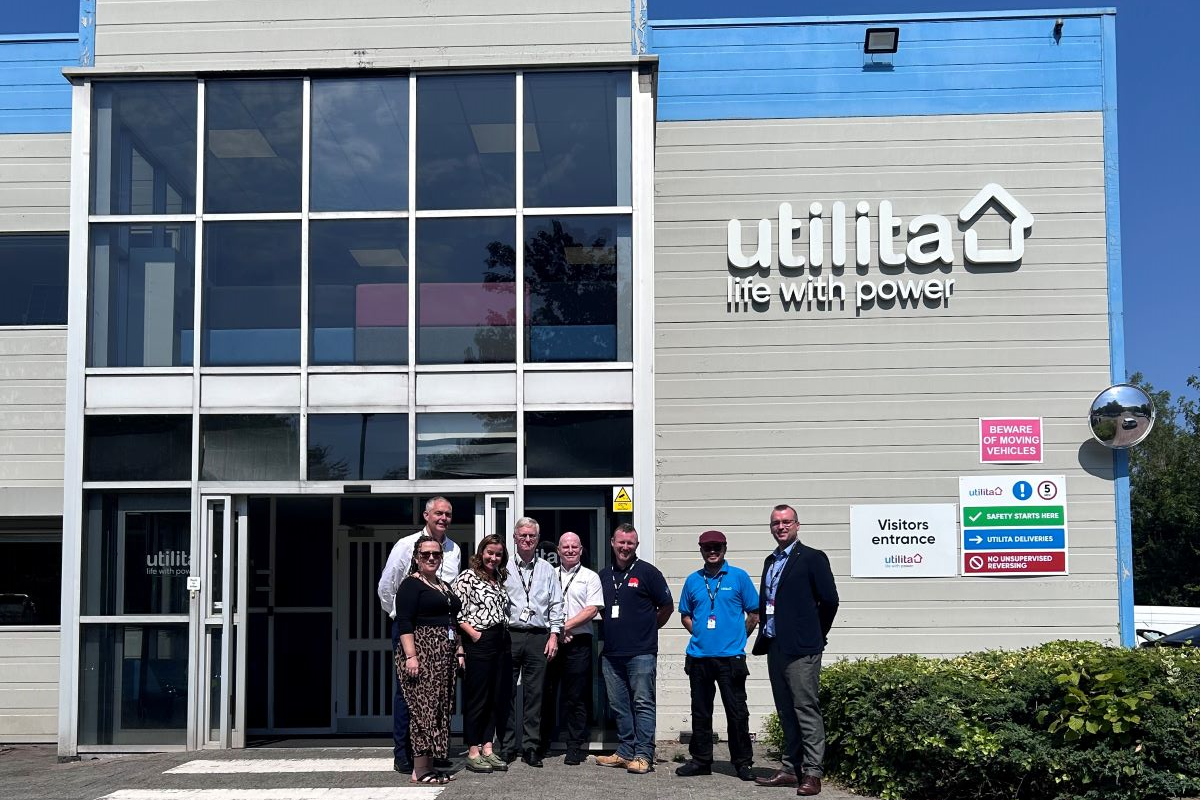
NAPIT Training has teamed up with Utilita to deliver the courses essential to meet the demand for installing low carbon technology in homes across the country. NAPIT Training is a leading provider of high-quality industry training, offering dedicated courses that enable candidates to achieve industry-recognised qualifications in their trade. The partnership with Utilita will see training on low carbon and renewable technologies, including LCL Awards Level 3 Award In the Installation and Maintenance of Small Scale Solar Photovoltaic Systems, LCL Awards Level 3 Award in the Design, Installation and Commissioning of Electrical Energy Storage Systems, a LCL Heat Pump Systems Installer Course, as well as the five-day combined Solar Photovoltaic Systems and Electrical Energy Storage Systems course. Each of the courses will be available to tradespeople at Utilita's site in Warrington. The Government wants to see 1.5 million new homes built in the next five years, and as part of its 'solar rooftop revolution' concept, has announced a target to install 600,000 heat pumps a year - so the skills will be increasingly important. The courses and assessments on offer are industry approved and the extensive portfolio available means that tradespeople will be able to find the right course to boost their career. NAPIT Head of Training, Brett Forster, comments, “We are committed to reaching as many tradespeople as possible and training them to the high standards that the industry requires. This partnership with Utilita means we can reach more tradespeople in the North West, and utilise the skills and expertise of trainers in that area to deliver courses which will help installers take advantage of the opportunities of the transition to net zero.” Dan Greenwood, Training and Development Manager at Utilita, adds, “Our Training Academy in Warrington really is one of a kind. It is the only establishment in the UK ran by an energy supplier where anyone can extensively learn about smart metering, heat pumps, and other low carbon technologies, with a particular focus on solar PV. “We are delighted to partner with NAPIT to bolster our offering. We will make a real difference together.” For more from NAPIT, click here.

HellermannTyton launches all-in-one rubber sleeve kits
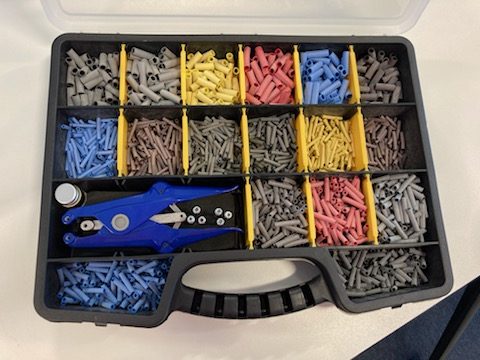
Cable management specialist, HellermannTyton, has responded to customer demand by introducing an all-in-one kit for its well-known rubber sleeves. Commonly used by those working in the electrical industry - including panel builders for data centres - rubber sleeves protect cables from heat, moisture, and chemicals. Safeguarding electrical and mechanical systems, the sleeves also ensure that cables are secured and easily identifiable. An original HellermannTyton product, well known and popular with the trade, the rubber sleeves were previously only sold in quantities of 1,000 by colour. Now, with the option of a refillable kit, customers can fill 17 compartments with up to 200 sleeves in a variety of colours and sizes. The introduction of a kit provides customers with an alternative to purchasing the sleeves in large quantities, so now, they can mix and match the sleeves in an easily accessible organiser that can be carried from job to job. The smaller quantities encourage waste reduction and save on cost, as the whole kit is worth the same as one bag of 1,000 rubber sleeves. Extremely versatile, when applied to a cable the rubber sleeves will stretch to five times their original diameter; with the capability to stretch over a 10mm cable. Jodie Thomas, Associate Product Manager for HellermannTyton, says, “Originally developed in 1935 for use on bicycle tyres, the rubber sleeves are one of our very first products and have since remained a popular choice with our customers. “Providing our customers with the solutions that they need to complete their jobs is at the heart of what we do. By introducing a kit for the rubber sleeves, our customers have the peace of mind that they have all the colours and sizes to hand for electrical applications.” Usually sold separately, the kit includes an expansion tool and a bottle of lubricant, the latter of which is designed to absorb into the sleeves to prevent cracking and maintain a good condition - something which is key to ensuring the cables remain secure and well insulated. For more from HellermannTyton, click here.

Lithe introduces new Fire and Acoustic Speaker Hood
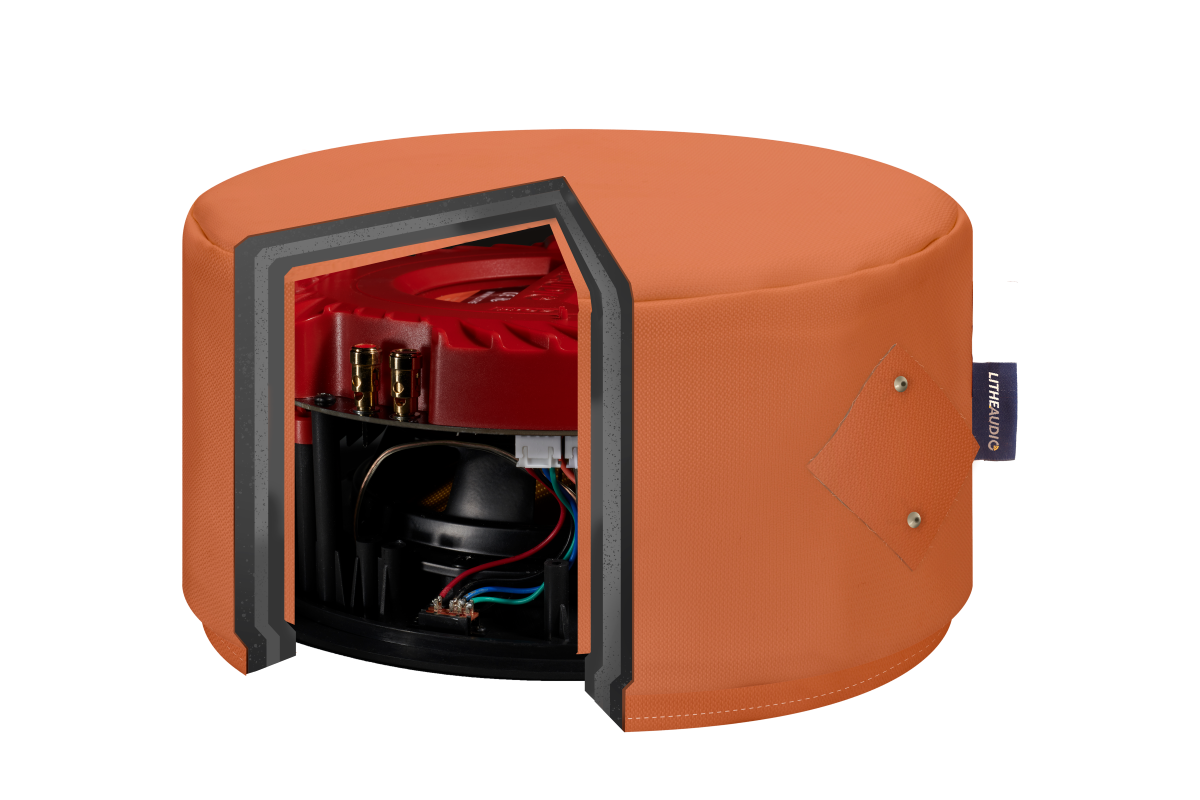
The new Lithe Audio Fire and Acoustic Speaker Hood is designed to elevate a home or commercial property’s acoustic experience and sound quality while ensuring fire safety. Fully compliant with UK and EU building and IEE regulations, the Speaker Hood is crafted to deliver fire resistance for up to 90 minutes. It complies with Parts B, L, C and E regulations, making it an important addition to any in-ceiling speaker installation. At the same time as delivering peace of mind on the safety front, the Speaker Hood offers a dramatic decrease in sound leakage. Its cutting-edge design reduces noise transmission by up to -9dB across all sound ranges, and the innovative triple-layer acoustic construction limits backward sound escape. This makes it ideal for installation for any locations that need sound suppression and improved acoustics. It is particularly suited for in-ceiling speaker installations, such as height channels in cinema rooms and when sound reduction between floors in apartments and hotel rooms is needed. Installation is quick and maintenance-free and is perfect for both new builds and retrofits. The lightweight, flexible design makes it easy to install from above or below the ceiling, and it is compatible with suspended or plasterboard ceilings. “We’re excited to be able to deliver a new standard for in-ceiling speakers with this new fully-compliant Speaker Hood,” says Amit Ravat, MD of Lithe Audio. “Designed and made in the UK, it’s a game-changer for peaceful, uninterrupted living by delivering safety and deliver better acoustics in the room while significantly reducing unwanted sound travel.” The Fire Hood is available from August 2024. For more from Lithe Audio, click here.

Stabicad MEP launches brand new, faster calculation engine
The existing calculation engine gives you accurate mechanical and electrical calculations within Stabicad from Trimble. The brand-new heating and cooling systems cloud calculation engine has been designed to be more powerful and process calculations in a fraction of the time. Both calculation engines are certified by CIBSE, meaning you can be assured that accuracy isn’t compromised for speed. Experience lightning-fast heating and cooling system calculations, up to 30x faster, and certified by CIBSE with Stabicad, directly in Revit. Now, you can also size your piping network based on user set constraints, increasing efficiency more than ever before! Roger Fuechs, Senior Product Manager at Trimble, says, “The new calculation engine calculates the model outside of Revit and makes optimal use of Revit's APIs to process the changes quickly. Due to the cloud nature of the engine, the performance is also less dependent on the hardware of the user. This enables us to provide our customers with significantly faster calculations even on large models.” Time savings demonstrated with this update go towards helping users increase their productivity and profits. Having significantly faster model checks – even complex systems with hundreds of units – completed in seconds helps to buy back valuable time for mechanical engineers. It’s simple to set up the new cloud calculation engine. Once a user activates the new calculation engine in the settings, they can continue to work undisturbed in Stabicad. This means workflows will remain unchanged, with speed being the only difference!

Students from under-represented groups get ‘hands on’ work experience 
Sixth-formers from under-represented communities have taken part in a two-week work experience programme with UK Power Networks.    The ‘Powering Potential’ work experience programme allowed students to gain an understanding of how the UK’s biggest distribution network operator works.    The 11 students were picked from across the areas served by the electricity firm that delivers power to 8.5 million homes and businesses across London, the South East, and the East.    The students were given the chance to take part as they come from an under-privileged socio-economic area.     To be eligible they had to be:   From a combined family household income of less than £30,000 a year  Entitled to free school meals  Living, or have lived, in local authority care  First person in their family to participate in further education  Students were put into pairs and worked at their local depot, which included sites in Peterborough, Colchester, London, Borehamwood and Gatwick.    They were given bespoke insight from experts in the field who work across UK Power Networks.    Over the two weeks, students created a poster and a presentation for senior staff at the company, detailing what they learned.    The Powering Potential programme is just one part of UK Power Networks’ commitment to the Levelling Up Goals agenda, which is the country’s largest social mobility campaign.    UK Power Networks strives to create a level playing field for people wanting to enter the energy industry but might not have access or a traditional pathway towards it.    Yusra Batool, a student on the programme says, “With this work experience placement, I feel like I know exactly what type of career that I would want to look for. I feel like engineering is something that I want to take on and hopefully it's electrical engineering.”    Oliver Kingman, another student, says, “I always thought I'd like to be an engineer. I think Powering Potential has helped me, as during the two weeks I've now been able to gain a lot of valuable connections, lots of people that can help me and offer to assist me if I ever need it in the future. There were so many opportunities, not just to talk to people or learn about their jobs at a desk, but go out on site and see things happening, things in motion and things you wouldn't really be able to see online.”    STEM Outreach and Development Specialist, Natasha Paramasamy, says, “This year’s cohort of Powering Potential students have shown why levelling up and our commitment to social mobility is so important. Each and every one of the students taking part has shown why we must give opportunity and access to people who do not have the traditional pathway into our industry.”    For more from UK Power Networks, click here.

JTL to open new apprenticeship training centre in Preston
JTL, an independent apprenticeship provider in the electrical and plumbing trades, is set to break ground on a new state-of-the-art training hub in Preston. The company says that the investment highlights its commitment to enhancing local employment opportunities and addressing the critical skills gap in the region. Located in Cable House just outside Preston city centre, the new Preston Training Centre will offer first-class training facilities designed to provide high-quality apprenticeships in both electrical and plumbing, equipping learners with future-proofed skills for the industry. The region has seen an increase in shortages in the number of electricians and plumbers in recent years. With the Lancashire Local Skills Improvement Plan identifying these occupations as priorities for the region, backed by data from the ECA’s analysis of low numbers of apprenticeship starts, the new training centre aligns with JTL’s mission of delivering exceptional training to meet the demands of local employers and the wider building services engineering industry. JTL Preston will integrate training on green skills - for example, electric vehicle charging techniques, Solar PV installation and battery storage - reflecting JTL’s commitment to sustainability and the evolving needs of the industry. JTL proudly provides one of the country’s only gold-standard green apprenticeships, recognised for its contribution to a low carbon economy. This approach aims to prepare apprentices for the future, creating a highly-skilled talent pipeline in the North West and supporting UK’s transition to net zero. Previously a call centre, the site is soon to be refurbished and will feature industry standard workshops, teaching rooms and exam preparation resources. Initially, it will offer four electrical courses and one plumbing course, training 256 electrical and 64 plumbing apprentices over a four-year apprenticeship cycle, with the potential for further expansion. It has excellent transport links, and a dedicated JTL team in place to provide tailored support both to learners as they embark on their apprenticeship journey and also employers as they take on an apprentice. The centre is also supporting the creation of 12 training officer and tutor roles and is set to welcome its first cohort of apprentices in early 2025. Chris Claydon, Chief Executive Officer of JTL, says, “The launch of our Preston Training Centre is a pivotal moment for JTL and the local community. By investing in state-of-the-art facilities and fostering partnerships with local employers, we aim to provide high-quality apprenticeship training that directly address the specific skills needs of the region. Preston is a key location for us to expand due it being at the heart of Lancashire’s economic development. JTL Preston will play a crucial role in training the next generation of skilled professionals to contribute to a more sustainable future in the building services engineering sector.” Gary Downes, Deliver Team Manager for JTL Preston, adds, “We are thrilled to bring JTL’s renowned training programmes to Preston. Our new centre will not only create job opportunities but also help bridge the skills gap in the local workforce. We work closely with employers to ensure our apprentices receive training that is both relevant and of the highest quality, enabling them to thrive in their careers.” JTL has ambitious plans to further expand its network of training centres and deliver the highest quality apprenticeships, tailoring the learning experience to local, regional and national skills needs. For more from JTL, click here.

Upgrades take Z LED performance to new heights
Packed with an array of innovative new features and designs, Ansell Lighting has made a number of significant upgrades to its Z LED Performance high/low bay. Engineered to offer improved functionality, performance and ease of installation, the new model provides unparalleled standards for industrial lighting options. Perhaps the most significant enhancement for users is that the upgraded Z LED Performance now delivers an outstanding 180lm/w, providing exceptional brightness and energy efficiency. Unlike many high/low bay fixtures it also offers three CCT settings - 4000K, 5000K and 6500K - and is 1-10V dimmable as standard, providing enhanced control over illumination levels. With ease of installation a key priority for installers, Ansell Lighting has also ensured that additional options such as emergency packs and energy saving microwave and PIR sensors are now plug-in for faster and straightforward setup. These accessories can also be controlled by remote control for enhanced convenience and operational flexibility. Highly robust, the IP65 rated Z LED Performance is also now available in three wattages, accommodating installation at lowbay and highbay heights. Narrow, 55° lens options are also available to allow for alternative beam angles in spaces such as racking aisles, whilst aluminium reflectors can be added for enhanced light distribution. Adding instant emergency functionality to the Z LED Performance, another addition to the product is the creation of the new Hawk Highbay Emergency Kit. An easy fit, plug in emergency pack, Hawk Highbay can be quickly and easily fitted on to the top of the Z LED Performance using speedy terminals and pre-wired connections. Providing a minimal and discreet appearance, it seamlessly integrates with the fixture without compromising the benefits of the Z LED Performance, such as 180lm/W efficacy, three CCT settings, and dimmability. Mark Abbott, Managing Director at Ansell Lighting, says, “We’ve taken every step possible to enhance the performance and functionality of our Z LED Performance high/low bay. These upgrades ensure that our customers benefit from superior lighting solutions that are not only energy-efficient but also easy to install and highly adaptable to various industrial settings. “The addition of the plug-in Hawk Highbay Emergency Pack means that users can continue to benefit from Z LED Performance whilst ensuring reliable emergency lighting without compromising on efficiency or control features." For more from Ansell Lighting, click here.

Solar energy breakthrough could reduce need for solar farms
Scientists at Oxford University Physics Department have developed a revolutionary approach which could generate increasing amounts of solar electricity without the need for silicon-based solar panels. Instead, their innovation works by coating a new power-generating material onto the surfaces of everyday objects like rucksacks, cars, and mobile phones. Their new light-absorbing material is, for the first time, thin and flexible enough to apply to the surface of almost any building or common object. Using a pioneering technique developed in Oxford, which stacks multiple light-absorbing layers into one solar cell, they have harnessed a wider range of the light spectrum, allowing more power to be generated from the same amount of sunlight. This ultra-thin material, using this 'multi-junction' approach, has now been independently certified to deliver over 27% energy efficiency, for the first time matching the performance of traditional, single-layer, energy-generating materials known as silicon photovoltaics. Japan’s National Institute of Advanced Industrial Science and Technology (AIST) gave its certification prior to publication of the researchers’ scientific study later this year. “During just five years experimenting with our stacking or multi-junction approach we have raised power conversion efficiency from around 6% to over 27%, close to the limits of what single-layer photovoltaics can achieve today,” says Dr Shuaifeng Hu, Post Doctoral Fellow at Oxford University Physics. “We believe that, over time, this approach could enable the photovoltaic devices to achieve far greater efficiencies, exceeding 45%.” This compares with around 22% energy efficiency from solar panels today (meaning they convert around 22% of the energy in sunlight), but the versatility of the new ultra-thin and flexible material is also key. At just over one micron thick, it is almost 150 times thinner than a silicon wafer. Unlike existing photovoltaics, generally applied to silicon panels, this can be applied to almost any surface. “By using new materials which can be applied as a coating, we’ve shown we can replicate and out-perform silicon whilst also gaining flexibility. This is important because it promises more solar power without the need for so many silicon-based panels or specially-built solar farms,” notes Dr Junke Wang, Marie Skłodowska Curie Actions Postdoc Fellow at Oxford University Physics. The researchers believe their approach will continue to reduce the cost of solar and also make it the most sustainable form of renewable energy. Since 2010, the global average cost of solar electricity has fallen by almost 90%, making it almost a third cheaper than that generated from fossil fuels. Innovations promise additional cost savings as new materials, like thin-film perovskite, reduce the need for silicon panels and purpose-built solar farms. “We can envisage perovskite coatings being applied to broader types of surface to generate cheap solar power, such as the roof of cars and buildings and even the backs of mobile phones. If more solar energy can be generated in this way, we can foresee less need in the longer term to use silicon panels or build more and more solar farms,” Dr Wang adds. The researchers are among 40 scientists working on photovoltaics led by Professor of Renewable Energy, Henry Snaith, at the Oxford University Physics Department. Their pioneering work in photovoltaics and especially the use of thin-film perovskite began around a decade ago and benefits from a bespoke, robotic laboratory. Their work has strong commercial potential and has already started to feed through into applications across the utilities, construction, and car manufacturing industries. Oxford PV, a UK company spun out of Oxford University Physics in 2010 by Co-Founder and Chief Scientific Officer Professor, Henry Snaith, to commercialise perovskite photovoltaics, recently started large-scale manufacturing of perovskite photovoltaics at its factory in Brandenburg-an-der-Havel, near Berlin, Germany. This is the world’s first volume manufacturing line for ‘perovskite-on-silicon’ tandem solar cells. “We originally looked at UK sites to start manufacturing but the government has yet to match the fiscal and commercial incentives on offer in other parts of Europe and the United States,” Professor Snaith says. “Thus far, the UK has thought about solar energy purely in terms of building new solar farms, but the real growth will come from commercialising innovations. We very much hope that the newly-created British Energy will direct its attention to this. “The latest innovations in solar materials and techniques demonstrated in our labs could become a platform for a new industry, manufacturing materials to generate solar energy more sustainably and cheaply by using existing buildings, vehicles, and objects. “Supplying these materials will be a fast-growth new industry in the global green economy and we have shown that the UK is innovating and leading the way scientifically. However, without new incentives and a better pathway to convert this innovation into manufacturing, the UK will miss the opportunity to lead this new global industry.”