


By 2050, four in five homes that will exist in the UK have already been built today, but in order to reach the UK’s net zero goals, most will require retrofitting with low-carbon heating systems and energy-efficient improvements.
As the Government’s Warm Homes Plan sets out to help households save up to £600 off energy bills (based on the installation of heat pumps and other technologies), new research from energy experts at Uswitch, a comparison website for home services switching, has uncovered which energy-saving and green upgrades are most in demand by consumers.
To understand the popularity of technologies from heat pumps to solar panels, biomass boilers, and more, the data analyses online searches to see average monthly search volumes as well as year-on-year increases across search engine, retail, and social media channels.
Key research findings
1. Solar panels had the highest online searches across Google, major social media channels, and Amazon. Despite their popularity and predicted annual savings of £600, survey data from Uswitch shows that only 38% of homeowners have or would consider adding solar panels to their homes.
2. Wind turbines came second overall in the research. While less popular than solar panels, off-grid power sources like turbines can be added to homes either through rooftop or standalone options. While generally more expensive than solar panels, the UK’s status as the windiest country in Europe means that retrofitting wind turbines can generate a significant amount of energy.
3. Underfloor heating-related searches have decreased across all major platforms; however, it remains the third most popular energy-saving installation. With high installation costs, underfloor heating can be the right option for new build homes or when building a new room or extension.
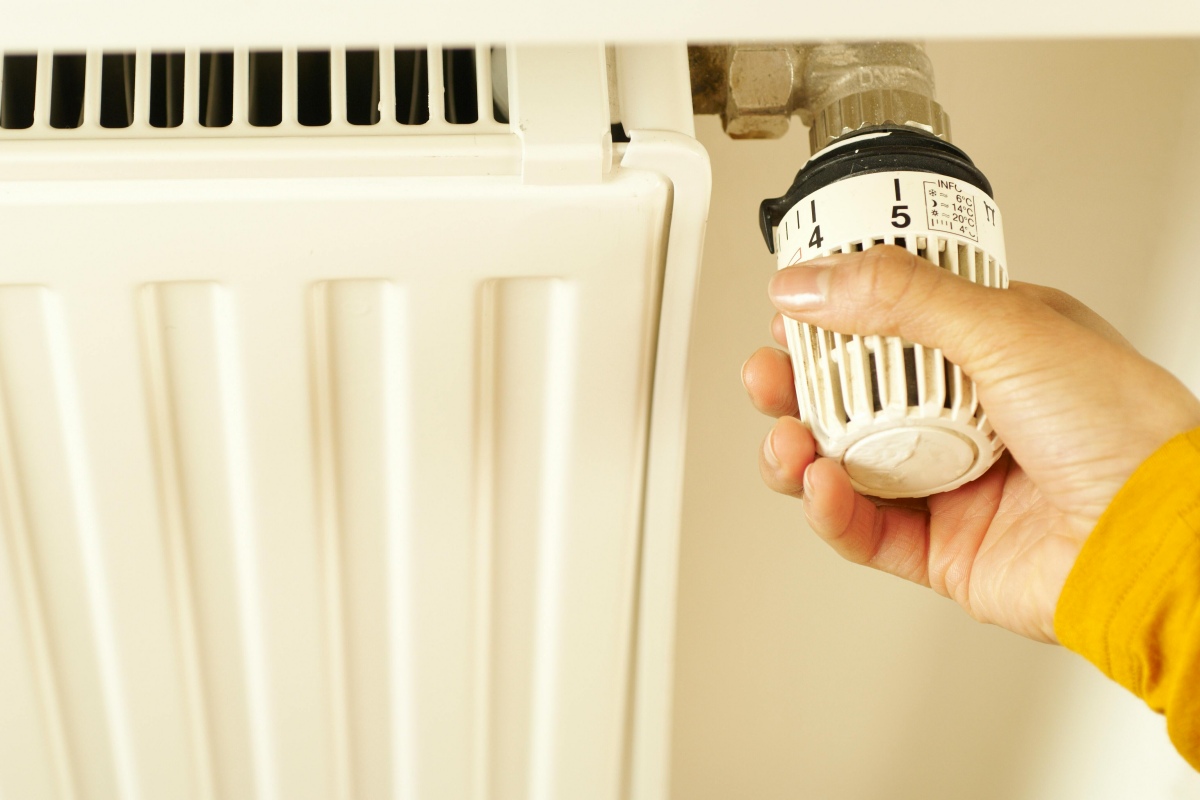
4. Smart thermostats are the fourth most popular energy-saving device, despite only 35% owning or considering installing them. With costs between £100 to £200 to install, smart thermostats don’t directly save money on energy bills; they provide an option to heat homes more efficiently, helping to manage consumption.
5. Biomass boilers are generally cheaper to run than gas or oil systems, costing around £400–600 per year. While a more energy-efficient and sustainable option, they can be expensive to install. Those living in rural areas and unconnected to the gas grid could be eligible for £5,000 off installation costs as part of the government’s Boiler Upgrade Scheme.
Barriers to wider adoption
While the research shows increased interest in energy-saving retrofits, survey analysis also uncovers that two-thirds (61%) of homeowners believe upfront cost is the biggest barrier to retrofitting.
Nearly two thirds (60%) feel they do not know enough about the financial support or grants available to retrofit, while nearly half (48%) feel that retrofitting feels too disruptive, confusing or complex.
Ben Gallizzi, Energy Expert at Uswitch, says, “While interest in energy-saving technologies is still high, many households still feel unsure about where to start.
“Retrofitting doesn’t have to mean a full home overhaul; even small steps can make a difference to your energy use and long-term savings.
“The Government’s support schemes are an important opportunity, and we’d encourage homeowners to explore what funding they might be eligible for before ruling out improvements.”