


UK summers are becoming hotter. Following record-breaking temperatures and intense heatwaves, social housing providers face a growing challenge: managing overheating properties while navigating increasingly strict regulatory demands.
The scale of the problem
According to the UK Climate Change Committee, 50% of UK homes are currently at risk of overheating, a figure projected to rise to 92% by 2050.
Data from Aico’s Dr Silviu Nistor reveals that, during recent heatwaves, average indoor temperatures across England, Wales, and parts of Scotland exceeded 25°C, with some southern areas surpassing 32°C.
Understanding unsafe temperatures
While there is no single legal threshold for unsafe indoor temperatures, landlords must be aware of several critical benchmarks:
• 24°C: The WHO warns that temperatures above this can cause discomfort or harm to vulnerable groups.
• 25°C: The BRE Guidance notes a visible increase in strokes and mortality. It is also the HHSRS ceiling for winter heating.
• 28°C: CIBSE TM59 states temperatures should not exceed this for more than 1% of sleeping hours.
Crucially, risk is context-dependent; the same high temperature poses a far greater threat to an elderly resident in a top-floor London flat than a healthy adult in a semi-detached home.
Practical mitigation strategies
Landlords can implement several measures to reduce indoor temperatures:
• Insulation: Double glazing, draft sealing, and cavity insulation keep external heat out. For top-floor flats, reflective roof coatings are highly effective.
• Purge ventilation: High insulation can trap heat at night. Opening windows and running fans when outside temperatures drop helps purge hot air.
• Shading and appliances: Blinds, shutters, and awnings block solar gain on south- or west-facing windows. Using eco-friendly appliances and kitchen ventilation also reduces internal heat.
Preparing for Awaab’s Law with HomeLINK
The urgency for housing providers is mounting. This October, Awaab’s Law Phase 2 will introduce tight inspection and repair deadlines for seven new hazards, including extreme heat.
To avoid an unmanageable wave of emergency complaints during future heatwaves, providers must transition from reactive fixes to proactive risk management.
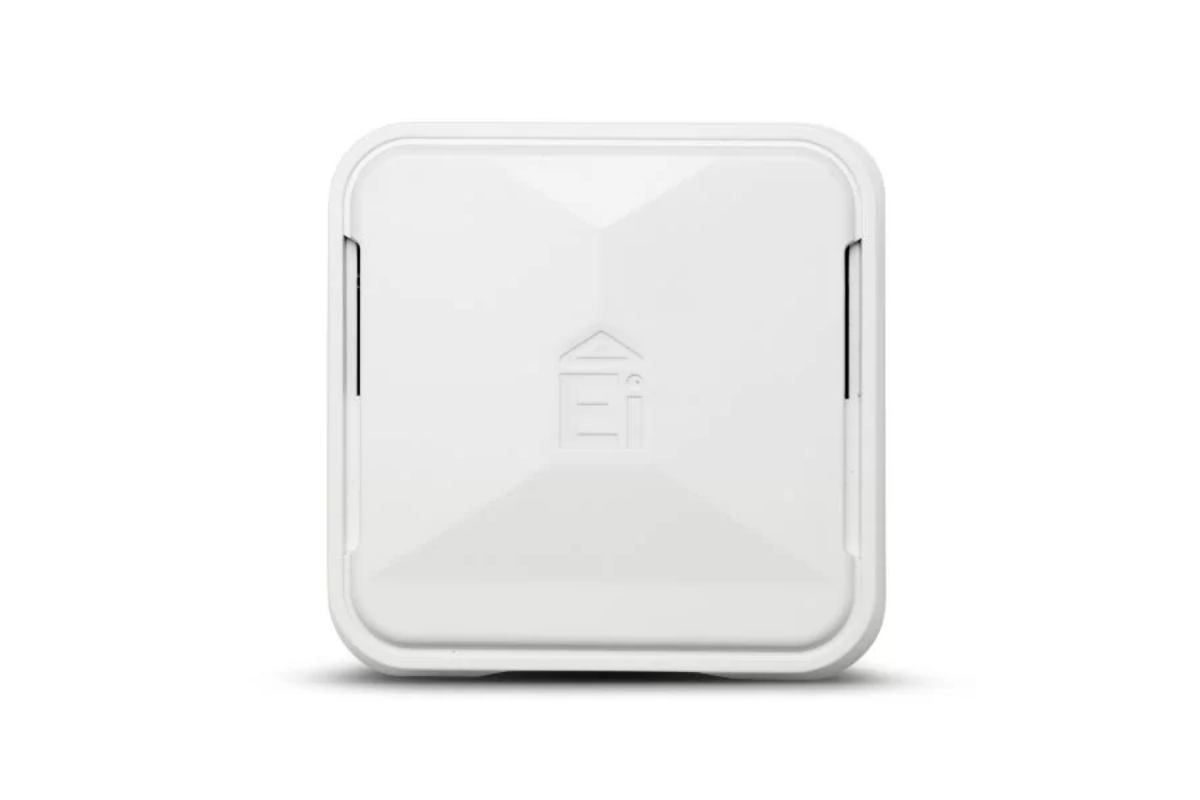
HomeLINK offers an efficient, preventative solution. Aico’s smart sensors continuously monitor indoor temperature, humidity, and CO2.
Through its dashboard, housing providers can identify high-risk properties at a glance, receive real-time hazard alerts, and conduct portfolio-wide risk assessments.
Residents are also provided with live temperature data, empowering them to take action when necessary.
By utilising these insights to prepare now, landlords can protect vulnerable residents and ensure full compliance before the new regulations take effect.
To learn more about HomeLINK technology, click here to visit the website.
For more from Aico, click here.