2 November 2026
Product of the Month: Amari Floodlight range by Aurora Lighting
 
24 November 2026
JTL celebrates opening of new Tyneside training centre
 
24 November 2026
LiGHT 26 welcomes record number of visitors to fifth event
 
23 November 2026
Advanced acquires communications specialist Baldwin Boxall
 
23 November 2026
Trades face 'skills squeeze' as apprenticeship demand soars
 

Latest News


Residents urged to 'be winter ready'
Coronavirus has changed many people’s circumstances this year, with the pandemic hitting some households in multiple ways - including enduring impacts on health and wealth. This is why the public should be 'winter ready'. Power cuts are rare these days, but for some, dealing with such an inconvenience at this difficult time, could be more worrying due to their personal circumstances, especially in winter. So UK Power Networks is urging residents to help spread the word about its free Priority Services Register so those eligible can receive free extra help during a power cut. The company wants to make sure that it can provide extra support in such circumstances, plus give people peace of mind that help will be there if needed. Staff can also put people in touch with experts offering advice on energy bills and energy saving tips, and people can even sign up on a temporary basis - such as after a bereavement, divorce, redundancy or hospital stay. UK Power Networks has improved the reliability of its local energy networks to 99.9% through significant investment, and on average, people now experience a power cut once in nearly three years compared to once every 18 months in 2010/11. However, some extreme conditions can damage cables and cause power cuts. That’s why UK Power Networks has collaborated with other utilities and the Energy Networks Association to launch the Be Winter Ready campaign. Giulia Privitera, social sustainability strategy and programme manager at UK Power Networks, says: “This winter the free services provided through our Priority Services Register will be more important than ever, and I would urge everyone to check if they or their friends and family are eligible to sign up. “The register also allows us to support people who may need extra help for a short period of time, for example if they are recovering from medical treatment. If your circumstances have changed due to Covid-19, you might be eligible for priority support this winter. “We are working with other utilities too, so that together we can provide our customers in vulnerable circumstances the best support and make a real difference during emergency situations.” To Be Winter Ready: Store the free emergency number 105 in your phone – in a power cut dial 105 for help and information. There are over 20 other ways to reach us too including twitter and whatsapp. Sign up to the Priority Service Register – To sign up for the Register please see ukpowernetworks.co.uk/priority, ring 105, or email psr@ukpowernetworks.co.uk. Those eligible include pensioners, anyone disabled or chronically sick, or with a long-term medical condition, with a child under five, with a hearing or visual impairment or additional communication needs. Plus people experiencing redundancy, recent bereavement or recovery from medical treatment may be able to register for a temporary period. Prepare your home – keep a torch and the 105 number handy Be aware – watch the weather forecast and, if you have a power cut please check on your neighbours and stay safe The company people pay their water bills to also offers free additional support to customers that need it, so it's a good idea to register with them too.

Survey: Signs of recovery despite looming uncertainty
More than two out of five businesses (43%) expect their turnover to fall by the end of Q4 2020, according to a new engineering services sector survey. The same survey also revealed that just under one in three businesses (30%) say they are not clear about the forthcoming business implications of Brexit. However, the survey highlights a significant shift towards recovery compared to Q2, when almost two thirds (60%) of businesses reported a drop in turnover during the first half of the year: nearly two thirds (64%) of businesses reported the same or increased turnover in Q3, with only one third (35%) reporting a decrease. Rob Driscoll, ECA director of legal and business says: “The engineering services sector typically feels the impact of economic downturns later than the rest of the economy, but the shockwave of coronavirus in Q2 was unprecedented for both demand and supply within the sector. We will likely be on the road to recovery for a while longer." “However, it is encouraging to see that, although there is much work to be done in the final sprint towards the Brexit transition deadline, the industry has shown great resilience and signs of recovery in the second half of a very tough year. This bodes well for 2021 which will reveal the true impact of Brexit, bear the financial impact of COVID-19 at year end, the culmination of claims and the challenges of changes to VAT, CIS and IR35.” Alan Wilson, Managing Director of SELECT, says: “These findings show that businesses are still understandably cautious about the recovery that lies ahead, and that finance continues to be an issue. Businesses have been forced to invest in new and unexpected areas to ensure ongoing protection against the impact of COVID-19 and will continue to spend this money well into 2021." “At the same time, productivity in many jobs remains low compared to pre-COVID rates, so it is vitally important to ensure that a proper pipeline of work is established to keep businesses running effectively. Payment is equally important, and it’s crucial that all monies owed are paid on time to help keep businesses trading.” Fiona Hodgson, Chief Executive of SNIPEF comments: “While the latest survey shows some positive news with most members having a successful Q3 in terms of turnover, there is a concern that this might change in the upcoming months. This along with rising costs and payment delays may prove to be a challenging time for members. As there is still confusion of how Brexit will affect businesses, we are urging members to be as prepared as they can be for any changes. We will continue to monitor the position and keep members updated.” Employment of agency workers and subcontractors rose for the first time since late 2019, with just under a fifth (17%) reporting increased use of agency workers or subcontractors – almost double the figure reported in Q2. Engineering services businesses continue to feel mounting cost pressures, with over half (51%) of survey respondents reporting an increase in material costs in Q3 compared to Q2. Looking ahead to 2021, three quarters (75%) of respondents expect the cost of electrical and electronic products to either stay the same or rise after the Brexit transition deadline of 31 December 2020. Getting paid on time continues to be a challenge for businesses. Despite public sector rules mandating payment within 30 days, less than half (41%) of direct contracts and just 27% of indirect contracts in the public sector were paid during this period.

GDPR rules still apply after January 1st- what small business' should know
Some uncertainty remains with businesses who deal with the EU on the provision relating to data after the end of the transition period on 31st December. The UK government stance is that GDPR is and will remain engrained in UK law during the transition period and into 2021. The EU is conducting a data adequacy assessment of the UK and if the EU grants positive adequacy decisions by 1 January 2021, it would mean that personal data can flow freely as it does now, without any action by organisations. With only weeks to go, the EU has yet to decide as to whether they accept that the UK’s data protection regime is still adequate. At this stage nothing much is changing, but it is essential - especially for small businesses - that they ensure their data protection procedures, and data transferring are up to date and compliant. For small businesses who have moved from a physical location to an ecommerce solution, they may not realise that some procedures when sharing customer data are not compliant with even UK data laws. James Tilbury, Managing Director at leading IT support company, ILUX comments: “We have been following all updates from the UK government for our clients and have been waiting to see how the EU will respond with their opinions on our current data standards. This will decide whether this will affect how we share data from 1st January 2021 and whether additional requirements will be put in place. But this is only for those who share data with EU countries. In the UK, things will not be changing and GDPR law remains ingrained in our data procedures.” As well as sharing customer data, businesses need to make sure that their cyber security is up to date. Cyber threats are not exclusive to larger companies and a data breach can be costly for a small business. James explains: “Earlier this year our research with homeworkers highlighted that 1 in 10 home workers did not feel that they were GDPR compliant working from home. A quarter also said that they felt their systems were inadequate to do their job. Having the adequate cyber defence software and hardware is essential, but more importantly it needs to be regularly updated to ensure if protects against the most recent threats. Employee training on best practice and familiarisation on the signs of an attack are also essential activities that should be undertaken on a regular basis. If a small business is unsure, it is always advisable to speak to a professional to understand the requirements of the business, and make sure this is communicated to all staff handling company equipment and information.”

Briggs & Forrester to make significant carbon saving
Briggs & Forrester have taken the next step in their journey to becoming a more sustainable business, reducing their environmental impact by switching to a green fleet provider, lowering the carbon footprint of the Group and employees. Lex Autolease have been selected as Briggs & Forrester’s partner of choice to provide a fully comprehensive service covering new company car and van ordering. By offering only Electric Vehicles, Plug-In Hybrid and traditional Hybrid vehicles to employees, this will significantly lower the Group’s Carbon Footprint. Briggs & Forrester are now able to offer the 'best available mix of manufacturers and vehicles to provide improved running costs and the added benefit of lower carbon emissions'. Dan Faulkner, Corporate Business Development Manager, Lex Autolease says : “We’ve seen many businesses explore the option of adding EVs to their policies in recent years – a move that will help reduce carbon footprint while also achieving significant cost reductions. The government’s recent announcement to bring forward the ban on ICE vehicles will no doubt fuel the switch for many. “2030 will come around particularly quickly for businesses with large fleets of traditionally-fuelled cars and vans. Briggs & Forrester were ahead of the game, and we’ve been able to work with them to develop a solution that ensures their drivers have access to green vehicles that suit their needs.” The CO2 emissions information of the vehicles on offer to Briggs & Forrester employees are provided in line with the recent focus of Worldwide Harmonised Light Vehicle Test Procedure (WLTP).  The Group will be making an initial saving of 1,702 tonnes of carbon per annum, which will improve year on year as the existing fleet is converted to electric, plug-in hybrid and traditional hybrid vehicles. Paul Burton, Group CEO comments: “We are proud to have partnered with Lex Autolease to offer our staff a wide range of electric and hybrid vehicles that will help to reduce our environmental impact. We have been working to improve our company fleet for some time and are proud that we have been able to launch this year. We have installed charging points at our head office with the aim to roll this out to our 10 regional offices across the UK.”

Launch of UK's first coordinated system to boost renewable energy
The South Coast Regional Development Programme is a collaboration between National Grid Electricity System Operator (ESO), National Grid Electricity Transmission (ET) and UK Power Networks. UK Power Networks is the first distribution network operator to use the system, which will be rolled out across other participating networks in 2021. The South Coast has one of the most dynamic electricity networks in Europe, with significant amounts of renewable energy generation, a nuclear power station and interconnecting cables to Europe. This makes managing electricity flows a complex challenge for transmission and distribution companies. The new system will directly connect the local network operator’s control room with the control room at the national system operator, giving them more visibility and control to keep the system balanced. The roll-out of the system will enable up to 600MW of distributed energy resources (DER) to be connected in the region, based on the scenarios originally considered in the Regional Development Plan’s design phase. Julian Leslie, head of networks at National Grid ESO, says, “The delivery of the first phase of this project is a significant step forward in coordinating the planning and operation between the ESO and DNOs. As we move towards net zero, it’s critical that we can all make best use of the zero carbon resources connected to electricity networks and joined-up functionality, as demonstrated through this project, will be vital to achieving that goal.” Building on this work, UK Power Networks and National Grid ESO are now developing the next stage of their Regional Development Programme in the South East. This will involve putting in place new commercial and technical arrangements to incentivise electricity generators to further support the national transmission system. UK Power Networks and National Grid ESO have been working alongside other networks through the Energy Network Association’s Open Networks project, to enable the solution they have developed to be rolled out nationwide. Randolph Brazier, director of innovation and electricity systems, at Energy Networks Association, which represents the UK and Ireland’s energy networks businesses concludes: “Smart technologies are challenging the traditional way we generate, consume and manage electricity. This collaboration between UK Power Networks and National Grid ESO will enable better planning and operation of the electricity networks. Network operators are focused on supporting the Prime Minister’s vision for climate action so this is an important step forward in the sort of collaboration that will be required to deliver the net zero energy system the public need.”

New occupational qualification structure for network infrastructure industry
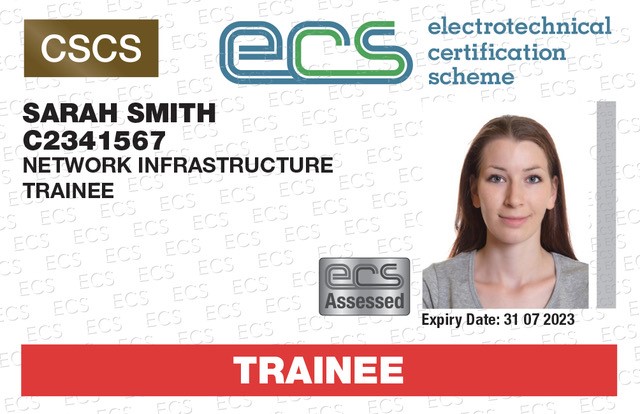
The Network Infrastructure industry’s new Occupational Qualification Structure leading to Electrotechnical Certification Scheme (ECS) Card recognition comes into play on 1 January 2021. From this date onwards, all new (initial) applications must comply with the Structure, and there are cards already available that recognise all levels of Network Infrastructure occupations, including Network Infrastructure Assistant, which includes the requirement for a Network Infrastructure Assessment, and Network Infrastructure Installer Gold Card. From 1 July 2021 all card renewals will also need to meet the requirements of the new Occupational Qualification Structure. The new Structure has been developed by an industry wide working group formed of the Electrical Contractors’ Association (ECA), the Joint Industry Board (JIB), SELECT, CNet Training and a large group of employers, and follows the launch of the Network Cable Installer Apprenticeship Standard. Setting the benchmark for new entrants to the market at Level 3, it crucially addresses the need to recognise professionals currently in the workforce that already benefit from hands-on experience, previous education and training and industry recognised qualifications. Jay Parmar, Chief Executive of the JIB, says: “The new pathway clarifies the differences in education, training and experience for those already in the industry, and sets out a route for those entering the network cabling infrastructure industry. The JIB is delighted to have been involved in what we believe will mark a significant upturn in professionalism and competency in the Network Infrastructure industry.” Martin Smith, International Lead – Network Infrastructure at CNet Training, comments: “The introduction of the Network Cable Installer Apprenticeship means that the long-awaited defined educational routes for both new starters and existing workforces are now in place. A formidable collective effort has gone into this new card Structure and its introduction will help to deliver the necessary skills and qualifications to lead the Network Infrastructure industry into a new era.”

BES expands team to manage growth
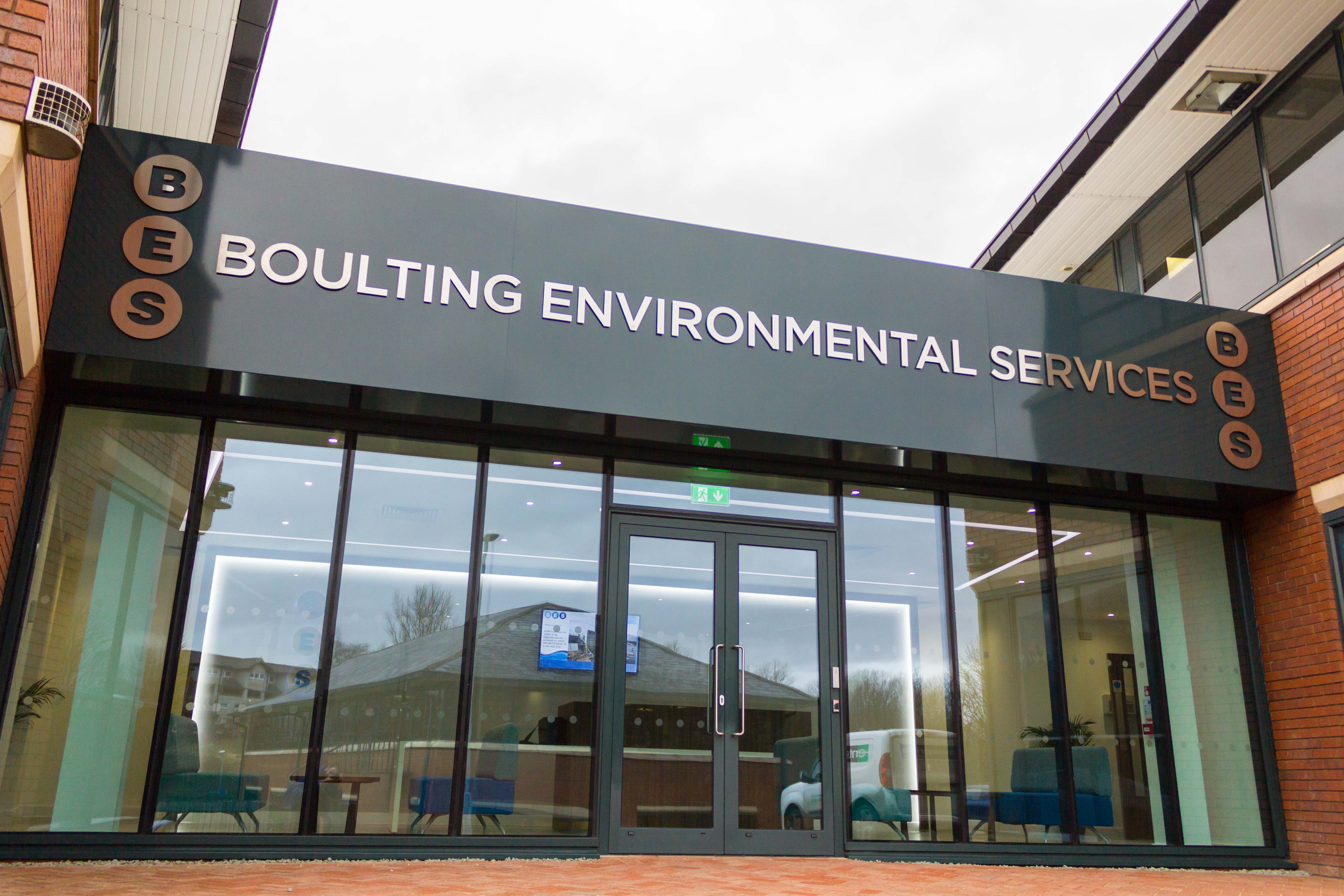
Following a period of sustained growth BES has increased its team by more than 30 in just the past six months. Based in Rochdale and Milton Keynes, BES has built a reputation for the design, construction, commissioning and validation of facilities for the pharmaceutical, healthcare and life sciences sectors. The company delivers project solutions to 'standards of quality and compliance' across the UK. BES’ recent expansion ensures the company can continue to provide the 'expertise and experience' required by customers in highly-regulated industries. It also prepares the company for further managed growth, ensuring the availability of the right skills, experience and collaborative approach on every project. Steve Marsh, managing director of BES explains: “Our technical expertise and the culture of our business are primary reasons why customers engage with us and why repeat business is so high. We have a full, multidisciplinary team and their collaborative approach combine perfectly to develop the fully-integrated solutions our clients require.” With the addition of more than 30 new recruits, BES now employs more than 150 people. New members of staff have been deployed across all parts of the business, including, architectural and building services design and BIM coordination, together with project management, construction management and project controls. Most notably, BES has appointed several process engineers and validation consultants to support a number of process-driven commissions. “Not only are we looking for excellence when we recruit,” Steve continues, “but also a good cultural fit. Consequently, recruitment is carefully planned, in advance of any specific needs. Our reputation helps us attract the best talent, enabling us to provide strong and experienced teams on all projects. As the business continues to grow, consistency of service is maintained thanks to our excellent staff retention record and hands-on senior team” The latest recruit is a trainee architectural technologist. The company has 'always been passionate about developing in-house talent', with several of its earliest apprentices now in senior roles within the business. Steve adds: “Our business goes from strength-to-strength and it is essential we bring in talent to enable the company to grow. In our experience, the most successful outcomes are achieved when we work collaboratively with our clients and, in addition to providing technical knowledge and construction expertise we are committed to building the culture of our team with intelligence at the top of the agenda. I am proud of our team here at BES and of the company we have built. With many exciting projects underway, I am delighted to welcome our new employees.”

Businesses boost mental health during pandemic
The vast majority of large electrotechnical and engineering services businesses now train staff as Mental Health First Aiders, according to a survey commissioned by engineering services trade body ECA. 24 of the largest ECA Members, with a combined turnover of several billion pounds, responded to the COVID-19 Impact survey, with 89% of businesses reporting that they had First Aiders. More widely, the survey showed growing sector engagement with mental health. Overall, 85% of companies had specific policies and procedures to support the wellbeing of their staff. Among the rest, around half reported they are developing specific policies. Only a minority stated the issue was covered by general support and awareness training for managers. In addition, 83% of businesses provided access to counselling services. Paul Reeve, ECA Director of CSR, says: “It’s widely understood that mental health is a significant issue across construction and engineering services. However, the pandemic has amplified the factors adversely affecting health. “These range from various causes of stress to increased isolation, poor diet and lack of exercise. Reflecting these increased challenges, the large contractors reported significant and increasing engagement with mental health issues.” Even so, 47% of respondents mentioned ‘communication’, and 41% ‘workplace stigma and perceptions’ as challenges to managing mental health. Around a third of respondents (35%) referred to the difficulty of measuring outcomes, both in terms of improved mental health and return on investment. ECA promotes mental health awareness in the workplace, and offers its Members discounted online First Aider and Awareness training. ECA members also have access to a wide range of health and welfare services through employee benefits provider ECIS.

81% of UK electricians aren't sure how to use social media effectively
Social media has transformed businesses in all industries, but despite helping many tradespeople get more work, a staggering 85% say they don’t know how to use it effectively. New research by IronmongeryDirect has explored how trade businesses currently use social media and how many are currently missing out on its benefits. Almost half (47%) of tradespeople say that having a social media presence helps them get more work, with Facebook being the main platform (22%). This is for several reasons, including the ability to build stronger client relationships (15%), get ahead of competitors (15%) and interact with community groups (22%). Such is the power of social media, one in six (16%) tradespeople believe it is now just as important, if not more, than traditional word of mouth. Because of this, 45% now actively advertise on at least one social platform and more than one in 10 (12%) use social media as their only form of marketing. However, despite recognising its importance, the vast majority of tradespeople say they are not using social media effectively. Nearly nine in 10 (85%) don’t know how to get the most out of it, with plumbers the least likely to maximise its potential (90%). Joiners are the most social savvy of all the trades, yet 79% still don’t know how best to use their channels to help their business. Electricians are just behind, at 81%. The trades most likely to get more work by using social media are: Builders – 66% Bricklayers – 53% Landscapers – 51% Painter/Decorators – 46% Electricians – 45% Plumbers – 45% Building Surveyors – 37% Carpenters – 33% Joiners – 33% Plasterers – 25% On average, female tradespeople dedicate the most time to social media promotion, with over half (51%) pursuing leads online, compared to just 41% of men. They are also more likely to ask customers to leave reviews online (28% vs 23%) and such digital feedback is growing in significance. Over 20 million business reviews are posted on Google every day and they can have a huge impact on a company’s performance. A recent study found that businesses with positive scores on review sites can earn up to 58% more revenue. Overall, a quarter (25%) of trade businesses ask for reviews and a similar amount (26%) believe that positive comments can directly lead to more custom. However, more than a fifth (21%) of tradespeople worry about receiving negative reviews and the impact that might have.

Electricians power through lockdown to boost earnings growth
The second national lockdown had no impact on earnings for self-employed electricians, according to one of the construction industry’s biggest payer of subcontractors. Hudson Contract says that average weekly pay had strengthened by 3.4% to £1,110 during the month of November. Ahead of the lockdown, ministers clarified that tradespeople could continue to enter homes. Ian Anfield, managing director of Hudson Contract, says: “Undoubtedly the clear guidance from government ensured that self-employed tradespeople could continue safely going about their business during the national lockdown. “Most of our construction clients are reporting a decent amount of activity and have already secured projects for next year. “The housebuilding sector remains buoyant with support measures due to continue into the first quarter of 2021 and the government is committed to new infrastructure spending.” Hudson Contract delivers the most accurate indication of pay trends across the sector, publishing the average pay for a spectrum of 17 different trades split across 10 regions in England and Wales. The family-owned group supplies statistics to the Bank of England to keep policymakers updated with real-time insights on demand for skilled labour.