2 November 2026
Product of the Month: Amari Floodlight range by Aurora Lighting
 
24 November 2026
JTL celebrates opening of new Tyneside training centre
 
24 November 2026
LiGHT 26 welcomes record number of visitors to fifth event
 
23 November 2026
Advanced acquires communications specialist Baldwin Boxall
 
23 November 2026
Trades face 'skills squeeze' as apprenticeship demand soars
 

Latest News


Test before touch – it’s not just PEN faults!
In recent years, there has been increasing concern in the industry regarding PEN faults - a specific type of network fault with potentially lethal consequences. While the rise in PEN faults is being acknowledged and investigated, it’s important to note that these are not the only way that hazardous situations, including Touch Voltage and Diverted Current flow, are created. In particular, there has been an increasing number of incidents where engineers have come into contact with live metallic parts (e.g., metal casings or equipment) during installation or maintenance activities. These contacts can and have led to fatalities. Touch Voltages and Diverted Currents Touch Voltages: This occurs when there is a fault in the system that results in no return path for current (i.e., due to a broken or disconnected earth or neutral, combined with other faulty wiring). As a result, metallic parts (such as a distribution board, boilers or control panel) that are connected to the electrical earth could be raised to a dangerous potential. Diverted Current: This is a more complex fault, where the current may flow through unintended paths (e.g., through earth or neutral conductors). Even though the circuit might appear to be functioning normally, diverted current can present serious dangers. Let’s have a look at a couple of potential scenarios you may come across… Scenario One: The fault is hidden, and the current appears to be flowing correctly in the system, as everything is working, but when measured, it is found that the current is flowing through earth conductors. This can be detected only by measuring multiple points across the earthing and neutral conductors in the installation, (current will always follow the path of least resistance). If not detected, disconnecting cables could break the return path and present a touch voltage hazard. Scenario Two: When we isolate a circuit and prove it dead, everything should measure as being at zero potential; however, where we have multiple cables under terminals within that isolated circuit, we may also have current still flowing through the return path or via the neutral, either through cross circuits or faulty wiring. If proper checks are not performed, engineers could potentially break these return paths when disconnecting cables, creating dangerous touch voltages in the system. Prevention Tip: Use a clamp meter to check current flow, especially when multiple cables are connected to the same terminal. This can help prevent introducing a new hazard when disconnecting cables. Kewtech’s KT5 open jaw current and voltage tester is an ideal safe isolation tool equipping you with non-contact voltage indication, single and two pole voltage indication and current measurement all-in-one. Issues with Current Safe Isolation Procedures: The current safe isolation procedures in place often do not specifically account for or test for touch voltages and diverted current. Even though the best industry practices for safe isolation and proving dead are followed, these two specific hazards are often overlooked. The proving dead process usually involves opening enclosures or testing electrical terminals to confirm that the equipment is not live. However, this step can be potentially lethal if there is already a touch voltage present. Test Before Touch – The Missing Step: The concept of ‘Test Before Touch’ is well-established and often taught to engineers. However, it’s usually focused on high-voltage equipment, and not before entering or touching low-voltage equipment like distribution boards, control panels, pipework, and appliance casings (e.g., boilers or motor casings). In practice, engineers may not always adhere to this guideline, especially when handling parts of the installation that seem to be disconnected or “dead.” They may neglect to check if there is a touch voltage or diverted current present. Testing Equipment for Hazard Detection: Non-contact voltage indicators (such as the KEWSTICK DUO) and single-pole voltage detectors Kewtech’s KT1700) are often used as tools to check for the presence of dangerous voltages, though these only give us an indication that a lethal voltage may be present. Crucially, in the case of a PEN fault or similar, all conductors may be at the same potential, so when measured using a two-pole BS EN  61243-3 voltage indicator, these tools might not effectively identify the risk. In such a scenario, a single-pole device would at least give us that potentially life-saving indication. Will our industry adapt? Industry guidance on safe isolation and proving dead circuits do not typically account for checking for these hidden hazards, as part of the safe isolation process. There is the urgent need therefore to improve safety standards and include testing protocols specifically for touch voltages and diverted current, as part of the standard safe isolation protocol. It is critical that electricians and engineers are equipped with the correct tools designed to detect these issues. The need for a BS EN 61243-3 voltage indicator and proving unit should be accompanied by a single pole detection device and an amp meter as a minimum. With this, it is essential that training programs ensure they are updated to include awareness of these risks and proper techniques to mitigate them. Summary The industry’s focus on PEN faults is undoubtedly important, however, it shouldn’t overshadow the fact that deadly electrical hazards like touch voltages and diverted current are present in many installations without PEN faults. These types of faults are often not checked during routine isolation procedures, leaving engineers at risk. By updating safety protocols, ensuring proper training, and using the right test equipment, these risks can be minimised, leading to safer practices in the field. And remember… Test Before Touch! Andrew Griffiths, GCS Doncaster, in conjunction with Kewtech For more from Kewtech, click here.

Lighting the way to a sustainable future
Phil Brown, Product and Marketing Director at NVC Lighting, discusses the benefits of embracing more sustainable business operations and the impact this can have when electrical contractors are tendering for contract work. As the UK's building and construction industry doubles down on sustainability targets, electrical contractors and engineers have a pivotal role to play - not just in helping clients meet environmental goals, but in transforming their own operations to stand out in an increasingly competitive tendering environment. The shift toward sustainability isn't just good for the planet - it’s also a smart business move. One of the most effective ways electrical contractors can contribute to greener building practices - while saving clients serious money - is through the installation of energy-efficient lighting. LED technology remains one of the most accessible and impactful solutions available today. By switching to LED lighting, commercial properties can cut energy consumption by up to 90%, translating into immediate cost savings and a quick return on investment. But the benefits don’t stop there. LEDs boast long operational lifespans, significantly reducing maintenance demands and replacement costs over time. For electrical contractors bidding on projects, offering LED lighting solutions, particularly when supported by robust performance and energy data, will position you as a future-focused partner capable of delivering both sustainability and bottom-line value. Beyond commercial LED lighting products, smart lighting systems also offer a powerful next step in sustainable electrical design. Controls such as occupancy sensors, daylight harvesting, and programmable dimmers help reduce unnecessary energy use, enhancing both efficiency and user experience. Layered lighting schemes - different zones or lighting 'scenes' that are used for different times or functions - can help further optimise energy use. These solutions ensure energy is consumed only when and where it’s needed, minimising waste while improving flexibility and comfort. Electrical contractors who understand how to work with facility managers and building performance teams to implement intelligent lighting systems will not only help projects achieve their environmental targets, but also gain a competitive edge in tenders, especially where sustainable building accreditations, like BREEAM, are part of the project scope. As the role of electricians evolves alongside smarter buildings and greener standards, keeping skills current is essential. Contractors looking to stay ahead should build competency in control protocols like DALI, Bluetooth and Zigbee, which are critical for integrating lighting with broader building management systems. In addition, a strong grasp of life cycle assessment (LCA) tools, Environmental Product Declarations (EPDs), and RoHS/REACH compliance ensures electricians can support clients in making informed decisions based on long-term environmental performance, not just upfront costs. Familiarity with eco-friendly materials, modular system design, and circular economy principles also plays into the growing demand for low-impact, adaptable electrical solutions. Contractors who bring these skills to the table signal to clients that they're ready to meet - and lead - the green building transition. Despite the opportunities, many lighting projects fall short of their sustainability potential due to a familiar issue: poor early-stage integration. One of the most common oversights in electrical projects is failing to align lighting design with a building’s overall performance objectives at the outset. The result of this can lead to over-specifying light levels, leading to unnecessary energy consumption, excess fittings, and underused lighting control systems. By engaging early and thinking long-term, contractors can create lighting solutions that are both high-performing and resource-efficient. This proactive approach doesn’t just benefit the building - it adds value to your role, showcasing your strategic thinking and strengthening your bid in any competitive tender. Being a sustainable electrician isn’t just about meeting compliance standards or ticking a CSR box. It’s about delivering smarter solutions, lowering lifetime costs, and building trust with increasingly sustainability-conscious clients. Contractors who embrace these principles and design philosophies now will future-proof their businesses, appeal to a broader client base, and open the door to higher-value contract opportunities - especially in public sector work where sustainability is no longer optional. As a leading supplier of commercial LED lighting solutions, NVC Lighting’s commitment to sustainability sits at the heart of our business. Through responsible recycling, sustainable packaging and proactive carbon management, we strive to create a greener future in all facets of our operations, including an extensive range of energy efficient and high-performance solutions. Certified by Carbon Neutral Britain and recognised by EcoVadis for sustainable practices, NVC Lighting has a net zero target of 2025, already achieving a 43% reduction in CO2 since 2022. For more from NVC Lighting, click here.

KNIPEX launches Twistor16 crimping tool
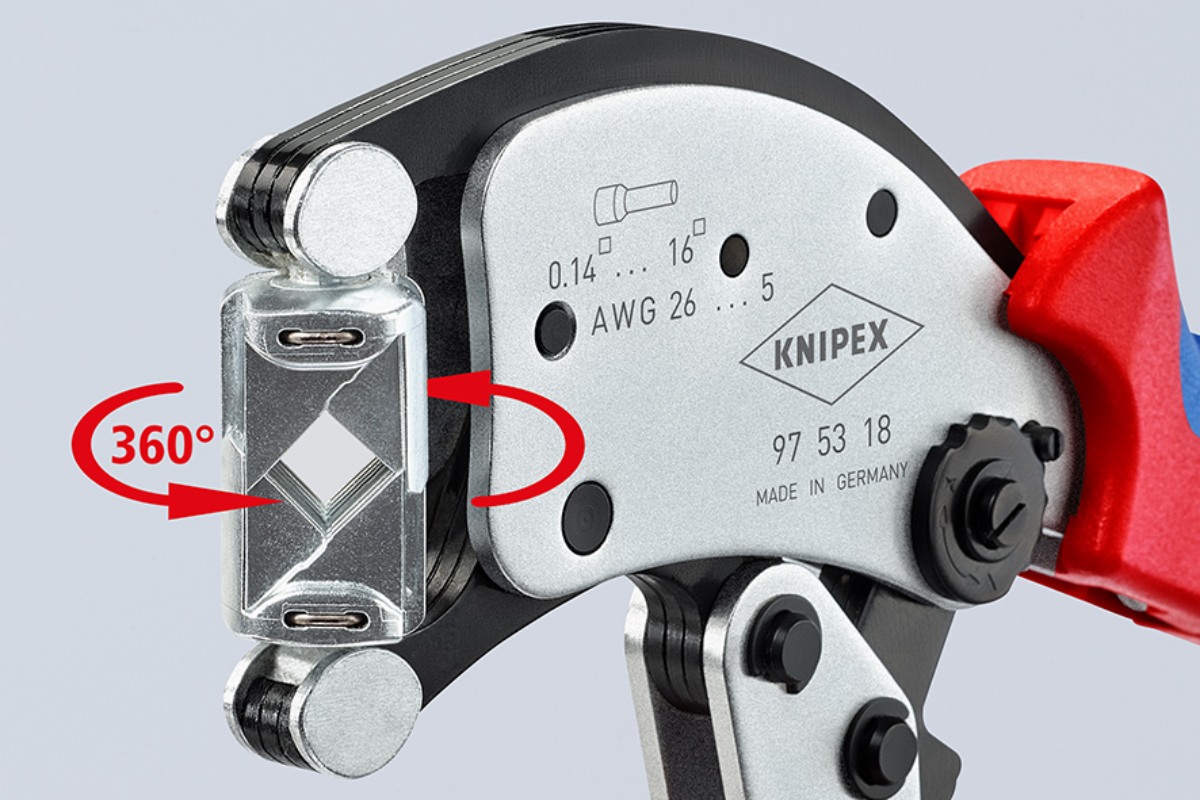
KNIPEX, a German manufacturer of professional hand tools, has introduced the Twistor16, a crimping tool designed for use in confined or hard-to-reach spaces. The tool features a 360-degree rotatable crimping die that locks into eight positions, allowing wire ferrules to be crimped from multiple angles without compromising on pressure or accuracy. Features and functionality The Twistor16 handles wire ferrules from 0.14 to 16mm² without the need for manual adjustment. Its square crimp profile automatically adapts to different cross-sections, and twin ferrules up to 2 x 6mm² can also be processed. An open crimp zone makes it possible to work with extra-long ferrules, accessible from both sides, and a slim crimp head enables easier access between conductors and inside cabinets. The tool uses a toggle lever mechanism to increase force transmission and reduce strain, while maintaining consistent crimping pressure. The pressure is factory pre-set but can be readjusted if required. [embed]https://www.youtube.com/watch?v=4qyqlqX_QT8[/embed] Weighing 478g, the Twistor16 is compact and designed for daily trade use, particularly in installations where space is restricted or access is awkward. For more from KNIPEX, click here.

Carhartt expands Rain Defender workwear range
American workwear company Carhartt has introduced its Rain Defender range of clothing and accessories, designed to provide water resistance for tradespeople and outdoor workers. The products use durable water repellent (DWR) technology to cause water to bead on the surface, offering protection against light rain without the weight of traditional waterproof clothing. The Rain Defender line includes sweatshirts, jackets, vests, and accessories, all intended to remain lightweight and breathable while withstanding daily use. Product features The Rain Defender Loose Fit Heavyweight Quarter-Zip Sweatshirt combines fleece material with a water-repellent finish. It includes a mock neck for warmth and a concealed security pocket inside the handwarmer pocket. For colder conditions, the Super Dux Relaxed Fit Insulated Traditional Coat features a nylon shell with Rain Defender, Rugged Flex for mobility, and Wind Fighter to reduce wind penetration. The coat includes quilt lining, a chin guard, and multiple pockets. The women’s Montana Relaxed Fit Insulated Jacket is made from Carstrong quilted nylon and includes synthetic insulation with a sherpa lining. It also features an adjustable drop-tail hem, storm flap, and secure pockets. Carhartt says the Rain Defender collection extends beyond outerwear, with options including vests, rucksacks, and tool belts. For more from Carhartt, click here.

CEF, Klein Tools release limited tape measure for charity
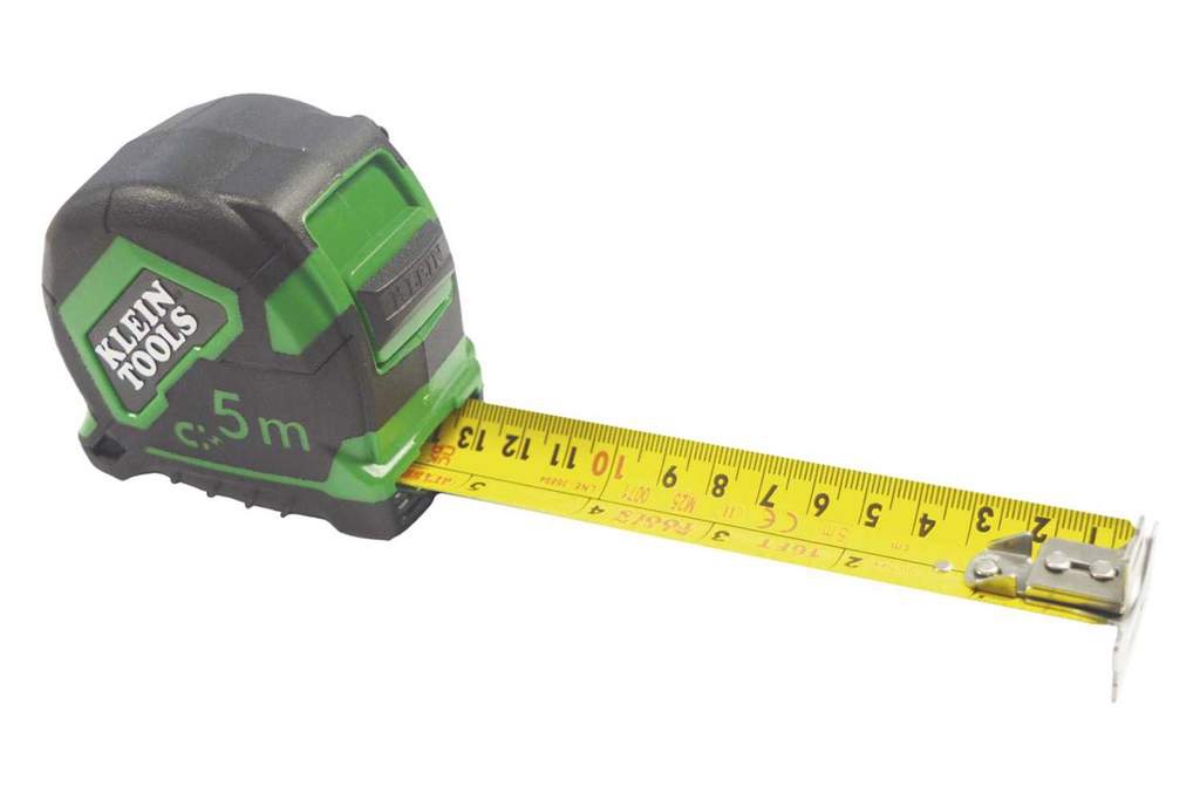
Electrical distributor CEF has partnered with Klein Tools to launch a limited edition five metre tape measure in support of Macmillan Cancer Support. For every unit sold, five pounds will be donated to Macmillan, with a fundraising target of £25,000 to help provide vital services for people living with cancer across the UK. Product features Designed with electricians in mind, the co-branded tape measure is intended to combine professional performance with a meaningful cause. Key features include a magnetic double hook for hands-free measuring, a heavy-duty nylon coated blade for durability, and a retraction brake for safe speed control. Additionally, it also offers a 4m standout, 3m drop protection, and a metal belt clip for everyday convenience. The campaign The launch builds on the success of previous fundraising campaigns, which raised £45,000 for Macmillan through previous CEF and Klein Tools’ co-branded products. This time around, the collaboration hopes to raise another £25,000, bringing the overall fundraising total to £70,000 in support of Macmillan’s work. Vanessa Molloy, Head of Sales & Marketing at Super Rod / Klein Tools UK, comments, “Macmillan Cancer Support is a charity that many trade professionals care deeply about, and we are proud to support CEF in combining professional tools with purpose.” Rebecca Fanning, Corporate Partnerships Manager at Macmillan Cancer Support, adds, “We’re incredibly grateful to CEF and Klein Tools for their continued support. Every tape measure sold is not only a donation, but also a powerful gesture of solidarity with people living with cancer.” Andrew Moseley, Commercial Director at CEF, says, “At CEF, we are proud to support causes that matter to our customers and colleagues. “Partnering with Klein Tools on this initiative allows us to provide a high-quality product for the trade and also make a meaningful contribution to Macmillan Cancer Support, a charity that touches so many lives.” The limited edition tape measure will be available from 1 September, exclusively through CEF, and customers can purchase it at any of CEF’s branches across the UK or on the company's website. For more from CEF, click here.

Breathing Buildings to showcase school ventilation
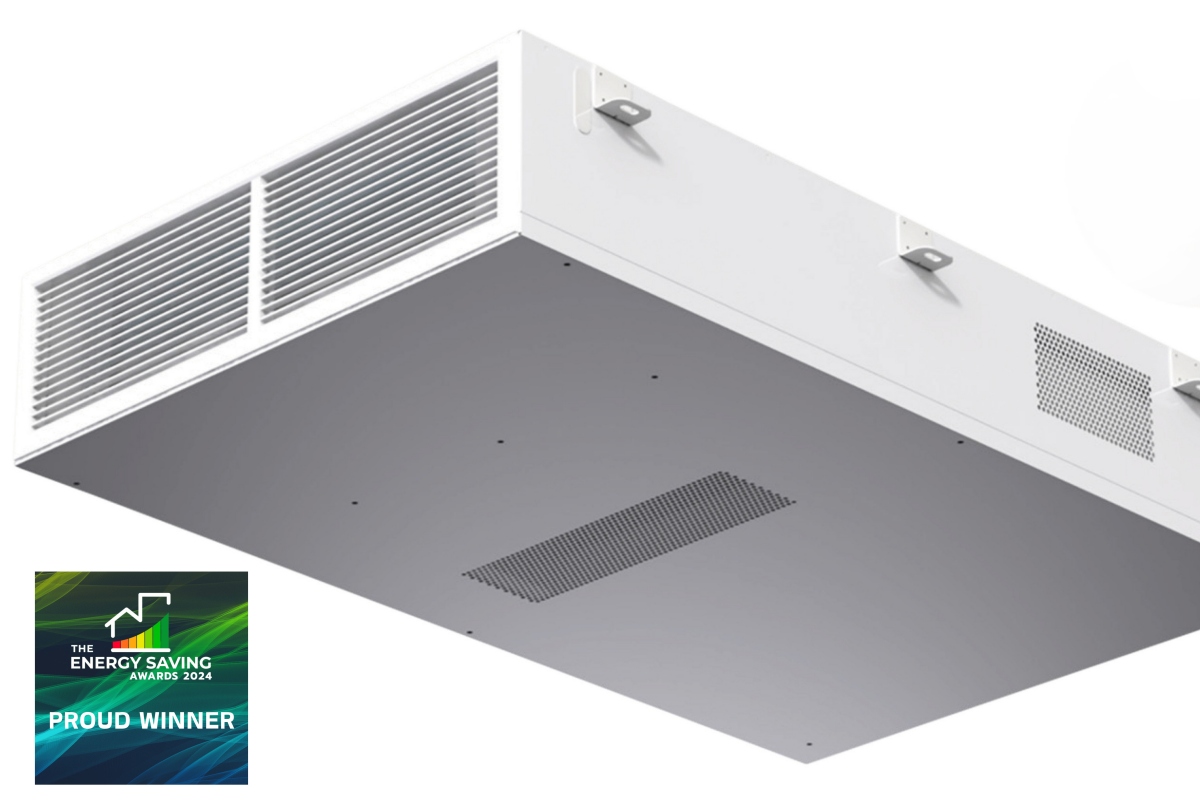
Breathing Buildings, a UK provider of controlled hybrid and natural ventilation systems, will present its full range of ventilation systems for schools, colleges, and universities at the Education Estates Exhibition and Conference, taking place at Manchester Central on 14–15 October 2025. The event combines a two-day conference with an exhibition focused on funding, design, construction, and management of educational infrastructure. The company’s stand will feature natural, hybrid, and mechanical ventilation systems designed to improve indoor air quality and energy efficiency across education estates. Ventilation and government funding The exhibition follows the Government’s Spending Review, which allocated £2.4 billion annually over the next four years to rebuild more than 500 schools, alongside further investment in school maintenance. Breathing Buildings says that with many schools looking to improve energy efficiency, the timing provides opportunities to integrate low-carbon ventilation into both new and refurbished buildings. Matthew Cooper, Business Development Director at Breathing Buildings, says, “Visitors to our stand will be able to learn more about our complete ventilation solution, as well as service and maintenance options for schools, and how we can help create a healthy and productive learning environment. "With the new Government funding, now is the ideal time for schools to invest in energy-efficient ventilation.” Hybrid and mechanical options The company’s Natural Ventilation with Heat Recycling (NVHR) range provides hybrid systems that combine natural and mechanical ventilation. These units recycle heat from within the building while maintaining airflow and comfort, making them suitable for retrofitting and spaces with high heat gains. An expanded version of the range, NVHRe, incorporates a low-resistance heat exchanger for both heat recycling and heat recovery. According to the company, the NVHRe achieves 46% heat recovery efficiency with a low specific fan power of 0.075 W/l/s. Models include heating and cooling options to suit different climates and building requirements. Breathing Buildings has also added the MVHRe mechanical ventilation range to support environments requiring consistent extraction or advanced filtration, such as gyms, libraries, or Air Quality Management Areas. With heat recovery efficiency of up to 93%, the system is intended to complement the company’s hybrid systems. Environmental assessment All ventilation units have been evaluated under the CIBSE TM65 methodology, allowing specifiers to assess embodied carbon and environmental impact. Breathing Buildings also provides design and modelling support, alongside on-site demonstrations and client services. Visitors to stand 208 will be able to see the full range of ventilation solutions and learn more about service and maintenance options. For more from Breathing Buildings, click here.

Swivelpole introduces global 10-year warranty
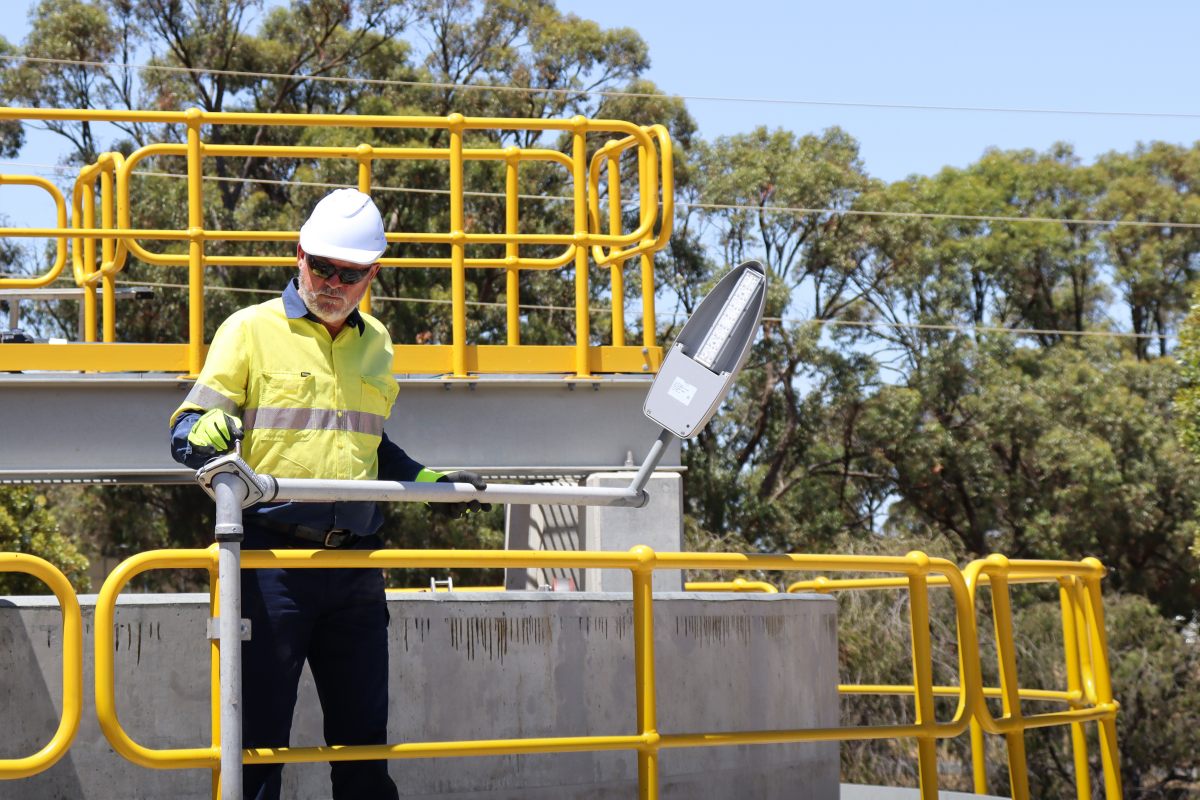
Swivelpole, a Canadian manufacturer of lowering pole systems, has announced a 10-year warranty across its standard Swivelpole range incorporating the Maxis joint. The warranty applies worldwide and covers industrial, commercial, and infrastructure applications. The company, which has more than 25 years of experience and over 500,000 installations globally, manufactures lowering pole systems designed to allow lighting and equipment to be safely brought down to walkway level for maintenance without the need for ladders, scaffolding, or lifts. Durability and safety focus Rob Pannekoek, Director at Swivelpole, says, “Our products are designed to perform in the toughest conditions, and we stand behind that with a decade of coverage. "This 10-year warranty demonstrates our long-term commitment to safety, innovation, and our customers’ success across every project lifecycle.” The warranty is available across all markets, with Swivelpole products used in sectors including energy, manufacturing, and mining in Asia, Australia, Europe, North America, and South America. All products are engineered and certified to meet international electrical and safety standards, including the International Electrotechnical Commission (IEC) and the National Electrical Code (NEC). They also carry CE, UKCA, and CSA conformity markings.

£15.6 million East Ham substation upgrade completed
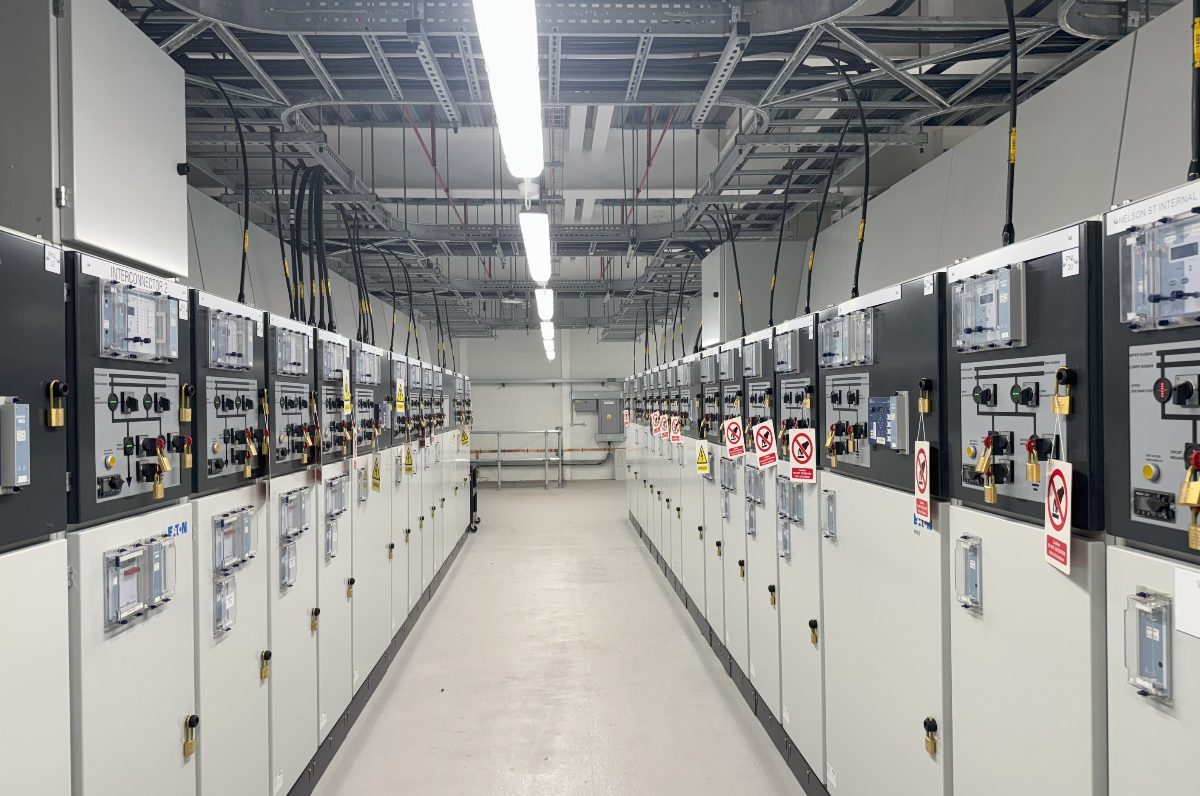
UK Power Networks has successfully completed a major £15.6 million infrastructure upgrade at Nelson Street substation, significantly enhancing the resilience and capacity of the electricity network in East London.   In partnership with Clancy, the project involved the installation and commissioning of three new 132kV 54-ton transformers and 11kV switchboard, replacing existing equipment with new kit and increasing the site’s firm capacity to meet growing demand. The upgrade doubles the total capacity of the substation for local residents.   With the project launched in 2020, the new substation has now been energised, marking a key milestone in the company’s ongoing investment in a smarter, more reliable energy network for thousands of residents in the East Ham and Barking area.   Throughout the works, UK Power Networks installed boardings around the site detailing the work being completed in English and in local languages including Urdu and Hindi to keep residents informed of the project.   Awaise Umar, Project Manager, UK Power Networks, says, "This £15.6 million investment is a pivotal step towards ensuring a more resilient and efficient energy network for East London.   “By integrating state-of-the-art equipment and increasing the site's firm capacity, we are not only addressing current demands but also future-proofing our infrastructure to support the region's growth and sustainability goals."   Tony Campbell, site manager, Clancy, said: “This upgrade demonstrates the power of effective partnership in strengthening vital community infrastructure. Working closely with UK Power Networks, our teams navigated complex engineering challenges and delivered enhanced capacity for East London. We’re proud to play a role in supporting the region’s ambitions for growth, sustainability and energy resilience.”   For more from UK Power Networks, click here.

Bank holidays drive job surge for engineers, data shows 
  UK engineers are facing heavy pressure around bank holidays as work slows sharply over long weekends, only to surge once sites reopen, according to figures from workforce management platform Joblogic. Industry-wide analysis shows job scheduling falls 49% during bank holidays, with completions down 54% as appointments are cancelled or postponed. But once the holiday ends, demand rebounds rapidly, with a 58% surge in jobs creating significant catch-up pressure. The data reveals sharp contrasts across trades, with some sectors using the downtime to clear backlogs, and others struggling to recover once work resumes. Electrical maintenance  Scheduled jobs drop 50% and completions fall 47% during bank holidays Attendance is 183% faster than the norm, making it the quickest response rate of all trades Post-holiday scheduling rises 46% and completions increase 16%     HVACR  Scheduled jobs drop 47% and completions fall 49% during bank holidays Attendance rate is 88% slower than average, the weakest of all sectors Once the break ends, scheduling rises 64% and completions jump 86%, the sharpest increase of any trade Plumbing, heating, and drainage  Scheduled jobs fall 40% and completions drop 57% during bank holidays Attendance rate is 120% slower than normal, putting pressure on engineers Post-holiday scheduling surges 78% and completions rise 63%, the largest scheduling increase of any sector Building maintenance  Scheduled jobs fall 10% during bank holidays, while completions rise 155% as crews take advantage of empty sites After the holiday, completions drop 61% and scheduling falls 19% Bank holiday tickets take 30 hours longer to complete than weekday jobs and 129 hours longer than weekend jobs Facilities management  Scheduled jobs decline 50% and completions fall 64% during bank holidays Attendance is 467% quicker than average response time, indicating strong prioritisation After the holiday, scheduling climbs 52% and completions surge 83% “Bank Holidays create a cycle of cancellations and surges that can overwhelm teams if they are unprepared,” says Paul Webb, Head of Learning Strategy & Customer Education at Joblogic. “Our data shows the same pattern every time: new jobs fall away during the long weekend, engineers focus on clearing backlogs, and then demand spikes sharply afterwards. “For many firms, this creates delays, SLA risks, and pressure on resources, especially if they don’t have the right systems in place to help manage the fluctuations.  “By anticipating these peaks and troughs, service businesses can get ahead by scheduling preventative work in advance, optimising engineer dispatch, and ultimately delivering faster, more reliable service when demand peaks. That’s exactly what Joblogic enables: turning what could be an industry-wide challenge into a competitive edge.”

Ritherdon develops passively safe roadside cabinet
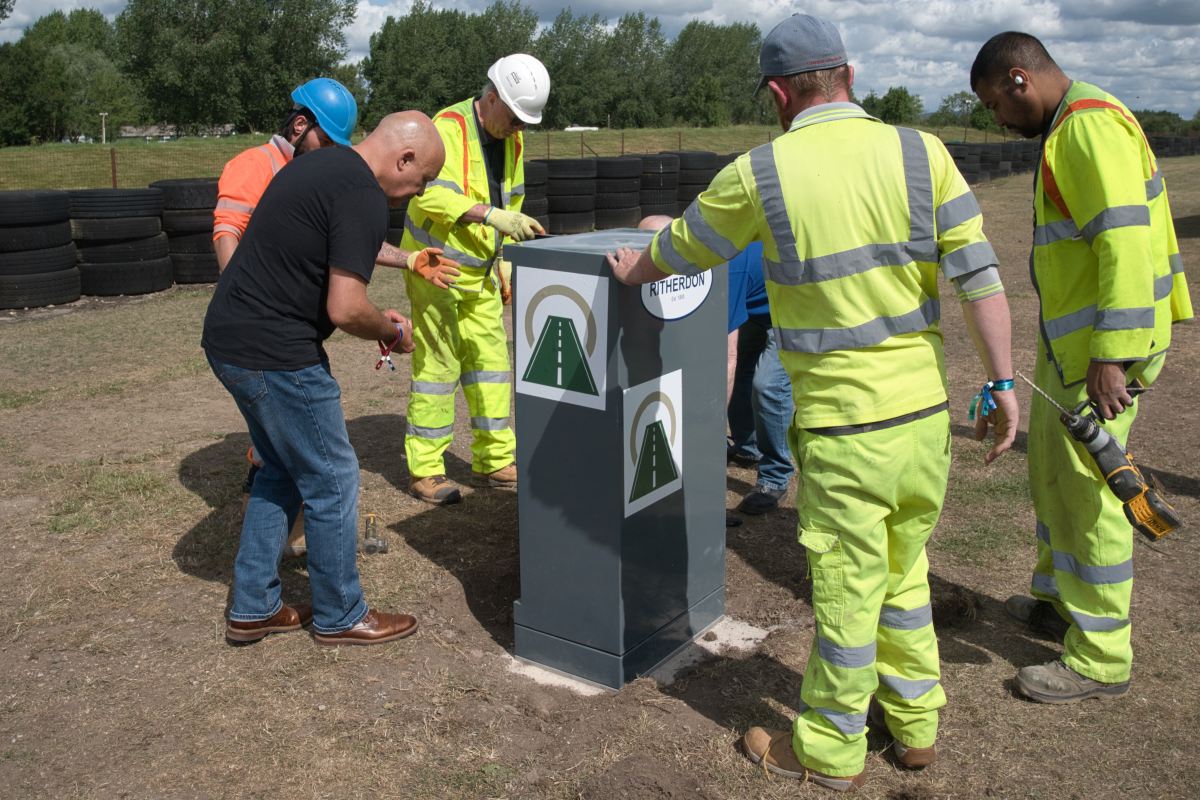
Ritherdon, a UK-based electrical enclosure manufacturer, has launched what it says is the first passively safe roadside cabinet. The cabinet is designed to shear off if struck by a vehicle, reducing the risk of injury to drivers and passengers, and removing the need for vehicle restraint systems (VRS) in certain locations. The Lancashire company says it has spent over a decade developing the design in collaboration with the University of Manchester’s School of Mechanical, Aeronautical, and Civil Engineering. The cabinet has been crash tested to European standard EN 12767 and uses a spacer base and breakaway bolts so that the main body detaches on impact. Design and applications Managing Director Ben Ritherdon explains that the product is not intended to replace all roadside cabinets but to offer an alternative for locations such as rural roads, where space or cost constraints make VRS installation impractical. He says, “The passively safe cabinet doesn’t need to be placed behind an expensive VRS and it doesn’t need to be set back from the road: drivers will be as protected as possible in the event of a collision. “It is also quicker and cheaper to replace than a standard cabinet and VRS if an accident occurs.” Ritherdon says the cabinets are manufactured from the same steel as its conventional models and are installed in the same way. The company has already sold more than 500 units, with interest from organisations installing roadside monitoring equipment where space is limited. Crash testing and demonstration Two crash demonstrations were conducted at the Institute of Traffic Accident Investigators’ Crash Day 2025 in Derbyshire. At one test, a remote-controlled vehicle travelling at 56mph struck a passively safe cabinet, which detached from its base as intended and caused only minor damage to the car. A subsequent test using a standard roadside cabinet saw the car roll and overturn, underlining the potential benefits of the passively safe design. Ritherdon says the cabinets can reduce installation footprints and allow roadside equipment to be located closer to the point of use without the need for bulky protective barriers. For more from Ritherdon, click here.