2 November 2026
Product of the Month: Amari Floodlight range by Aurora Lighting
 
24 November 2026
JTL celebrates opening of new Tyneside training centre
 
24 November 2026
LiGHT 26 welcomes record number of visitors to fifth event
 
23 November 2026
Advanced acquires communications specialist Baldwin Boxall
 
23 November 2026
Trades face 'skills squeeze' as apprenticeship demand soars
 

Latest News


Aico hosts Community Awards 2024 to Celebrate Local Excellence
Aico’s bi-annual Community Awards celebrates excellence within the social housing industry and local community. On Thursday 18 April, 400 guests and finalists took to Birmingham’s International Convention Centre to honour the outstanding work of individuals and organisations across the UK. In support of the Electrical Industries Charity (EIC), this year, Aico curated 13 categories providing entrants with the opportunity to showcase inspirational colleagues, projects and innovations. The categories were judged by Neal Hooper, Managing Director of Aico; Lesley Baird, Participation Expert; James Prestwich, Director of Policy for the Chartered Institute of Housing; and Khadra Ibrahim, Careers and Community Development Lead for RBKC Housing Management. The first award of the evening, Collaborative Partnership, was presented to Jewson Partnership Solutions, for its partnership with YouthBuild Ventures UK to establish YouthBuilders, a construction company aimed at empowering YouthBuild graduates with practical skills, employment, and a living wage. Warrington & Vale Royal College’s Business Centre developed an Employer Engagement Strategy to improve its curriculum offer to align with the skills needed in the sector. The strategy was honoured with the College Initiative of the Year award. Corporate Social Responsibility Initiative was awarded to Equans for its Equans Expert initiative. This initiative delivers informative workshop sessions covering aspects of business such as marketing, design, cyber-security, and HR, giving individuals the confidence and skills to benefit others. Lightning Solutions Electrical Services took the award for Electrical Contractor of the Year. The Welsh company has been trading for over 10 years and is continuously going above and beyond to ensure high standards for its customers. The next award to be presented was Resident Engagement, which celebrated St. Leger Homes and its variety of programmes which educate and create discussions between tenants and residents. Georgina Homer of Wolverhampton Homes, then took to the stage to claim the Woman in Fire Safety award. Georgina’s passion for resident engagement, dedication, and engaging personality are all assets to Wolverhampton Homes. Georgina commented, “I am thrilled to win this award, and incredibly humbled. I’m at a point in my career where I have chosen to make a career change, and this is part of the representation that I’ve made the right choice.” The winner of Neighbourhood Transformation was Bassetlaw District Council, for its outstanding work modernising its Independent Living Scheme portfolio. Bassetlaw aims to improve the overall living experience for residents, improve energy efficiency, and make better use of external spaces. Florentina Dita has exhibited powerful leadership at PiLON. Leading the creation and implementation of their core values, and taking ownership of their social value initiatives has awarded Florentina the Rising Star award. The Community Awards recognised Alexa Scrivener as Inspirational Colleague of the Year, for her commendable achievements as a role model, and her exceptional tenant engagement at Stirling Council. The winner of the Sustainability Project of the Year award was presented to Moat Homes on behalf of its Social Housing Decarbonisation Fund, in which it has leveraged cutting-edge technology to significantly improve the energy efficiency of 613 homes. Professor Paddy Gray of Connswater received the Lifetime Achievement award. Paddy has an abundance of experience in the housing sector, starting in 1981 when he was recruited to the Northern Ireland Housing Executive, and has since led thirty housing action area teams in Belfast. The Best Distributor Community Initiative was awarded to Service Electrical Distributors, who with the Sovini group, is supporting communities with local requirements, women’s refuges, armed forces support, substance recovery and sports clubs. Finally, the new award for 2024, Aico’s Apprentice of the Year was presented to Cole Galligan from Loughborough College and Raylec Electrical, for his professionalism and dedication towards his apprenticeship. The event raised over £9,000 for the EIC, with Aico matching the donation, resulting in a total contribution of £18,000. For more from Aico, please click here.

Ohme encourages van fleets to go electric to reduce costs
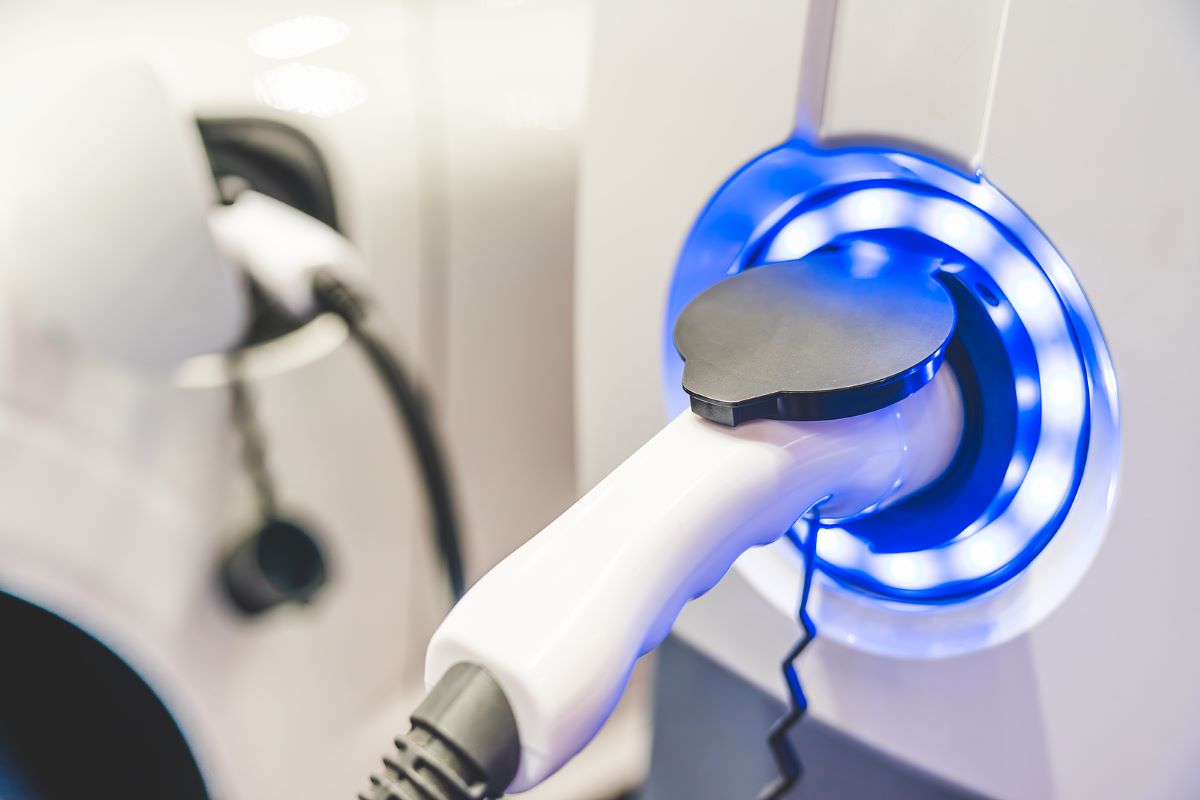
With the Commercial Vehicle Show at the NEC Birmingham next week, Ohme is encouraging more fleets to go electric to help reduce their costs. With van sales enjoying bumper sales in March and sales of new electric vans up 14.7% compared to 2023, the choices of electric van on the market are growing ever larger. But those fleet managers thinking of switching their van fleets to electric also need to consider the wider potential benefits of providing their drivers with home chargers too. “Many van fleets have been slower to make the switch across to EVs compared to car fleets. A switch to electric will equal substantial savings for any fleet manager and fitting chargers to the homes of their drivers will increase those still further,” says Ohme Director, Peter McDonald. “Charging at home will always be the cheapest option all round. First, the price per kWh of the current domestic standard variable tariff is less than half a typical rapid charging public charger. Second, if the driver knows they can charge at home, they won’t have to hunt for a public charging station, so it adds valuable time to their day. The savings in employee time alone could potentially be even greater than the charging savings. With the average UK driver covering 6,800 miles a year, smart charging on an off-peak tariff in a typical EV would cost just £170 for a year’s worth of driving with Intelligent Octopus Go at 7.5p/kWh. With the new Standard Variable Tariff of 24.5p/kWh, that same annual mileage would cost £555. By comparison, the same mileage in an equivalent van would cost a driver more than £1,100. Ohme’s dynamic smart chargers can connect with the grid in real time, automatically adjusting to optimise the cost of charging and accessing all the times of the smartest, greenest and lowest cost energy tariffs. Ohme also offers drivers the option to charge their car when renewable energy generation on the National Grid is at its highest, further lowering their CO2 impact.

SPARKS Female Skills Competition 2024 winner announced!
Charlotte Bobbett from Yeovil College has been crowned the winner of the SPARKS Female Skills Competition 2024. The grand final took place on 18 April at Stephenson College, Coalville, where Charlotte showcased her exceptional skills. The runner-up spot was claimed by Anne Greaves from Leicester College. Charlotte expressed her joy upon winning: "It feels like a dream! I didn’t expect to win the regionals, let alone be announced as the winner at the finals. I’ve also made some genuine friends. Friendship and community are the biggest takeaways for me. I’d recommend this competition to anyone considering entering. Just go for it! The sky’s the limit!" The competition kicked off in February, attracting Level 2 and 3 learners in electrical installation from across the UK to three different regional locations. The panel of judges, under the leadership of Head Judge, Darren Oates, from National Electrotechnical Training (NET), meticulously evaluated the competitors' work to select six finalists for the climactic showdown this week. Zoë Tanner, Managing Director at SPARKS, comments, “The remarkable talent showcased at this year’s final was truly inspiring. The dedication and level of skill these women displayed, along with the industry support witnessed at the event, is a testament to the growing inclusivity within our trade. Congratulations to all the contestants, and especially to Charlotte on her incredible win!”  This year’s competition was backed by key industry leaders, including Megger as the Headline Sponsor, alongside Aico, Electric Center, The IET, Milwaukee, Schneider Electric, Prysmian, Snickers Workwear, Fix Radio, and National Electrotechnical Training (NET).

Tradespeople slapped with 3.5 million parking fines costing £177 million
Tradespeople have been issued with an estimated 3.5 million parking fines costing them approximately £177 million in the past year, according to new research from Direct Line. Tradespeople often need to access or unload heavy tools, equipment and materials required for a job onsite but finding a place to legally park or unload close by is not always possible, especially in urban areas where numerous parking and unloading restrictions apply. More than half (55%) of tradespeople say they face a weekly struggle to park at or close to the site (54%) where they are working. Daily parking charges, particularly in city centres, are so expensive that a third of tradespeople (34%) say that it can be cheaper to risk a parking ticket than to pay for parking. Penalty Charge Notices (PCNs), or parking fines, can be anywhere between £50 and £70 each outside London, and up to £160 in the capital, but are normally halved if paid within 14 days. However, parking illegally can be quite a gamble as two-thirds (61%) of tradespeople have been clamped or towed whilst on the job. Many local authorities offer tradespeople discretionary parking permits so that they can avoid unnecessary parking charges, but just 13% of tradespeople find getting trade parking permits through a council a quick and simple process. The options available and application processes vary greatly by council. Some offer annual permits, while others offer a discretionary number of single day permits for specific locations or a set number of hours. The many options can be confusing, particularly for those working across a wide area, needing permits from multiple councils. Where parking restrictions apply, tradespeople will usually expect the client to provide parking permits (39%), pay for their parking (25%), or factor it into their pricing (17%). Alison Traboulsi, Product Manager at Direct Line Business Insurance, says, “Parking is a regular battle for many tradespeople. Navigating a multitude of different parking controls and council permits can be complicated, so it is not surprising that many tradespeople are hit with parking fines, clamping, or being towed. Some will say it’s part and parcel of the trade but with an estimated 3.5 million fines issued in the past year, these parking battles are costing tradespeople across the country millions of pounds.” To help tradespeople deal with the challenges that come with the job, including appealing parking fines, Direct Line Business Insurance policies come with Legal Essentials, a service provided by DAS Legal Expenses Insurance, which provides unlimited access to a team of legal advisors, who are available 24 hours a day, seven days a week, all year round in England and Wales. For uncommon and certain country-specific areas of law, you’ll be referred to specialist advisors available Monday to Friday from 9am-5pm.”

Lease Van offers top five tips for lowering van insurance
As part of their quest to help van drivers lower their insurance as a response to premiums rising by over 15% for commercial van users, experts at Lease Van have come up with five top tips to help drivers reduce their costs with minimal time or effort. The five tips to lower your van insurance are as follows: 1. Review who is on the insurance policy Review who is added to the insurance policy to potentially lower your premiums. Young or inexperienced drivers can increase the insurance as they are deemed more of a risk. Motorists with a poor claims history will also make the policy more expensive. 2. Join a trade federation Some insurance providers will offer a discount to those who are a member of a trade federation. It’s important to check which companies offer this benefit before signing up and getting an insurance quote. 3. Advertise your business Having signwriting on your van advertising your business will deter thieves from stealing the vehicle, as it will be harder to sell on. However, before getting any signwriting, check with your insurance provider and the DVLA to check it isn’t considered a modification, as this could increase the premiums on your policy. 4. Increase van security Insurers will likely lower the costs of your policy if the van has extra security measures which will help to protect the vehicle. Make sure your van is more secure by installing alarms, a steering wheel lock, vehicle trackers and immobilisers. 5. Downsize your van Downsizing your van could decrease the cost of your insurance policy as the vehicle will be classed as lower risk. Check you’re driving the right size van for your business and ensure it is suitable for your needs, and use a smaller vehicle if possible. Tim Alcock from Lease Van says, “Vehicle insurance is rising for everyone right now, so many of us are looking for ways to make the price more affordable. There are several things you can do with little effort to decrease your van insurance costs - such as taking off young or inexperienced drivers from the policy. “Joining a trade federation may also give you a discount when getting an insurance quote, while installing security measures such as alarms, steering wheel locks, immobilisers and vehicle trackers will also help to lower costs. Van drivers should also check their advertising isn’t classed as a modification, and consider downsizing vehicles to be given a cheaper insurance policy.” For more from Lease Van, click here for their top five tips for tool maintenance.

SyncEV reacts to Workplace Charging Scheme changes
Last month, the UK Government announced changes for the Workplace Charging Scheme that will allow for more EV Charging funding for schools and educational institutions. New grants mean that state-funded schools, colleges, nurseries, and academies can now increase their EV charging facilities with up to 40 charging points covered in the scheme. The Department for Transport will be funding the scheme as part of the Workplace Charging Scheme, providing up to 75% of the cost to buy and install charge points. Schools and state-funded educational facilities will be able to claim up to £2,500 per socket, when previously they were only allowed funds up to £350. “This new grant from the Government for educational facilities is a step in the right direction”, comments Cris Chapman, Managing Director for SyncEV. “We should be encouraging the public sector to provide EV charging points for their staff, company, and the wider public so that more people can then feel confident in purchasing an electric vehicle, knowing the infrastructure is available for them. “SyncEV has always been at the forefront of the EV industry and is continuing to innovate EV charger technology to be more sustainable and support the UK on its journey to net zero by 2050.” Packed with smart technology, SyncEV charging stations are small, customisable, and easy to install, the company states. They are compatible with all electric and hybrid plug-in vehicles and can charge faster than a conventional electrical socket, providing enough power for cars, vans and school buses in combination with the UK power grid. Cris continues, “Choosing SyncEV chargers for your educational institution means you are safe in the knowledge that all chargers are fitted by a registered installer, come with fixed setup and comprehensive support, as well as a three-year warranty for peace of mind. Our smart EV charging technology means that our chargers are connected to the internet so the devices can be updated with new firmware and software as new technologies are released into the market. “It factors in the ability to utilise renewable energy sources, integrate with times of use and economy tariffs, and can also balance the power demand with your building supply, ensuring you can charge quickly and safely without interrupting normal building use.” SyncEV chargers are available to purchase from local electrical wholesalers.

Heat pump and battery storage installations lead the charge in 2024
MCS, a standards organisation that creates and maintains standards that allows for the certification of products, installers and their installations, has released its first installation figures of the year via its MCS data dashboard - a service which provides near-real-time dynamic visualisations of the uptake of small-scale renewable technologies across the UK. Commenting on the latest installation figures shared via the data dashboard, which highlights trends for January to March 2024, Ian Rippin, CEO at MCS, states: “The latest data shows the heat pump market continues to go from strength to strength. There were 4,508 certified heat pump installations in March alone, making it the second-best month in the Scheme’s history. Looking at the first quarter as a whole, we’ve seen a 30% increase in average monthly heat pump installations compared with 2023 – which was the best year ever for the technology. “This shows that homeowner confidence in renewable heating is growing, and as more consumers take advantage of government initiatives – such as the Boiler Upgrade Scheme, ECO4, Home Energy Scotland, VAT reduction on battery storage, and many more – expect to keep seeing these high numbers. “The data also shows that battery storage installations are on the rise, with March exceeding 1,000 installations for just the second month ever and marking a 707% increase on the total for March 2023. As consumers become more aware of the benefits of installing battery storage alongside solar PV (both for lowering energy bills and for selling surplus electricity back to the grid), this is a technology that is going to become increasingly commonplace. “Finally, March also saw the Isle of Anglesey become the fourth local authority to exceed a 20% uptake in renewables. It means that one in five households now have an MCS installation on the island, putting it alongside Orkney (28%), Western Isles (25%) and Ceredigion (23%) as the regions with the highest proportion of homegrown energy.” For near-real-time dynamic visualisations of the uptake of small-scale renewable technologies across the UK, view the MCS Data Dashboard here. For more from MCS, click here.

Lease Van provides top five tips for tool maintenance
Lease Van, a company offering affordable and flexible van leasing deals, has named the five things all tradespeople should do to maintain tools and increase their lifespan. After a long day on the job, it may be tempting to skip tool maintenance, but taking care of them ensures projects run smoothly, safely, and to a high standard. Many tradespeople rely on hand tools such as wrenches, hammers and screwdrivers for essential daily tasks, making them indispensable for roles in various trades. As a result, properly storing tools in a clean and dry environment will prevent damage, decrease the chance of rust developing and help keep them in good condition. Here are Lease Van's top five tips for proper tool maintenance: 1. Storage Proper storage will prevent rust and damage, so it is important to keep tools in a clean and dry environment. Invest in shelving, racks and organisers, avoid storing them on the ground, and take steps to protect them from the elements. 2. Lubrication Lubricating tools and equipment will decrease the chances of rust developing and keep the overall mechanics running smoothly. In the long run, it will reduce the chance of friction, wear, and unexpected maintenance costs. Be sure to check lubrication recommendations from the manufacturer, as they could need oils, fluids or greases to ensure optimal performance. 3. Sharpening Regularly sharpening tools, especially those needed for cutting, will prolong their life and stop unnecessary strain. Blunt tools are more likely to break when used, and sharpening will reduce the amount of money spent on replacing blades. 4. Cleaning Tools should be wiped down and cleaned every time they are used, as a job should never start with dirty tools. Not only this, cleaning equipment after each shift will ensure optimal tool maintenance by getting rid of substances which could be corroding or damaging them. It will also help to enhance safety, improve results and cut costs in the long run. 5. Damage inspections Regular inspections for damage to tools will not only prevent accidents and reduce errors, but also prevent further damage and the need for full replacements. Common concerns to look out for include rust, wear or cracks, and spotting this early will help identify potential problems before they occur. Tim Alcock, Motoring Expert at Lease Van, comments, “Properly maintaining tools will save tradespeople time and money in the long run. Simple steps like regularly cleaning and sharpening tools will help to increase their lifespan and prevent small issues from becoming major problems. “Taking the time to check for tool damage regularly will also help to identify potential problems before they occur and cut costs off a full replacement.”

Electrification X launched to transform electrification infrastructure
Siemens Smart Infrastructure has launched Electrification X, a highly scalable Internet of Things (IoT) SaaS offering to transform electrification infrastructure. Electrification X is the latest SaaS and IoT portfolio of Siemens Xcelerator, developed by Siemens Smart Infrastructure. Building X, the scalable and digital building platform, was the inaugural offering introduced in 2022 as part of Siemens Xcelerator. Following that, Gridscale X, Siemens' advanced grid management software, was announced in February 2024. Electrification X now completes the trio, further expanding Siemens' commitment to innovative technology in the electrification sector. Built on highly scalable cloud services, Electrification X is designed to manage, optimise and automate the challenged electrification infrastructure of commercial, industrial and utility customers, improving efficiency and performance while reducing costs and CO2 emissions. “Our vision is to make our world more sustainable by driving the electrification of everything,” says Matthias Rebellius, Managing Board Member of Siemens AG and CEO of Smart Infrastructure. “Digitalisation sits at the heart of enabling that vision, and with the addition of Electrification X to the Siemens Xcelerator portfolio, we are making it easier than ever before for companies to digitally transform their electrification infrastructure, faster and at scale.” As a part of Siemens Xcelerator, an open digital business platform to accelerate digital transformation and value creation, Electrification X software is developed with the core design principles of interoperability, flexibility, openness, and availability as a service - along with high levels of cybersecurity. At launch, the Electrification X offering comprises Load Management, Network Fault Management, Asset Management, Sustainability Energy Management, and OT Companion. Combining the real world with the digital worlds, these applications will help renewable generators, transmission system operators (TSOs), distribution system operators (DSOs), industries and infrastructure customers to improve productivity, reliability, asset utilisation, energy efficiency, and sustainable innovation. Siemens has also announced the first Electrification X pilot customer as Aral AG, a subsidiary of the BP Group. Aral will use Electrification X Load Management to manage its EV charging stations in Germany and Austria. With the expansion of the public charging infrastructure an essential requirement for the acceleration of electric mobility, Electrification X Load Management provides Aral transparency into its EV charging network status and load, alongside EV charging station remote control and dynamic load management. Electrification X offerings from Siemens will be showcased for the very first time at its booth in Hall 9 at Hannover Messe from 22 – 26 April. For more from Siemens, click here.

NICEIC calls for trades to come together to lead retrofit revolution
Amid increased focus on the challenge of improving the energy efficiency of the UK’s housing stock, NICEIC is calling on all trades to come together to enable the meaningful collaboration and innovation needed to solve the great retrofit challenge. According to the Energy Saving Trust, the UK’s 30 million homes account for more than 21% of the country’s total carbon emissions. Yet to achieve its legally binding climate change targets, the UK must ensure the near-complete elimination of carbon emissions from UK buildings. This means rising to the challenge of adapting existing stock to improve energy efficiency; and reducing carbon emissions must be prioritised if the UK is to keep 2050 net zero goals in sight. To achieve net zero targets, the UK must ensure all homes reach an Energy Performance Certificate (EPC) rating of ‘C’ or above by 2035. At present, however, 19 million homes currently fall within band ‘D’ or below. NICEIC Technical Director, Paul Collins, comments, “It’s widely documented that most UK homes are unfit for the challenges of climate change. According to one recent study, in fact, our houses are amongst the least energy efficient in Europe and lose heat up to three times faster than those on the continent. Tackling this by retrofitting low carbon measures and technologies is not only a net zero imperative, but crucial to helping households reduce their energy costs. “With a variety of heating incentives and grants available such as the Boiler Upgrade Scheme, Home Upgrade Scheme and Energy Company Obligation Scheme, installers will continue to see an increase in demand for low-carbon, energy efficient and renewable technologies. This, in turn, provides a huge opportunity for our talented tradespeople to lead the way at the helm of the energy transition, but it will require commitment, focus and investment in training. “With so much low carbon technology available, it is now more crucial that installers invest in upskilling and increasing their knowledge. From solar PV and energy storage systems to ground and air source heat pumps, there’s something to suit every homeowner and help them address soaring energy costs in a more sustainable way. This means that installers need to be fully clued up on the latest and most advanced solutions so that they can not only advise and provide their customers with the right products, but also be skilled on the installation of these new technologies.” To provide a helping hand, NICEIC has developed a new range of qualifications for businesses seeking to ensure upskill their knowledge and competence in key emerging low carbon categories. Delivered by NICEIC leading industry experts, key course topics include electrical energy storage systems (EESS), installation of small-scale solar PV, solar PV maintenance, solar thermal hot water and heat pumps. According to NICEIC, tackling Britain’s inefficient homes isn’t just about upskilling and diversifying, but about relying on trades working together in more meaningful collaboration too. Paul adds, “Ultimately, the retrofit challenge cannot be achieved alone. To ensure maximum impact, installers, electricians, gas and heating engineers, plumbers, and other service providers will need to work together to ensure a holistic approach from inception through to delivery. From a cost perspective, this will help keep installation costs down by ensuring all required technologies are integrated early doors – rather later down the line. And, from a results perspective, it will help ensure best practice efficiency standards are met. “The low carbon transition should be seen as a fantastic opportunity for the trades to come together, recommending work between each other and forging meaningful collaboration to add value and maximise impact.” To discover more about the latest training and qualifications offered by NICEIC, visit niceic.com/training. For more from NICEIC, click here.