2 November 2026
Product of the Month: Amari Floodlight range by Aurora Lighting
 
24 November 2026
JTL celebrates opening of new Tyneside training centre
 
24 November 2026
LiGHT 26 welcomes record number of visitors to fifth event
 
23 November 2026
Advanced acquires communications specialist Baldwin Boxall
 
23 November 2026
Trades face 'skills squeeze' as apprenticeship demand soars
 

Latest News


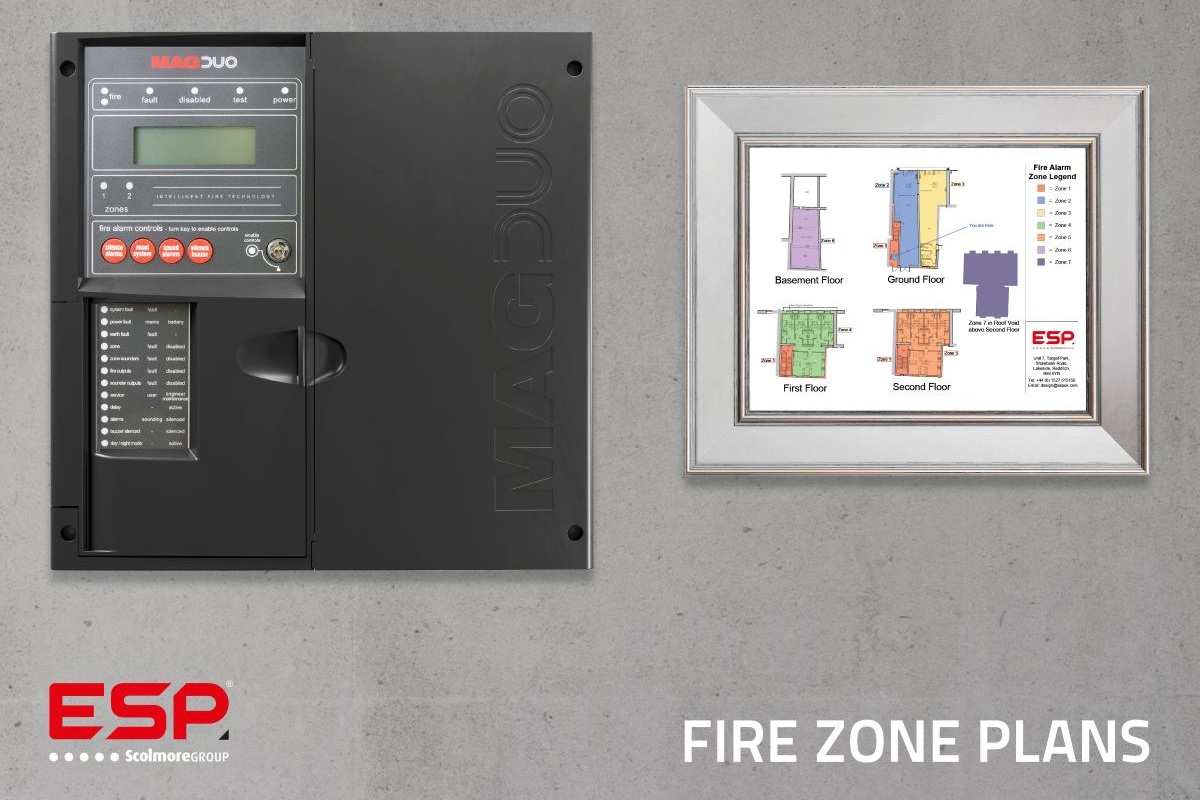
The new BS 5839-1:2025 standard explained
Jake Green, Head of Technical Engagement with Scolmore Group, looks in detail at a number of key changes in the recently published updated BS 5839-1: 2025 standard. As with the introduction of all British Standards, other than for BS 7671, the old standard is superseded on the same date as the new one is published. BS 5839-1: 2025 came into effect on 30 April 2025, and the old 2017 version was subsequently withdrawn on that same date. The forward of any standard details some, but not all, of the changes introduced in the new standard. What should also be noted is that BS 5839-1 is a ‘Code of practice’. This means that it provides guidance and recommendations; it is not legislation. This article will highlight several specific changes and the likely implications for all those involved in the design, installation, commissioning, and maintenance of fire detection and fire alarm systems. Section 1 – General: Introduction All standards contain a foreword detailing the relationship with other standards and specific information about the new document. However, under Section 1 (General) the new Standard differs from the 2017 version by adding an introduction prior to the Scope of the document. This introduction now details the principal purpose of a fire detection and fire alarm system is to ‘support the fire evacuation strategy’ for the building rather than, as the previous standard stated, the ‘fire safety strategy’ for the building (Clause 6.1 Commentary). This is a subtle but important shift in how the recommendations of this standard should be applied. The focus on the evacuation strategy alone means that the design has a single focus, rather than a slightly more general ‘fire safety’ strategy. The introduction also makes much clearer reference to other standards and guidance documents where there are levels of uncertainty. These include: BS 9991; BS 9999; guidance documents that support fire legislation; insurance documentation; and any relevant fire risk assessment. The common practice amongst many contractors seeking to design a fire detection and fire alarm system was/is to ask a manufacturer to design the system, and then supply and commission the system to meet the requirements of the design. However, the fire strategy must be considered as of primary importance insofar as the design is concerned. A fire risk assessment is important, but it is not a strategy. Exchange of information and definition of responsibilities The previous Clause 6 (now Clause 5) has an updated commentary as well as amended recommendations. It is important that there is clear communication between relevant parties, and Clause 5 has made things much clearer. Clause 5.1 now recommends that consultations take place prior to the design stage. This has amended the recommendation from the 2017 standard that consultation should take place ‘prior to or at’ the system design stage. These prior consultations should be between: user/purchaser; consultants (to include architects, M&E and fire engineers); the designer; the authority responsible for enforcing fire safety legislation; and the property insurer. At the design stage (Clause 5.2), consultation should happen between the designer, user/purchaser, and consultants. The amended clause no longer places the responsibility on the designer alone to ensure this consultation takes place. A more collaborative approach is now called for. At the installation stage (Clause 5.3), consultation should happen between the designer, user/purchaser, consultants, and the supplier of the system. Again, this amended clause no longer places the responsibility on the installer to ensure this consultation takes place; indeed, the installer is not included in the list to this consultation. Where a designer has made a proposal for the category of system (Clause 5.4), this should be agreed with the user/purchaser. This is an important change of emphasis, requiring all relevant parties are able to ‘sign off’ the design. Similarly, the designer should agree with the user/purchaser (Clause 5.5) whether the system incorporates visual alarm devices (VADs). A further change has been made to what should occur prior to the placing of an order for the system (Clause 5.6), and this is to also include ‘handover’ within the list of those with responsibility for each element of design, installation and commissioning. Furthermore, greater clarity has been provided for who is responsible for the creation of the zone plan (Clause 5.7). This should be clearly defined, agreed and documented. Variations (Section 7) Variations have long been an accepted part of the design process. There may be instances, for example, where a thoughtless application of a recommendation would lead to a design which is less than optimal. Indeed, the fire risk assessment process may lend itself to including certain variations. As with the previous standard, any variations must be clearly identified and recorded in the logbook and relevant certification, and should be such that they are immediately obvious to any relevant parties. Previously there were no stated exclusions from permissible variations. This is no longer the case. Clause 6.6 now details those departures which are considered as so detrimental to the safety of the system, that they should be excluded. These excluded items are: The absence of a zone plan or other suitable diagrams in which there are more than one zone and particularly where people sleep. The absence of a facility for transmission of an alarm signal to an alarm receiving centre (ARC) in supported housing, or a residential home. For more from Scolmore, click here.

15.8km of new electricity cables for East London
UK Power Networks has invested nearly £8 million in replacing underground electricity cables in the Ilford area of London. The electricity firm is upgrading the local cable network from Perth Road to Redbridge with brand-new, environmentally-friendly, cross-linked polyethylene cables. The cables that span multiple circuits, joining two substations together, should increase the reliability of power supplies for customers in the area. The project has installed three brand-new 33,000-volt circuits that total over 15.8 kilometres (or the length of 150 football pitches), replacing older circuits. This project is part of UK Power Networks' £800 million investment programme this year. Jason Gunning, Programme Manager, comments, “This cable replacement project in the Ilford area is part of our ongoing investment in the electricity network. “By upgrading infrastructure at Redbridge and Perth Road, we’re reinforcing the reliability of local power supplies and helping future-proof the network for residents and businesses as demand grows and more low-carbon technologies connect to the grid.” UK Power Networks is the distribution network operator for London, the South East, and the East of England, serving 8.5 million homes and businesses. For more from UK Power Networks, click here.

'Half of van thefts happen on the job'
Summer is a busy time for tradespeople, with vans often left parked for long stretches. When a van is stolen, it’s not just the vehicle that’s lost; it’s valuable tools and crucial work time too. A recent survey of over 500 tradespeople revealed that 33% have experienced van theft in the past two years, and 16% have had their vehicle broken into. New research from Tempcover, a temporary business van insurance company, shows that half of all vehicle thefts occur while vans are parked at job sites, compared to just 7% outside the home. In terms of break-ins outside the home, 31% of tradespeople reported damage with nothing stolen, while 8% experienced break-ins where both tools and other items were stolen, along with damage to their vans. Tools, time, and trust: The real cost of van theft Lost tools and unhappy customers due to job delays or cancellations can seriously hurt a tradesperson’s reputation. When asked what impact the loss of a vehicle or vehicle issues had on their work, the survey showed: • 26% were unable to work for some time, having to cancel or delay jobs due to lack of transport • 40% had to rely on a vehicle from friends, family, or colleagues to keep working • 15% had to buy a new vehicle altogether • 8% relied on lifts from others to get to jobs while their van was unusable • 6% received customer complaints due to last-minute job cancellations Contingency plans Despite the clear disruption caused by losing access to a work vehicle, many tradespeople are unfamiliar with some of the practical options available to stay on the road. When asked about the first step they take if their work vehicle becomes out of action, 34% said they borrow another vehicle, while 27% opt to rent. However, 7% admitted they have no contingency plan in place. Tempcover claims that temporary business van insurance remains an "underutilised" resource. According to its survey: • 43% of respondents said they are not aware of what it is or how it could help them • 19% had used it previously to get insured on an alternative vehicle during a period of disruption • 5% said they are currently considering it Claire Wills-Mckissick, an employee at Tempcover, says, “Temporary business van insurance is a practical solution for tradespeople who suddenly find themselves without a vehicle. "Whether their van has broken down, been stolen, or is in the garage for repairs, flexible short-term cover allows them to borrow a van and continue their work without interruption. "It’s quick to arrange and can last from just a few hours to several weeks, helping minimise downtime, protect income, and maintain positive relationships with customers.”

Climate change to drive £144m repair work for electricians
As climate change increases the prevalence of extreme weather events in the UK, household repair costs are estimated to increase alongside this. That’s according to a new report by Protrade, a UK-based provider of power tools and associated products, which revealed the impact of climate change on construction and trade industries. Tradespeople such as electricians, roofers, and builders should expect to see increased revenue, with annual property repair work across the UK’s 20 most populous cities estimated to reach over £144 million by 2040. As extreme weather becomes increasingly common, climate-related risks are no longer a distant threat; they’re a growing reality for homeowners and the tradespeople who maintain their properties. To explore the scale of this impact, Protrade analysed climate projections, housing data, and repair cost estimates across the country. Drawing on UKCP18 data from the Met Office, Protrade calculated future levels of flood exposure and heatwave vulnerability by city. They then applied average repair costs for common climate-related damage - including subsidence, HVAC stress, damp, drainage, and structural fixes - to estimate the potential annual repair bill, as well as to identify which areas of property maintenance are likely to see the biggest rise in demand. On these findings, Des Duddy, Joint Managing Director at Protrade, comments, "With projected repair costs across the 20 largest UK cities exceeding £144 million annually, this highlights the growing financial strain climate change could place on the housing sector if adaptive measures aren’t taken. "As temperatures rise and extreme rainfall becomes more frequent, demand for both structural and surface-level repair is likely to surge - particularly in major urban centres like London and Birmingham." Electrical and fire-related repair costs are estimated to reach £3,000 per household by 2040 The estimated costs for household repairs by 2040 show: • Subsidence repairs rank first at £15,000 per household • HVAC installation and upgrade costs are projected to reach £3,500, placing them second • Electrical and fire-related damage repairs are estimated to cost £3,000 per household • Roof and material repairs are expected to require £2,500 • And, finally, pipework and internal cracking repairs are projected to cost £1,800 per household As outlined above, subsidence repairs are set to become the most expensive heat-related repair, with average costs reaching £15,000 per property. As temperatures continue to rise, more homes will also require HVAC installations/upgrades (costing £3,500) to keep indoor conditions safe during extreme heat. Heatwaves will lead to roof and material degradation, with typical repair costs of around £2,500 and an increased demand for plasterers and tilers. On top of this, pipework and internal cracking, averaging £1,800 per incident, will increase with more frequent heatwaves caused by the expansion and contraction of materials in fluctuating heat. Des continues, "As climate change progresses, we’re expecting a significant rise in demand for certain types of repair work by 2040. "Subsidence repairs are likely to become more common as prolonged dry spells cause clay soils to shrink, threatening the structural stability of buildings. "Add to that the projected increase in roof degradation, cracked materials, and internal damage from heat expansion, it’s clear the workload for tradespeople is set to grow massively over the next 15 years."

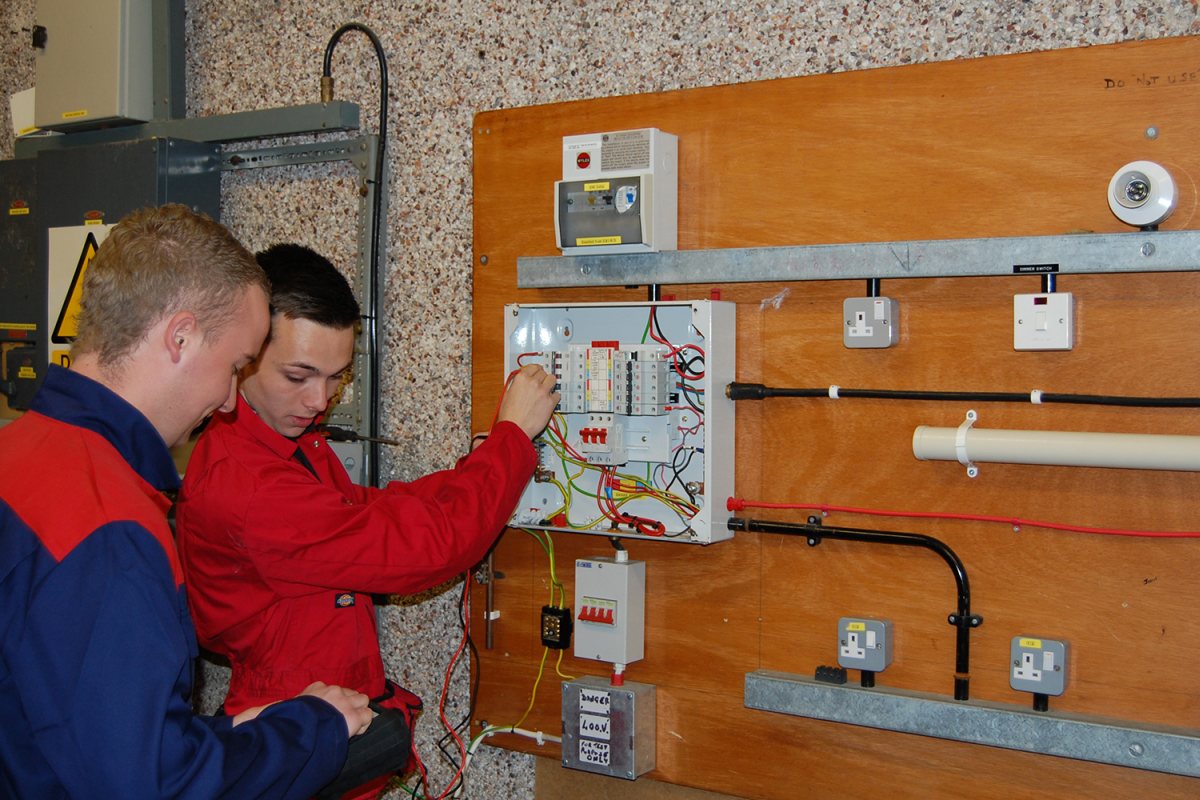
'School leavers should consider electrical apprenticeships'
As thousands of young people across Scotland receive their exam results, two electrical bodies have reminded students that there’s no wrong path to a rewarding and successful career in the electrotechnical industry. With many school leavers unsure of their next step, and others disappointed by their grades, SELECT and the Scottish Joint Industry Board (SJIB) have highlighted the valuable opportunities and potential high earnings offered through an electrical apprenticeship. Alan Wilson, Managing Director of SELECT, says, “This week’s results will have brought joy for some and disappointment for others, but our message is simple: there is no wrong path. “We want young people and their parents to understand that an electrical apprenticeship is a highly respected and financially rewarding career option that offers lifelong skills and exciting opportunities. "Qualified electricians earn excellent salaries and their services are in high demand here in Scotland and across the world. “A great number of our members are always on the lookout for potential apprentice recruits, so whether you’ve achieved top grades or are still unsure about what comes next, this is a chance to build a future that’s hands-on, challenging, and constantly evolving. After all, the future is electric.” Catherine Gillon, Secretary of the SJIB, adds, “Becoming an electrician means joining an economically crucial, modern profession with increasing demand, especially in areas like renewables, electric vehicles, and smart technology. “Apprentices are supported throughout their journey and come away with respected industry qualifications that open doors around the world. “We encourage anyone with an interest in how things work and a desire to learn to consider applying. It’s never too late to start.” As the country transitions to a net zero future, demand for skilled electricians has never been higher, and apprenticeships remain one of the most effective ways to develop talent for the future. Catherine continues, “Getting started as an electrical apprentice is easy, with typical entry requirements being National 4/5 in English, maths, and a science or technical subject. “Anyone interested in finding out more and applying to become an apprentice should contact the Scottish Electrical Charitable Training Trust (SECTT), who manages Scotland’s industry-approved training scheme for electrical apprenticeships on behalf of the SJIB.” From music to multi-metres: Scott’s story A shining example of the varied paths into the electrical profession is Scott Ahern, who was crowned 2024 SJIB Apprentice of the Year last October. After studying music at college and working a range of manual jobs, Scott changed direction in his mid-20s and is now thriving as a qualified electrician with DRB UK Maintenance in Hamilton. Scott, from East Kilbride, comments, “I didn’t think it would be possible to start an apprenticeship later in life, but I’m so glad I did. “I’ve been lucky to work on major electric vehicle charger projects across the UK and now I’m aiming to become an Approved Electrician and even run my own business one day. “My message to anyone unsure about their future is simple: just go for it. You’ll be supported every step of the way and the opportunities are endless.” For more from SELECT, click here.

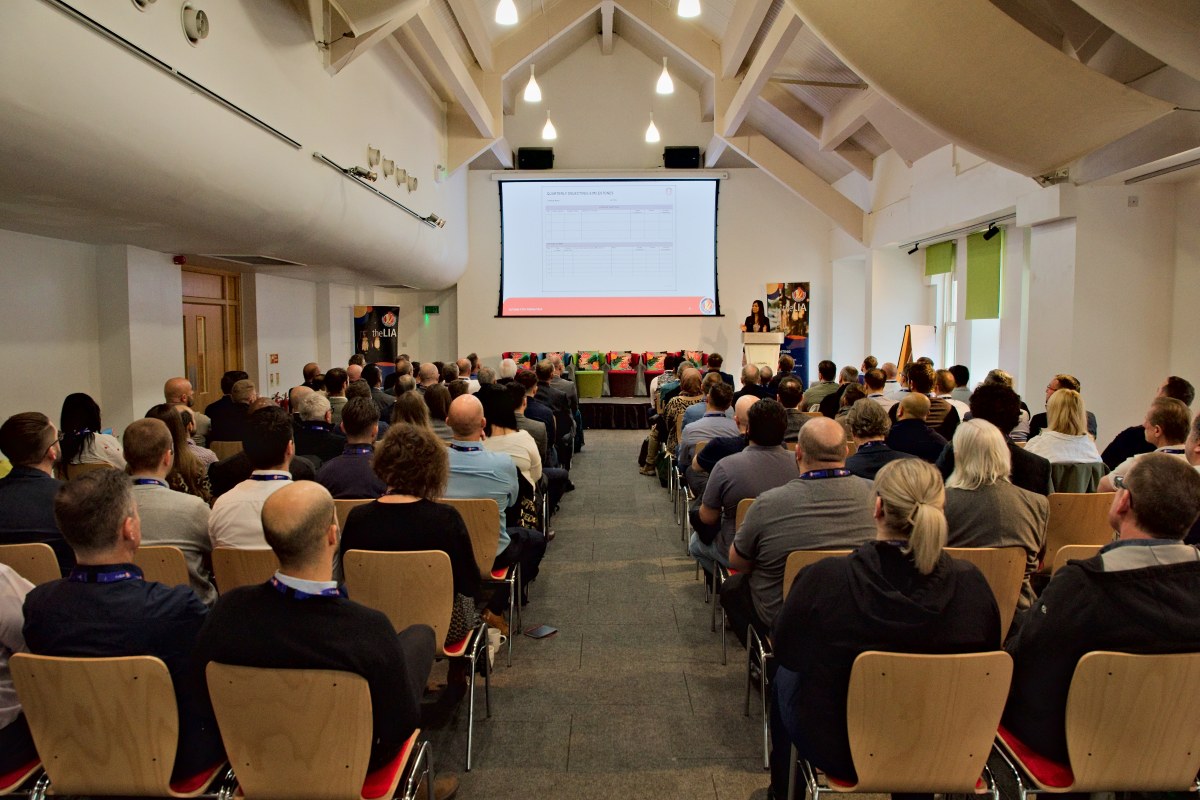
LIA announces keynote speaker for TECH-X
The Lighting Industry Association (LIA) has announced Ricky Nuttall as the keynote speaker for the inaugural TECH-X: Technical Excellence Conference, taking place on Wednesday, 10 September 2025 at Convene, 133 Houndsditch in the City of London. A former firefighter, mental health advocate, award-nominated screenwriter, and published poet, Ricky Nuttall is best known for his service during the Grenfell Tower fire and his advocacy work around trauma, PTSD, and recovery. His keynote is expected offer a human-centred perspective to open a day that is intended to provide deep technical insight and sector-wide collaboration. The event TECH-X 2025 is a brand-new conference built entirely around feedback from the lighting industry. The event will bring together lighting professionals, designers, engineers, manufacturers, regulators, and policy leaders for a packed day of dialogue and discovery across three dedicated stages: • Main Stage - Tech Talks Arena: Standards, compliance, regulation, and sustainability including major updates to IEC 60598 and 61347, plus insights on CE/UKCA, BREEAM V7, and more. • Lighting Design Stage: Exploring innovation, inclusive design, AI, neurodiversity, Part L, and the future of lighting for people and place. • Connected Lighting Stage: A deep-dive into smart systems, cyber resilience, hybrid integration, residential tech trends, and data-driven value creation. In addition to Ricky’s keynote, TECH-X will feature a line-up of expert speakers from LightingEurope, CIBSE, OPSS, BSI, and beyond. Key topics will include: • Single Lighting Regulation and market surveillance • Batteries in luminaires and sustainability • Circularity, remanufacturing, and transparent supply chains • Lighting controls, data integration, and digital innovation “This conference isn’t just about technical updates,” claims Ayça Donaghy, CEO of The LIA. “It’s about understanding what’s changing, asking better questions of how we design and deliver, and remembering the people affected by the choices we make. "Ricky Nuttall brings a perspective that helps us hold on to that, the human side of progress.” TECH-X 2025 is open to all, with limited places available. For more from the LIA, click here.

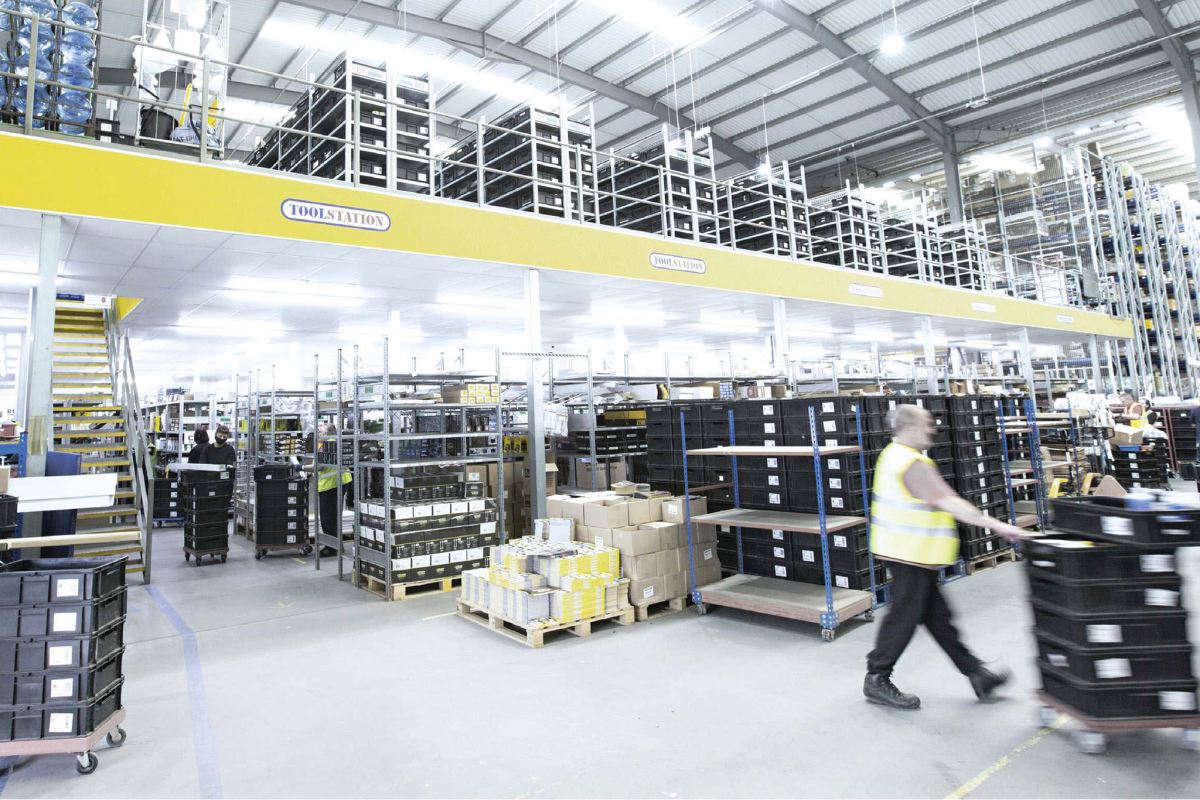
Toolstation selects Slimstock to improve supply chain
Toolstation, a UK supplier of tools, accessories, and building supplies, is revamping its inventory management. With over 25,000 products available online and in over 590 shops nationwide, Toolstation has partnered with Slimstock, a knowledge partner and provider of the supply chain planning platform Slim4, to boost product depth across its multi-channel retail operation. Laying the foundations As a brand within the Travis Perkins Group, Toolstation says it continues to invest in its supply chain and suggests that the latest partnership with Slimstock will "lay the foundation for a more efficient and connected supply chain planning operation." Jonathan Rendall, Head of Supply Chain at Toolstation, states, “To ensure fast, reliable service in-store and online as our operation scales, we need an integrated and scalable supply chain framework.” The right tools for the job Toolstation will adopt Slimstock’s supply chain planning platform, Slim4, to address challenges around forecasting, inventory management, and replenishment. As part of the transformation project, Slimstock will also support Toolstation in empowering the planning team through up-skilling and enabling improved cross-functional collaboration. By streamlining processes, improving visibility, and automating planning workflows, Toolstation expects Slimstock will underpin its goals. These are to: • Improve product availability and deliver good customer experience across every channel • Improve operational efficiency to accelerate business growth • Navigate increasing operational complexity Jonathan continues, “Slimstock will play a pivotal role in unifying our operation, driving efficiency as we better position the business to meet its promise to thousands of customers across the UK.” Why Slimstock Following an extensive review of the market, Toolstation selected Slimstock to support its supply chain transformation. Slimstock’s industry experience and implementation process were reportedly decisive factors. Jonathan concludes, “We needed a partner who could offer not only a proven technology solution but also work with us to create more effective processes. "The strong chemistry between the Toolstation and Slimstock teams throughout the selection process assured us that Slimstock is the right partner to deliver value to our customers." For more from Toolstation, click here.

Acrospire lights up Newbridge footbridge
British LED lighting manufacturer Acrospire has enhanced pedestrian safety on Newbridge’s Joe Calzaghe Footbridge with a targeted retrofit lighting scheme. Working with Caerphilly County Borough Council, Acrospire supplied LED modules to replace part of the original, failing illuminated handrail system, aiming to improve visibility while maintaining the bridge’s sleek aesthetic. The Joe Calzaghe Footbridge - a pedestrian and cyclist link in Newbridge, South Wales - connects the town centre with its railway station, leisure centre, and comprehensive school. Originally built in 2009 as part of a regeneration initiative, the bridge plays a key role in supporting sustainable travel and reconnecting parts of the community previously divided by the railway and river. However, over a decade on, lighting issues had started to compromise the safety and usability of this well-used footbridge. The original illuminated handrail system was failing and a new solution was urgently required. Working with Caerphilly County Borough Council, Acrospire provided a retrofit system to address the bridge’s most problematic lighting sections. The project involved multiple site trials to ensure compatibility with the original design and meet the council’s safety and aesthetic requirements. Acrospire supplied 40 3-Pod and 30 6-Pod linear LED modules in a 4000K neutral white. These were engineered to fit within the existing recessed sections of the bridge handrail, allowing integration without structural alterations. Due to their flexible beam orientation and glare control, the new units reportedly deliver enhanced visual clarity for users while minimising light spill onto adjacent habitats. Only one-third of the bridge was retrofitted with new units, allowing the council to redeploy salvaged working fixtures to other failing sections, maximising efficiency and extending the life of the original system. Gareth Fleming, Senior Engineer, Street Lighting, Caerphilly County Borough Council, comments, “The retrofit lighting scheme delivered by Acrospire for the Joe Calzaghe Footbridge is an excellent example of quality engineering and collaborative working. "The custom-built LED modules have been seamlessly integrated into the existing structure, preserving the visual appeal of the bridge while significantly improving safety and reliability. "Acrospire’s commitment to delivering a tailored solution through detailed site trials and precise manufacturing has resulted in a high-standard installation that enhances both pedestrian safety and the bridge’s aesthetic appeal.” For more from Acrospire, click here.

Legrand launches new lighting control platform
Legrand UK & Ireland, a manufacturer of electrical and digital building infrastructure equipment, has introduced a new lighting control platform designed for complex buildings, including commercial offices, hospitals, sports venues, and other large infrastructure projects. The platform, known as Wattstopper PLUS and powered by Encelium technology, supports both wired and wireless DALI-2 configurations. It is compatible with Legrand’s CP Electronics sensors and can be implemented across new or existing developments, including hybrid systems where buildings may be added or extended over time. Wattstopper PLUS supports all DALI dimmable and non-dimmable luminaires, making it suitable for both new-build and retrofit applications. The platform has also been developed to meet the requirements of Approved Document L, Volume 2, by providing energy usage data in a format that aligns with statutory reporting obligations. One notable feature is the ability to carry out a large portion of the commissioning process off-site. This is made possible through a virtual database that replicates the physical system layout, allowing early configuration work and reducing the likelihood of disruption during construction or renovation phases. Russell Vanstone, Product Manager, Connected Buildings at Legrand UK & Ireland, comments, “Meeting the needs of occupants with quality lighting that continually adjusts according to changing conditions through the day can have a major impact on both wellbeing and energy consumption. "Getting lighting right is critical to the success of any major development or renovation project. “Wattstopper PLUS draws upon Legrand’s decades of experience in lighting [and] digital building products, including sensor technologies, to deliver a high-end lighting system that caters for projects with the most stringent demands for quality lighting controls.” Legrand provides project support from early-stage design through to post-installation servicing. This includes layout planning, system integration advice, logistics coordination, on-site and remote commissioning, and long-term technical support. The company will demonstrate Wattstopper PLUS and other Connected Buildings solutions at LiGHT25, where it will be exhibiting at stand T14. For more from Legrand, click here.

Record number of renewables being installed into UK homes
According to data from UK quality assurance scheme MCS, there were a record 170,000 certified renewable installations in the first six months of 2025. This is a 37% increase on the equivalent period last year and a 33% increase on the previous highest start to a year in 2023. The record number of installations is fuelled by three technologies: solar panels, battery storage, and heat pumps. Key figures • There were 120,000 certified solar panel installations in the first six months of 2025, a 36% increase on the same period for last year and 13% higher than the previous Jan-June record which was set in 2012. • Battery storage saw almost 20,000 installations, a 130% increase on the same period last year. • There were 30,000 certified heat pump installations, a 12% increase on last year’s record start to a year. MCS data shows that there were almost 50,000 renewable installations on new build properties, accounting for 28% of the total for the year so far. This is almost double the figure for January - June 2024, where 21% of certified renewables went onto new builds. With the Future Homes Standard set to mandate solar panels and low carbon heating in new build homes from 2027, this highlights the massive potential for growth in the industry as the government works towards key housebuilding targets. One of the key drivers behind the increasing number of renewable installations is financial support from the Government through schemes such as the Boiler Upgrade Scheme (BUS), Home Energy Scotland Grant and Loan, the Social Housing Net Zero Fund, and ECO4. For example, data from the Department for Energy Security and Net Zero (DESNZ) highlights the impact that government incentives are having on heat pump uptake. The latest figures available (January - March 2025) show that 11,737 heat pump installations were government supported (either wholly or partially), which equates to about three quarters of total heat pump installations. Ian Rippin, CEO at MCS, comments, “Across all renewable technologies, we are seeing a dramatic rise in the number of installations being delivered into homes – helping to reduce energy bills for consumers and drive down emissions. "Crucially, there are also more MCS-certified installers than ever before, which means a growing capacity to deliver high-quality installations at volume into people’s homes. “With roughly 14% of greenhouse gas emissions estimated to come from domestic heating, it’s critical that installations of low-carbon technologies are delivered to a high quality. "As installation numbers continue to rise, we’re proud of the vital role that MCS standards continue to play in giving everyone confidence in the ability of home-grown technology to heat and power their homes.” Miatta Fahnbulleh, Minister for Energy Consumers, says, “People can save hundreds of pounds off their energy bills when installing renewable and low-carbon technologies like solar panels, heat pumps, and batteries. “So it is no wonder that installations in the first six months of 2025 have broken records, as households recognise it just makes financial sense. “That is why we are also pushing ahead with our Warm Homes Plan, which will deliver lower bills and warmer homes for millions of families.” Charlotte Lee, Chief Executive at the Heat Pump Association, adds, “It’s fantastic to see the continued growth in heat pump installations, solar panels, and battery storage into 2025. "With electrification firmly on the Government’s agenda, this suite of measures will play a vital role in reducing consumer bills, enabling flexibility, and enhancing the UK’s energy security. "The recent Spending Review confirmed £13.2 billion for delivering the Government’s Warm Homes Plan, a significant commitment, which we expect to outline further support for the electrification of heat.” Chris Hewett, Chief Executive of trade association Solar Energy UK, explains, “More and more households and businesses are seeing how rooftop solar installations and battery systems deliver dramatically lower bills. "But there are wider benefits too. More solar also means a more secure energy system, less at the whim of geopolitical crises. It also means more investment going into local economies via the thousands of installers that are MCS certified, not to mention lowering greenhouse gas emissions.” Beth Mukushi, Head of Programme Delivery at Home Energy Scotland, concludes, "With heat pumps being a key part of the UK's transition to net zero by moving homes away from polluting, expensive fossil fuels, the uplift in installations is really encouraging. "In Scotland, we've been pleased to see an increase in applications to grants and loans for heat pumps in the last financial year. Government-backed schemes such as these are crucial to help people with the upfront cost of renewable technologies, ensuring that no one is left behind in the transition to a low carbon society.” For more from MCS, click here.