2 November 2026
Product of the Month: Amari Floodlight range by Aurora Lighting
 
23 November 2026
Advanced acquires communications specialist Baldwin Boxall
 
23 November 2026
Trades face 'skills squeeze' as apprenticeship demand soars
 
20 November 2026
Ovia: Delivering performance and flexibility across every sector
 
20 November 2026
Exclusive: how to prepare a building for future technology
 

Latest News


Stabicad MEP launches brand new, faster calculation engine
The existing calculation engine gives you accurate mechanical and electrical calculations within Stabicad from Trimble. The brand-new heating and cooling systems cloud calculation engine has been designed to be more powerful and process calculations in a fraction of the time. Both calculation engines are certified by CIBSE, meaning you can be assured that accuracy isn’t compromised for speed. Experience lightning-fast heating and cooling system calculations, up to 30x faster, and certified by CIBSE with Stabicad, directly in Revit. Now, you can also size your piping network based on user set constraints, increasing efficiency more than ever before! Roger Fuechs, Senior Product Manager at Trimble, says, “The new calculation engine calculates the model outside of Revit and makes optimal use of Revit's APIs to process the changes quickly. Due to the cloud nature of the engine, the performance is also less dependent on the hardware of the user. This enables us to provide our customers with significantly faster calculations even on large models.” Time savings demonstrated with this update go towards helping users increase their productivity and profits. Having significantly faster model checks – even complex systems with hundreds of units – completed in seconds helps to buy back valuable time for mechanical engineers. It’s simple to set up the new cloud calculation engine. Once a user activates the new calculation engine in the settings, they can continue to work undisturbed in Stabicad. This means workflows will remain unchanged, with speed being the only difference!

Students from under-represented groups get ‘hands on’ work experience 
Sixth-formers from under-represented communities have taken part in a two-week work experience programme with UK Power Networks.    The ‘Powering Potential’ work experience programme allowed students to gain an understanding of how the UK’s biggest distribution network operator works.    The 11 students were picked from across the areas served by the electricity firm that delivers power to 8.5 million homes and businesses across London, the South East, and the East.    The students were given the chance to take part as they come from an under-privileged socio-economic area.     To be eligible they had to be:   From a combined family household income of less than £30,000 a year  Entitled to free school meals  Living, or have lived, in local authority care  First person in their family to participate in further education  Students were put into pairs and worked at their local depot, which included sites in Peterborough, Colchester, London, Borehamwood and Gatwick.    They were given bespoke insight from experts in the field who work across UK Power Networks.    Over the two weeks, students created a poster and a presentation for senior staff at the company, detailing what they learned.    The Powering Potential programme is just one part of UK Power Networks’ commitment to the Levelling Up Goals agenda, which is the country’s largest social mobility campaign.    UK Power Networks strives to create a level playing field for people wanting to enter the energy industry but might not have access or a traditional pathway towards it.    Yusra Batool, a student on the programme says, “With this work experience placement, I feel like I know exactly what type of career that I would want to look for. I feel like engineering is something that I want to take on and hopefully it's electrical engineering.”    Oliver Kingman, another student, says, “I always thought I'd like to be an engineer. I think Powering Potential has helped me, as during the two weeks I've now been able to gain a lot of valuable connections, lots of people that can help me and offer to assist me if I ever need it in the future. There were so many opportunities, not just to talk to people or learn about their jobs at a desk, but go out on site and see things happening, things in motion and things you wouldn't really be able to see online.”    STEM Outreach and Development Specialist, Natasha Paramasamy, says, “This year’s cohort of Powering Potential students have shown why levelling up and our commitment to social mobility is so important. Each and every one of the students taking part has shown why we must give opportunity and access to people who do not have the traditional pathway into our industry.”    For more from UK Power Networks, click here.

JTL to open new apprenticeship training centre in Preston
JTL, an independent apprenticeship provider in the electrical and plumbing trades, is set to break ground on a new state-of-the-art training hub in Preston. The company says that the investment highlights its commitment to enhancing local employment opportunities and addressing the critical skills gap in the region. Located in Cable House just outside Preston city centre, the new Preston Training Centre will offer first-class training facilities designed to provide high-quality apprenticeships in both electrical and plumbing, equipping learners with future-proofed skills for the industry. The region has seen an increase in shortages in the number of electricians and plumbers in recent years. With the Lancashire Local Skills Improvement Plan identifying these occupations as priorities for the region, backed by data from the ECA’s analysis of low numbers of apprenticeship starts, the new training centre aligns with JTL’s mission of delivering exceptional training to meet the demands of local employers and the wider building services engineering industry. JTL Preston will integrate training on green skills - for example, electric vehicle charging techniques, Solar PV installation and battery storage - reflecting JTL’s commitment to sustainability and the evolving needs of the industry. JTL proudly provides one of the country’s only gold-standard green apprenticeships, recognised for its contribution to a low carbon economy. This approach aims to prepare apprentices for the future, creating a highly-skilled talent pipeline in the North West and supporting UK’s transition to net zero. Previously a call centre, the site is soon to be refurbished and will feature industry standard workshops, teaching rooms and exam preparation resources. Initially, it will offer four electrical courses and one plumbing course, training 256 electrical and 64 plumbing apprentices over a four-year apprenticeship cycle, with the potential for further expansion. It has excellent transport links, and a dedicated JTL team in place to provide tailored support both to learners as they embark on their apprenticeship journey and also employers as they take on an apprentice. The centre is also supporting the creation of 12 training officer and tutor roles and is set to welcome its first cohort of apprentices in early 2025. Chris Claydon, Chief Executive Officer of JTL, says, “The launch of our Preston Training Centre is a pivotal moment for JTL and the local community. By investing in state-of-the-art facilities and fostering partnerships with local employers, we aim to provide high-quality apprenticeship training that directly address the specific skills needs of the region. Preston is a key location for us to expand due it being at the heart of Lancashire’s economic development. JTL Preston will play a crucial role in training the next generation of skilled professionals to contribute to a more sustainable future in the building services engineering sector.” Gary Downes, Deliver Team Manager for JTL Preston, adds, “We are thrilled to bring JTL’s renowned training programmes to Preston. Our new centre will not only create job opportunities but also help bridge the skills gap in the local workforce. We work closely with employers to ensure our apprentices receive training that is both relevant and of the highest quality, enabling them to thrive in their careers.” JTL has ambitious plans to further expand its network of training centres and deliver the highest quality apprenticeships, tailoring the learning experience to local, regional and national skills needs. For more from JTL, click here.

Upgrades take Z LED performance to new heights
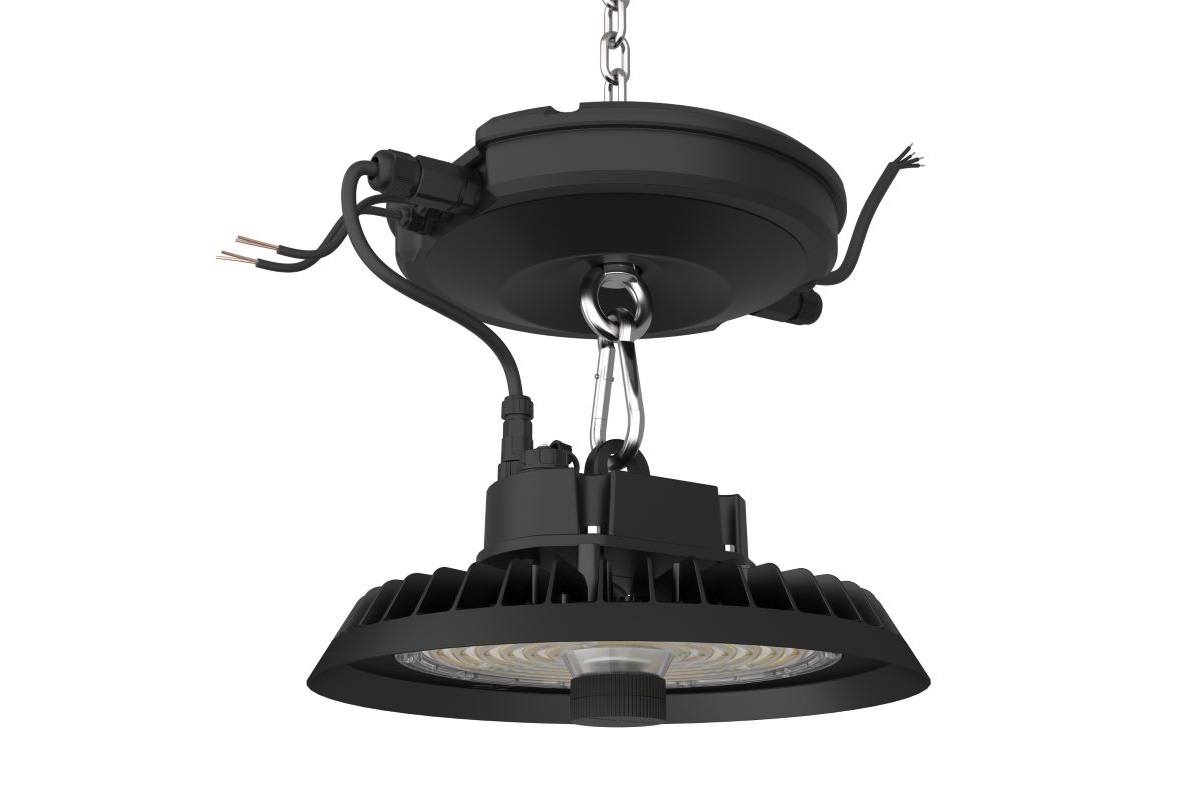
Packed with an array of innovative new features and designs, Ansell Lighting has made a number of significant upgrades to its Z LED Performance high/low bay. Engineered to offer improved functionality, performance and ease of installation, the new model provides unparalleled standards for industrial lighting options. Perhaps the most significant enhancement for users is that the upgraded Z LED Performance now delivers an outstanding 180lm/w, providing exceptional brightness and energy efficiency. Unlike many high/low bay fixtures it also offers three CCT settings - 4000K, 5000K and 6500K - and is 1-10V dimmable as standard, providing enhanced control over illumination levels. With ease of installation a key priority for installers, Ansell Lighting has also ensured that additional options such as emergency packs and energy saving microwave and PIR sensors are now plug-in for faster and straightforward setup. These accessories can also be controlled by remote control for enhanced convenience and operational flexibility. Highly robust, the IP65 rated Z LED Performance is also now available in three wattages, accommodating installation at lowbay and highbay heights. Narrow, 55° lens options are also available to allow for alternative beam angles in spaces such as racking aisles, whilst aluminium reflectors can be added for enhanced light distribution. Adding instant emergency functionality to the Z LED Performance, another addition to the product is the creation of the new Hawk Highbay Emergency Kit. An easy fit, plug in emergency pack, Hawk Highbay can be quickly and easily fitted on to the top of the Z LED Performance using speedy terminals and pre-wired connections. Providing a minimal and discreet appearance, it seamlessly integrates with the fixture without compromising the benefits of the Z LED Performance, such as 180lm/W efficacy, three CCT settings, and dimmability. Mark Abbott, Managing Director at Ansell Lighting, says, “We’ve taken every step possible to enhance the performance and functionality of our Z LED Performance high/low bay. These upgrades ensure that our customers benefit from superior lighting solutions that are not only energy-efficient but also easy to install and highly adaptable to various industrial settings. “The addition of the plug-in Hawk Highbay Emergency Pack means that users can continue to benefit from Z LED Performance whilst ensuring reliable emergency lighting without compromising on efficiency or control features." For more from Ansell Lighting, click here.

Solar energy breakthrough could reduce need for solar farms
Scientists at Oxford University Physics Department have developed a revolutionary approach which could generate increasing amounts of solar electricity without the need for silicon-based solar panels. Instead, their innovation works by coating a new power-generating material onto the surfaces of everyday objects like rucksacks, cars, and mobile phones. Their new light-absorbing material is, for the first time, thin and flexible enough to apply to the surface of almost any building or common object. Using a pioneering technique developed in Oxford, which stacks multiple light-absorbing layers into one solar cell, they have harnessed a wider range of the light spectrum, allowing more power to be generated from the same amount of sunlight. This ultra-thin material, using this 'multi-junction' approach, has now been independently certified to deliver over 27% energy efficiency, for the first time matching the performance of traditional, single-layer, energy-generating materials known as silicon photovoltaics. Japan’s National Institute of Advanced Industrial Science and Technology (AIST) gave its certification prior to publication of the researchers’ scientific study later this year. “During just five years experimenting with our stacking or multi-junction approach we have raised power conversion efficiency from around 6% to over 27%, close to the limits of what single-layer photovoltaics can achieve today,” says Dr Shuaifeng Hu, Post Doctoral Fellow at Oxford University Physics. “We believe that, over time, this approach could enable the photovoltaic devices to achieve far greater efficiencies, exceeding 45%.” This compares with around 22% energy efficiency from solar panels today (meaning they convert around 22% of the energy in sunlight), but the versatility of the new ultra-thin and flexible material is also key. At just over one micron thick, it is almost 150 times thinner than a silicon wafer. Unlike existing photovoltaics, generally applied to silicon panels, this can be applied to almost any surface. “By using new materials which can be applied as a coating, we’ve shown we can replicate and out-perform silicon whilst also gaining flexibility. This is important because it promises more solar power without the need for so many silicon-based panels or specially-built solar farms,” notes Dr Junke Wang, Marie Skłodowska Curie Actions Postdoc Fellow at Oxford University Physics. The researchers believe their approach will continue to reduce the cost of solar and also make it the most sustainable form of renewable energy. Since 2010, the global average cost of solar electricity has fallen by almost 90%, making it almost a third cheaper than that generated from fossil fuels. Innovations promise additional cost savings as new materials, like thin-film perovskite, reduce the need for silicon panels and purpose-built solar farms. “We can envisage perovskite coatings being applied to broader types of surface to generate cheap solar power, such as the roof of cars and buildings and even the backs of mobile phones. If more solar energy can be generated in this way, we can foresee less need in the longer term to use silicon panels or build more and more solar farms,” Dr Wang adds. The researchers are among 40 scientists working on photovoltaics led by Professor of Renewable Energy, Henry Snaith, at the Oxford University Physics Department. Their pioneering work in photovoltaics and especially the use of thin-film perovskite began around a decade ago and benefits from a bespoke, robotic laboratory. Their work has strong commercial potential and has already started to feed through into applications across the utilities, construction, and car manufacturing industries. Oxford PV, a UK company spun out of Oxford University Physics in 2010 by Co-Founder and Chief Scientific Officer Professor, Henry Snaith, to commercialise perovskite photovoltaics, recently started large-scale manufacturing of perovskite photovoltaics at its factory in Brandenburg-an-der-Havel, near Berlin, Germany. This is the world’s first volume manufacturing line for ‘perovskite-on-silicon’ tandem solar cells. “We originally looked at UK sites to start manufacturing but the government has yet to match the fiscal and commercial incentives on offer in other parts of Europe and the United States,” Professor Snaith says. “Thus far, the UK has thought about solar energy purely in terms of building new solar farms, but the real growth will come from commercialising innovations. We very much hope that the newly-created British Energy will direct its attention to this. “The latest innovations in solar materials and techniques demonstrated in our labs could become a platform for a new industry, manufacturing materials to generate solar energy more sustainably and cheaply by using existing buildings, vehicles, and objects. “Supplying these materials will be a fast-growth new industry in the global green economy and we have shown that the UK is innovating and leading the way scientifically. However, without new incentives and a better pathway to convert this innovation into manufacturing, the UK will miss the opportunity to lead this new global industry.”  

Littelfuse adds precise electrical height to tactile switches
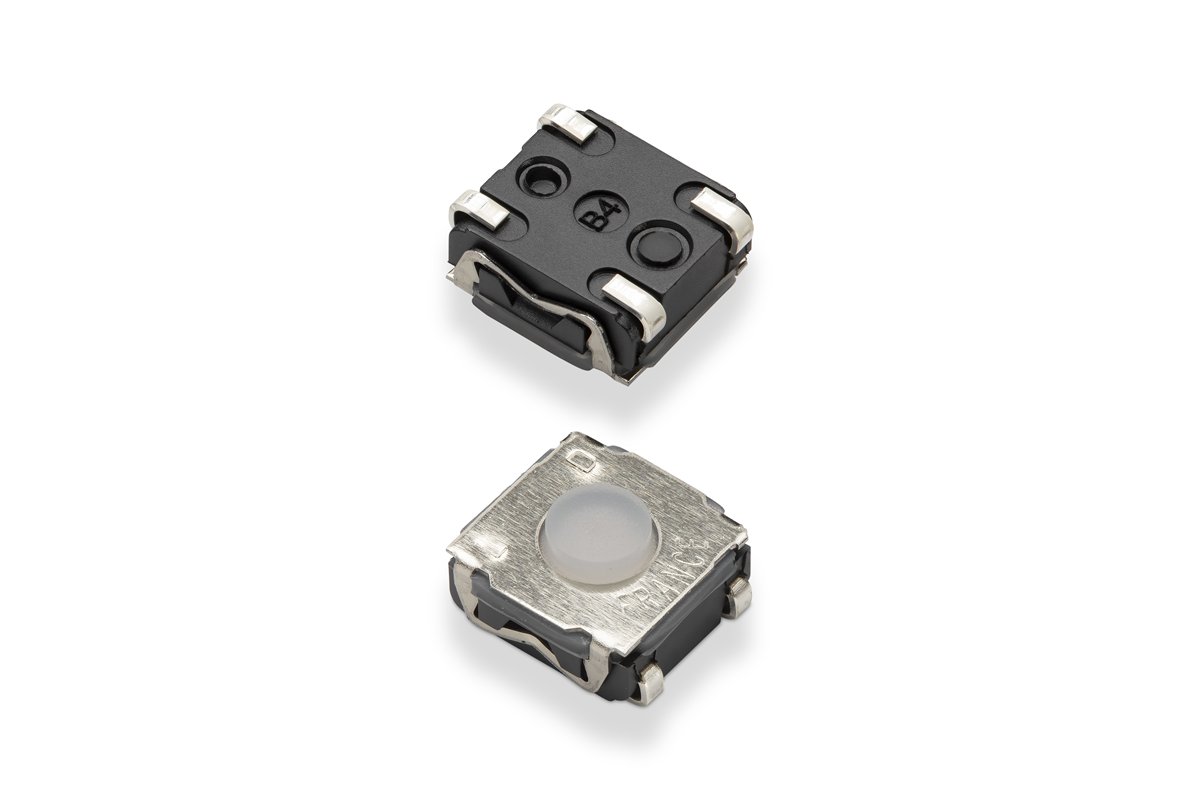
Littelfuse, an industrial technology manufacturing company, has announced a product update on its C&K Switches KSC2 Sealed Tactile Switch product line. This surface-mounted, waterproof tactile switch series now incorporates the Electrical Height enhancement. The KSC2 series of tactile switches for surface-mount technology (SMT) is an IP67-rated, 3.5mm high momentary-action tactile switch featuring a soft actuator. The switches are available in several models and provide numerous electrical lifespans that can withstand various operating forces. The latest KSC2 tactile switch, with its superior durability and extended lifespan, outperforms other switches in the market, Littelfuse claims, reducing the need for frequent replacements. Its consistent performance over time instills confidence in users, ensuring reliable functionality. The KSC2 tactile switch provides clear tactile feedback, making it easier for users to know when an input has been registered. Using the redesigned KSC2 series results in a more reliable, user-friendly and secure product, ultimately benefiting end users. The KSC2 series design gives users a positive, adaptable tactile feeling, ideally suited for a wide range of markets and applications, including: • Medical: Surgical tools, healthcare wearables • Transportation: Door handles, window lifters, steering wheel columns • High-end consumer: Power tools, lawnmowers, snow blowers • Industrial: Elevators, automation, machinery The KSC2 Tactile Switches offer these key features and benefits: • Electrical height of sealed tactile switch: Guarantees precise and reliable electrical connections by precisely defining the distance between the actuation point and bottom contact. • IP67 rating: Ensures durability and reliability in harsh environments by providing resistance to dust and water up to one metre for 30 minutes. • Compatibility with lead-free reflow soldering: Enables efficient, reliable, environmentally friendly manufacturing by withstanding high temperatures and thermal cycling in lead-free, RoHS-compliant soldering processes. • Soft actuator (3.5mm high): Provides comfortable, improved user experience and precise operation via a soft actuator that offers gentle touch and consistent activation. Electrical Height enhancement enables better precision on the electrical switching position compared to the printed circuit board (PCB) reference, which is necessary for stack-up tolerances. This new feature makes the KSC2 switch easier to integrate than other products on the market with electrical travel. Generally, designers need to determine the switching point position from the PCB and apply the formula: product height ±0.2mm minus electrical travel ±0.2mm, giving a total tolerance of ±0.4mm as a minimum. The target of dimensioning with the Electrical Height value is to avoid cumulated tolerances and to propose a functional value with tighter tolerance. Electrical Height is stable, and a standard tolerance at only ±0.15mm or ±0.2mm is proposed. “This newly specified feature (Electrical Height) demonstrates the decades of experiences the Littelfuse engineers have when it comes to the integration of our products into the final application, as well as the level of control we have on our manufacturing capabilities,” says Jeremy Hebras, Vice President Digital & Technical Developments, Electronics Business Unit at Littelfuse. "By committing to the switch electrical height on this popular series, together with its tight tolerance, we are helping our customers to optimally design their products, obtain the most qualitative and consistent haptic and performance results, and ultimately enhance their product's quality." The same Electrical Height enhancement is planned for additional tactile switch series in the Littelfuse/C&K Switches portfolio. The KSC2 Tactile Switches are available in tape and reel format in quantities of 2,000. Sample requests are accepted through authorised Littelfuse distributors worldwide.

Precision and power with KNIPEX
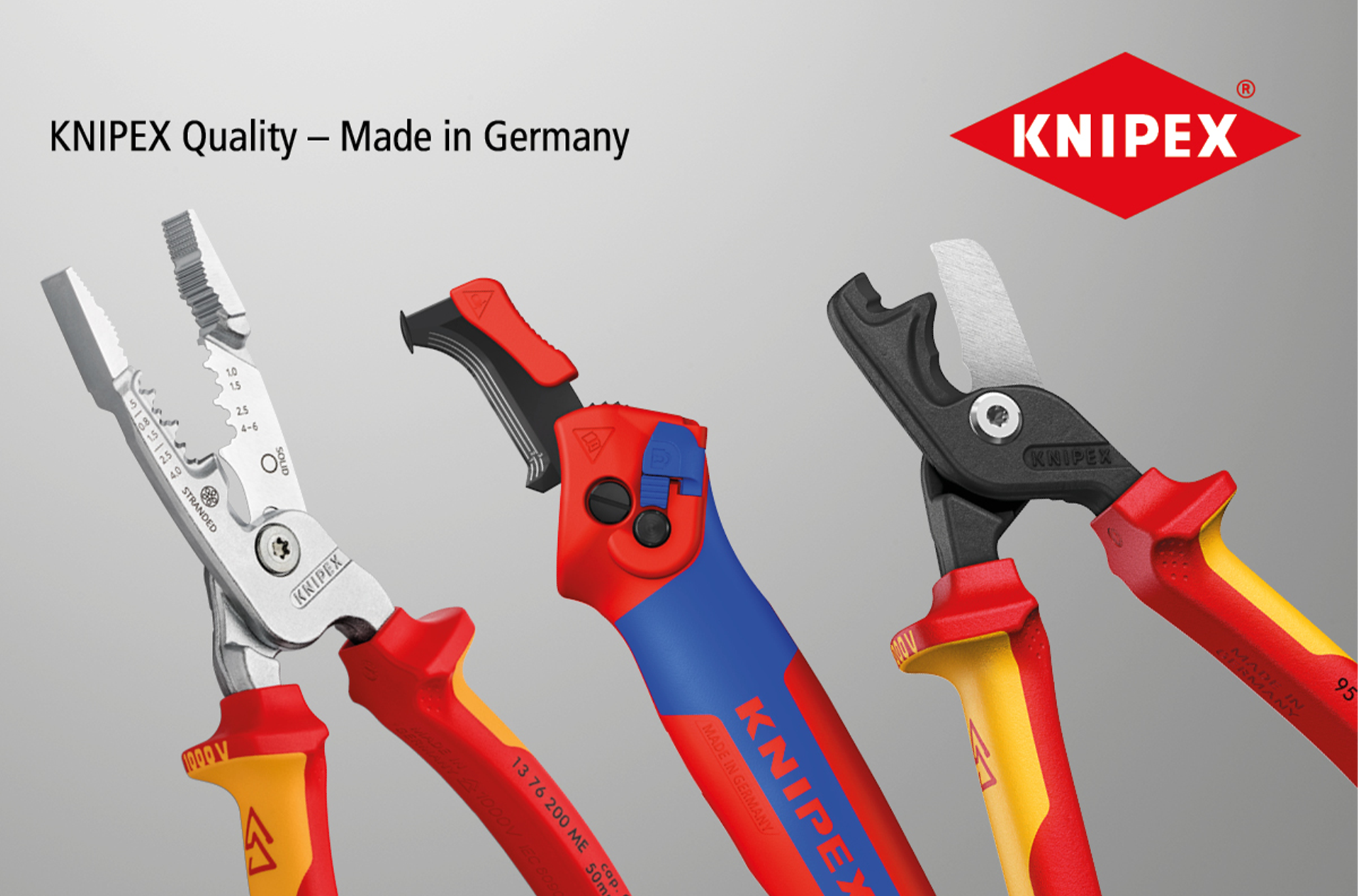
For electricians, having tools that enhance productivity and safety is crucial. Here, we spotlight three tools from KNIPEX that embody efficiency and innovation. For electricians, having tools that not only meet the demands of the job but enhance productivity and guarantee comfort and safety is essential. Recognised globally for their robust build and precision, KNIPEX tools are specially designed to minimise physical strain and maximise the efficiency of electrical work. The KNIPEX StepCut XL (95 18 225) cable shears are a great example. They feature a high-leverage joint, extended handles and optimised cutting edges, making it significantly easier to cut through cables than with standard compact shears. These shears can manage a wide range of cables: solid copper or aluminium cables up to 35mm², stranded cables up to 70mm² and fine stranded cables up to 120mm². They’re equipped with dual cutting areas – a stepped cutting edge for secure, precise cuts close to the joint and a front cutting edge that tackles very large cables in incremental steps. They’re great in tight spaces too. Designed for flexibility, they work well with both one- or two-handed operation and need minimal handle opening even for larger cables, while the slim head design helps in reaching into tight spaces. For added safety, there is an integrated pinch guard to protect the operator’s fingers. When you need to quickly and easily cut across various types of cable sheaths, the KNIPEX Stripping Knife (16 50 145 SB) is a great solution. Its blade has three distinct cutting areas and can efficiently cut through very hard or tough plastic sheaths up to 7mm thick. Safety and practicality are key with this tool; the guide shoe ensures that the conductor insulation remains protected during cutting while the replaceable hook blade can be adjusted into four positions: straight, angled, ratcheting and folded for safe transport. KNIPEX always makes sure tools are comfortable and convenient and the Stripping Knife is no different – its handle is ergonomically designed while an integrated tether attachment point allows for secure connection to the KNIPEX Tethered Tool System, ensuring the knife is always within reach when needed. The KNIPEX Metric WireStripper (13 76 200 ME) is another versatile tool for an electrician’s toolbox. It has a large capacity range and sharply ground stripping profiles that enable intuitive positioning and clever stripping. It combines the slim profile of needle-nose pliers with the breadth of combination pliers, providing both high stability and good accessibility. The Metric WireStripper includes location ridges for precise positioning of the wire, ensuring accurate and clean cuts. Additional features include wide, cross-hatched gripping surfaces for effective wire twisting, a milled groove for securely holding and pulling small work pieces like nails, and a convex gripping surface on one side for a secure grip on both flat and round materials. KNIPEX’s range of tools is engineered with the professional electrician in mind, combining ergonomic design with functional excellence. The StepCut XL, Stripping Knife and Metric WireStripper demonstrate this blend, offering solutions that maximise safety and efficiency. For more from KNIPEX, click here.

PV panels boost safety charity’s climate credentials
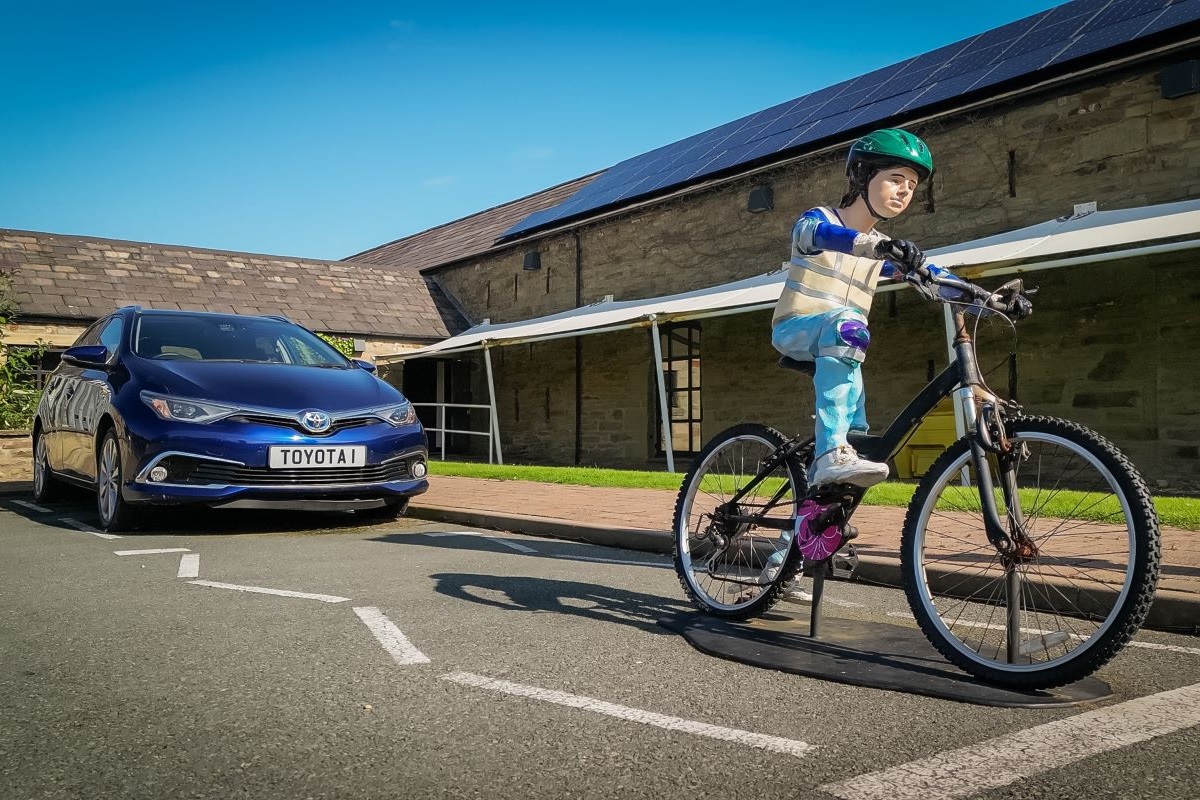
DangerPoint, a leading safety charity, has installed renewable energy at its award-winning activity centre in a bid to improve its carbon footprint. An interactive life skills centre based in Talacre, north Wales, DangerPoint aims to help people learn in a fun and practical way to inspire, inform and engage, and to make positive life choices, both for themselves and the environment. Its offering includes educational tours and a quest activity for schools and organised groups. Groups can learn, for example, about the dangers inside their home, and since its launch in 2005 it has educated more than 116,000 people. Recently, staff at the site wanted to play their part in the fight against climate change and decided to have renewable energy installed to generate their power, lower their energy bills and reduce their carbon dioxide emissions. As a result, Seddon was brought on board to design and install the solar PV and battery system at the north Wales DangerPoint site, which it says will be ‘game-changing’ for the attraction. After Seddon designed a 20.1 kWp solar PV system and 17 kW battery storage system, it took contractors four days to carry out the work and complete the installation. Robert Moss, Divisional Director of Seddon Engineering Services, explains, “It was significant for Seddon to help this game-changing charity reach its net zero potential. Not only will it reduce DangerPoint's carbon footprint and lower its energy bills, it will also cement the charity as a UK leader in renewable energy. “We meticulously assessed the property, ensuring the work was delivered exactly in line with the charity’s core needs. Taking the initiative now means DangerPoint can continue offering hugely important safety information.” Julie Ann Taylor from DangerPoint adds, “We are always looking at ways we can improve the environment and help the planet, even to a very small level of detail. We knew having Seddon on board to deliver the solar PV and battery storage system installation would result in a great project with huge benefits for us and wider society. “We want to lead the way when it comes to renewable energy and tackling climate change in north Wales, and we know this initiative will go towards achieving that.”

Research reveals the cheapest way to reduce carbon emissions
New research from Drayton has found that a fully-zoned smart heating control system is the most cost-efficient way to reduce carbon emissions from heating systems. By developing a marginal abatement cost curve (MACC), the research from Drayton compares the cost-efficiency of heating controls against other energy efficiency measures, like loft and cavity wall insulation. Research shows that for the average UK household, a heating system with a full multi-zone heating control solution can save £187 per tonne of CO2e (emitted CO2) reduced. This means that the system not only lessens CO2e emissions, but also creates significant cost savings on energy bills over its lifetime thanks to its short payback period. To achieve these results, a full smart-zoned heating control system should include a timer, smart thermostat and individual room control achieved with radiator thermostats, such as the Wiser system. This is compared to solid wall insulation and other fabric measures, which were found to produce a positive MAC, meaning that it costs more money to reduce carbon emissions using these technologies. Jeremy Palmer, General Manager at Drayton, comments, “While we know from Schneider Electric’s research that 71% of UK homeowners believe it is important to reduce their carbon footprint, given the cost-of-living crisis we have experienced over the past 18 months it is no surprise that when looking at home improvements, homeowners are also prioritising those that provide a relatively quick return on investment. “Smart heating controls like Wiser have been proven to be highly beneficial, not just when it comes to reducing energy bills, but also reducing carbon emissions through optimising the performance of the heating system. Alongside this, the insights and data provided to homeowners also promote positive change to their heating habits, empowering them to monitor and adjust their energy use more easily. This behavioural aspect is key to maximising effectiveness of energy efficiency measures, as well as meeting crucial net zero targets.” For more from Drayton, click here.

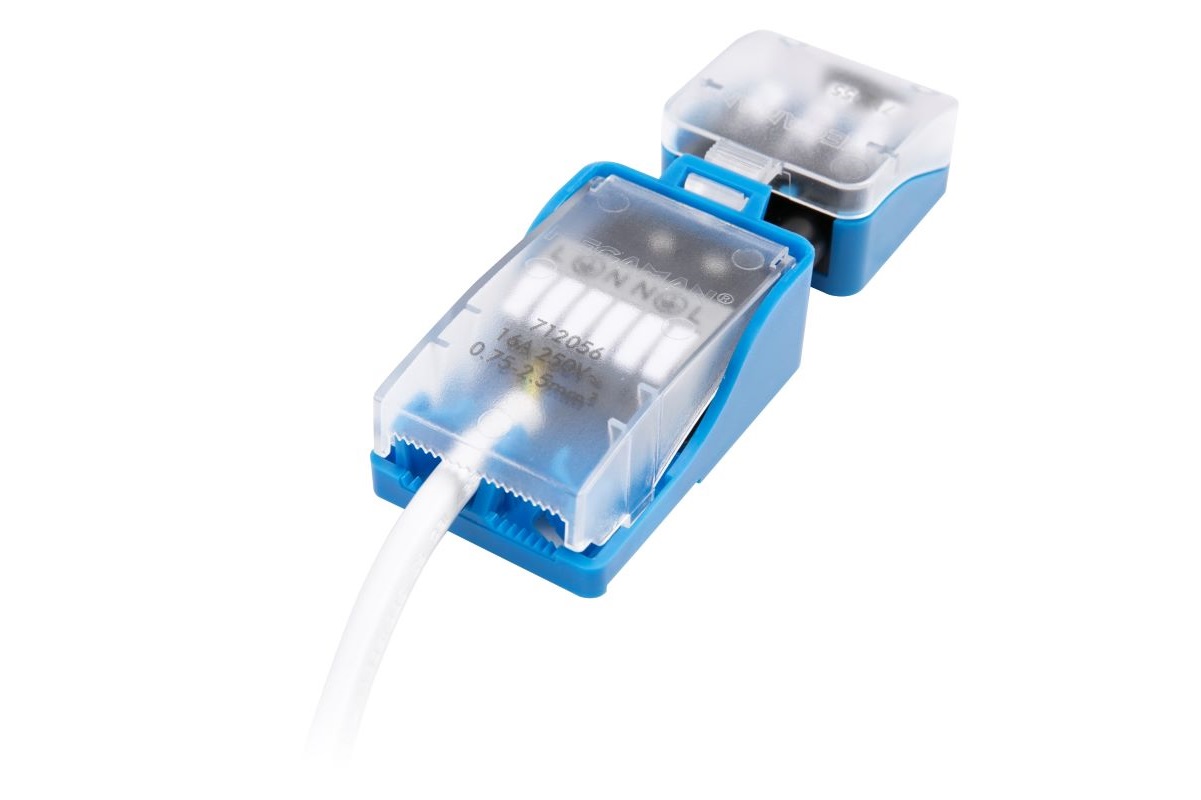
Megaman releases new level connector for lighting installations
Megaman has released a new and practical MEGAquick Lever Connector for lighting installations with hassle free connect and go technology. With simple loop in / loop out lever connectors and large, easy push-in terminals, it is designed to enable an effortless first and second fix with no tools required. In addition, featuring translucent and quick release covers, it allows installers to carry out safety inspections as quickly as the product name suggests. Micaela Abbott, Sales Director at Megaman, comments, “The MEGAquick was developed directly by working contractors after gaining feedback that installers were really looking for a quick, reliable and efficient solution to help them ensure consistently compliant installations every time. “The answer to this for us was the MEGAquick Lever Connector, which is a great addition to our range as it should really help installers save time on site and takes the hassle out of the job. “The Lever Connector is the electrical contractor’s toolbox essential. It is compatible with up to 2.5mm² thick cables and works with all types of lighting fixtures in various household applications and similar building installations where a connection between solid and fine-stranded conductors is required. It is already connected and part of our new FR-PRO GU10 fire-rated downlight and will be included with other new products due for launch later this year – it’s a really handy bit of ‘fit-and-forget’ kit.” MEGAquick also has secure two-direction strain relief for cables to ensure a tougher and longer lasting wiring life and reduce the possibility future electrical network issues and the need for costly quality assurance checks. MEGAquick is available in a 40-piece display pack, making it ideal for wholesalers. For more from Megaman, click here.