2 November 2026
Product of the Month: Amari Floodlight range by Aurora Lighting
 
20 November 2026
Ovia: Delivering performance and flexibility across every sector
 
20 November 2026
Exclusive: how to prepare a building for future technology
 
20 November 2026
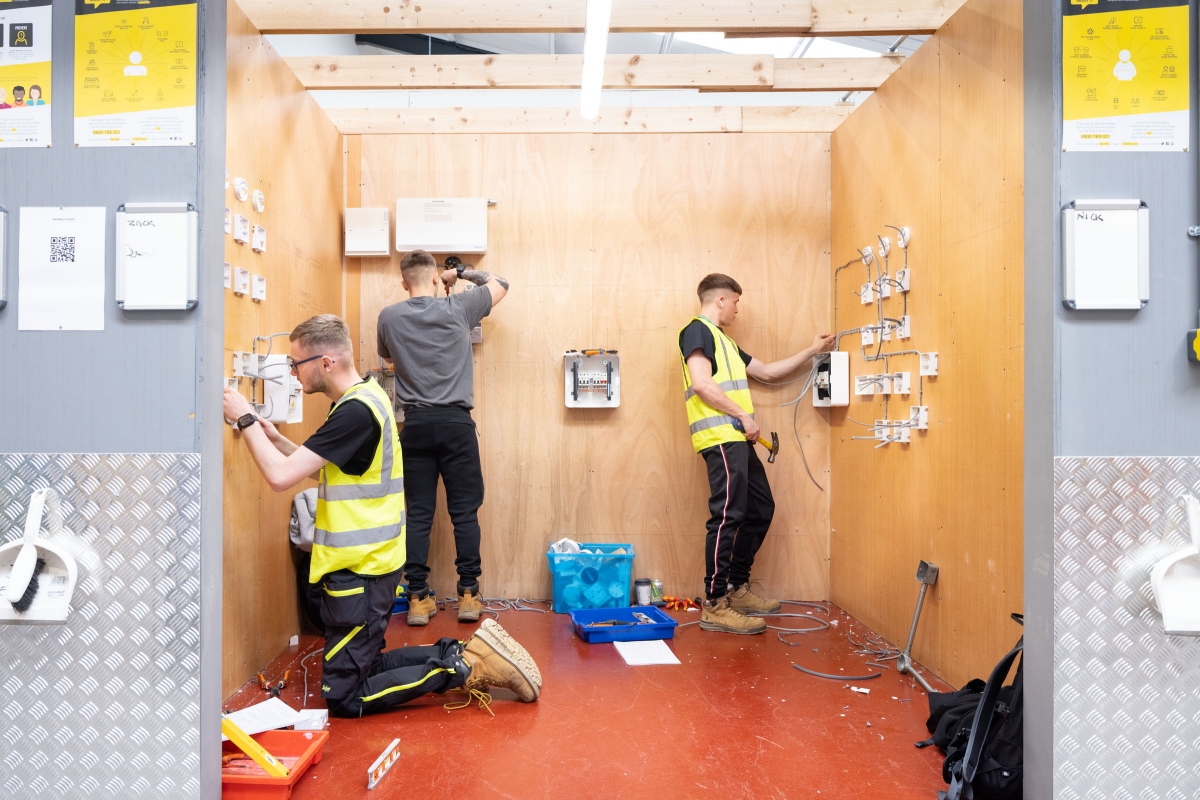
Smart Energy Training adds electrical apprentices to portfolio
 
19 November 2026
UK Power Networks awards £4m energy flexibility contracts
 

Latest News


Vent-Axia tackles overheating in new builds
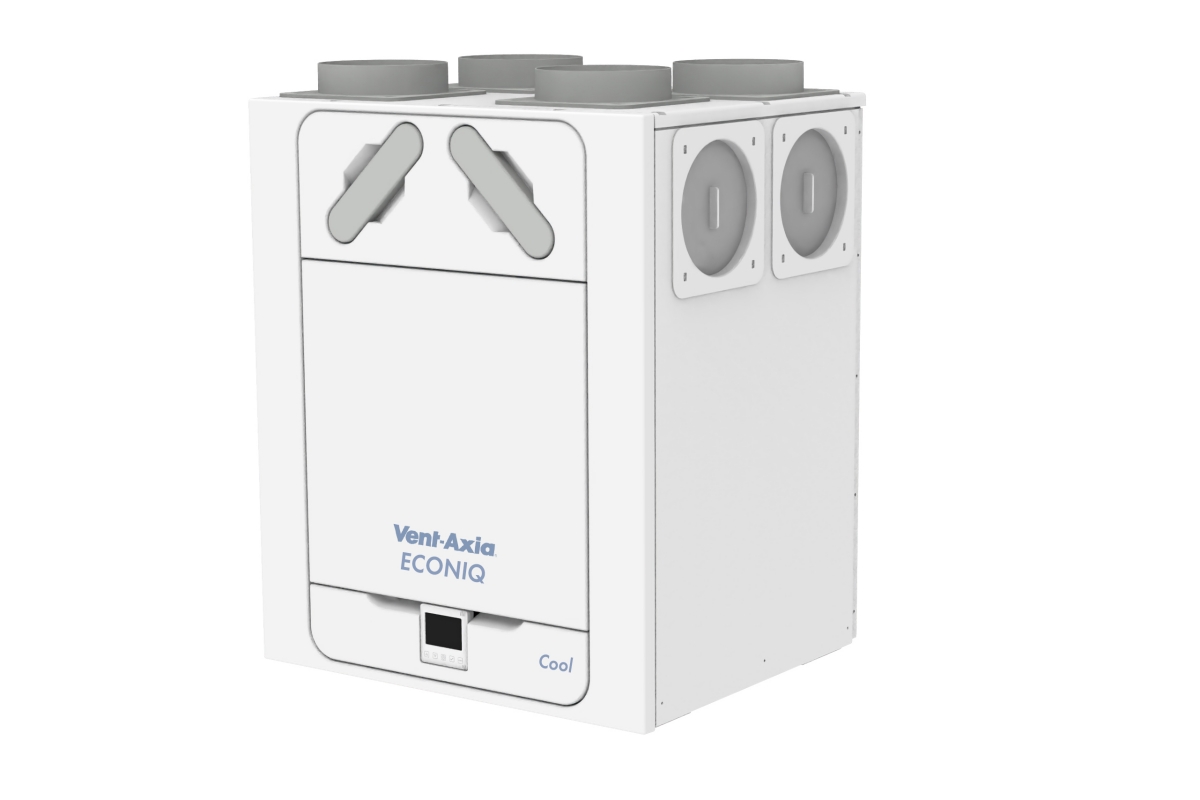
British ventilation manufacturer Vent-Axia has launched the Lo-Carbon Sentinel Econiq-Cool (KERS) in partnership with KERS, introducing what it describes as a "2-in-1 solution that provides renewable hot water and free cooling." The system combines Vent-Axia’s latest Mechanical Ventilation with Heat Recovery (MVHR) unit with a KERS Coolboost Heat Pump, marking the latest addition to Vent-Axia’s growing cooling range. Designed to help housebuilders manage overheating in new build homes, the energy-efficient MVHR unit features new integrated controls that enable communication with the hot water air source heat pump. As a result, the Lo-Carbon Sentinel Econiq-Cool (KERS) intends to improve indoor air quality for households while delivering higher levels of comfort by "intelligently" heating hot water and cooling habitable spaces. The Lo-Carbon Sentinel Econiq-Cool (KERS) seeks to provide housebuilders with a compliant and effective cooling solution that meets the requirements of Part O of the Building Regulations and CIBSE TM59. The system monitors comfort temperatures defined by the user, and when cooler outdoor air is insufficient to reduce internal temperatures via the 100% summer bypass, it automatically signals the heat pump to activate cooling. The Lo-Carbon Sentinel Econiq-Cool (KERS) then combines the airflow from the MVHR with the cool exhaust air from the heat pump via built-in dampers. “New-build homes are increasingly overheating as they become more thermally efficient to improve energy efficiency and reduce carbon emissions. As a result, housebuilders are keen to find cooling solutions that comply with Part O and CIBSE TM59," says Steve Pearce, Product Manager at Vent-Axia. "The Lo-Carbon Sentinel Econiq-Cool (KERS) is therefore ideal since it offers year-round comfort, combining all the benefits of our market-leading mechanical ventilation with heat recovery, with free cooling, and renewable hot water.” During the cooler months, households could see the MVHR providing up to 93% heat recovery. The Lo-Carbon Sentinel Econiq-Cool (KERS), according to the company, also offers quiet operation with sound levels as low as 15.5dB(A) (independently tested and verified sound data by SRL). To further minimise noise, the unit is developed with an integral acoustic enclosure, made of steel, foam, and expanded polypropylene (EPP). Additionally, its motors are positioned on anti-vibration mounts to mitigate vibration transmission. It also has a new Sentinel-X Control platform that features an array of sensors and controls, including Sentinel-X Wireless Temperature Sensors. The Sentinel control logic built within the MVHR has a built-in intelligent humidistat, frost protection, and summer bypass. The Lo-Carbon Sentinel Econiq-Cool (KERS) is controlled by the Vent-Axia Connect smartphone app as standard, and the app is available for free on iOS and Android. The product's MHVR filter options provide features such as improving IAQ by removing allergens and particulate matter, maintaining the system’s energy efficiency, reducing heating and cooling costs, and enhancing longevity of the system. An ISO 60% Coarse (G4) filter is supplied as standard. To further improve IAQ ISO ePM 10 50% (M5) and ePM2.5 70% (F7) filtration options are available. For more from Vent-Axia, click here.

Rexel and Denmans form 'electrifying' partnership with EFL
Football legends helped officially launch the EFL (English Football League) and electrical wholesaler Rexel and Denmans two-year partnership at a colleague event last week. Sky Sports’ Michelle Owen led a fireside chat with John Barnes and Clinton Morrison around the importance of grassroots and community in football, as well as career highlights and how they can ‘power dreams’ of the next generation of footballers. Rexel and Denmans’ two-season deal will see the electrical wholesaler highlight its commitment to football across the EFL’s three divisions until the end of the 2026/27 season. The partnership with EFL is Rexel and Denmans’ first foray into English professional football and will see investment in grassroots football and strengthening of community ties. Initiatives planned for 2025/26 season include: • The Goal-den Ticket Giveaway — Hundreds of match day tickets and VIP hospitality experiences for Rexel and Denmans customers to games across all competitions and major finals. • Powering Dreams Football Kit Campaign — Rexel and Denmans will provide new kits to hundreds of grassroots football clubs. • Money-Can’t-Buy Experiences — Trophies and football legends visits to Rexel and Denmans branches throughout the season, offering the chance to win match balls and other experiences. Natalie Moss, Chief Digital Marketing & Transformation Officer, Rexel UK, comments, “We're incredibly proud to deepen our commitment to football through these significant partnerships. "This collaboration goes far beyond the pitch. It's about investing in the heart of our communities, nurturing talent, creating unforgettable experiences, and ultimately powering the dreams of individuals and families who live and breathe the game.” Ben Wright, Chief Commercial Officer, EFL, adds, "With Rexel and Denmans branches situated in the heart of EFL communities, the partnership demonstrates the League's ability to offer on-the-ground, local activation on a national scale. "We're proud to be Rexel and Denmans’ first-ever English football partner and look forward to helping build long-term engagement in our communities between customers, colleagues, clubs and supporters." As an 'Official Supporter' of the EFL, Rexel and Denmans will have a presence at the EFL’s five Wembley finals in addition to exposure on the EFL website and digital and social media channels. For more from Rexel, click here.

NICEIC urges certified businesses to check their records
This summer marks five years since the introduction of mandatory Electrical Installation Condition Reports (EICRs) for private rented homes in England. NICEIC, a certification and training body for the electrical industry in the UK, is encouraging contractors to check their records to confirm whether there are properties they conducted EICRs on in 2020 due for renewal. Under legislation introduced in June 2020, landlords must have electrical installations in privately rented properties inspected and tested at least every five years by a qualified and competent person. With the fifth anniversary now here, many properties will require updated reports. Paul Collins, Technical Director at NICEIC, says, “We’ve reached a key milestone, with five years now having passed since the introduction of The Electrical Safety Standards in the Private Rented Sector (England) Regulations. "Now is the time for contractors to check their records and support clients by identifying EICRs that are due for renewal. This is not only about compliance, but also ensuring ongoing safety for tenants and properties. “Contractors can play a vital role by reminding landlords of their legal responsibilities and offering timely support. This presents an opportunity for NICEIC-certified businesses to strengthen relationships with their customers and demonstrate leadership and commitment to safety and compliance. "Helping your customers stay compliant is a real value-add. NICEIC-certified businesses are ideally placed to lead the way in maintaining standards across the private rental sector.” NICEIC-certified businesses can check their records using the NICEIC Online Certification System. For more from NICEIC, click here.

National skills roadmap 'key to catalysing grid reform'
According to UK engineering consultancy Egis, the success of the government’s vision for a clean energy future hinges on its ability to address the growing skills gap. This follows the news that ‘shovel-ready’ wind and solar farms will be prioritised for grid connections, a move that replaces the longstanding first-come, first-served approach, which has led - Egis argues - to "unviable schemes holding up clean energy projects ready to plug in." The company says it has welcomed this decision, recognising it as a crucial step in unlocking the nation’s renewable energy process and accelerating towards net zero. Yet the business has also warned that for communities across Britain to ‘benefit from good jobs and investment in the clean energy economy,' the industry needs to see the short- to medium-term government initiatives that will be taken to close the estimated shortfall of 200,000 workers. As a recent investor in the sector through various acquisitions, Egis has similarly committed to supporting the rapid deployment of sustainable infrastructure that will power the energy transition. “We applaud the government’s commitment to accelerating clean energy development,” comments Joanne Moran, Director for Water, Environment, Energy Transition, and Nuclear at Egis UK & Ireland. “But the success of this vision depends on more than just expediency and infrastructure – it requires people. “While businesses like Egis are adopting various initiatives to attract and retain talent, such as apprenticeships and graduate programmes, we need a national roadmap to develop the specialist skills required to drive this transition forwards.” Egis believes that a coordinated approach will attract further private investment into the sector, helping the government meet its goal of almost fully powering the country with clean electricity by 2030. Joanne continues, “Clear directives from the government will not only help bridge the skills gap, but they will also signal that the UK is serious about delivering on its clean energy ambitions. This kind of certainty is essential to unlocking the scale of private investment required to do so. “When that happens, it’s not just the investors who win – communities will benefit from more jobs, better infrastructure, and long-term economic growth.”

Power tools and industry solutions: Engineered for power
In today’s fast-paced trades environment, reliable tools are essential for working efficiently and safely. Whether you’re cutting, drilling, grinding, or fixing, having the right equipment can make all the difference in finishing a project on time and to a high standard. That’s why access to a wide range of trusted, high-performance power tools designed specifically for professional use is vital. At the heart of modern trades is the need for comprehensive equipment that can withstand the demands of real job sites. From everyday essentials to specialised kits, tradespeople require tools that are built to last, perform consistently under tough conditions, and deliver results first time. Leading brands like Milwaukee, DeWALT, and Makita are recognised worldwide for their unwavering performance and durability, ensuring that professionals always have access to the serious equipment needed for any task. Speed and availability are crucial. When a drill bit breaks or a key component fails, downtime impacts productivity and costs money. That’s why flexible, quick delivery options, including next-day shipping in many areas, are essential. With access to over 390 CEF branches nationwide, tools are always close at hand, helping teams stay on schedule and avoid unnecessary delays. This rapid turnaround keeps tradespeople equipped, prepared, and ready to work, wherever they are. Equally important is expert support. Skilled teams who understand the realities of the trade can help you select the right tools for your specific needs - whether you’re kitting out a large crew or replacing a single cordless drill. They work closely with tradespeople to find the best fit from the start, saving time and ensuring safety standards are maintained on site. But the support doesn’t stop there. Industry professionals also benefit from insightful content and advice. From detailed product reviews and clever tool pairings to industry trends and efficiency tips, the aim is to help tradespeople stay ahead of the competition. Practical information like this not only boosts productivity but also promotes safer, smarter working practices. Modern trades require smarter solutions, advanced charging systems, faster power delivery, and equipment that can keep pace with the toughest demands. Tradespeople and companies are continually seeking innovations that improve performance, extend tool lifespan, and make on-site operations more efficient. Having the right tools can help teams work smarter, reduce operational costs, and achieve better project outcomes. Ultimately, choosing the right equipment and leveraging industry knowledge can significantly boost a tradesperson’s productivity and success. Whether working on a small job or a large-scale project, dependable, high-quality tools and expert support make all the difference. In summary, a broad selection of trusted brands, fast delivery, and trade-focused advice ensure that tradespeople are always ready to meet their challenges head-on. More than just a supplier, it’s about helping professionals work smarter, safer, and more efficiently every day. For more from CEF, click here.

Burdened by mess, besieged by thieves: The state of UK vans
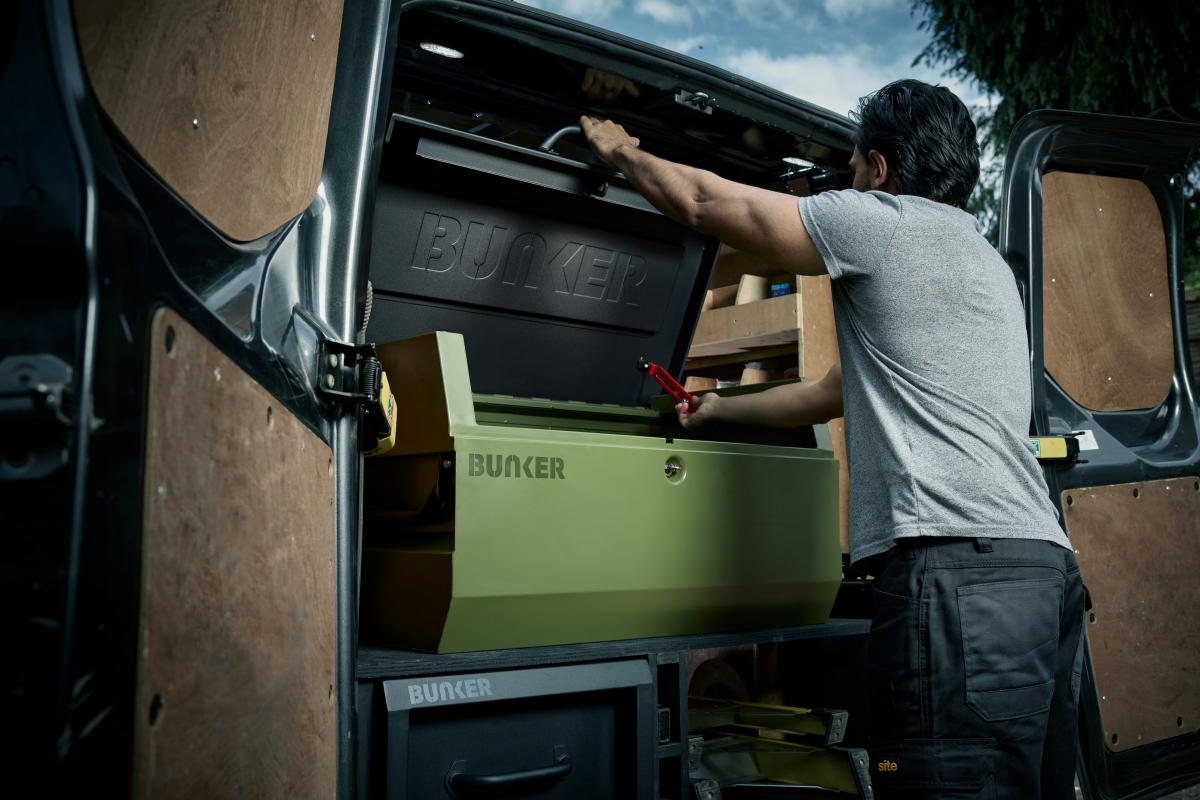
The state of UK tradespeople’s vans has been revealed by research from storage brand Bunker, with 77% admitting that their messy vans even affect their mental state. More than half of tradespeople in the UK describe their van as being messy and over a third wish they could get their vans more organised. Almost an hour a week lost to van mess Britian’s messy vans are more than just eyesores, they’re costing tradespeople valuable time, with a total of 30% saying they often waste time hunting for tools and essentials in the back of the van. On average, tradespeople waste the best part of an hour (51 minutes) each week searching for items in their vans. That could be as much as 40 hours and 48 minutes per year lost to looking through mess. Just under a quarter of tradespeople blame their busy schedules for their van mess, saying they don’t have the time to keep their van as organised as they’d like to. The picture isn’t clear cut though, there is an organised 41% of tradespeople who say they know where everything is in their van. In addition, a neat and tidy 32% of tradespeople say they take pride in the organisation of their van. Van mess and threat of theft damage mental health More than three quarters of tradespeople admitted that the state of their van can get them down. While chaotic vans clearly aren’t good for mental wellbeing, it’s nothing compared to the worries tradespeople face about having their van broken into and tools stolen. The Bunker research found more than a third of tradespeople said tool theft was a daily worry for them. Already widely known as a huge issue in the industry, a recent update (2025) from On The Tools revealed that nearly 90% of tradespeople are worried about tool theft - highlighting just how widespread the issue is. Despite several high-profile campaigns, petitions, and media attention, very little appears to have changed and the threat of tool theft remains a huge source of anxiety for UK tradespeople. Over a third of the tradespeople polled by Bunker felt that it was their biggest worry at work. New product hopes to offer an answer Storage brand Bunker commissioned the research as part of the launch of its new van storage collection, which aims to protect and organise tradespeople’s tools. Sarah Hartland, Head of Marketing for Bunker Storage, comments, “We know that tradespeople are some of the hardest workers out there - it’s a stressful job, with long hours, challenging conditions, and the perpetual threat of tool theft. With all that going on, it’s no wonder some trades just don’t have time to keep their vans as organised as they’d like to. “As part of creating our van storage range, we really wanted to listen to the industry, to understand their concerns and how we could help make life easier. While the issue of theft is multifaceted, we want to play our part with solutions that offer protection and reassurance. "That’s why the Bunker van storage range is packed with anti-theft design features including a Bluetooth tracker holder on every storage box. We’ve really tried to put security at the heart of this range - alongside organisation, to help give the nation’s hardworking tradespeople peace of mind.” The products include stackable boxes lined with EVA foam, plus sliders and storage boxes designed to withstand heavy loads. Each item also has a built-in holder for a Bluetooth tracker, such as an AirTag or SmartTag.

Birmingham electrician invents new electrical safety device
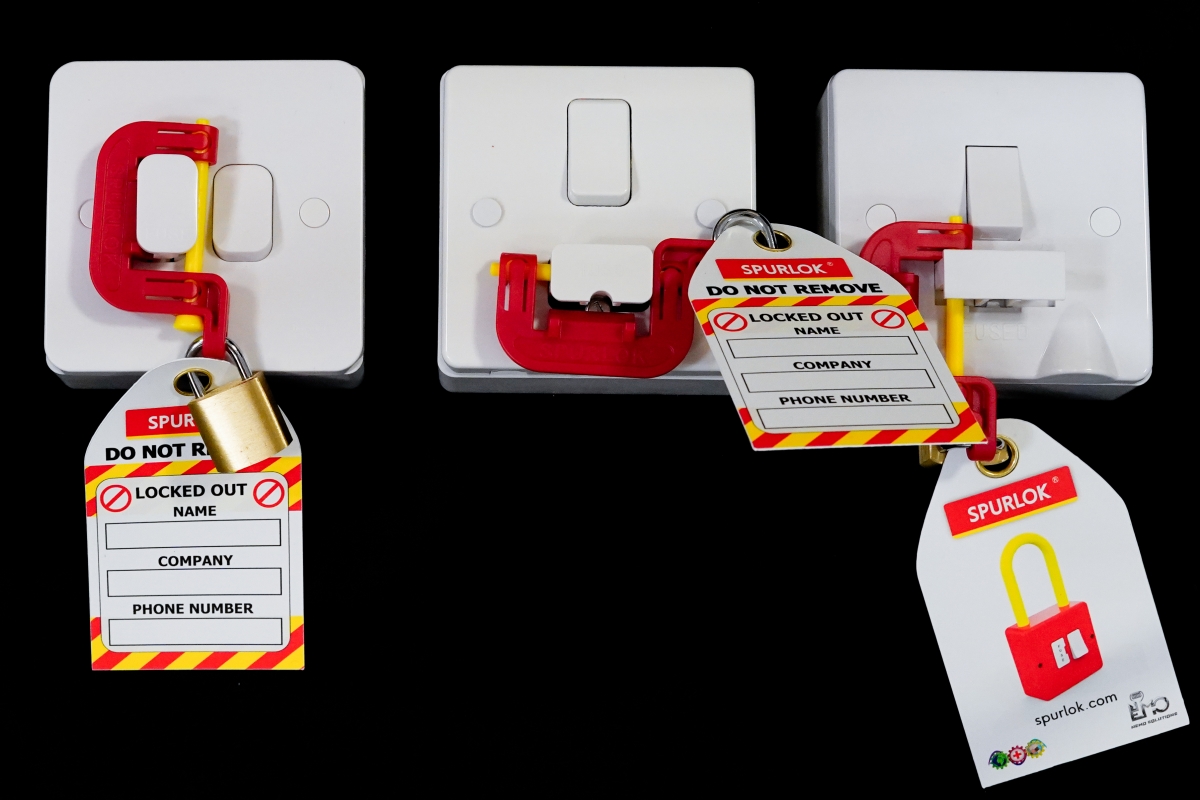
When Birmingham-based electrician Neo Mosudisa came across a dangerous appliance that had given someone an electric shock and didn't have the lockout tool he needed to make the appliance safe, he went and invented one. He created a simple solution to a problem that has existed in the UK for years, and his innovation - the Spurlok Fused Spur Lockout Kit - would become a functional solution for isolation from fused spur units. Spurlok is a "one-size-fits-all solution," meaning that a single Spurlok device can be used to safely isolate appliances supplied from various types of fused spur units. Spurlok kits work by securing the fuse carrier in the open position where it can be fastened using a padlock to safely disconnect the supply of electricity to the isolated appliance. A tag containing the name and contact details of the person responsible for the isolation is then used to inform others and warn them not to interfere with the isolation. In the UK, all appliances that require a British standard fuse (BS1362) but do not have a plug need to be supplied by fused spur units for circuit protection purposes. This makes the fused spur unit one of the most common electrical fittings in households and businesses across the UK. Appliances such as boilers, water heaters, lights, sockets, and hand dryers (to name a few) can be - and often are - supplied by fused spur units. Fused spur units are commonly used as a point of electrical isolation amongst electricians and engineers whilst carrying out maintenance work on appliances. The lockout prevents any intentional or inadvertent reconnection of the appliance to its electrical supply, as outlined in electrical regulations such as BS7671, Gas Safe's TB118, and Electricity at Work Regulations 1989. Neo believes that Spurlok will improve safe working practices and revolutionise the way safety products are perceived for years to come. He says he is committed to making that become a reality. Since launching earlier this year, Spurlok Fused Spur Lockout Kits have reportedly been a popular addition to the tool bags of electricians and gas engineers across the UK. As a former apprentice, Neo says he is passionate about raising awareness of the importance of electrical safety amongst apprentices and learners, and improving the working practices that help keep themselves safe whilst at work. He also recognises that the habits he formed during the early years of his career have stuck with him, and believes that if learners can grasp good habits early on, they will carry them on for the rest of their lives.

Carhartt launches heritage graphic T-shirt range
American workwear company Carhartt has unveiled a new graphic T-shirt range that, according to the company, "reflects the brand’s heritage while delivering comfort, durability, and performance." Two of the men’s designs take inspiration directly from Carhartt’s origins in the late 1800s, back when the company began making rugged workwear for railroad workers. The Hamilton Graphic T-Shirt celebrates founder Hamilton Carhartt with archive-inspired graphics on the chest and sleeve. Alongside it, the Streetcar Graphic T-Shirt honours the brand’s roots, featuring streetcar artwork across the chest pocket and sleeve. Both are made from soft cotton-blend jersey. The Carhartt Force Series Logo Graphic T-Shirt combines sweat-wicking FastDry technology with mesh ventilation panels, intending to keep workers cool and comfortable. Raglan sleeves aim to allow greater freedom of movement and the drop tail hem is for providing extra coverage on site. Meanwhile, the Relaxed Fit Logo Graphic T-Shirt has been designed for versatility. Made from cotton/poly vortex jersey, this tee is intended to be soft and lightweight with a classic Carhartt logo print. Carhartt has also expanded its women’s range in response to feedback from tradeswomen. The TENCEL Script Graphic T-Shirt has been built from breathable TENCEL fibres blended with cotton, and the loose fit "sits comfortably at the hip," with both layering and wearing on its own in warmer conditions a consideration. For those who prefer a heavier option, the Love of Labour Graphic T-Shirt is made from heavyweight cotton with a large Carhartt graphic print on the back. For more from Carhartt, click here.

JTL campaigns for employers to back apprenticeships
JTL, a UK apprenticeship provider in the building services engineering sector, has launched a new campaign urging employers to take on apprentices and invest in their future workforce. The campaign, Powering Apprenticeships. Fuelling Business, comes at a time of mounting pressure on the UK’s skilled trades. With demand growing in core areas such as electrical installation, low-carbon technologies, and heating and plumbing services, JTL is appealing directly to employers to act now and secure the next generation of qualified professionals in these safety-critical industries. JTL currently supports over 8,000 apprentices in partnership with more than 3,800 employers across England and Wales - mostly small and micro businesses. The independent training provider delivers employer-aligned training, as well as offering apprentices tools and support. Apprentices are trained through JTL’s nationwide network of centres and are supported by dedicated training officers who guide and mentor them through every stage of their apprenticeship. Recent reforms to funding have increased the accessibility of apprenticeships, particularly for small businesses. Employers with fewer than 50 staff can now access fully-funded apprenticeships for individuals aged 16 to 21, helping to reduce upfront costs associated with recruitment and training. Data from the Centre for Economics and Business Research indicates that Level 3 apprentices generate an estimated net benefit of over £2,500 per year to their employers during training - even before accounting for long-term gains in productivity, retention, and workforce resilience. However, a national employer survey, recently carried out by Pye Tait for The Electrotechnical Skills Partnership (TESP), found that when asked about future apprenticeship intentions, 44% intend to recruit similar numbers, but 39%, mostly small or micro businesses, plan to recruit fewer. Hayler Tabberer, Employer Campaign Manager, says, “Our apprentices are job-ready and supported from the very start. This campaign reflects the energy and confidence we see in our learners every day and in the employers who choose to invest in them.” Chris Claydon, Chief Executive of JTL, adds, “The UK is at a tipping point. The demand for skilled electricians and plumbing professionals is rising rapidly, but the workforce is shrinking. We are seeing some employers hesitate, but now is the moment to lean in. "Apprenticeships are not a cost, they are an investment in future-proofing your business. Our campaign is a direct call to employers: if you want to remain competitive, sustainable, and skilled for the future, it’s time to take action.” For more from JTL, click here.

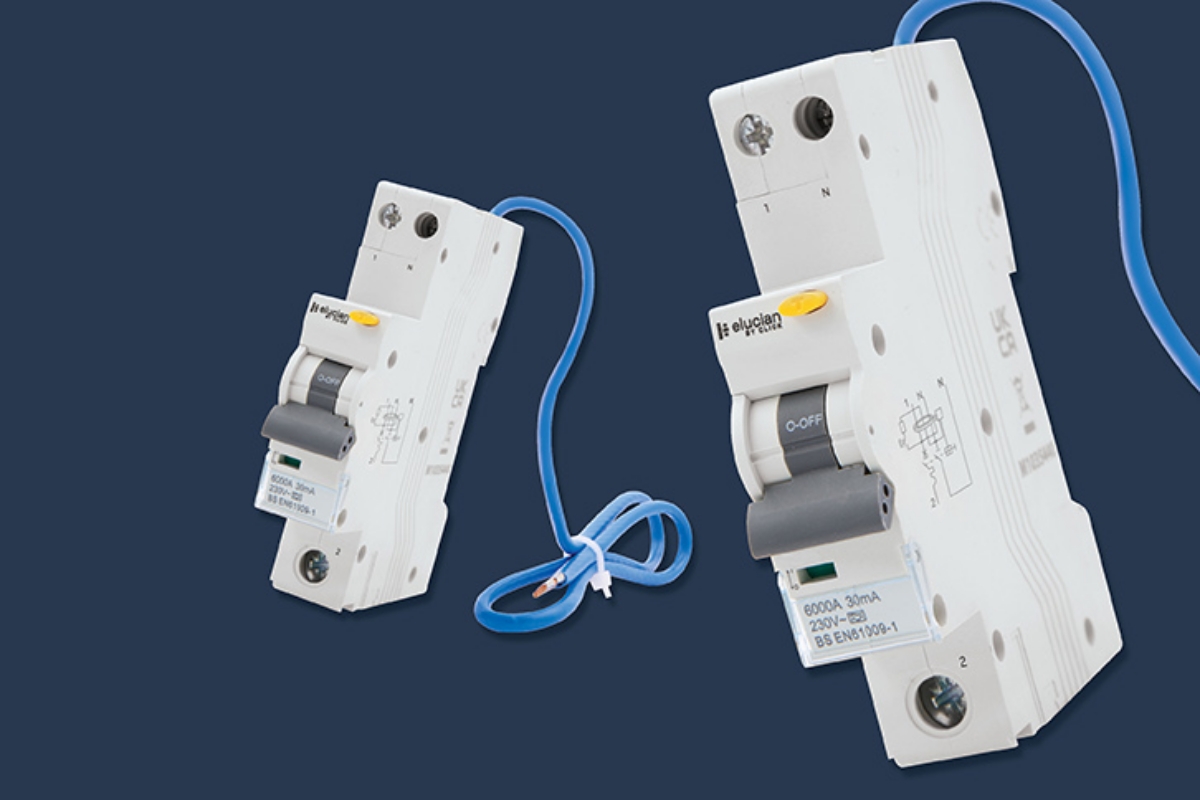
Elucian by Click offers three RCBO devices
Click Scolmore continues to expand its Elucian consumer units and protective devices ranges and now offers three different RCBO devices: a 25A RCBO, a compact one pole and switched neutral (Type A) RCBO, and a bidirectional RCBO. The Elucian Bidirectional RCBO is crucial for ensuring user protection in the event of a fault during a loss of supply. These devices are commonly used with generating sets, where the current can flow in both directions, ensuring that the installer is still protected under fault conditions. Which RCBO? With three different RCBO types available, Click Scolmore provides some insight into each one and their specific uses: • Standard RCBOs, known as one pole plus unswitched neutral, were the norm. Their uses ranged from socket circuits to lighting circuits across the board and they were found in many typical installations. • The second iteration of the device was similar to the aforementioned, but included a switch neutral. This version is quickly becoming the new norm for contractors. These devices are typically used where the installation or the piece of equipment it is serving requires the neutral to be disconnected. For example, Regulation 722.531.3.1 requires RCDs to disconnect all lives. • The latest device, mentioned above, is the bidirectional RCBO which includes a switched neutral. These would be used where energy flow is possible in both directions from a generating set - outlined in Regulation 530.3.201. Examples of such installations would include, but are not limited to, PV systems, battery storage systems, and EV chargers. For more from Elucian, click here.