2 November 2026
Product of the Month: Amari Floodlight range by Aurora Lighting
 
20 November 2026
Ovia: Delivering performance and flexibility across every sector
 
20 November 2026
Exclusive: how to prepare a building for future technology
 
20 November 2026
Smart Energy Training adds electrical apprentices to portfolio
 
19 November 2026
UK Power Networks awards £4m energy flexibility contracts
 

Latest News


Ovia introduces new GU10 LED Lamps
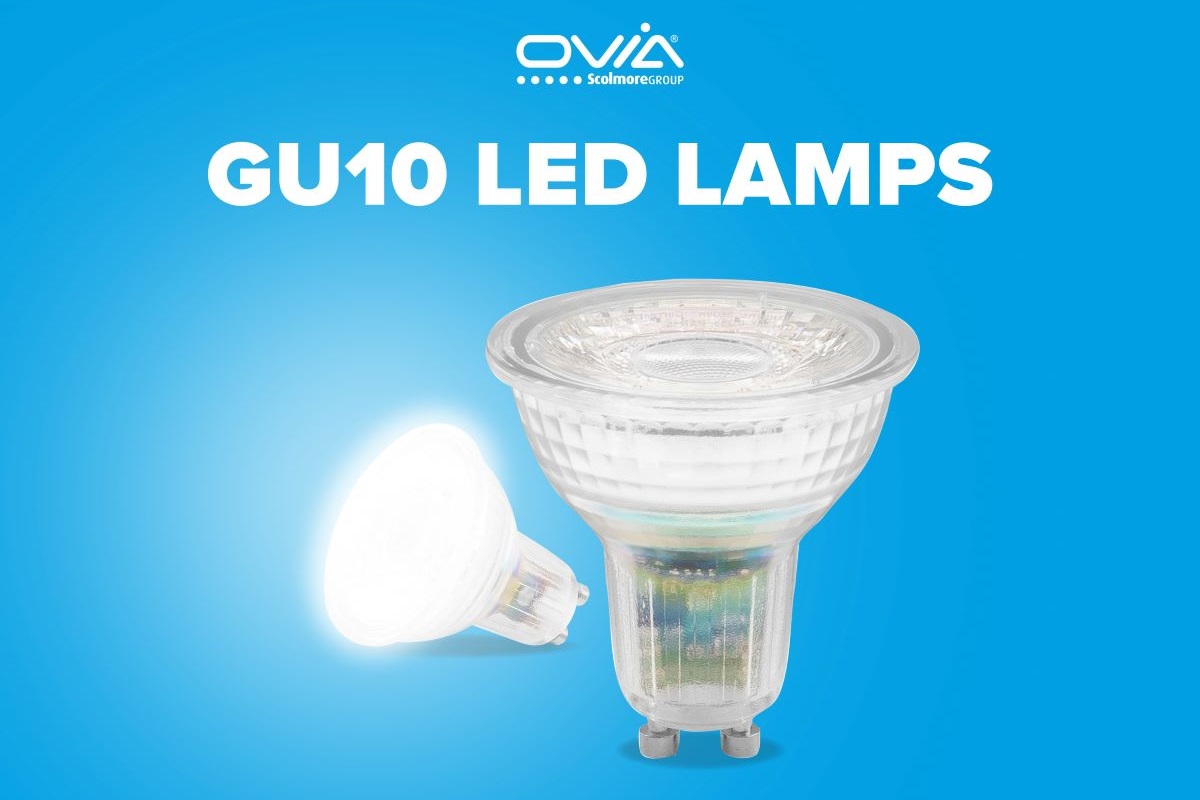
With energy efficiency continuing to drive product development in the lighting sector, Ovia has announced the introduction of new GU10 Glass LED lamps which boast a higher energy class than previous models. Designed to meet growing demands for optimal energy savings, the launch of the new GU10 LED lamps reinforces Ovia’s commitment to providing innovative and sustainable lighting solutions for a wide range of applications. Four new GU10 LED lamps have been added to the Ovia range, offering Class A and Class B energy ratings: • 2W Energy Class A, non-dimmable lamp with a 360 lumen output and 3000K colour temperature • 2W Energy Class A, non-dimmable lamp with a 360 lumen output and 4000K colour temperature • 2.6W Energy Class B, dimmable lamp with a 410 lumen output and 2700K colour temperature • 2.6W Energy Class B, dimmable lamp with a 430 lumen output and 4000K colour temperature These lamps offer installers superior energy efficiency, long-lasting performance, and exceptional brightness, making them an ideal solution for both residential and commercial environments. More information on these products can be found on the Ovia website. For more from Ovia, click here.

New compact Q-Nect IP junction boxes from Unicrimp
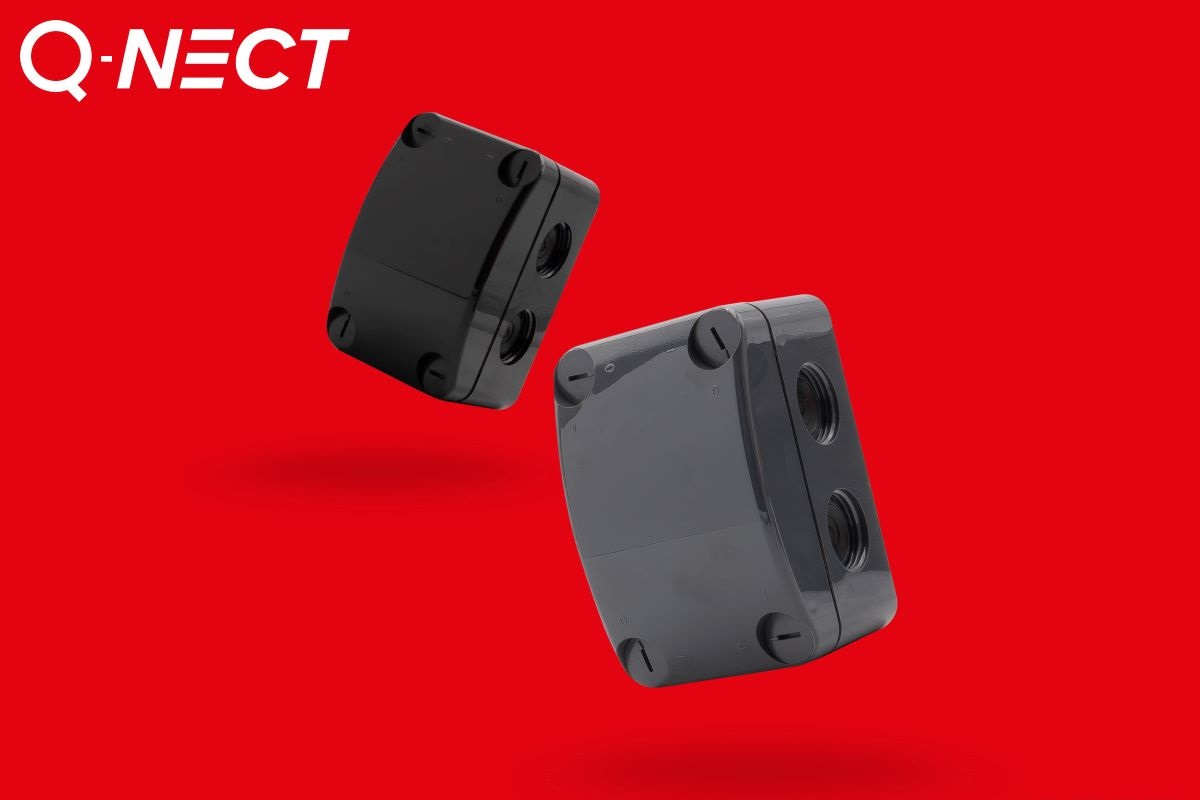
Unicrimp has expanded its comprehensive offering of Q-Nect junction boxes with the introduction of a new, compact version of the original IP66-rated weatherproof enclosure. The new slimline Q-Nect IP junction box measures 85mm x 55mm x 52mm and is designed for maximum efficiency to ease installation in places where space is limited. It comes furnished with four Three-Way Lever Connectors with a curved lid, which provides the installer with additional space for wiring. The lid is also locked using quarter turn fasteners, making the job quicker and easier. The junction box includes eight membrane entry points and offers installers the option of using up to six M20 cable glands. The M20 threaded entries with membrane ensure that the IP66 rating is maintained without needing to use any tools or locknuts. It also offers fixing directly to a wall using four screws into the pre-moulded holes in the base. It is compatible with Unicrimp’s single and double Brass Earthing Plates and is offered in black or anthracite grey finishes, thus also complementing Click Scolmore’s range of Aquip66 outdoor sockets and switches. A Q-Nect brochure can be downloaded from the Unicrimp website, as well as from the Scolmore Group app. For more from Unicrimp, click here.

Budget tax rises threaten small builders, says FMB
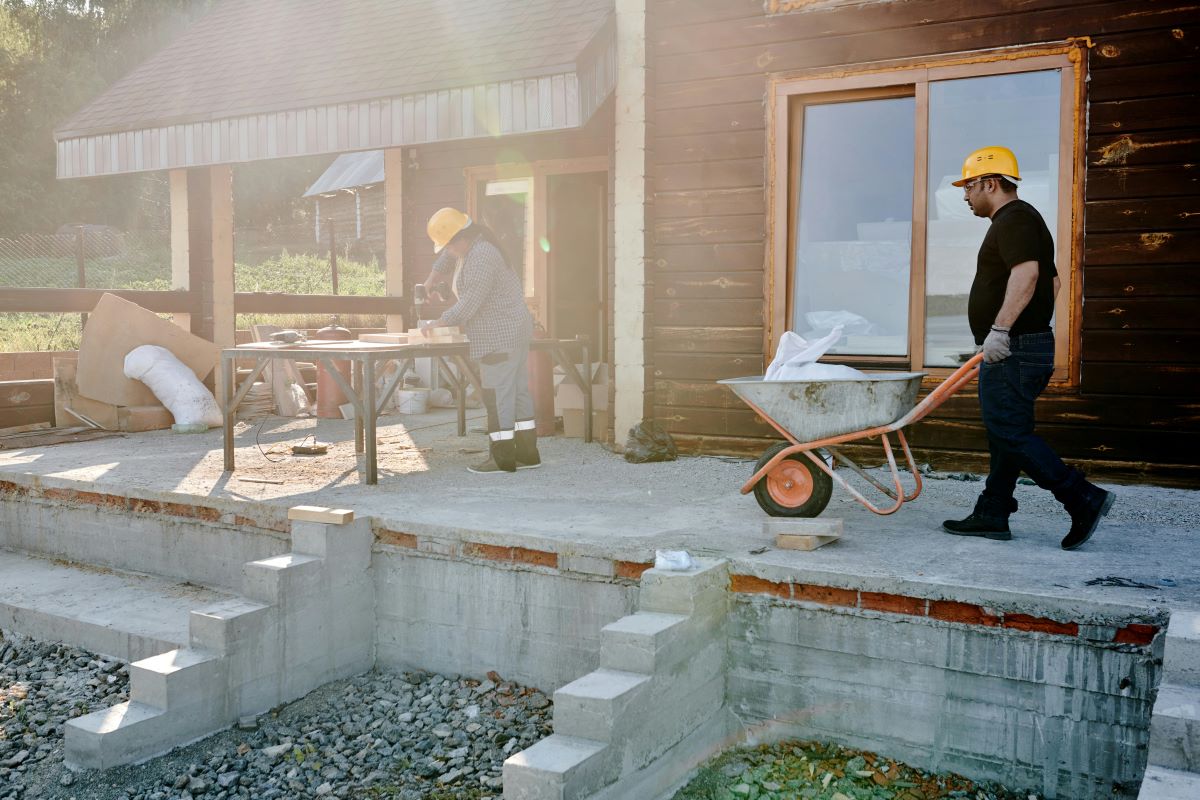
Small building companies may not be able to shoulder the burden of increased business costs if, as widely reported, the Chancellor increases employers’ National Insurance contributions in next week’s Budget, warns the Federation of Master Builders (FMB). Brian Berry, Chief Executive of the FMB, takes up the story: “Many tax rises are being mooted in the upcoming Budget, with employer National Insurance contributions widely tipped as a given. Any increase in employers’ National Insurance contributions would hinder small building companies from growing, especially if this is coupled with wage rises. “Small building companies’ costs have gone up and up and this is impacting their bottom lines. Over half of FMB members are reporting that their businesses are on track to make a loss, and over a quarter are reporting that they are restricting the hiring of new staff. If the Government is serious about economic growth, it should be empowering and not undermining those companies that are seeking to build the much-needed new homes and make the existing ones more energy efficient. “If the Government wants regional economic growth, then it should consider incentivising homeowners to make their homes more energy efficient. This would benefit every community across the country. We know improving the energy efficiency of private homes could grow builders’ businesses and supply chains, especially in the country's historically underinvested areas. The current tax system also doesn't help and needs addressing. Complex VAT arrangements are leading to homeowners missing out from benefiting from cheaper energy efficiency installations, as the paperwork is too onerous for them or the builder! "While I don't expect house builders to receive much in the Budget, it would be good for smaller house builders, who have been in sharp decline, to see something to help them regain market share. A commitment to significantly boost planning officer numbers and encourage more into the public sector in the long term would be welcome news. While I acknowledge commitments have already been made in this area, they barely scratch the surface." For more from FMB, click here.

EDP tests construction of solar park with automation technology
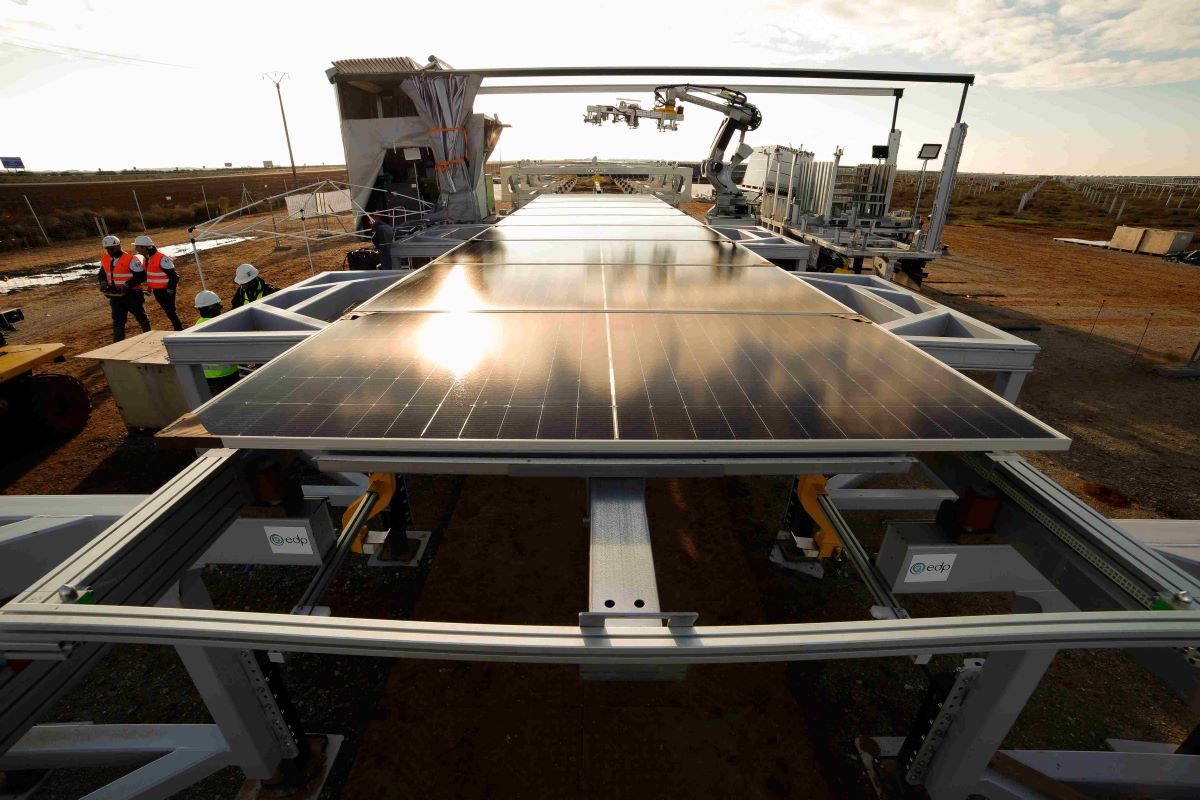
EDP, a renewable energy specialist, will test the construction of its first photovoltaic solar park under real life installation conditions on a large scale with the automation technology, Hyperflex. The project, named AutoPV, is located in Peñaflor, Valladolid, Spain and will use automated solutions in 3MW of the total 122MW of installed capacity, through a robotic solution. This is the first time worldwide that the technological solution, based on robotics and advanced computing, developed by Comau, has been tested in real installation conditions in an EDP solar park. With an ambitious portfolio of solar projects globally and a growing focus on technology and the hiring of qualified professionals, EDP's innovation area identified an opportunity to automate some of the construction operations of a photovoltaic park. In 2022, EDP began an in-depth study of the technological automation solutions and, after several analysis phases, moved on to the implementation of the project in July of this year. António Coutinho, CEO of EDP Innovation, comments, "EDP is at the forefront of the global trend of automation in the renewable energy sector. By investing in a solution as innovative as this, we contribute to making the construction of solar parks faster, more efficient, safer and more sustainable. We believe that technology and innovation are a decisive ally in accelerating the energy transition, and that's why this is a strategic axis of investment and growth for EDP on a global scale". By investing in the automation process, EDP aims to achieve greater efficiency in the construction of solar parks, significantly accelerating the project schedule, with the expectation of reducing the assembly time of the solar panel structure by up to 50%. This model of human-machine collaboration also allows robots to perform the heaviest tasks, such as handling structures and solar panels, while workers dedicate themselves to more specialised technical functions, creating an effective balance between technological strength and human expertise. In addition to improving efficiency, automation directly contributes to increased safety in the workplace. This process opens up room for continuous improvement, as automated technology makes it possible to identify and implement optimisations in future projects, ensuring progressive progress and greater speed in the construction of solar parks, allowing the energy transition to be accelerated. António continues, "The pilot in Peñaflor is just the first step in introducing automation solutions into EDP's robust solar business plan. EDP's goal is to transform this into a global and integrated process, capable of generating competitive advantages for all the company's operations and enhancing our human capital for more qualified activities". The project is supported by the automation technology of Comau, an Italian company and global leader in the design and manufacture of robots and automation solutions for different sectors, such as automotive and shipbuilding. The pilot project consists of the construction of part of the solar park using a mobile factory, called Hyperflex, which includes an automatic assembly station where the photovoltaic structure is pre-assembled, and a rover that transports and positions this structure at the final location on the ground. This entire system is transported in trucks to the solar park, where it is then built and assembled on site. Automation with Hyperflex and the rover has three main phases: unloading and assembly from the truck, operation (i.e. structure construction) and disassembly for the next mission. Pietro Gorlier, Comau CEO, notes, "The collaboration with EDP confirms the importance and added value of automation in renewable energies and particularly, in this case, solar panel installation. It is also a recognition of our constant commitment to developing innovative solutions that are also flexible to respond to different requirements. Thanks to our advanced technology, we allow our customers and partners to experience better quality, increased efficiency, and lower overall costs, helping them contribute to making sustainable solar energy a reality". Currently, 98% of all energy produced by EDP already comes from renewable sources, including solar, where the company has an installed solar capacity of more than 4GW. EDP, as an energy transition specialist, maintains its ambitious sustainability goals, including the commitment to abandon coal-fired generation by 2025, be 100% green by 2030 and achieve net zero by 2040.

New warehouse facility for Ovia
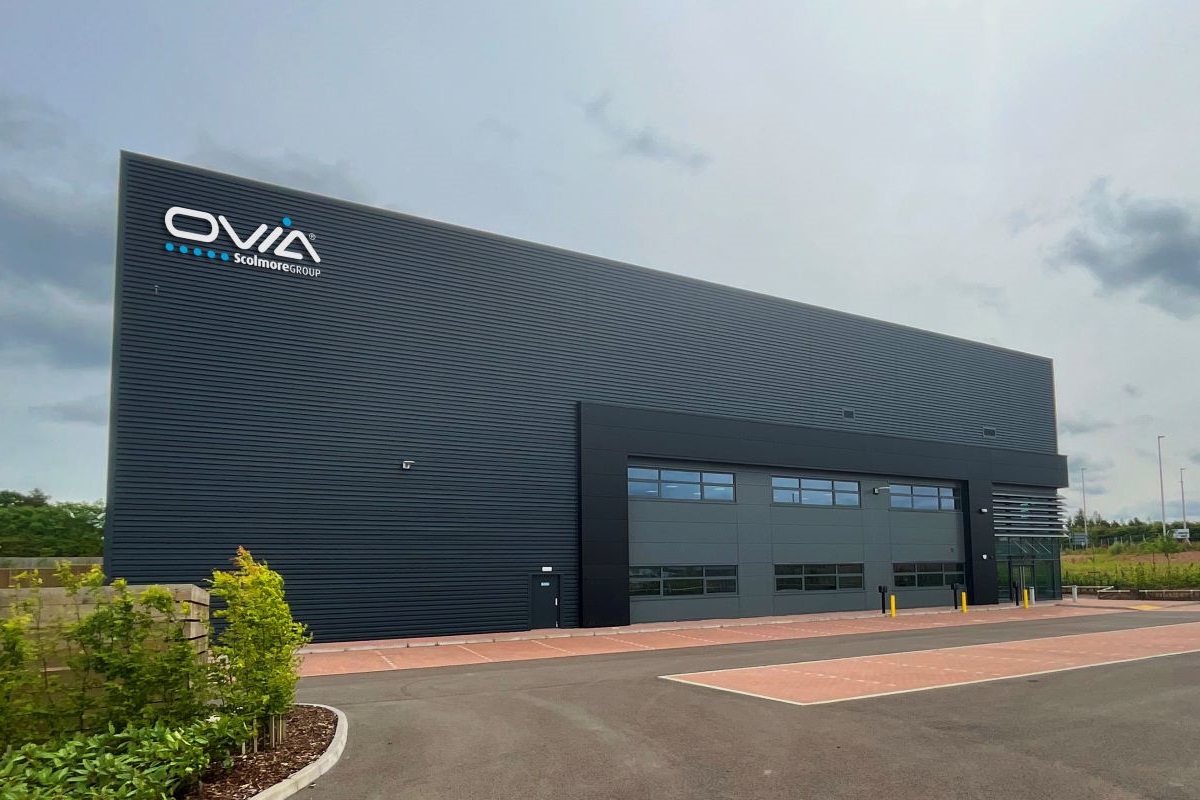
Scolmore Group company, Ovia, has moved its warehouse and distribution centre from its original site in Tamworth, Staffordshire, to brand new, increased-capacity premises in nearby Appleby Magna. As the lighting division continues to expand, the new 51,000 square foot site will not only accommodate an increased number of products, but will play a role in helping the company, and Scolmore Group as a whole, to manage its sustainability targets. The new warehouse unit - Mercia 51 at the Mercia Park development - has been constructed to the highest levels of specification and sustainability. The whole Mercia Park development has been built at net zero carbon in construction, and the Ovia unit is net zero ready, BREEAM Excellent and EPC A rated. The new premises also benefits from solar panels on the roof and 10 active EV parking spaces, with passive infrastructure in place for a further 32 and storage for up to 12 cycles. The relocation of the Ovia warehouse facility is freeing up the original site for other divisions within the Scolmore Group of companies, each of which is enjoying continued growth and expansion. As a measure of the increased capacity for stock holding that the new premises offers, the unit is twice as high as the original warehouse. Mike Collins, Managing Director with Ovia, says, “This is a big move for Ovia and Scolmore Group, and an exciting one too. As a proud family business and large employer in the area, investing in Mercia 51 demonstrates to our employees, customers, and the marketplace that we’re committed to the future.” Mercia Park is one of IM Properties’ first large-scale development schemes to achieve net zero in construction, and Mercia 51 raises the bar further to also be net zero ready. This means the building is optimised so the occupier can achieve net zero in operation. It has been created to a level of specification which sits within IM Properties’ Sustainable Future’s framework and aligns with the Green Building Council (UKGBC)’s recommendations. For more from Ovia, click here.

NVC Lighting partners with packaging supplier
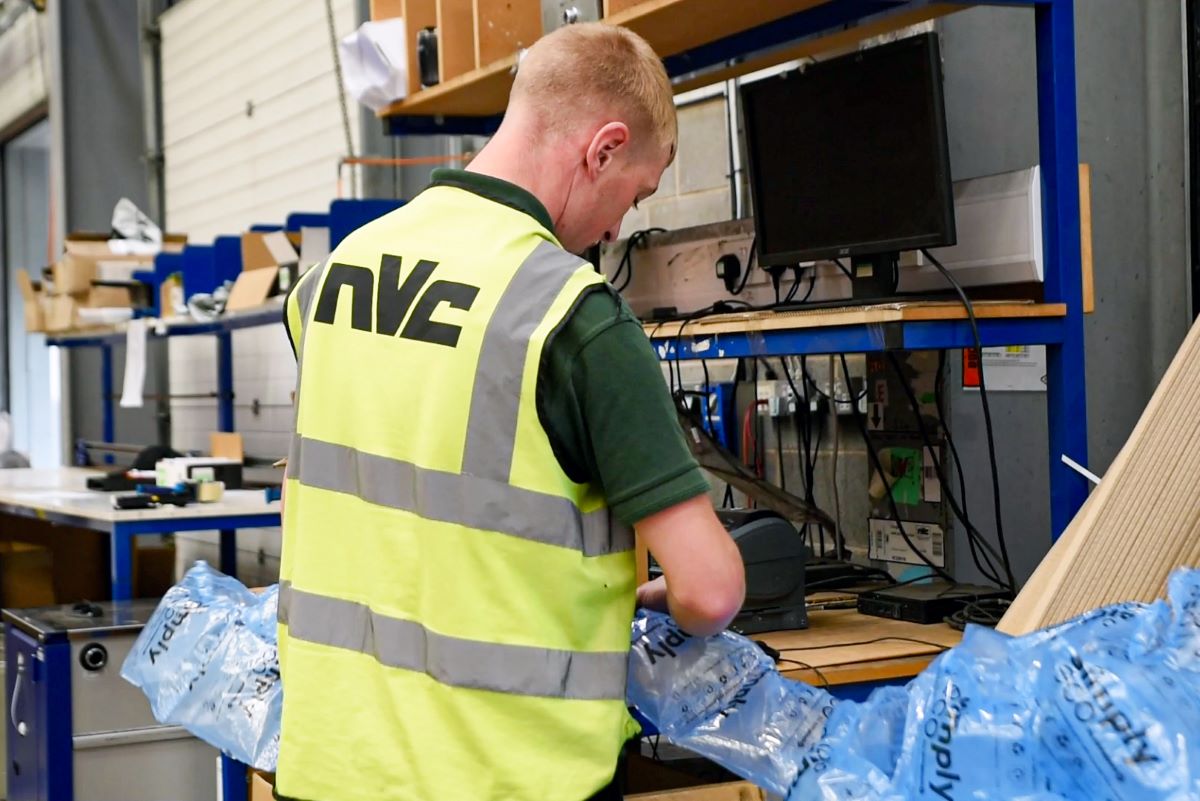
Lighting manufacturer, NVC Lighting, has boosted its environmental credentials by teaming up with packaging solutions provider, Springpack – saving costs and reducing plastic usage in the process. Since implementing Springpack’s Armour Wrap 12 months ago, the NVC Lighting team has achieved an expected cost saving of £4,000, while saving 47kg of plastic compared with previous wrap mechanics. Armour Wrap is a high performance, multi-layered pallet wrap that provides strong puncture resistance, that can be stretched more than a regular wrap and will increase load stability. The partnership is another step in NVC Lighting’s continued attempts towards a more sustainable operation, with the company achieving Carbon Neutral status in 2022. Chris Reilly, Warehouse Manager at NVC Lighting, says, “Working with Springpack and using Armour Wrap has had a real positive impact on day-to-day operations in the warehouse. It’s a reliable, trusted service, helping us to increase efficiency and save plastic”. The business operates from purpose-built premises in Birmingham including offices, 90,000 ft² of warehouse space and an assembly facility for made-to-order products. The switch to working with Springpack has also helped to improve NVC Lighting’s ability to make reliable and accurate forecasts regarding packaging in line with customer demands. Andy Pagett, Chief Operating Officer at NVC Lighting, adds, “As a business, we are constantly looking for ways to improve our environmental efficiency and identified packaging as an area to focus on. “We reached out to Springpack to enquire about our warehouse consumable needs and have been really impressed with the results from a cost and innovation perspective. From an environmental standpoint, we have transitioned to using eco-friendly bubble wrap, air pillows, and document-enclosed wallets, all of which help contribute to our wider sustainability goals.” James York, Managing Director at Springpack, concludes, “We’re delighted to work with NVC Lighting, helping the team to reduce their plastic usage and fulfil customers’ orders in a timely, effective and sustainable way.” For more from NVC Lighting, click here.

Acrospire provides sustainable lighting for Luton bus shelters
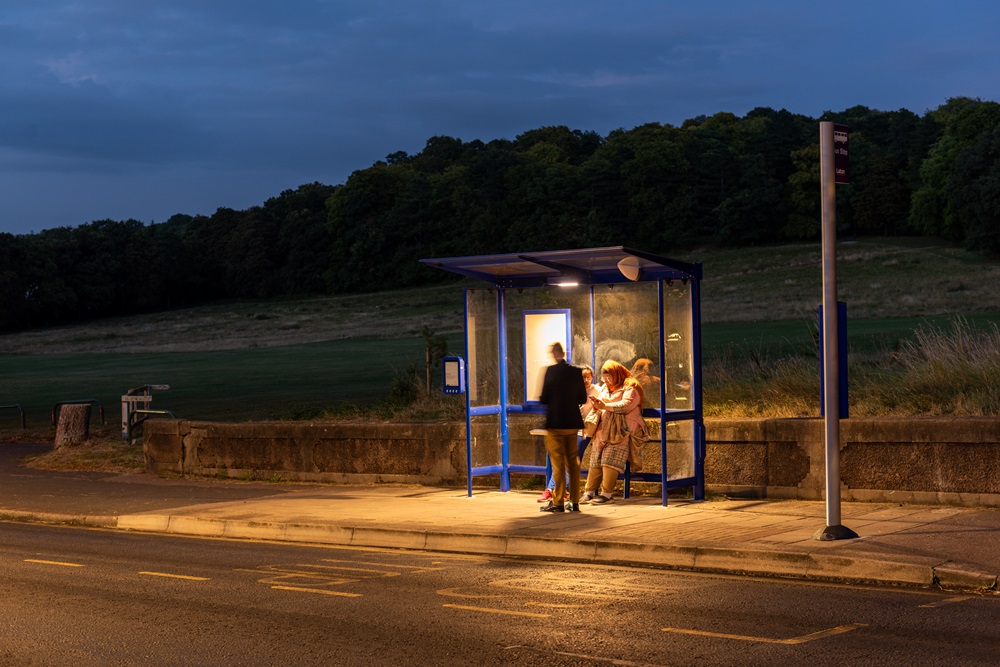
Acrospire, a British manufacturer of exterior lighting products, recently came up with a solution to help illuminate bus stops in and around the Luton area. In Luton, the Borough Council is responsible for maintaining and positioning bus stops and shelters. With funding through the Department of Transport’s Bus Service Improvement Programme (BSIP), the Council has embarked on a series of upgrades, including the replacement of its network of bus shelters. As part of this initiative, it sought a durable, reliable, and cost-efficient lighting solution to enhance commuter safety, and as a result, Acrospire stepped in to provide a solar-powered solution that ensures zero energy consumption and robust performance. In collaboration with the local authority and contractor Volker Highways, Acrospire utilised the MSL-50 from partner Greenfrog. This modular, solar-powered LED lighting system features separate panels and light components designed for canopies, shelters, and amenities without mains power- providing the ideal basis for the Luton bus shelter light. Steven Lain, Service Manager, Bus Services & Operations, Luton Borough Council, explains, “We needed a lighting solution for our bus shelters that required no external power supply. The solar-powered lights eliminate the cost and complexity of electrical installations, and they are incredibly robust, ensuring long-term durability even in the face of vandalism.” Working closely with Greenfrog and Volker Highways, Acrospire designed a custom solar-powered bus shelter light around the MSL-50 system to fit the mechanical construction of Luton’s two-bay bus shelters. Engineered to endure the most demanding environments, the MSL-50 boasts a 316-grade stainless steel exterior and a toughened glass lens for high vandal resistance – addressing any concerns the Council might have had about vandalism. Its compact integrated battery ensures easy installation and offers a cost-effective lighting solution for various applications. Steven adds, “With no power supply at the shelter, there’s no need for electrical testing or risk of vandalism to the power. The solar lighting system is virtually maintenance-free, with no energy costs and minimal upkeep required. This fit-and-forget solution will last many years, with battery maintenance unlikely for at least a decade.” The lighting installation across Luton’s 150 bus shelters not only fulfils the Council’s safety objectives but also underscores a commitment to sustainability and cost-efficiency. The MSL-50’s rugged design ensures it can withstand public use and potential vandalism. Steven praised the project’s impact, noting, “The solar lighting installation for this first tranche of bus shelters in Luton has worked really well. It not only provides safety and accessibility but also sets a precedent for sustainable development; we look forward to seeing the results applied to some of our larger bus shelters around the borough.” For more from Acrospire, click here.

THORNeco introduces new recessed downlight range
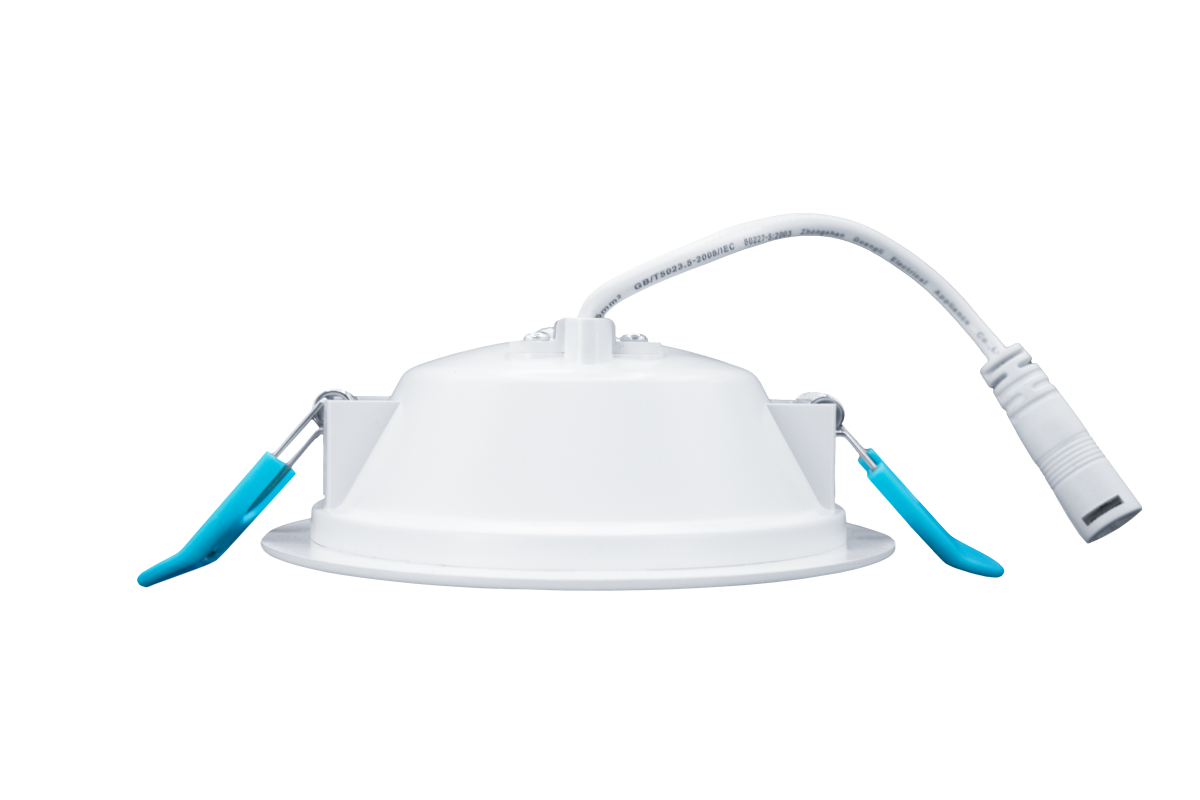
THORNeco, a provider of economical LED lighting products, has introduced 'Amy', new recessed downlights that are designed for circulation corridors, reception areas, schools, universities, offices, and meeting rooms. The latest addition to the THORNeco product range, Amy offers the VARIO feature (colour temperature switch), allowing contractors to easily adjust the colour temperature on-site with a flick of a switch. Similarly, the FLEX feature (lumen output switch) will enable them to choose the preferred lumen output on-site with a simple switch. These features providing the flexibility to adapt both lighting levels and colour temperature to a project's specific requirements, and installation is also designed to be straightforward thanks to its ability to be set up tool-free. The homogeneously lit opaque white diffuser delivers even, high-quality light, replacing traditional CFL downlights, while the IK06 rating offers peace of mind. Furthermore, it is easy to adapt to an emergency version on-site using the JUST Emergency Plug & Play kit, ensuring safety and compliance. Amy offers a direct replacement for traditional 1x18W, 1x26W, 2x18W, or 2x26W CFL downlights, making it ideal for modern, energy-efficient lighting solutions. For more from THORNeco, click here.

BGEN signs five-year contract with INEOS O&P
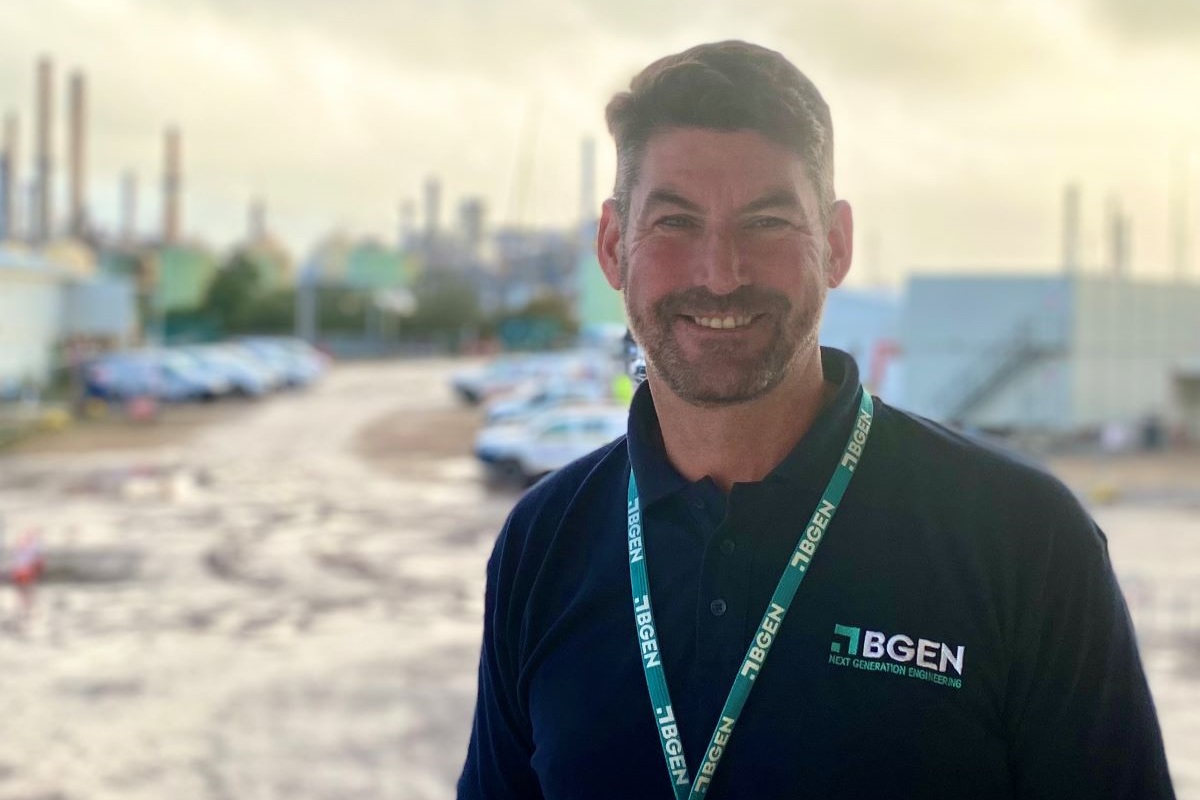
BGEN, one of the UK’s largest engineering firms specialising in mechanical, electrical, instrumentation, control and automation, has announced that it has signed a five-year contract with the petrochemical manufacturer, INEOS O&P UK. As a trusted partner since 2018, BGEN will provide a range of services to help INEOS optimise plant efficiency at its site in Grangemouth, Stirlingshire. Under the contract, BGEN will provide value added engineering solutions to INEOS O&P UK and deliver a comprehensive suite of electrical and instrumentation services for the business, strengthening its position as a multi-disciplined services contractor. Planned work at INEOS O&P UK’s 1,700-acre site has already commenced, including preliminary support for installation, maintenance, inspection, testing, and commissioning. Additionally, BGEN will provide materials and equipment, as well as managing a number of support functions and nominated sub-contractors as required. "We have a proven track record in advanced manufacturing and this experience enables us to deliver intelligent solutions to support the complex demands of the plant," says Paul Carvill (pictured above), Managing Director at BGEN. "We look forward to delivering tailored services for INEOS O&P UK and contributing to the success of its operations at Grangemouth." With a strategic location in Grangemouth since 2000, BGEN’s Scottish operation has expanded and now employs 60 people. It specialises in providing mechanical, electrical, instrumentation, control and automation services to businesses across many sectors including energy, FMCG, heavy industry, pharmaceutical and utilities. For more from BGEN, click here.

NG Bailey selected as MEP partner for new Agratas gigafactory
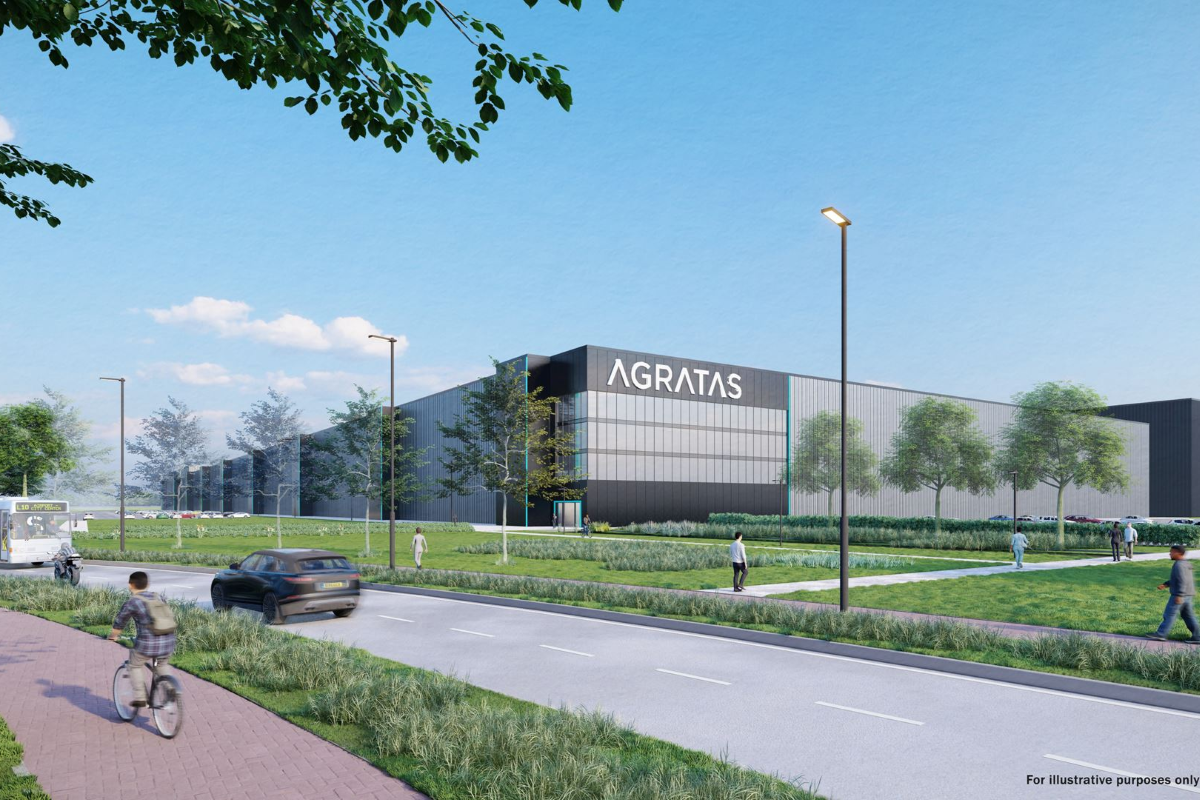
NG Bailey has been named as one of two MEP partners for the delivery of the new multi-billion-pound Agratas gigafactory in Somerset. With delivery led by Sir Robert McAlpine, NG Bailey will provide a full range of mechanical, electrical and plumbing services (MEP) for the new battery-cell manufacturing facility, which is set to be the UK’s largest gigafactory when work completes. The building will be based on a brownfield site near Bridgewater, Somerset and is set to cover an area of 244,710m². Initially producing batteries for Jaguar Land Rover electric cars from 2026, by the early 2030s it is estimated that the gigafactory will produce nearly half of the car batteries the UK automotive sector needs. The project builds on NG Bailey’s significant experience in supporting clients who are leading the transition to a lower carbon future. The company has recently been principal contractor for at the UK Battery Industrialisation Centre (UKBIC), which supports the development of new battery technologies, while elsewhere, it is leading on the delivery of lower emissions solutions for other clients through its range of MEP services. Jonathan Stockton, CEO at NG Bailey, says, “One of our goals as a business is to play a key role in supporting the transition to a lower carbon future, so we are delighted to be having such a vital role in this important project, which will have a significant impact on the UK’s ambitions for the decarbonisation of the economy. “Our talented team have a long track record in delivering projects of this scale, including as the principal contractor on UKBIC, and we are looking forward to using our market leading expertise and innovative use of offsite manufacturing to develop a wide range of bespoke solutions which will support the gigafactory in its next phase of development.” For more from NG Bailey, click here.