2 November 2026
Product of the Month: Amari Floodlight range by Aurora Lighting
 
10 November 2026
Openreach partners with Allstar to boost EV charging options
 
10 November 2026
VCHRGD appoints Craig Summers as Head of Partnerships
 
9 November 2026
UK Power Networks helps nine veterans secure energy sector jobs
 
9 November 2026
Exclusive: why getting project planning right from the outset matters
 

Latest News


Solivus delivers solar installation at Farnborough Airport
Solivus, a provider of lightweight solar installations for commercial applications, has designed and delivered a £2m solar installation to Farnborough Airport, taking it one step closer to its commitment to reach net zero emissions by 2030. In its ongoing efforts to be a sustainability showcase for other airports around the world, Farnborough Airport has a clear strategy in place to reach net zero by 2030, which is ahead of the industry standard. As part of this, the airport sought to reduce electricity and gas usage and invest in onsite renewable production. However, the path to self-generation proved less than straightforward. Foremost, due to operational and environmental restrictions on land use, the installation of ground-mounted solar at scale was not possible, making rooftop solar the only option. At the same time, the architectural curves of the airport building were not conducive to fitting traditional rigid solar panels while - in common with 40% of commercial buildings like aircraft hangars - the rooftops were unable to support the associated weight. The solution to overcoming these challenges and installing the desired solar was provided through partnering with lightweight solar technology pioneer, Solivus. Offering a competitive performance without the bulk, Solivus’ lightweight solar solution provides a practical, efficient, and cost-effective option for commercial rooftops, allowing large premises to harness solar energy while minimising structural concerns and installation complexities. Furthermore, Solivus’ lightweight solar solution can be used on a wide variety of roof surfaces, and is typically installed with no penetration of the roof itself, and with much lower glare characteristics compared to conventional solar panels. Now complete, the installation - which commenced works in January 2024 - has seen over 4,000 lightweight solar panels installed on hangars one and two, the terminal, the control tower, and the airport’s 169-room hotel, the Aviator Hampshire. Constituting one of the largest rooftop solar installations in the region, the works will enable up to 25% of the airport’s annual electricity needs to be met, as well as enabling its growing operational fleet of electric vehicles to be charged using self-generated electricity. With approximately 75% of solar energy generated to be used on-site, the remaining 25% will be sold back to the energy supplier, thus making the financial case for solar even more attractive. In total, the installation will deliver over 1,700 kWp of installed capacity, generating over 1.2 GWh of clean energy every year while taking Farnborough Airport a major leap forward in its bold target of achieving carbon neutrality by 2030. The PV installation is expected to generate over 36 GWh of energy in its lifetime and offset more than 5,000 tonnes of CO2e in that time. Importantly, the project, which was planned, delivered and executed as a complete solution by Solivus, and was meticulously phased to minimise disruption for the busy airport. For more from Solivus, click here.

The importance of Awaab’s Law for social housing landlords
The tragic death of Awaab Ishak shocked the nation and led to the implementation of Awaab’s Law. Awaab was just two years old when he died in December 2020 as a direct result of exposure to mould in the social home that his family rented. His parents raised concerns about their living conditions multiple times, yet the landlord failed to act and even placed blame on the family for their living conditions. Awaab’s Law, which was introduced in the Social Housing Regulation Act 2023, requires landlords to investigate and fix reported health hazards within specified timeframes. The new rules will form part of social housing tenancy agreements so that tenants can hold social housing providers to account if they fail to provide a decent home. The campaign for Awaab’s Law, launched by his parents, means that tenants can no longer be dismissed and will have the law on their side when landlords fail to act. New requirements for private and social housing landlords under Awaab’s Law Social landlords must investigate 29 potential hazards, as defined by HHSRS, in 14 calendar days. During the same timeframe, and within 48 hours of investigation completion, they must provide a written summary. This summary must include a timeline for repair and a schedule of works, which is then issued to the resident(s). If the hazard poses significant risks to the health and safety of the resident, repair works must begin within seven calendar days of the written summary being issued. These repair works must be completed in a reasonable time, with the consideration of the resident’s needs. Any emergency repairs must take place as soon as practicable and, in any event, within 24 hours. If a significant risk is found, and the property cannot be made safe within these time limits, alternative accommodation must be arranged for the occupant(s). The timeline for completion of such works should reflect the nature of the problem and tenants’ needs, for example, repairing heating systems must be treated more urgently during colder weather. Records for all attempts to comply with the proposals must be kept, including records of correspondence with the resident(s) and any contractors. How landlords can meet damp and mould requirements To ensure landlords are compliant with Awaab’s Law, scheduled property inspections and regular communication with the tenant(s) should be in place to ensure living conditions meet expectations and areas for improvement are identified. Damp and mould related issues should be addressed promptly, and landlords and tenants should be educated on the behaviours which positively and negatively impact dampness and mould in the home. Landlords should also be transparent with residents if the issue is in fact structural, and should take accountability if this is the case. A remote monitoring platform can be used to help monitor conditions within the home and identify any areas which need to be improved. This way, issues can be identified early on, and appropriate actions can be taken in a timelier manner. How Aico products support compliance with Awaab’s Law Aico’s Ei1000G Gateway is the hub of its HomeLINK Connected Home Solution. The Gateway works with connected fire and carbon monoxide (CO) alarms, and HomeLINK Environmental Sensors, to gather real-time data on fire safety compliance and environmental risk factors. HomeLINK Environmental Sensors work in conjunction with the Gateway to monitor temperature, humidity and indoor air quality – giving insight into issues such as damp and mould, fuel poverty, void risk, energy efficiency and compliance. Implementing such technology gives landlords a platform to improve compliance whilst creating safer homes for residents. With the HomeLINK Portal, landlords can streamline their operations by having access to the necessary insights for early intervention, saving time and reducing call-out costs. The HomeLINK App for Residents syncs with the information on the portal but simplifies it in a way tenants can easily understand. Once downloaded, the app can send alarm testing reminders and provide suggestions on improving the home’s conditions, such as opening or closing windows. The importance of complying with Awaab’s Law in the rented sector It is crucial to comply with Awaab’s Law to safeguard the well-being of residents and maintain the quality of landlords’ housing stock. Failure to do so could result in legal action, as this law is being implemented imminently because of Awaab’s death. Read more about the HomeLINK Connected Home Solution: aico.co.uk/homelink/

Octopus Energy surpasses $2 billion offshore wind investment
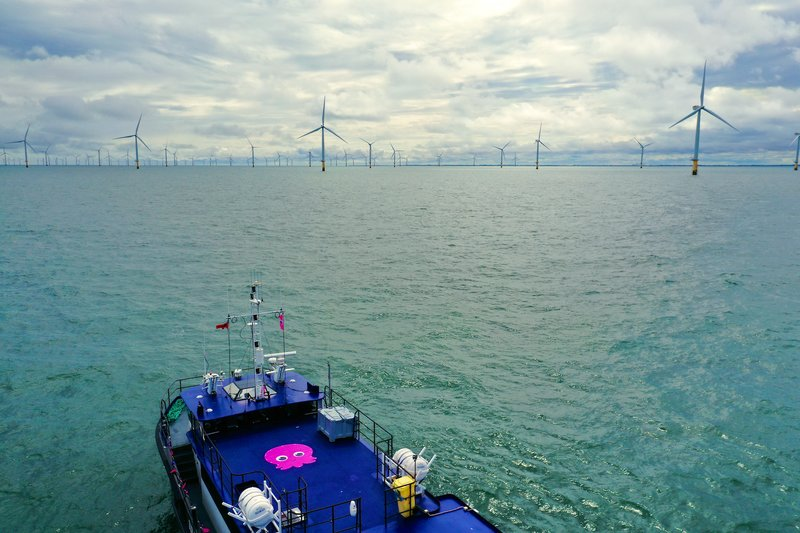
Octopus Energy’s generation arm has surpassed $2 billion of offshore wind investments in the last two years, as it accelerates the roll-out of offshore wind globally. The announcement was made at COP29 in Baku, Azerbaijan, and marks the latest milestone in Octopus’ plans to unleash $20 billion into offshore wind worldwide by 2030. Last year, the company launched its landmark Offshore Wind Fund, Vector, aiming to scale this technology which has seen energy prices plummet over time. Through Vector, Octopus invested in Ocergy – a tech disruptor in the floating offshore wind space. Ocergy is set to make building floating wind farms cheaper and faster than ever before, helping to unlock the vast potential of wind energy in deep seas. Octopus has backed operational and construction projects, as well as developers creating new offshore wind energy and companies expediting this vital energy source’s supply chain. The company entered the offshore wind farm market in 2022 and now holds stakes in six offshore wind farms in three countries around Europe. This includes one of the world’s largest wind farms, Hornsea One, as well as Lincs and Walney Extension in Britain, two in the Netherlands with turbines as tall as London’s 'Gherkin' building, and one in Germany. Offshore wind is already playing a major role in energy systems across the globe, with governments worldwide setting ambitious expansion targets. The UK is the world’s second largest offshore wind market, with plans to quadruple capacity by 2030. Alongside investments into wind farms, Octopus has also been driving innovations in the sector. Last year it launched its first offshore ‘Fan Club’ – a tariff that offers people living close to one of its offshore wind farms cheaper rates when it’s windy, saving customers hundreds of pounds a year on their energy bills. Zoisa North-Bond, CEO of Octopus Energy Generation, says, “We’re strong believers in wind power’s massive role as a cornerstone of energy systems globally. Our ability to invest over $2 billion into offshore wind in just two years is the start. Wind can create a greener and cheaper energy system for people around the world. We’re now geared up to unleash billions more into offshore wind projects worldwide.” For more from Octopus Energy, click here.

HiKOKI launches new Multi Volt Battery
HiKOKI Power Tools has launched the BSL3640MVT Multi Volt Battery, its latest battery innovation. The new 8.0Ah battery, which charges in just 40 minutes, uses Tabless cell technology, which means increased power, faster charging times and longer runtimes to meet the needs of professionals tackling both light and heavy-duty applications. Designed to power both 36V and 18V HiKOKI power tools, the BSL3640MVT delivers up to 2,160W of power – 50% more than its predecessors – so it is ideal for demanding tasks like sawing, drilling, cutting and grinding, regardless of whether its heavy-duty construction projects or smaller, more intricate jobs. The 8.0Ah Multi Volt BSL3640MVT uses tabless cell technology which significantly reduces internal resistance and heat. Traditional batteries use two tabs as current paths which can create a bottleneck. Instead of two current paths, the battery has countless current paths. This improves power output and allows for longer runtimes, even under extreme conditions. It also reduces the build-up of heat so the battery remains cool during use and experiences less wear and tear. The quick charging time is another key benefit. When paired with the UC36YSL2 charger, the battery fully charges in just 40 minutes, minimising downtime on job sites. This means less waiting and more productivity for those who rely on their tools to get the job done efficiently. The BSL3640MVT is built to withstand tough job site conditions. It has an impact-resistant design and a rubber over-moulded base so even if dropped or accidentally bashed, this battery will continue to do its job. HiKOKI's new BSL3640MVT Multi Volt Battery is a great battery upgrade for anyone who wants quick charging, extended runtimes and long life from their power tools. Whether you’re tackling heavy-duty applications or quick fixes, this battery ensures you’ll have the power and runtime you need to get the job done right. For more from HiKOKI, click here.

Carhartt hoodies for use on and off site
Whether it's working on a tough job site or relaxing at the weekend, Carhartt’s range of hoodies are cosy, comfortable and designed to last. Made from a blend of cotton and polyester fleece, each hoodie offers soft, easy-wearing warmth with the toughness Carhartt is renowned for. The men’s range includes the Loose Fit Sweatshirt (K121), which is a versatile choice for any occasion. Available in subtle colours like Heather Grey and New Navy, this midweight fleece hoodie has an attached three-piece hood with an adjustable drawcord for a snug fit and two lower front hand warmer pockets to keep people's hands warm whatever the weather. For the gloomy, damp days ahead, the Midweight Logo Graphic Sweatshirt (105944) is equipped with Carhartt’s Rain Defender technology, a durable water-repellent finish that causes rain to bead up and roll off, keeping people dry and comfortable in light rain. The Women’s Relaxed Fit Promo Graphic Sweatshirt (105996) also features Carhartt’s Rain Defender technology to keep people dry. Made from a midweight cotton blend, this hoodie provides the right balance of warmth and comfort to keep contractors focused on the job at hand. The relaxed fit sits closer to the body than Carhartt’s loose fit but still offers room to move, with a 'Script Logo' graphic print on the left sleeve. For a little extra versatility, the Women’s Relaxed Fit Full Zip Sweatshirt (102788) combines the soft feel of a favourite hoodie with the warmth and durability of a jacket. Made from heavyweight fleece with a kangaroo front pocket, this hoodie is ideal for layering up on colder days. Whether contractors are scaling ladders, swinging hammers or lounging on the sofa, Carhartt’s range of hoodies are built for all-day cosy comfort. Practical, comfortable and tough, Carhartt’s hoodies can prove the perfect addition to any workwear wardrobe. For more from Carhartt, click here.

BEAMA calls on Government to address indoor air quality
BEAMA marked World Ventil8 Day with the publication of a position paper urging Government to broaden the Energy Performance Certificate (EPC) remit to recognise and assess the indoor air quality of homes. With over £1 billion of the NHS budget spent on health issues related to poor indoor air quality each year, BEAMA argues that urgent action is required to maximise occupants’ awareness of the issue. In the first quarter of 2023, over 450,000 EPCs were lodged in England and Wales, which presents a significant opportunity to make a simple assessment of a home’s ventilation performance. Speaking at a World Ventil8 Day meeting in London, Lee Nurse, Business Development Director of Volution Group and Chair of BEAMA’s Ventilation Group, said, “The expansion of the remit of EPCs is a common sense approach to what is a national health crisis. It is absolutely the right time to enforce the principle that a healthy home is a basic human right. With so much policy focus on retrofitting homes to improve their energy efficiency, we should not be ignoring the ongoing health of occupants”. BEAMA CEO, Yselkla Farmer, endorses the approach, stating, “It cannot be right that as we enter 2025, 65,000 homes have Category 1 damp and mould issues as defined within the Decent Homes Standard. An investment of £250m to improve these homes would save the NHS £33m each year, but to properly resolve our home indoor air quality needs, we need £9bn. The stakes are high and the impact of this investment would provide much needed relief for NHS spend and improve the quality of life for many thousands of people”. Nathan Wood, Chair of World Ventil8 Day, adds, "I’m proud to back BEAMA’s call for EPC reform to prioritise indoor air quality. A home should be a haven, safe to breathe in, to rest, to thrive. Yet for many, poor indoor air puts health at risk, strains our NHS, and weakens our well-being. By embedding air quality into the EPC, we’re moving beyond energy ratings to embrace a deeper commitment to health and safety in every home. This is a vital step toward making sure that every family, and every child, can grow up in a space that truly supports their health. Let’s make this change for a healthier future." The UK Government has recently announced plans to invest an initial budget of £3.4m through its Warm Homes Plan, and mandate minimum energy efficiency standards for private rental properties by 2030 which BEAMA argues is a strong catalyst for EPC reform to maximise the policy impact of these initiatives. To read BEAMA's EPC Reform Position Paper in full, click here. For more from BEAMA, click here.

LIA provides round-up of Autumn Tech Forum
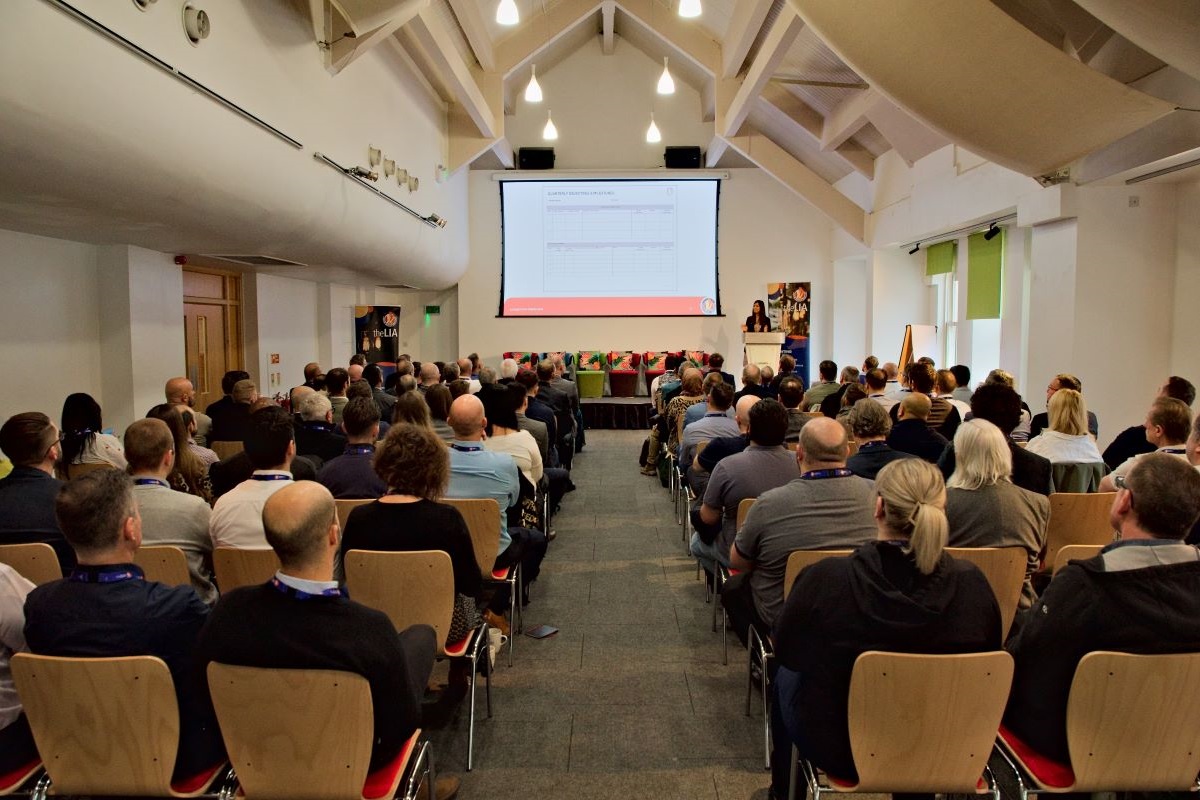
The LIA has reported that its 2024 Autumn Tech Forum, held on 23 October at The Studio in Birmingham, was a huge success, attended and enjoyed exclusively by LIA members. This forum granted attendees access to the latest industry developments with engaging discussions and networking opportunities. With the comprehensive programme, the day included essential technical updates on compliance, competency, and legislation, among other topics. The line-up of expert speakers ensured a day filled with knowledge and practical advice, tailored to help delegates stay ahead in the sector by sharing their insights, inspiration and experiences with the audience. Speakers included the LIA’s CEO Ayça Donaghy, Commercial and Training Manager Teresa Beazley, and Technical Operations Manager Dan Griffiths, providing information on how The LIA can best support its members, recognising that competency is a journey, and technical organisational updates. One of the guest speakers, Teresa Beazley, LIA Commercial and Training Manager, gave a presentation titled 'The Role of Training towards Competence', and stated that true competence goes beyond the classroom, and pointed to the importance of collaboration between industry professionals. It was also demonstrated that there is still a lack of understanding for what is required from the Eco Design regulation, as covered in Andy Guest’s and Paul Sargent’s presentation, where they highlighted how we still have much to learn as a sector. Jason Dwan of Ansell Lighting remarks, “The LIA’s Technical Forum was very informative; we especially enjoyed the discussions around Dark Sky and the keynote speaker who added a very new dimension to lighting. My team and I thoroughly enjoyed the event. It was great to see the restructure and new focus The LIA has in terms of promotion from within, and structuring the new leadership team to focus on member support and driving the industry forward.” Ayça Donaghy, CEO of The LIA, notes, “It was a pleasure to host another successful and well-attended LIA Autumn Tech Forum covering the industry’s hot topics. We have had some great feedback from those attending - a huge thanks to all of the speakers for their expertise, and our members who joined us for the day.” For more from The LIA, click here.

Carly Weller appointed EIC Ambassador
Electrical Contracting News is pleased to announce that its Group Editor, Carly Weller, has been appointed an Ambassador for the Electrical Industries Charity (EIC). The EIC is a national charity dedicated to supporting the electrical community. Its community care model extends assistance to apprentices, employees, retired colleagues, and their immediate families, and support can be in the form of emergency financial assistance, counselling or legal advice. The EIC’s mission is to provide the best outcome for every person in the industry who needs its help, ensuring that the whole industry knows the support available to them.  Carly expressed her gratitude for her appointment, stating, “I am honoured to have been chosen as an EIC Ambassador. The extensive reach that ECN has across the electrical industry will enable me to raise awareness that help is available for those in need. “Another key focus will be to encourage companies to select the EIC as their Charity of the Year. If you are interested in contributing and giving back to our incredible industry, please get in touch. “I’m looking forward to spreading the word and making sure that anyone struggling has somewhere to turn.” If you need support, please call 0800 652 1618 or email support@electricalcharity.org.

NICEIC highlights opportunities during Green Careers Week
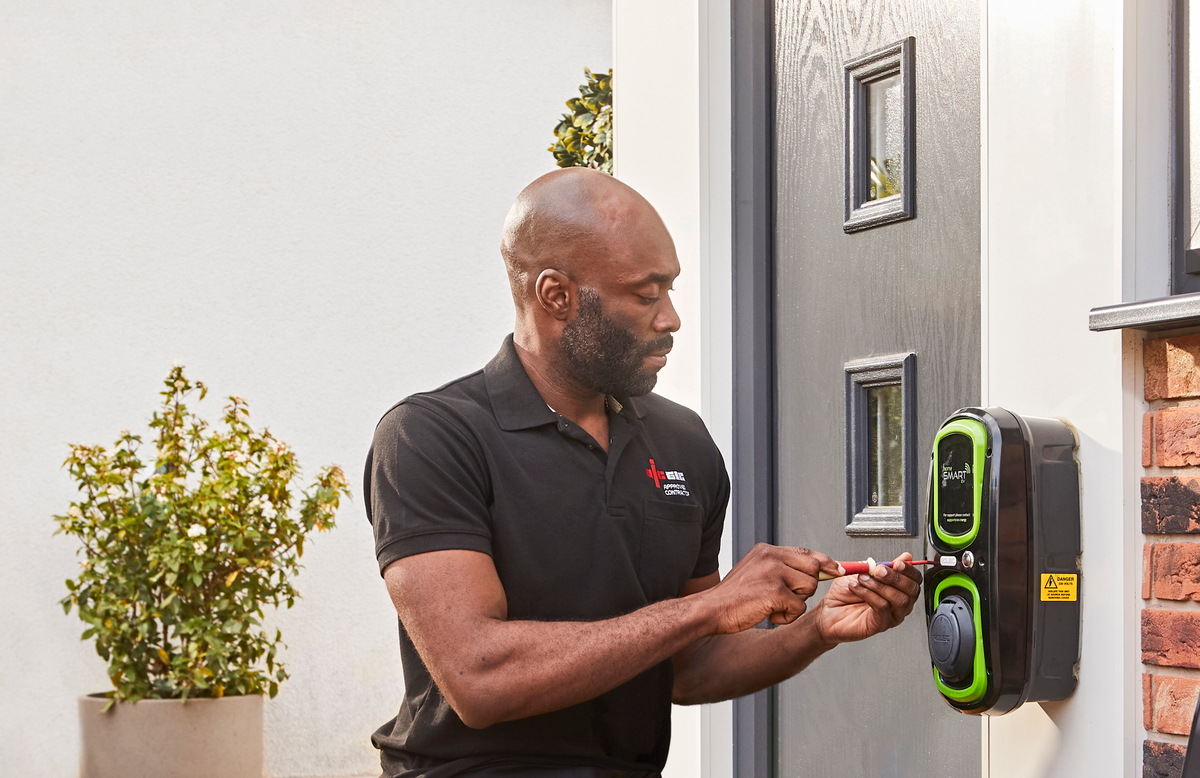
NICEIC, the certification body for the electrical contracting industry and wider building services sector, is highlighting the growing demand for qualified electricians in the green technology sector during Green Careers Week (4–9 November 2024). As the world transitions towards a net zero future, the demand for qualified electricians to install and maintain renewable energy technologies such as solar photovoltaic (PV), electrical energy storage systems (EESS), and electric vehicle charging points (EVCPs) is soaring. However, a significant skills gap threatens to delay this progress. NICEIC is encouraging young people to explore the rewarding careers on offer in the electrical industry. Apprenticeships and T-Levels offer excellent pathways to gain the necessary skills and experience. Demi Whitehead, SkillELECTRIC 2023 finalist and a qualified electrician at a NICEIC-certified business, undertook an electrotechnical apprenticeship and now uses key aspects of her qualification in her day-to-day role and has never looked back. Demi says, “I was attracted to a career in the electrotechnical industry because I was intrigued by the wide range of areas that I could specialise in. I enjoy that the industry provides me with ongoing opportunities to upskill in areas such as green technologies. “My electrotechnical apprenticeship allowed me to gain the practical experience and theoretical knowledge I need to thrive in my desired career. These skills have provided a strong foundation for me to build on in an ever-evolving electrical industry.” NICEIC is also committed to equipping businesses with the tools and resources they need to succeed. To help stay ahead of the curve, businesses can upskill existing employees with training to deliver sustainable solutions. An example of this is Greg Cheesbrough who owns and runs NICEIC-certified business, Enhance Power. Greg expanded his business to cater to increasing domestic adoption of low carbon technologies through NICEIC training courses and is now seeing the results for his business. Reflecting on his experience, Greg comments, “Upskilling through NICEIC’s Level 3 Award in the Installation of Small-Scale Solar PV Systems has been a game-changer for Enhance Power. By investing in courses like this, we have been able to future-proof the work that we offer to our customers, as well as attract new business, in the rapidly evolving electrical industry.” Paul Collins, NICEIC Technical Director, adds, "The growth of the renewable energy sector presents exciting opportunities for the electrical industry. By embracing green technologies and investing in training and development to create strong foundations for green careers, we can ensure a sustainable future for individuals and businesses alike. "For those looking to join the sector, now is the perfect time. With announcements such as new electrical vehicle tax incentives in the 2024 Autumn Budget, there is an increasing demand for electricians with green skills, providing plenty of opportunities for fulfilling and rewarding careers. "We have also recently seen the introduction of the ‘Electrician Plus’ standard for qualifications in a variety of low carbon technologies, enabling qualified electricians to hone their skills on the installation of low carbon and renewable technologies. NICEIC supports this introduction and we are proud to offer qualifications carrying the prestigious ‘Electrician Plus’ kitemark.” For more from NICEIC, click here.

NVC Lighting provides energy savings for Bradford school
Bradford Grammar School (BGS), an independent grammar school, has partnered with NVC Lighting, a supplier of commercial LED lighting solutions, to transform its estate and achieve savings of over £65,000 annually on energy costs. The school has been working closely with NVC Lighting on a major lighting upgrade, replacing its outdated and inefficient fluorescent and incandescent lighting with high performance LED solutions. This extensive project involved installing commercial LED lighting throughout the school, from the historic Price Hall to a range of traditional and modern classrooms, cutting-edge sports facilities, and the theatre. The upgrade has also encompassed all corridors, stairwells, kitchens, workshops, laboratories, and outdoor areas such as pathways and car parks. NVC Lighting additionally provided all the emergency lighting required, all fully integrated into the school’s building management system. Ian Clint, Head of Estates at BGS, says, “This project has been a great success and one I’m extremely proud of. By working closely with NVC Lighting’s expert team, site surveys and assessments demonstrated the significant benefits of the scheme, addressing rising energy costs and the opportunity to reduce our carbon footprint, while also enhancing the learning environment to improve student performance and well-being. “It was a no brainer; I recommended the project, and it was approved by the senior management team and governors.” The result for BGS has been outstanding. With NVC Lighting’s high-quality solutions installed, integrated with smart lighting control technology, the school has made a 34% saving in its energy costs, over £5,500 per month. “The buildings at BGS are architecturally stunning, and the entire school community is extremely proud of them," Ian continues. "We now have a lighting scheme across the estate that exceeds the standards of a high-performing educational facility. I’d like to thank NVC Lighting for their exceptional support. They’ve gone above and beyond - not only providing superior, cost-effective lighting solutions, but also excelling in product availability, delivery times, and customer service throughout the project.” As a leader in the education sector for LED lighting, NVC Lighting offers schools and colleges a complete end-to-end service, from site surveys and assessments, right through to technical support and design services. The company’s LED lighting solutions are high quality, easy to install and maintain, and can be integrated with smart lighting control technology to maximise energy savings and positively impact student and staff performance. Allister Szczepanski, Regional Sales Manager for NVC Lighting, comments, “BGS is such a prestigious school, so we were delighted to have been specified for this project. We have worked in partnership with Ian and his team throughout the whole process, developing a fantastic relationship to deliver a lighting upgrade scheme that adds real value to the school.” As part of the scheme, a range of products from NVC Lighting’s extensive range of commercial LED lighting solutions were installed, including the company’s popular YALE PRO (surface and suspended lighting solution), along with STERLING PRO (ENEC approved LED panels), DENALI (IK10 and IP65 rated circular bulkhead for amenity spaces), WESTMINSTER (IP54 rated low glare downlight) and WASHINGTON (IP54 rated wide beam recessed downlight). YALE PRO is a robust luminaire and benefits from UGR<19 low glare, which is particularly useful in schools, colleges, classrooms and office environments, where better glare control is required. Complete with IP40 and IK10 ratings, YALE PRO is ideal for use in corridors, circulation areas and communal spaces including areas of leisure and increased physical activity. Available in three sizes (4ft, 5ft & 6ft) YALE PRO is power selectable allowing a choice of four different outputs that can be selected during installation. Every product in NVC Lighting’s PRO range is L80, 100,000 hours rated and comes complete with a comprehensive seven-year warranty that not only applies to all fittings, but also to emergency batteries. “There are so many benefits of installing high-quality LED lighting systems in schools, particularly when it comes to the learning environment and improving academic performance,” continues Allister. “Another key driver is the energy efficiency of LED lights, consuming significantly less electricity compared to traditional incandescent or fluorescent fittings. LED solutions also offer a longer lifespan, further reducing ongoing maintenance and replacement costs.” NVC Lighting understands that the educational sector is a demanding environment, with so many different room types that all have their own lighting needs and requirements. For those responsible for the specification of lighting within the education industry, the company’s ‘Lighting in Education’ guide provides information and support on everything a specifier will need to know. From compliance and the best solutions for inside a facility, to outdoor spaces and the importance of emergency lighting. For more from NVC Lighting, click here.