2 November 2026
Product of the Month: Amari Floodlight range by Aurora Lighting
 
11 November 2026
Energy, AI and smart buildings: register now for EMEX 2026
 
11 November 2026
Solar and batteries could cut electricity costs by 40%, data finds
 
11 November 2026
EIC confirmed as ECN Awards 2026 charity partner
 
11 November 2026
Acrospire to support Green Frog's European expansion
 

Latest News


Heat pumps are steering Scotland’s pathway to net zero
According to MCS (Microgeneration Certification Scheme), Scotland has surpassed 200,000 small-scale renewable technology installations since records began in 2008.   This indicates that 200,000 homeowners and business proprietors have invested in low carbon energy and heating solutions, encompassing solar PV and heating technologies. Recent installation statistics reveal that over 35,000 of these installations are heat pumps.    Heat pumps are highly efficient and sustainable heating solutions, playing a crucial role in Scotland’s plans to reach net zero by 2045. Historically, Scotland has been a frontrunner among the four nations in heat pump adoption, boasting 1.42% installation in Scottish households. According to MCS data, over 5,000 heat pumps have been installed in Scotland this year, marking 2023 as the most successful year for heat pump intake.   Since its inception in 2015, the Home Energy Scotland Grant (HES) and Loan have facilitated Scotland’s shift from fossil fuel boilers to heat pumps. The HES grant offers Scottish consumers £7,500 towards the expense of a heat pump, with some households able to claim up to £9,000 with a rural uplift. The grant is an enticing incentive for Scottish homeowners, bolstered by an optional interest-free loan of up to an additional £7,500.   Utilising the available funding from the HES grant, Daniel Merrett of Monikie, a rural village near Dundee, opted for an air source heat pump installation by IMS Heat Pumps in January. Daniel says, “The cost was a significant factor, and the funding available towards the installation cost was the deciding factor for me.”   Lee Brown, Operations Director at IMS Heat Pumps, comments, “Heat pumps are an obvious option for rural homes, particularly those off the gas grid. The incentive scheme offered by the Scottish Government is a huge help for homeowners in Scotland looking to decarbonising their home heating, and we’re pleased to see incentive schemes in England and Wales have recently been brought closer to the level of the offering provided north of the border.”   The Scottish Government offers a grant program to support heating engineers in obtaining MCS certification for heat pumps. The grant covers 75% of a contractor’s certification fees, a maximum of £1,000, until the end of March 2024. This incentive encourages heating engineers to shift from the installation of fossil fuel boilers towards the installation of high-quality MCS-certified heat pumps.    A recent report from the Heat Pump Association (HPA), titled ‘Unlocking Widescale Heat Pump Deployment in the UK’, made recommendations directed at local and national government officials to support the large-scale adoption of low carbon heating, amongst the suggestions included urging England, Wales, and Northern Ireland to introduce support for installers akin to Scotland’s MCS Certification fund to expand the workforce.    The UK’s renewable technology uptake can be tracked through the MCS Data Dashboard, a comprehensive tool for instantaneous, low carbon technology data in the UK.

New EV chargers installed at Extra’s Cobham Services
One of Britain’s busiest motorway service stations has upgraded its electric vehicle charging station, backed by a £3.8 million green recovery investment from UK Power Networks. The regional electricity network operator has delivered new electricity infrastructure to power 12 new IONITY ultra-rapid charge points between J9 and J10 of the M25 at Extra Motorway Service Area’s (MSA) Cobham Services to support EV uptake, reduce carbon emissions and improve local air quality. The project was funded by UK Power Networks’ Green Recovery programme, which is delivering low carbon energy projects across the South East, London and East of England, supporting the government’s 10 point plan for the UK’s green industrial revolution. Adam Lakey, leading the Green Recovery projects for UK Power Networks, says, “This significant investment in new power infrastructure for the motorway network at Cobham Services will enable more drivers to make the switch to EVs, improve air quality and reduce carbon emissions. “We have worked with local communities, government and Ofgem to invest in electricity infrastructure, promote jobs and economic growth and make tangible progress to connect more electric vehicles to accelerate the country’s transition to net zero carbon emissions.”   As part of UK Power Networks’ Green Recovery programme, power upgrades are progressing at several motorway service stations to connect more electric vehicle chargers. At Cobham, UK Power Networks has installed 5km of new 33,000-volt cabling and new equipment at a substation in Effingham. Decarbonisation Minister Anthony Browne, says, “I welcome this further investment by Extra, UK Power Networks and IONITY, which will improve EV charging provision on England’s motorway network. This will not only support EV drivers on UK roads, but also help the government’s drive towards a greener motor industry.”

Makita updates the Impact Driver range with new dual spring technology
Makita has introduced a new Impact Driver to its powerful XGT range. Whilst offering the same benefits as its predecessor, the manufacturer has incorporated new dual spring technology and improved anvil stability into its new TD002G 40VMax XGT Brushless Impact Driver, resulting in less wobble. The heavy-duty TD002G 40VMax XGT Brushless Impact Driver, powered by a 40VMax XGT Li-ion battery, delivers a maximum fastening torque of 220N/m, a no-load speed of up to 3,700rpm and up to 4,600 impacts per minute. Makita has developed a new dual spring mechanism for this tool, incorporating two types of springs with distinct load capacities to tailor impact power based on the workload. Meanwhile, reducing recoil and vibration. The design allows a more comfortable operation across an extensive range of applications, spanning from light-duty screw tightening to heavy-duty metal fastening.  Depending on the type of screws, enhanced screw tightening speed results in greater working efficiency, achieving a 10% and 25% faster performance. Users may also appreciate the one-touch bit installation, refined to remove resistance upon insertion of the bit. Therefore, screwdriver bits can be inserted easily with one hand, eliminating the need to pull back the chuck collar.  The model can be used for precision work across a range of applications: Variable speed control and multiple operation modes; four-speed power selection plus six assist modes (two T-modes, one Wood mode, three Bolt modes). In addition, the LED lights placed on the front of the tool head aid visibility in poorly lit conditions.  As with all cordless impact drivers produced by Makita, this model comes with a range of accessories. These accessories comprise an eight-piece socket set, a six-piece nut setter set, and a 33-piece screw-bit set.  Kevin Brannigan, Marketing Manager at Makita UK, comments on the model, “We pride ourselves on making continuous improvements to our range of power tools – this ethos has been central to Makita’s longevity and success over the past 100 years. What may seem like small improvements can make a big difference, and this is certainly the case with the new dual spring system in the TD002G. Users can expect greater comfort thanks to the introduction of a second spring to support heavier duty applications.” 

New apprenticeships for the power industry
Energy & Utility Skills has announced three new apprenticeships for the power industry, developed collaboratively with employers and the Institute for Apprenticeships and Technical Education (IfATE). The collaboration involved data collection and gathering evidence to maximise government funding for these apprenticeships.  Energy & Utility Skills have secured the inclusion of power industry authorisations into the end-point assessments for the new roles: Power Industry Overhead Linesperson, Substation and Fitter and Cable Jointer. These positions have replaced the Power Network Craftsperson apprenticeship. The tests are conducted by employer assessors, ensuring apprentices are duly authorised and well-prepared upon completion of their end-point assessments.  Employers will be pleased to know that funding for the new apprenticeships has been elevated to the top band, totalling £27,000. It is an increase from the now-superseded Power Network Craftsperson apprenticeship. Phil Beach, CEO of Energy & Utility Skills, comments on the new apprenticeships, “As the skills voice of the energy and utilities industries, we have developed with the Power Industry Trailblazer Groups and IfATE, three new apprenticeships that will provide the knowledge, skills and behaviours for these technical and safety-critical roles. These new standards reflect the needs of industry and I’m sure that the government funding that has been secured for these apprenticeships will be warmly welcomed by employers.”

Boost your trade business for the new year
Based on projections from market research firm Statista, the construction industry in the UK is expected to grow, reaching £404.13bn in 2024 and further increasing to a revenue of £476.6bn by 2027. Despite the apparent health of the industry, why do numerous smaller trade businesses encounter difficulties?  Dan Pollard, the Founder of Fergus and a tradesperson, has navigated the peaks and valleys of owning a trade business and asserts that he has the answer.  “One of the many hard lessons I have learned over my years in the trade industry is that sometimes, or many times, it is better to say 'no' to a job, rather than ‘yes’,” explains Dan. “For many years, I said ‘yes' to every single job that came across my plate. If we had the manpower and we could fit it in, I said ‘yes’. The truth was, despite being crazy busy, we struggled year after year with cash flow.”  Elevating the trade business in 2024 could be more straightforward than tradespeople think, thanks to the assistance of job management software. Fergus is offering four New Year resolutions designed to get your business into shape:  Ask: Is this job going to pay? Unpaid debts are one of the most significant challenges trade businesses face, from businesses folding or being unable to fulfil their payment obligations. You should ask, “Can I figure out in advance if a job is going to pay or not, and can I avoid taking those jobs on?”  Searching under the bonnet of your business will reveal what is profitable and what is not. Job management software, like Fergus, expedites this process by displaying the profit levels of every job. Get a handle on costs Monitoring supplies is crucial; over-ordering equates to overspending, whilst under-ordering risks an incomplete job. On a hectic business day, it may prove hard to keep track. The job management software could overcome these challenges by swiftly generating accurate invoices for clients, sending automated payment reminders and overseeing stock levels.  Figure out your high-margin, low-cost jobs The first step to a business boost is identifying existing revenue streams. Work through your financials with ease by utilising software like Fergus to show you which jobs pay the best. The high margin, fast turnover, and low-cost model worked for Dan; however, this is not an adaptable model for every business. One of your priorities into the new year should be to sit down and assess where your business excels and where it falls short. Say no to bad jobs and yes to cash flow Once identifying low-paying jobs and saying ‘no’ start saying ‘yes’ to more lucrative jobs. The next step is predicting your cash flow by fortifying your business to become recession-proof. Predicting cash flow manually can be challenging as insufficient data cannot accurately forecast rapid changes. Software, like Fergus, can aid this process.

Winter burnout advice for business owners and sole traders
Trade insurance experts at Toolbox by Admiral have provided recommendations for preventing exhaustion and averting fatigue during the winter months. Sole traders, independent business owners, and tradespeople can find the winter months particularly challenging. As daylight hours and temperatures plummet, seeking motivation to accomplish work can be difficult. This challenge, combined with potential seasonally slow business, can lead to a greater risk of winter burnout. A spokesperson from Toolbox says, "Surviving winter burnout as a business owner or tradesperson is about flexibility, wellbeing, and realistic expectations. “Manage work hours to optimise daylight, maintain a healthy lifestyle, and invest in the right gear. Incorporate relaxing activities into your work routine and set achievable goals considering the weather. Remember, winter is not just about enduring but also thriving. The key is in taking care of your physical and mental health to stay productive and warm." Tops tips from the insurance experts at Toolbox to avoid winter burnout:  Implement flexible working hours As the winter brings notably shorter daylight hours, a standard workday can feel longer, potentially leading to exhaustion. Consider implementing flexible work hours for yourself and the wider team. For instance, you might explore adjusting your work schedule to start later in the morning and end later in the evening. Alternatively, changes could involve dividing the workday into separate shifts. By optimising daylight hours and providing flexibility, you can mitigate feelings of fatigue and keep spirits high. Maintain a healthy lifestyle Maintaining good health is crucial for sustaining energy levels, especially during the harsh winter. A balanced diet, regular exercise, and quality sleep can profoundly influence mood and productivity. To support this, consider having easily accessible, warm, and nutritious snacks on-site or in your van to sustain energy levels. Additionally, ensure that everyone has an adequate break to rest, promoting sustained energy levels throughout the day. Invest in the gear you need The significance of appropriate winter gear cannot be overstated for individuals involved in physical trades. Investing in proper winter clothing can alleviate the discomfort caused by cold weather. Appropriate gear aids in maintaining productivity levels but also safeguards against the potential health risks associated with cold weather. Set realistic goals and expectations The winter season can frequently lead to unforeseen delays. Recalibrate your expectations and project timelines to accommodate potential weather-related interruptions. Adopting this approach could sustain a consistent workflow without imposing undue pressure on yourself or your team with tight deadlines. Thoughtful planning plays a pivotal role in minimising stress, thereby helping to prevent burnout. Spend some time on wellbeing activities Activities focusing on wellbeing and relaxation are vital. This can encompass a variety of options such as listening to podcasts or music, reading, meditating, pursuing a hobby or spending quality time with loved ones. Engaging in wellbeing activities provides mental respite from the rigours of work-related stress and can boost morale significantly. Deliberately carve out a dedicated ‘wellbeing hour' in your workday or week, where you consciously focus on rejuvenating activities.

UK locations most in demand of tradespeople revealed 
The ongoing shortage of tradespeople in the UK is all too familiar. Yet a recent survey by Markel Direct, the specialist insurer of tradespeople, has unveiled the full extent of the issue. The study established that 46% of UK homeowners struggled to hire a tradesperson for their projects or repairs. The principal reasons cited include: ‘no availability’ by 46% of respondents and ‘shortage of specific trade in the area’ by 34%. The study also investigated which UK locations are experiencing the most shortage of tradespeople. It reveals that out of 46 cities analysed, 19 did not have enough tradespeople to meet the search demand of the residents. According to collected data, Norwich had the most trade shortages compared to searches per 10,000 residents. It found shortages in nine trades, including bricklayers, carpenters and electricians. Peterborough, Swansea and York were all found to have a shortage of eight trades, each city in demand for more plumbers, carpenters and carpet fitters. Plymouth had a shortage of seven out of the thirteen trades. In 15 out of 46 cities analysed, data revealed that the ‘handyman/person’, the general factotum of the tradespeople, is in short supply. Plumbers were second, accounting for a shortage in 12 cities out of 46. On the other hand, plumbers were the most sought-after trade nationally. Searches of ‘plumber’ and ‘plumber near me’ reveal the highest monthly search volume above other trades in 44 out of 46 cities. Bricklayers and carpenters are joint third. Seven cities lack businesses in the area to meet the residents’ demand, although this is a recurring problem in other cities analysed. Number of UK cities with a shortage of skilled trades  Trade Cities with a shortage of trade Handyman/person 15 Plumber 12 Bricklayer 7 Carpenter 7 Carpet fitter 6 Electrician 5 Plasterer 4 Joiner 3 Painter and decorator 3 Landscaper 2 Tiler 2 Builder 1 Roofer 0 Furthermore, the study explored the most common DIY disasters handled by homeowners, which resulted in them hiring a tradesperson. Here is the list: plumbing repairs and maintenance are first; painting and decorating are second; and tree removal is third. Rob Rees, Divisional Director at Markel Direct, comments, ‘’Whilst it can be tempting to attempt repairs or DIY tasks yourself, the risk of getting something wrong could result in only more problems to fix. Hiring an accredited and insured tradesperson with years of experience will ensure the job is done to a high standard and, most importantly, safely.’’

Develop re-launches F-Gas training to bridge the HVACR skills gap
Develop Training, an accredited compliance, technical, and safety training provider, has re-launched one of its most popular courses: F-Gas (Category 1). The course, certified under the City & Guilds 2079-11 scheme, trains delegates to identify the safe working practices and hazards linked with fluorinated gases. The return of the course on 20 November is opportune timing, complementing the growth of the F-Gas industry. It aims to bridge the skills gap by responding to the demands of the heating, ventilation, air conditioning and refrigeration (HVACR) sectors. Brandon Clark, F-Gas Trainer at Develop, will deliver the F-Gas course. He states, “We are pleased to re-launch our F-Gas course this year at Develop, which reflects the current regulations.  “F-Gas maintenance and reduction is crucial to achieving the UK's target of reducing F-Gas emissions by two-thirds by 2030. This course will enable us to provide a range of essential theoretical, practical and green skills and help our customers successfully manage their F-Gas-containing equipment in line with EU Guidelines and regulations.”  Develop also offers the City & Guilds 6187-21 qualification, equipping delegates with the skills and knowledge to safely handle hydrocarbon and flammable refrigerants, covering all stages from installation to disposal. The course delves into updated statutory regulation requirements. It combines both theory and practical testing to ensure that delegates understand the risk and management techniques utilised within the sector. The course is available at the York, Derby and Linlithgow centres. Prospective delegates can view course dates on the website. Businesses with six or more staff members requiring attendance at the course may do so at other locations.

Develop celebrates a record-breaking year with over 1,000 trained delegates
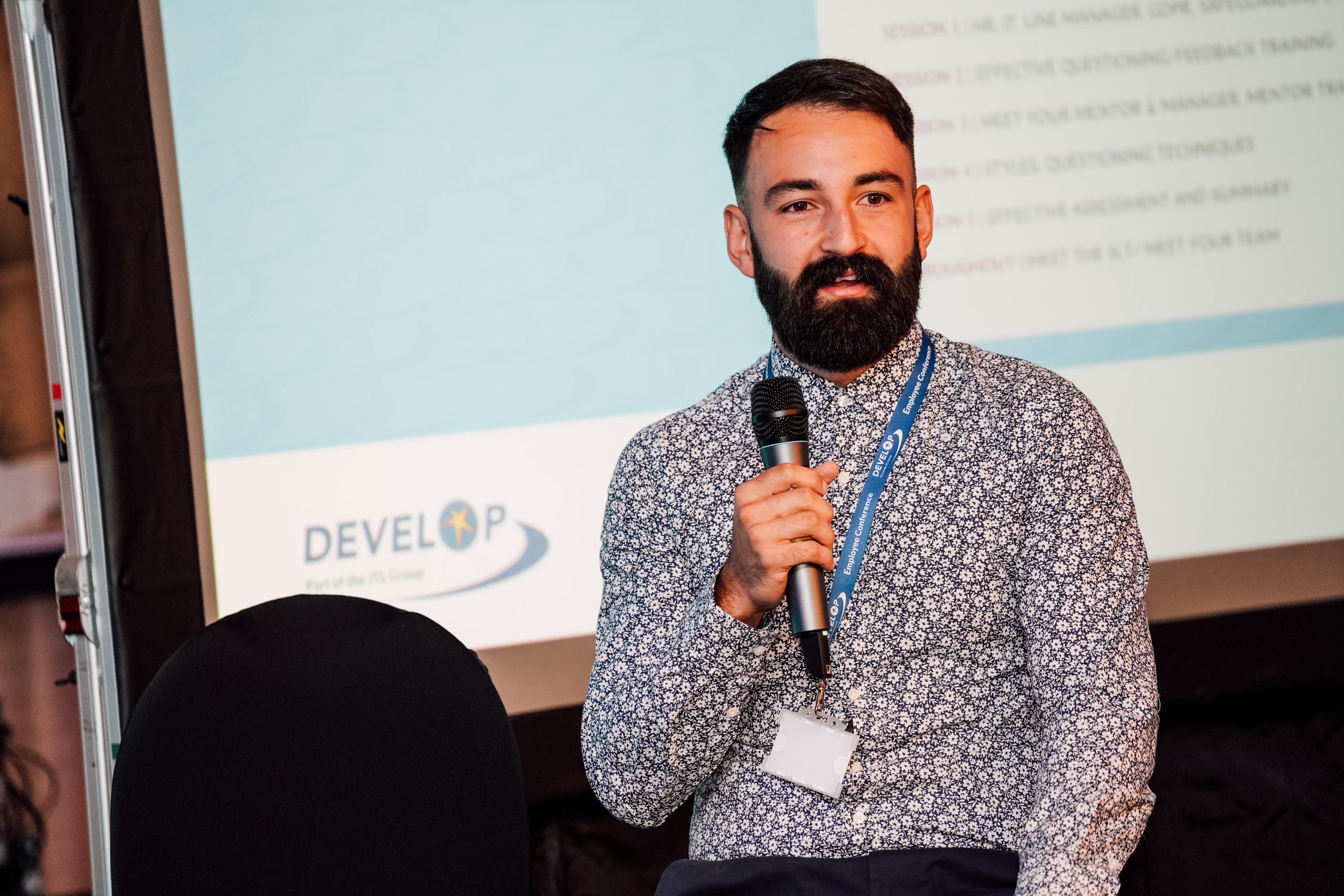
Develop Training, an accredited compliance, technical and safety training provider, has marked the first anniversary of its Swindon training centre. The purpose-built centre located at Edison Park offers electrical, gas distribution, and water systems training simulations. The former Mayor of Swindon, Councillor Abdul Amin, opened the centre in November 2022. In a record-breaking year, the centre has trained over 1,000 delegates across 186 courses, with almost a 90% pass rate and positive delegate feedback.  The centre in Swindon offers a range of courses for delegates seeking to foster their technical and management competencies, in addition to an extensive range of qualifications: the Authorised Person: High Voltage (Industrial and Commercial) (AP15) and IOSH Managing Safely (IOSHMS) The centre also delivers compliance courses for sewers, water jetting, legionella control, water systems and confined spaces. Matthew Gray, Head of Operations and Training at Develop, comments on the success, “The opening of the Swindon centre seems like just yesterday, but here we are a year on, and I’m extremely proud of what we have achieved. Thanks to the efforts of the team, we have a busy and successful training centre, producing highly skilled professionals. “This relocation was the beginning of a busy year for Develop. We have since undertaken extensive refurbishments and made investments at our York and Derby centres, with further development plans in place for our centres in 2024,’’ Matthew concludes. 

NICEIC boosts training portfolio with four new Level 3 qualifications
NICEIC has recently introduced four new Level 3 qualifications to its extensive training portfolio with awarding body EAL. The newcomers cover electrical energy storage systems (EESS), electric vehicle charging installation (EV), and fire detection/fire alarm systems. Paul Collins, Technical Director of NICEIC, comments, ''In response to changes in the sector, and by way of maintaining technical standards, the industry is moving towards implementing stricter mandatory requirements to recognise professional expertise, there is likely to be a greater focus on formal qualifications in the future. ''We aim to support electricians on this journey. Together, we must drive the industry forward, prioritise safety, instil quality, and uphold the technical integrity of the profession.” NICEIC and its industry experts introduced these qualifications to underline its dedication to fostering technical excellence. The new qualifications are: Level 3 Award in the Design, Installation and Commissioning of Electrical Energy Storage Systems – two days This qualification covers the skills and knowledge required for the safe design, installation, commissioning, and handover of electrical energy storage systems (EESS). It reflects the guidance provided by the IET Code of Practice for Electrical Energy Storage Systems, together with the requirements of BS 7671. Level 3 Award in the Requirements for the Installation of Electric Vehicle Charging – one day This qualification covers the underpinning technical requirements for electric vehicle charging points (EVCP). It reflects the guidance provided by the IET Code of Practice for Electric Vehicle Charging Equipment Installation, together with the requirements of BS 7671. Level 3 Award in the Requirements of Fire Detection and Alarm Systems in Dwellings – three days This qualification focuses on fire detection and alarm systems within grades D – F but also covers grades A and C. It introduces regulation and legislation applicable to the design, installation, commissioning, certification and maintenance of fire detection/alarm systems in dwellings, as detailed in BS 5839-6. Level 3 Award in the Requirements of Fire Detection and Fire Alarm Systems for Buildings BS 5839-1:2017 – four days This qualification covers the full content of BS 5839-1, Fire Detection and Fire Alarm Systems for Buildings. It provides information applicable to non-domestic premises: the planning, design, installation, commissioning and maintenance of fire detection/alarm systems. Nik Mitchell, Head of Training at NICEIC, comments, ''Having listened to our customers we know how much they value formal qualifications and recognition. Our new offerings reflect these needs, and we are thrilled to bring them to market.''