2 November 2026
Product of the Month: Amari Floodlight range by Aurora Lighting
 
11 November 2026
Energy, AI and smart buildings: register now for EMEX 2026
 
11 November 2026
Solar and batteries could cut electricity costs by 40%, data finds
 
11 November 2026
EIC confirmed as ECN Awards 2026 charity partner
 
11 November 2026
Acrospire to support Green Frog's European expansion
 

Latest News


myenergi partners with record breakers McMurtry Automotive to showcase technology and reach new fans
myenergi and McMurtry Automotive have announced a strategic collaboration to share knowledge and showcase their industry-leading technologies. The agreement will see both companies unite across a series of ground-breaking initiatives, with myenergi branding set to appear on the world-famous and record-breaking Spéirling fan car. Having pioneered an extensive portfolio of eco-smart home energy technologies, myenergi has already sold more than 500,000 zappi EV chargers worldwide and was recently recognised as one of the UK’s top 10 fastest growing companies. McMurtry Automotive is recognised all over the world for its Spéirling fan car. The 1,000bhp electric single seater, piloted by former F1 driver Max Chilton, set a new hill climb record at the 2022 Goodwood Festival of Speed and has since demonstrated a world beating 0-60mph time of just 1.40 seconds. Together, the two companies are entering into an agreement to share knowledge, expertise and engineering prowess, in a bid to further accelerate the transition to electrification. While myenergi branding will appear on the Spéirling fan car, the engineering teams will also collaborate across a number of game-changing initiatives. Jordan Brompton, co-founder and CMO of myenergi, comments, ”Our mission is to pioneer a simple transition to renewable energy, so we are incredibly excited to be partnering with a fellow pioneer that is working on that same transition with what is arguably the world’s most exciting electric car. We are very clear that, to reach mass adoption, our message needs to reach beyond early adopters and to a new audience. The partnership with McMurtry Automotive gives us that reach to a whole new legion of future fans.” Thomas Yates, Managing Director of McMurtry Automotive, adds, “The collaboration was born after the two companies met in 2022. It was clear we both shared a desire to showcase the best of British-engineered EV products on the world stage. We’re very excited for myenergi joining us for the challenge to break more four-wheeled records with the McMurtry Spéirling. "Over the coming months, myenergi branding will start to appear on the Spéirling fan car as we travel across the UK and worldwide to showcase the pinnacle of electric capability. We’ve also got a few surprises up our sleeves in terms of secret projects and activations. Keep your ears to the ground – you really won’t want to miss a second!” The Spéirling fan car first appeared with myenergi branding at an exclusive VIP event in Dubai on 1 March. Over the next two years, the car will be showcased at events and exhibitions around the world, making appearances in the UK, Germany, the US and further afield.

WiTricity and ABT e-Line to bring wireless EV charging to Europe
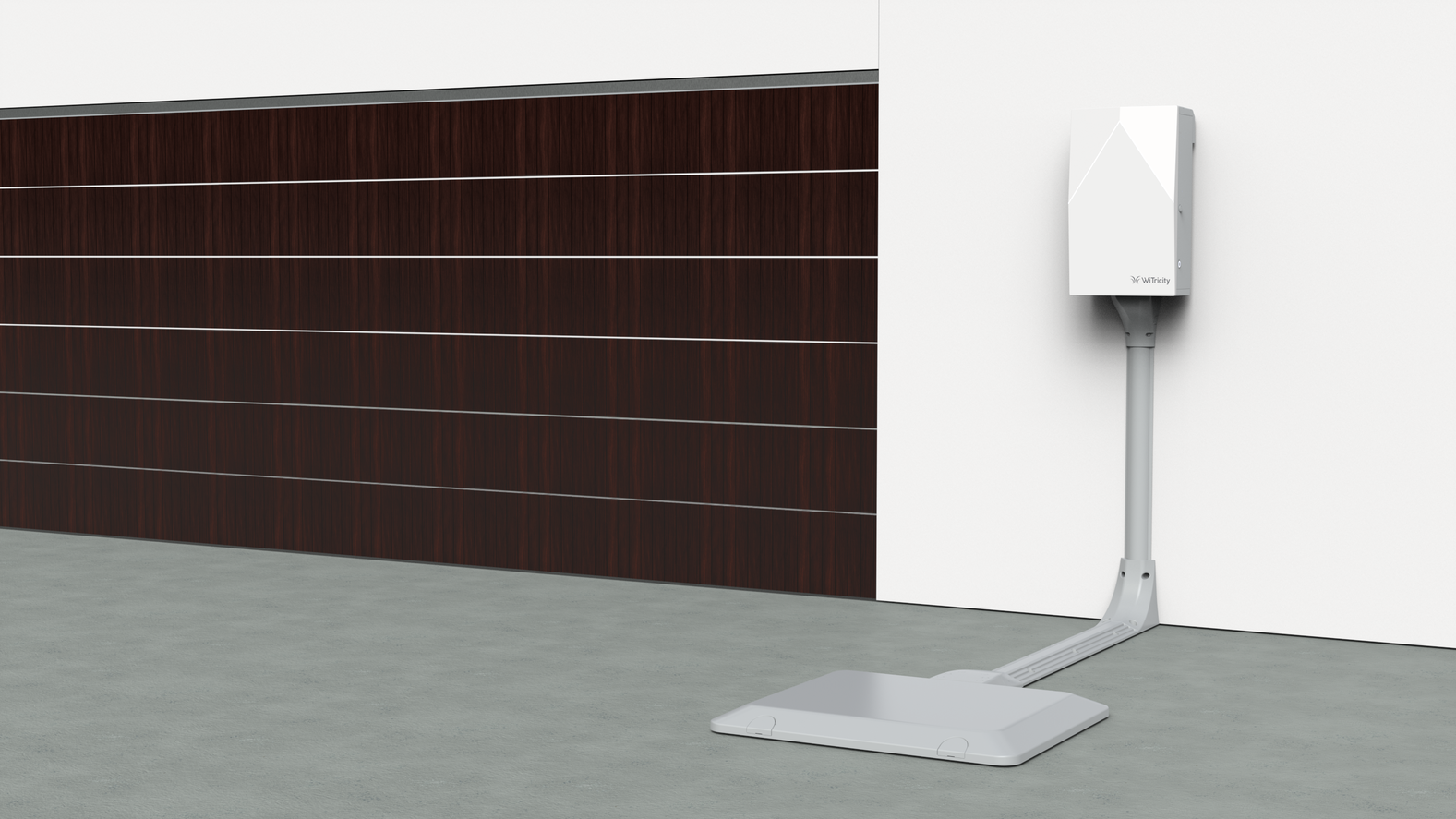
ABT e-Line, a technology driver and one of the leading companies in aftermarket automotive solutions, and WiTricity, a leader in wireless electric vehicle charging, has announced plans to deliver aftermarket wireless EV charging in Europe. With extensive experience working with the Volkswagen Group (VW), ABT e-Line will initially upgrade the VW ID.4 to support wireless charging from WiTricity, with availability targeted for early 2024. The company plans to expand to additional EV models thereafter. “ABT e-Line’s strong track record in customising vehicles to meet the stringent demands of discerning customers fits perfectly with the leading wireless charging technology from WiTricity,” says Eric Plekkepoel, CEO of ABT e-Line. ABT e-Line plans to extend wireless charging capability to additional vehicles, including the Audi e-Tron GT and Porsche Taycan as well as the Volkswagen ID. Buzz – an iconic lifestyle vehicle that fits perfectly to the ABT brand. The added feature of wireless charging will not only appeal to their tech-savvy customer bases, but also provide further differentiation in their respective classes. “We’re thrilled to see the simplicity and convenience of wireless charging expand to vehicles in Europe through this partnership with one of the leading companies in automotive upgrade and aftermarket solutions,” says Alex Gruzen, CEO, WiTricity. “Our proven, automotive-grade charging solutions will help address many of the electrification challenges by making charging as easy as parking.” WiTricity’s magnetic resonance technology allows drivers to charge their EV simply by parking over a charging pad – all with the same speed and efficiency as plugging into Level 2 equipment. The global automotive standard for wireless charging for EVs was ratified by the Society of Automotive Engineers in 2020, based in large part on WiTricity’s designs, and ensures that both the ABT e-Line vehicles and WiTricity’s chargers will interoperate with other manufacturers. Consumers have indicated a strong desire for wireless EV charging. In several studies, 96% of EV consumers have expressed an interest in wireless charging, ranking it significantly higher in desirability than such other options as assisted parking or autonomous driving features. ABT e-Line plans to meet this demand with new EVs that are equally desirable to promote the convenience, safety and accessibility of wireless charging across Europe. “EV owners tend to count charging as the key drawback to ownership, and potential owners may see it as a reason to delay purchase. Charging with a cord or cable is inconvenient, as they can be heavy, bulky or trip hazards,” explains Alex. “And that’s before you add arms full of kids or backpacks, rainy weather or snowbanks. Wireless charging removes those inconveniences, so owners can simply park and charge.”

75% of UK electricians wouldn’t know what to do in event of a fire
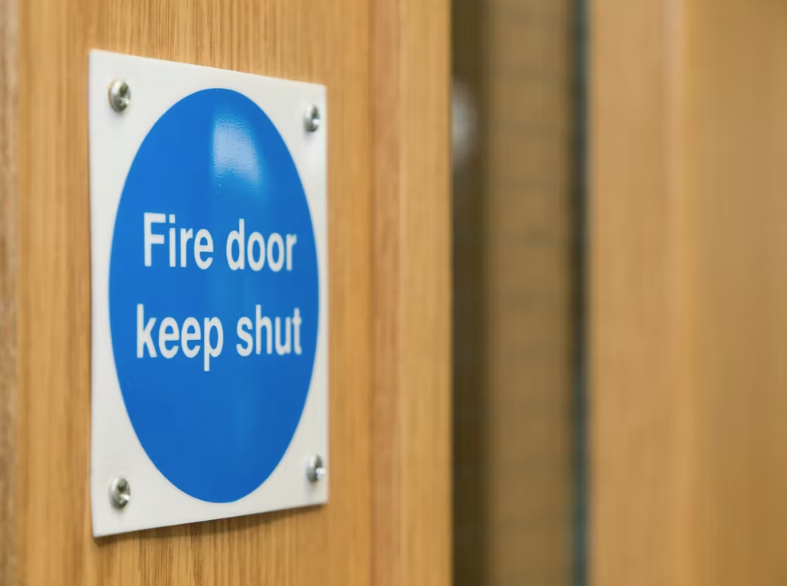
75% of UK electricians wouldn’t know what to do in event of a fire, according to new research, despite 10% having witnessed a fire while on a job. The study, conducted by IronmongeryDirect, the UK's largest supplier of specialist Ironmongery, surveyed 500 UK tradespeople to reveal how prepared workers are for emergencies. Across all trades, a third (33%) of respondents have witnessed a fire while on a job, however, fewer than one in eight (12%) say they always have access to an extinguisher, and 85% say they don’t have one in their vehicle. It appears that some trades are more likely to come across fires than others. Locksmiths encounter incidents the most often (56%), followed by joiners and plasterers (both 50%). The UK trades most likely to encounter fires at work are: Locksmith (56%) Joiner (50%) Plasterer (50%) Building Surveyor (48%) Electrician (39%) Builder (34%) Plumber (28%) Carpenter (28%) Window Fabricator (27%) Landscaper (23%) The level of fire safety knowledge also varies by trade, with landscapers and joiners the least prepared for such emergencies. More than nine in 10 (94% and 92% respectively) admit that they wouldn’t know how to respond. The correct way to handle a situation depends on whether the fire is electrical, gas or chemical. However, almost seven in eight (86%) tradespeople say they are unaware of the differences between them. With this in mind, IronmongeryDirect has partnered with Edgaras Zilinskas, Director at Fire Immunity, to share the safest ways to treat each type of fire. 1) Electrical fires “Electrical fires should be dealt with by cutting the power, and then spraying the area with a dry powder or water mist fire extinguisher.” 2) Gas fires “For gas fires, turn off the gas supply, cover the flames using a fire blanket and utilise the appropriate fire extinguisher, such as dry powder.” 3) Chemical fires “Chemical fires can be dangerous to tackle, but try to remove any sources of fuel, heat and oxygen by using carbon dioxide, foam or dry powder fire extinguishers.” Dominick Sandford, Managing Director at IronmongeryDirect, says, "It's clear from our research that many tradespeople are unprepared when it comes to fire safety, with worrying numbers not knowing what to do in the event of a fire or how to advise their customers on fire safety." “We hope that by highlighting these issues, we can help to raise awareness and encourage tradespeople to take steps to improve their fire safety knowledge and preparedness."

Knightsbridge shines on in the worst of weathers
Designed especially for coastal, exposed and other challenging locations, the new collection of outdoor lights from Knightsbridge is warrantied to stand the harshest of weathers thanks to its robust, corrosion-resistant and low maintenance polycarbonate construction. Four ranges are included in the polycarbonate collection: Eamon, Alana, Toro and Dura. They are ideal for residential and light commercial applications where the environment demands that fitting material is as important as any IP rating, the new outdoor lights are warrantied for three years and come in a range of contemporary styles and finishes to suit most requirements. Offering a compact and contemporary design, Eamon comprises adjustable single and up or down wall lights, PIR downlights and spike lights. The wall lights are IP54 rated, take GU10 LED lamps and come in four finishes – anthracite, brushed brass, black and white. The PIR lights – available in black – are IP44 rated and come in single or up/down versions. They have a detection zone up to 12m at 110o and a ‘hold time’ between 10 seconds to five minutes. The operational ambient light threshold is 10 lux to daylight. The spike lights are available in the same four finishes as the wall lights, are IP65 rated and, depending on lamp choice, are dimmable. The Alana wall lights come in curved or square versions which both offer a forceful, solid aesthetic in black compact or elongated options that, thanks to their design and polycarbonate construction, offer the highest IP rating in the collection at IP65. Depending on the LED lamp, the Alana wall lights are also dimmable. Toro comprises two IP44 coach-style lanterns in black, bringing a contemporary twist to a very traditional style. They are available in up or down configurations and can be adjusted to one of three LED colour temperatures: 3000K (warm white), 4000K (cool white) and 6000K (daylight). Finally, impact-resistant Dura is available either as an IP65 IK10 LED bollard in moulded, toughened polycarbonate or a robust IP65 IK08 wall light. Both iterations of Dura are in black and come with adjustable CCTs in three colours – warm white, cool white and daylight. The new polycarbonate outdoor collection from Knightsbridge provides tough, durable lighting solutions to the challenges presented by bad weather or harsh environments, while delivering high aesthetics and quality performance.

Leeds helps residents access affordable green home upgrades
Hundreds more households will enjoy cheaper energy bills thanks to green upgrades after Leeds City Council secured £16.8 million to progress its plans to deliver climate-friendly housing across the city. The funding will enable the council to kick-start the delivery of its new Net Zero Homes Plan, which sets out actions the local authority will take to install low carbon heating and tackle heat loss from Leeds’ residential buildings. Last week, senior councillors approved the document, which sets out blueprints for how the council can work with the private sector, community groups, and government to enable every Leeds household to access property improvements that make homes healthier, more environmentally friendly, and cheaper to live in. Studies have shown that British homes are among the least energy efficient in Europe, making them harder to keep at a comfortable temperature and more expensive to heat or cool. One-in-six (17.6%) Leeds households were classed as living in fuel poverty in 2020, officially defined as living in a relatively inefficient home and having an income below the poverty line once energy bills are paid for. Better insulating Leeds’ buildings to tackle heat loss - alongside other measures to improve energy efficiency - will help to reduce fuel poverty and carbon emissions simultaneously. Councillor Helen Hayden, Executive Member for Infrastructure and Climate, says, “The Net Zero Homes plan is our blueprint to help end Leeds’ contribution to climate change by making our homes better. Meaning they are more affordable, healthier, greener, and more comfortable to live in. “From Holbeck to Holt Park, high-rise to homeowner, our actions have shown that helping Leeds’ households save money and energy has long been a priority for this council. “I am proud that this ambitious new plan goes further and thinks bigger - setting out how the council can work with partners locally, regionally, and nationally to help every household in Leeds enjoy the benefits of living in a climate-friendly home.” New advice service and innovative financing offer for green home upgrades A key commitment within the Net Zero Homes Plan is to establish a simple one-stop-shop hub with council partners for homeowners and landlords to get trusted, tailored advice on the benefits of installing different green upgrades. As well as educating residents, the service will also be able to recommend trusted contractors and will eventually offer property-linked finance options from private sector partners. Development of the new service will be accelerated thanks to a range of grants recently secured by the council, including £100,000 from the West Yorkshire Combined Authority, to support customer engagement and product research, as well as £50,000 from the MCS Charitable Foundation to create additional capacity within the council. As part of its Net Zero Homes Plan, the council will continue building the case for additional funding to support Leeds’ homeowners that are least able to afford money-saving green upgrades. The council has now secured up to £15.5 million to deliver a new scheme to upgrade properties not connected to the gas grid. Eligible residents will be able to apply for free installations of insulation products, solar panels, or low carbon heating technologies. Landlords of eligible properties will also be able to apply for heavily subsidised installations of the same improvements.

Supporting construction workers through peak operational periods
Like every industry, construction has its peaks and troughs throughout the year. The winter period is commonly seen as prime time for businesses and contractors to source new projects for the year ahead and get a head start on their plans, working with designers and co-workers to outline project timelines and requirements. With winter coming to an end, the industry is now about to enter its operational phase. April is the most common month for both interior and exterior construction projects to begin, as it often provides the start of a long period of construction-friendly weather, with drier ground and more hours of daylight to get things done. With the UK construction industry hitting its highest growth rate in nine months according to the S&P Global/Cips UK construction purchasing managers’ index, it is essential for workers to prepare for what is expected to be a very busy spring and summer period. Project management is extremely important for tradespeople. Throughout the busy trading period most workers will be juggling several projects at once, so organisation is key to help clearly identify different solutions for different tasks. Through ManoManoPro, trade professionals have the ability to manage multiple projects remotely at the same time through a personalised platform that provides simple invoice management and step-by-step order tracking catered to each task at hand. Accessibility is another big focus throughout spring and summer. Due to the ramped-up demand for construction, many tradespeople are working five extra hours a week, according to a 2022 survey from ManoManoPro, offering them little time to pick up the tools and accessories they require on a day-to-day basis. By having access to an online platform such as ManoManoPro instead of a bricks and mortar store, professionals gain access to an unrivalled choice of over 1.5 million products from trade-quality brands that can be delivered straight to the projects or renovation sites they are currently working on. The one-stop-shop is available anytime, anywhere via the online catalogue with 24 hour delivery on key items. A final prioritisation for tradespeople over the next few months is simplicity. Throughout any busy period of work, there are always a few stumbling blocks along the way, which can lead to stressful situations. Having access to quick and simple solutions can ensure there is no delay to a project end date and help keep a positive working environment intact. ManoManoPro offers a dedicated team at the service of every customer, providing a personalised experience and expert advice through a team of specialists available by telephone, email, or online chat who can help make decisions and provide information on products according to each project or challenge they face.

Fluke release new all-in-one testing equipment
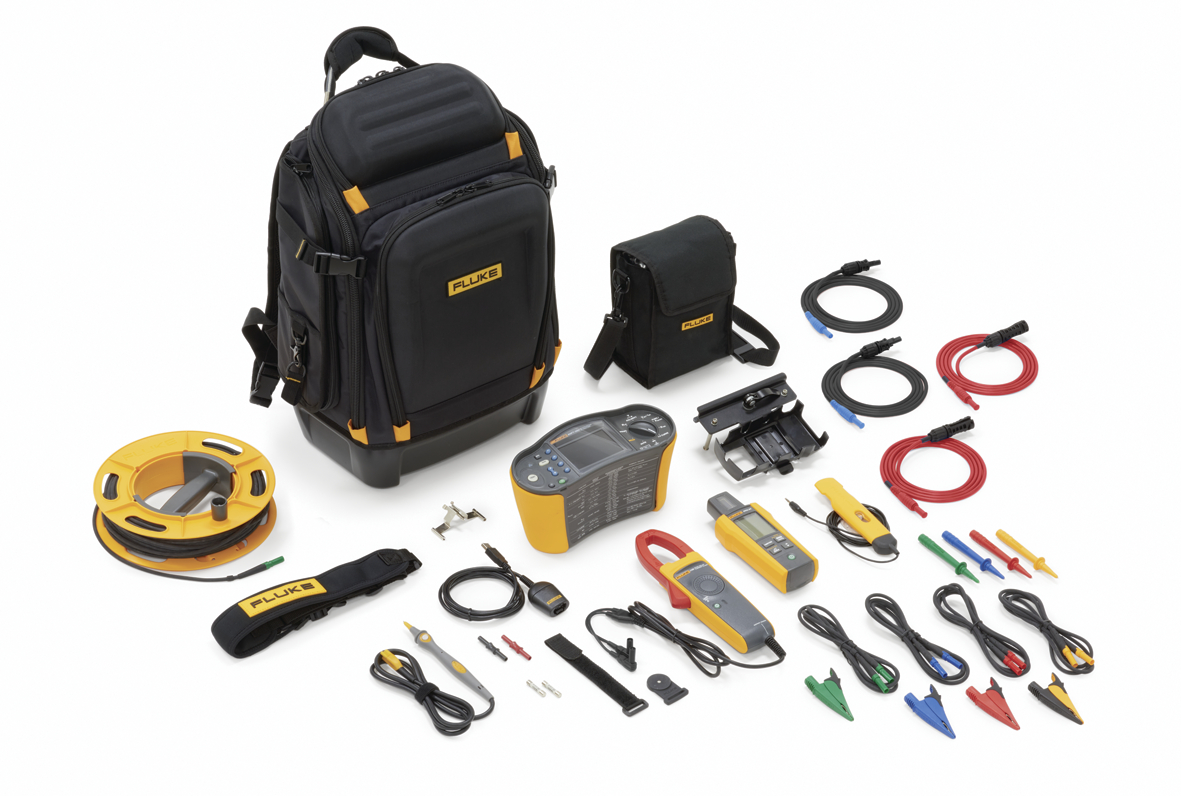
Industrial-grade equipment for measurement, testing and diagnostics available from one supplier. The Conrad Sourcing Platform is expanding its already sizeable range of electrical testers by adding Fluke’s latest all-in-one solution. Fluke recently released the SMFT-1000, a brand new multimeter combining a PV tester, a performance analyser and an IV curve tracer. The SMFT-1000 is a perfect choice for all electrical contractors who want to carry out safety and performance tests of 1,000 VDC-rated solar energy systems in a more efficient way. Simplified workflows, faster job completion Solar engineers contracted to install, commission and repair photovoltaics need fast, accurate and safe tools to make sure that solar energy systems work in a highly efficient way without experiencing too much downtime, if any. They are now able to carry out the entire range of DC testing associated with residential, commercial, industrial and utility-scale photovoltaic systems using one single piece of equipment that combines accuracy, safety and reliability. Since the product helps simplify the workflows in the photovoltaic sector, engineers spend 20% less time on site and are able to speed up the documentation process that is part of each job by about 50%. IV curves are a common way to assess the performance of both individual solar panels and entire arrays of PV modules across different performance levels. The versatile SMFT-1000 allows comparing data collected on site with the respective IV curve, displaying any issues in real time on a high-resolution colour screen. This allows fast troubleshooting that does not require a laptop or tablet. The product also reads open-circuit voltage (VOC), short circuit and running current, and is suitable for insulation, diode, polarity and ground testing. Moreover, the device enables performance assessments of AC-DC inverters, to improve the energy conversion efficiency. A proper multifunction tester for solar energy systems “There is considerable demand in the market for a versatile high-precision multifunction tester,” explains Hans-Dieter Schüssele, Application & Technology Expert at Fluke. “Our new all-in-one PV tester plus performance analyser plus IV curve tracker is an advanced piece of equipment that has been thoroughly tested and comes with all the latest safety features and functions using state-of the- art technology. These include extensive auto-diagnostics options that allow a safe quality testing of solar energy systems while simplifying the workflows and, thus, speeding up the testing process significantly.” IEC/EN-62446-1-compliant testing  Fluke’s patented Keep-the-Leads feature means that you need to connect the product to a solar energy system just once to carry out all necessary testing. This saves time since user-friendly automatic measurement routines display the results in real time. The product is suitable for CAT 1 and 2 as well as type A and B insulation testing. The device comes with clearly labelled control buttons that make it easy to view earth resistance, polarity, voltage and current readings, AC/DC power curves, insulation resistance, IV curves and the outcome of diode tests. All readings taken on site are stored on the device and can be transferred to and downloaded from a PC using Fluke’s TruTest Data Management and Reporting software which makes data analysis and job documentation so much easier. PV specialists can make use of this extended set of features by opting for the SMFT- 1000/PRO. Easy integration enabling advanced testing  PV specialists choosing the product get both the analyser and a comprehensive set of accessories: to collect an exhaustive set of data, the SMFT-1000 multifunction PV tester allows you to use Fluke’s i1000 AC/DC clamp meter and the IRR2-BT solar irradiance meter that comes with a high-contrast LCD as peripherals – with the latter two pieces of equipment, among others, being part of the package. The clamp meter enables assessing the performance of the inverter while the IRR2-BT measures the intensity of the incoming sunlight and the temperature. The IRR2-BT uses Bluetooth to communicate with the SMFT-1000, to ensure accurate IV referencing. If, for some reason, the Bluetooth connection fails, the IRR2-BT keeps recording data for up to 17 hours, to be matched to SMFT-1000 readings at a later time.

New study reveals 1m tradespeople can’t afford to run their vehicles
Last week’s Spring Budget saw the Chancellor, Jeremy Hunt unveiling plans to maintain the 5p cut in fuel duty for a further 12 months as inflation remains high - saving the average driver £100 next year. Whilst the freeze in fuel duty is a much-needed measure for tradespeople, Fix Radio reveals a landmark study analysing other obstacles the industry is facing - such as plans to increase the ULEZ to greater London and the ‘Transit Tax’. News of the expansion to the ULEZ in London, which is due to be enforced from 29 August, has gathered pace from the construction industry with tradespeople looking to be amongst those worst hit. Research from the Federation of Master Builders has shown that increases to transportation costs, such as rising parking fees over the last 18 months have forced 80% of tradespeople to increase their prices. Now, it has been shown that the ULEZ expansion will have a direct and detrimental impact on close to a quarter of all construction businesses in Greater London, with another 21% saying that increased transportation costs has made travelling into cities with their van an impossibility, increasing to 23% in London. The business landscape for sole traders and small businesses in the construction sector is one that is facing increasing turbulence after the lockdown boom just a few years ago. Fix Radio found that one in four businesses were on the cusp of collapse in 2022, with new research from the station now finding that almost a quarter of tradespeople have had to increase their prices as a result of inflation, but are ultimately losing work as a result. Adding to these business woes, new plans to increase ULEZ in Greater London has heightened fears about the impact this will have on tradespeople who face a £12.50 daily fee for vehicles not meeting minimum requirements - this could be equivalent to more than £3,100 a year. Already suffering the results of this, Fix Radio unveiled 23% of tradespeople in Greater London said the introduction of ULEZ and the ‘Transit Tax’ where taxpayers are facing higher rates on vans for private use - has already had a detrimental impact on their business. To combat increasing costs for tradespeople as a result of the ULEZ expansion, a £110m scrappage scheme will be launched to help fund the purchase of new vehicles that are ULEZ-compliant. Under the new scrappage fund, each applicant is entitled to £2,000 to help transition to a low-polluting or EV alternative. However, for tradespeople, this allocation covers a mere fraction of what would be required to swap their vehicle. With the EV equivalent of Britain's best-selling van, the Ford Transit, starting at £48,000 for its most basic model, the provisions clearly do not go far enough. Even for those who could afford the significant outlay to purchase a new van, a report commissioned by Transport for London estimated that 30,000 non-compliant vans currently use the ULEZ expansion area every day, despite the fact there are only 23,803 vans that meet the new requirements for sale in the UK. This concerning outlook comes on top of the fact that the cost of steep parking fee rises, and 'green' motoring charges forces builders, plumbers and electricians in London to spend £70 on average before they have even walked through the door, and a total of £140 a day including operating costs, according to Fix Radio research. With the average day rate of a tradesperson equalling £150 - according to Pier Consulting - the addition of the new ULEZ charges is now leaving tradespeople in London facing a loss of 21 workdays. For some tradespeople who have reported on Fix Radio that their daily costs have been as expensive as £300 to work in the capital, the situation is much bleaker. Whilst the situation for tradespeople travelling to jobs is grim across the UK, the picture in London is particularly severe. The impact of the ULEZ expansion stands to undermine the Mayor of London’s plea for tradespeople to work in the capital to help improve the city’s housing stock. Policies such as the expansion, coupled with minimal provisions to cover future overheads, seek to undermine the supposed importance of tradespeople, deterring them from traveling into London to work on essential housing projects. Clive Holland, broadcaster on Fix Radio, says, “I have to say, from a personal point of view, I think through the pandemic our industry was asked to continue to build which we did. Without the construction industry, the UK economy would collapse - you've seen a lot of strikes recently but if tradespeople ever decided to strike it would cause significant issues throughout the UK. Tradespeople haven’t had the pat on the back that they deserve for helping through the pandemic and putting themselves in dangerous situations. “When the ban on red diesel came, the ULEZ extension, the general taxation of vehicles and the electric vans requirement, they are all burdens to tradespeople which seriously affects their income. It is not only happening in London it's happening in cities around the UK including Birmingham and Bath, the tradesperson who is going about their daily job I think is being victimised. Particular at this time with Brits battling inflation and recession it means that customers are turning down jobs because they can’t afford it and tradespeople are encountering extra fees, such as the ULEZ charge which makes jobs less desirable.”

84 more vehicle charge points coming to Leeds
Drivers of plug-in vehicles will soon find topping up their mileage even more convenient, thanks to 84 new plug-in vehicle fast charging bays being installed in Leeds. A newly announced partnership between Leeds City Council and EB Charging will see 84 new fast charging bays installed at 15 locations across the city - with the first 30 bays at six locations already live. 54 bays at nine more locations are due to go live by the early summer. Each of the new bays will be easily located on services such as Plugshare or Zap-Map when live. Horsforth, Rothwell, and Morley are among the areas that will benefit from the new infrastructure. The council has selected the locations to help improve access to local vehicle chargers for residents living in parts of the city with limited off-street parking. The new charge points will supply vehicles at a rate of up to 7KW, meaning that a typical electric vehicle could fully recharge in around six hours. Local drivers are increasingly switching to electric or hybrid models. Official statistics show more than 39,000 plug-in vehicles now registered in Leeds and traffic data from the local authority show that the share of fully electric vehicles on the city’s roads has doubled in the last year alone. The council is working to improve charging infrastructure to encourage more drivers to switch to the cleaner, greener vehicles as part of its Connecting Leeds transport strategy and response to the climate emergency. Leeds had more than 412 publicly accessible charge points as of October 2022 - more than triple the amount available a year earlier. Many drivers will also have access to private charging either at home or in the workplace - often the cheapest and most convenient way to charge. Since 2018, local planning policies have required new charging infrastructure in all new developments with parking. The local authority has also successfully secured grant funding and private sector partnerships to install dozens more new charging bays at car parks across the city. This includes 72 rapid charging bays in partnership with Geniepoint and the West Yorkshire Combined Authority, and 24 bays (a combination of fast and rapid chargers) at Stourton Park & Ride in partnership with EB Charging. Funding worth £0.37m for the new charge points announced in this release was provided through a combination of grant funding provided by the government’s Office for Zero Emission Vehicles and a significant contribution provided by EB Charging. Councillor Helen Hayden, Leeds City Council, says, “I’m delighted that the council is working with EB Charging to install another 84 charge points for plug-in vehicle drivers across the city. ‘With transport emissions making up such a significant proportion of our city’s carbon footprint, it is really encouraging to see the demand for cleaner, greener vehicles growing - having more than tripled in the last two years. “We know that access to charging, particularly for residents who don’t have off-street parking, is preventing some people from enjoying the benefits of electric vehicles. So, I hope that the installation of these new charge points will make it easier for more people to make the switch.”

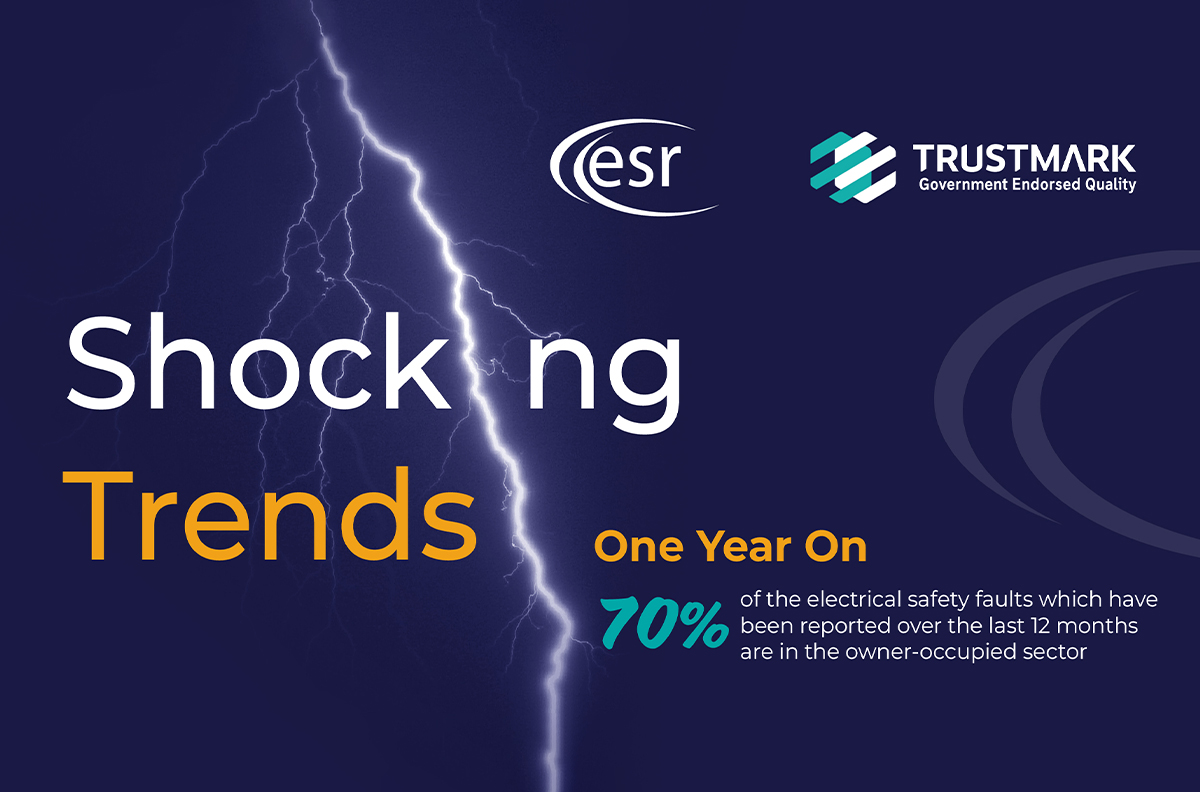
Electrical Safety Roundtable & TrustMark one year on: worrying trends
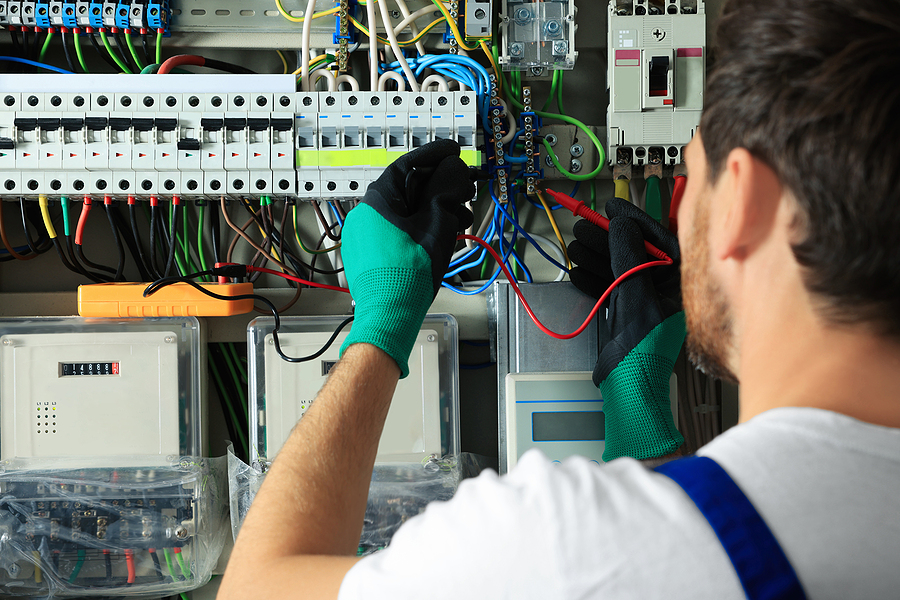
Over a year on from the launch of the reporting tool for unsafe and non-compliant electrical work, following a unique collaboration by the Electrical Safety Roundtable (ESR) and TrustMark, the results continue to highlight electrical safety concerns in the owner-occupied sector. 70% of the electrical safety faults which have been reported over the last 12 months are in the owner-occupied sector, with 27% of total responses submitted identifying a category 1, immediate risk to life, hazard. These statistics highlight an undetermined risk in an area that is not currently covered by any legislation to require regular electrical safety checks. The Electrical Safety Roundtable Chair, Chris Pack comments, “The information collected through this reporting tool suggests that, proportionally, electrical safety standards in owner occupied dwellings are of concern and in some cases pose a risk to life. We would urge the government to take heed of these findings, and support Lord Foster’s Domestic Premises (Electrical Safety Certificate) Bill, which requires an electrical safety certificate to be provided to prospective purchasers of domestic premises in specified circumstances. This is comparable to the need for a seller to have a valid Energy Performance Certificate at the point of sale and would enhance standards of electrical safety by flagging any serious issues with the electrical installation to the purchaser, allowing them to make an informed decision about what remedial work, if anything, is required.” With 57% of those utilising the tool being registered electricians, 32% being homeowners and 11% being tenants there is broad interest in the initiative, which allows a fuller picture of the electrical safety standards in homes to be gathered. The reporting tool has remained a consistently popular link on the ESR website and with support and promotion from industry partners such as NAPIT, BEAMA and LABC, it remains a valuable resource.