


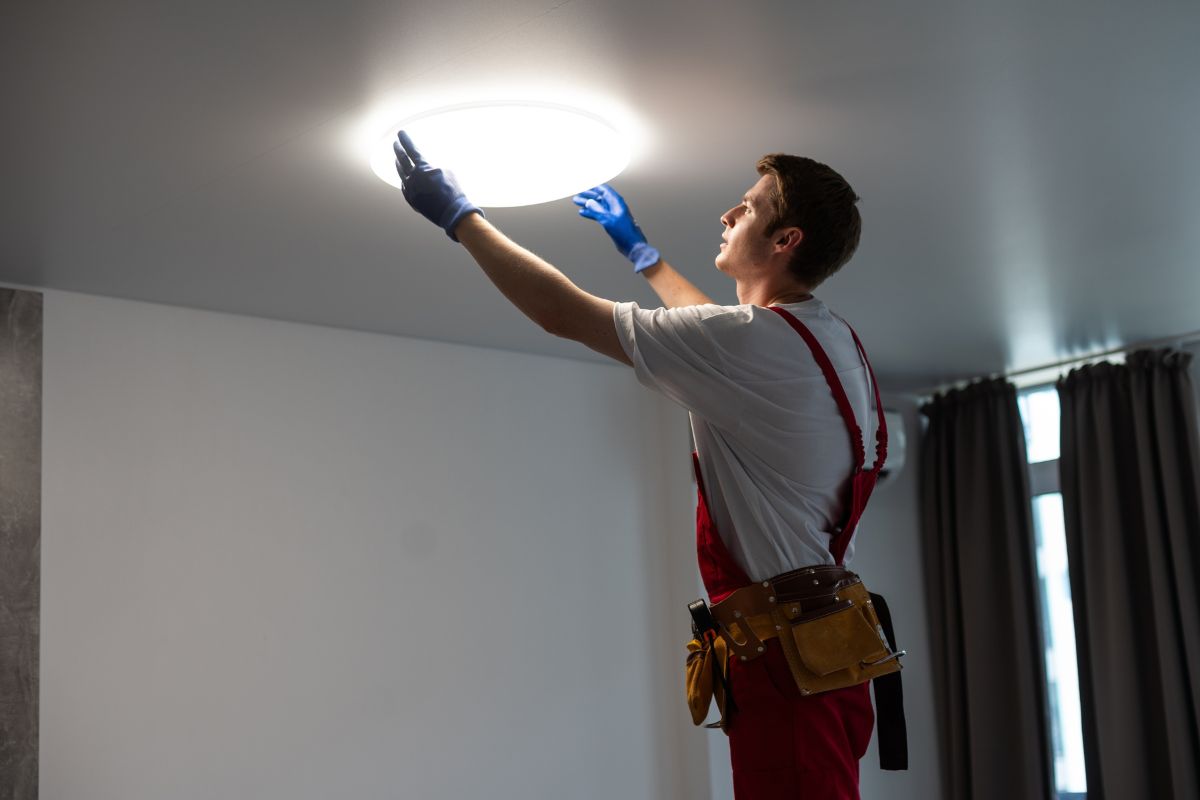
Electrical contractors working with social landlords in England have less than a month before Awaab’s Law Phase 2 comes into force, extending rules on repair tracking to significant electrical hazards, field service management company Field Ascend has warned
Under the legislation, landlords must investigate potential significant hazards within 10 working days, provide written findings within three working days where required and complete relevant safety work within five working days of the investigation. Emergency hazards remain subject to a 24-hour deadline for investigation and safety work.
For electrical contractors working with social housing providers, this means tighter expectations around response times, allocating qualified engineers and documenting repairs.
Businesses will need to track jobs from the initial report through to completion, making sure inspection findings are passed to landlords promptly and any outstanding remedial work is followed up within the required timeframes.
Richard Skelson, Managing Director at Field Ascend, warns that the new requirements could put added pressure on electrical contractors managing multiple social housing repairs, with tighter timescales leaving less room for delays in engineer allocation, reporting and follow-up work.
“With separate deadlines for investigations, written findings and repairs, contractors need to manage each stage of a job rather than treating it as a single appointment,” he continues.
“For emergency hazards, the 24-hour deadline starts when the landlord becomes aware of the problem, not when the contractor receives the job. Businesses should agree how urgent requests are passed over, record the original report time and flag approaching deadlines so managers can act before work falls behind.”
Landlords remain legally responsible for meeting Awaab’s Law requirements
Richard continues: “When electrical hazards are reported, contractors need to identify an appropriately qualified engineer who can attend within the required timeframe, without overlooking existing commitments.
“Keeping engineer qualifications, availability and active jobs visible in one place helps dispatchers make informed decisions. If an appointment cannot go ahead or specialist support is needed, the job should be escalated promptly and the housing provider updated rather than allowing the deadline to approach without action.
“Making an electrical hazard safe does not always mean the wider repair process is finished, particularly where temporary repairs or further preventative work are required.
“Contractors should record outstanding defects, required parts and follow-up appointments with a clear person responsible for completing them. Closing the initial call-out must not remove these actions from view, especially when further work has its own deadline.
“Landlords remain legally responsible for meeting Awaab’s Law requirements, but they depend on accurate contractor records and progress updates. Being able to show what was investigated, what was repaired and what remains outstanding is just as important to managing the process as knowing when an engineer attended.”
For more on Awaab’s Law, click here.
