2 November 2026
Product of the Month: Amari Floodlight range by Aurora Lighting
 
26 November 2026
Thorn scores second Highland football lighting installation
 
26 November 2026
Segen pens exclusive distribution contract with M-Rack
 
25 November 2026
Scolmore helps rejuvenate Tamworth Cancer Support Centre
 
25 November 2026
Leicester apprentice crowned 2026 SkillELECTRIC champion
 

Latest News


Farmers and lorry drivers on track for new safety pledge
The country’s biggest electricity distributor has launched a new initiative designed to save lives, by talking to people most at risk of coming into contact with overhead lines. UK Power Networks say the four groups with the highest number of safety incidents around overhead power lines during the past five years, have been road hauliers, farmers, tree surgeons and builders. Figures for 2020 show that 44% of overhead line incidents were through road hauliers, 18% were farmers, 16% tree surgeons and small or self-employed builders made up 12% of the tally. The new ‘Think, Plan, Locate’ initiative will see UK Power Networks join forces with others, including both the national Road Haulage Association and the National Farmers’ Union. With lockdown easing across England, safe working procedures to reduce the risk of accidents near overhead power lines are essential. These include maneuvering, loading or unloading vehicles which risk coming into contact with electrical equipment. Touching high voltage cables can be fatal. Accidental contact with live overhead power lines kills people and causes many serious injuries every year. People are also harmed when a person or object gets too close to a line and a flashover occurs. Ros Forbes, a safety advisor at UK Power Networks which owns and runs overhead electricity networks across the East and South East of England, comments: “Safety is our number one priority and we saw a rise in incidents when lockdown eased last summer, so it’s timely to remind people again of the dangers. “Our research has shown us the trades and professions most in danger and we sense that a focus on being COVID-secure has led to less of an emphasis on electrical safety in some areas. “This new ‘Think, Plan, Locate’ initiative builds on the work of our ‘Be Bright Stay Safe’ pledge and is there to remind people to concentrate on their safety. We want to prompt collaborative working and positive conversations about safety which, ultimately, will help save lives. “Taking time to plan, informing workers and contractors where the power lines are, being prepared and focusing on the on the way you work, can help keep people safe.” Pete Short, head of business development for the Road Haulage Association says: “You can never be too careful when it comes to working near power lines, as one momentary lapse or wrong move can be fatal. “We urge firms to make sure their drivers and other staff are aware of the risks of working in and around electricity networks so they can do everything they can to keep themselves and others safe every time.” Tom Price, farm safety and transport advisor for the National Farmers’ Union says: "Almost all contact incidents can be avoided altogether – the key is planning. Find out where power lines are and make sure everyone knows – workers and contractors. “You should know the height and reach of machines and the height of lines. If you suspect lines are low contact UK Power Networks and ask them to check – the service is free. “Our advice is don’t rely on GPS and other tech to avoid lines – you must always be alert when driving any machine near a line.”

Cable pathways regulatory landscape made easier thanks to guide
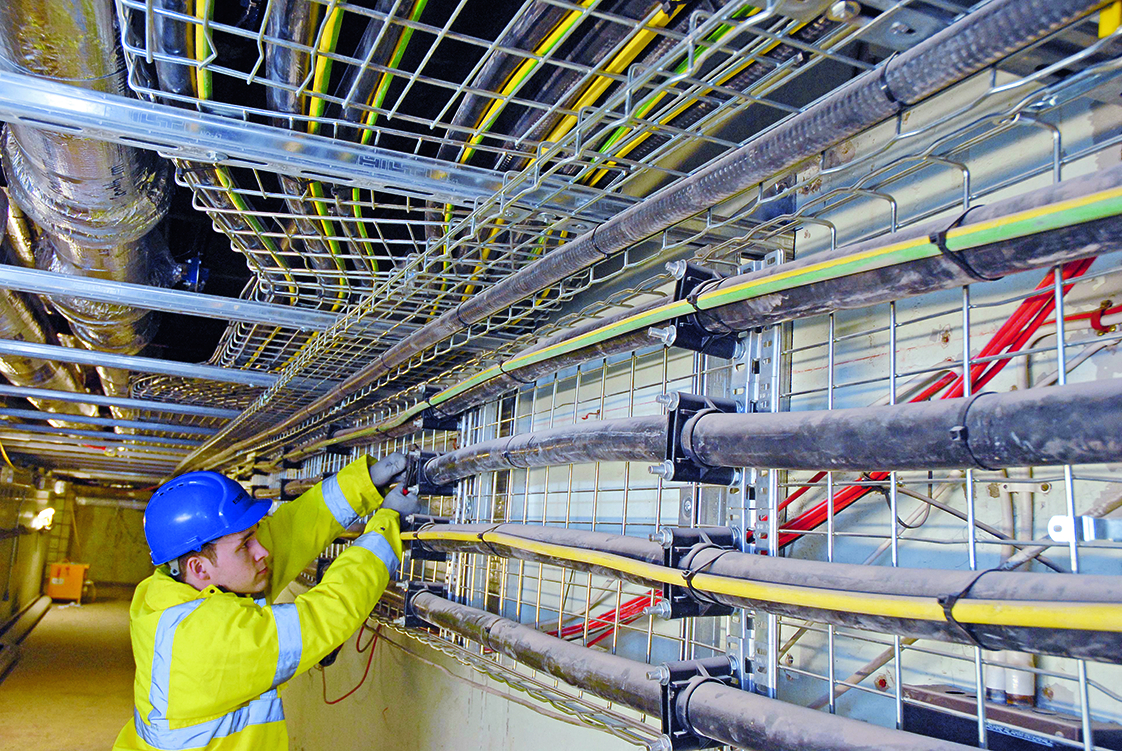
A new guide that outlines the key updates relating to cable pathways has been launched by Legrand UK & Ireland, following updates to a number of key industry regulations. The guide – Creating Cable Pathways – follows recent updates to the IET Wiring Regulations, as well as the release of the Dame Judith Hackitt Independent Review of Building Regulations and Fire Safety Final Report. It has been launched to provide electrical installers with assistance and recommendations on how to best specify cable containment systems, explaining how to create a cable pathway through a building while navigating the current standards landscape. The guide provides the relevant information key stakeholders such as architects, designers, consultant and electrical contractors need to know. Mark Williams, Lead Marketing Manager – Cable Management for Legrand UK & Ireland, says: “Legislative updates can often be a minefield for electrical professionals, but the consequences of not meeting guidelines can be significant. Our paper provides installers with everything they need to know on the updates, to ensure cable pathways are completed effectively and safely.” The short guide provides an overview including fire safety in design, management and use and the Construction Products Regulation (CPR). It also explains the relevant changes to the BS 7671:2018 IET Wiring Regulations 18th Edition, which include: Protection against thermal effects Locations with risk of fire due to the nature of processed or stored materials Selection and erection of wiring systems Wiring systems to minimise the spread of fire Mark adds: “Safety excellence in wiring has been heightened in recent years and wiring systems must be adequately supported against their premature collapse in the event of a fire. As the built environment continues to evolve, installers must ensure they have absolute knowledge of the changes to fully equip themselves and their projects against hazards.” In addition to the guide, Legrand has also created a CPD – 'Creating a Cable Pathway Through a Building' – which brings relevant updates together to offer guidance on how to create effective cable management pathways. The CPD, which can be delivered online, has been designed for professionals – both experienced and new to the industry - looking to upgrade their skills and refresh their knowledge.

SolarEdge launches smart modules for the UK residential market
SolarEdge is bringing its vision of increased energy sufficiency for UK homes a step closer with the introduction of its Smart Module series with integrated Power Optimizers. The launch marks the first availability of SolarEdge Smart Modules in the UK and represents an important milestone in the company’s strategy to provide residential customers with a holistic, end-to-end home solar energy management solution. SolarEdge’s advanced DC-optimised inverter and Power Optimizer solution overcomes the limitations of traditional string-based PV systems to deliver more energy output, reduce maintenance costs and mitigate safety risks. The new SolarEdge Smart Modules combine the benefits of the company’s Power Optimizers with the latest split-cell PV module technology to deliver increased power output in a highly durable and easy-to-install package. Available for order now, the range includes a choice of 355-360W all-black modules for more aesthetically appealing roofs and 370W black-framed modules for system owners looking to generate even more power from their solar installation. Christelle Barnes, UK Country Manager at SolarEdge, comments: “We’re excited to introduce our Smart Module solution to the UK, following a roll-out in Australia and across Europe. Since 2006, SolarEdge has invested heavily in developing industry-leading solutions that enable residential and commercial customers to harness the full power of solar technology, driving down their energy costs and carbon footprint. Today’s announcement marks the next stage in this journey.” SolarEdge Power Optimizers increase energy output from solar installations by constantly tracking the maximum power point of each module, thereby reducing the mismatch power losses that typically occur in traditional string inverter systems due to issues such as shading or soiling. The SolarEdge topology also enables more efficient use of all available roof space. This allows the maximum number of modules to be installed, ensuring the system produces the most energy possible. Other customer benefits include the ability to track the performance of solar installations at a module level via SolarEdge’s cloud-based Monitoring Platform. This ensures that in the unlikely event of a problem, the source can be quickly identified and remedied, keeping energy losses to a minimum. Meanwhile, peace of mind is provided by a raft of inbuilt safety features. This includes SafeDC which provides automatic module-level voltage shutdown should the install need to be accessed, for example during installation or maintenance or in the unlikely event of a fire. The Smart Module solution is also designed with ease of installation in mind. Benefits to installers include reduced installation time and costs as there is no need to mount the Power Optimizers separately, improved cable management, and streamlined logistics with fewer parts to order, easier servicing and a single product warranty. Additionally, for simplified operation and maintenance, serial numbers are located on the front of the Smart Modules. This enables easy scanning of both the Smart Module and Power Optimizer and facilitates faster mapping of the physical site layout in the Monitoring Platform. Barnes concludes: “Residential customers all over the world are looking for higher performing, more reliable solutions that enable them to harness the power of solar. At the same time, SolarEdge remains committed to helping installers work more efficiently and more profitably. The Smart Module series meets these needs by offering the proven benefits of our DC-optimised solution in an aesthetically-pleasing and easy-to-install package. With this launch, we are now a step closer to achieving our goal to provide residential customers with an end-to-end solar energy management solution that can grow in line with their evolving energy needs.”

The free tools electrical contractors can not afford to ignore
As the final deadline for the new PRS legislation in England came into force on April 1 2021, calls to NICEIC and ELECSA’s technical helpline peaked at over 600 calls a day, a figure which is more than double the daily average seen during the same period last year. The majority of the call volume came from contractors seeking clarity on the rules relating to EICRs and guidance on appropriate coding. In addition, there was also a significant increase in calls from landlords and letting agents who were again seeking advice on the rules, particularly concerning enforcement during the pandemic. Sam Donaghy, NICEIC and ELECSA’s Technical Helpline Manager, says: “In the run-up to the deadline for carrying out electrical checks in the PRS, the calls increased significantly. From the conversations myself and my colleagues were having, it was clear, despite the deadline being set in 2020, many landlords had left it to the last minute to comply. A situation which, of course, wasn’t helped by COVID-19. “Many of the questions from contractors related to appropriate coding on EICRs which, as we all know, are not always straight forward, while landlords sought guidance on the legislation itself.  In both scenarios, we signposted callers to the NICEIC website. “Here we outlined the latest government advice which promotes the use of free materials such as Electrical Safety First’s Best Practice Guide 4 and the Wiring Regulations Advisory Groups (WRAG) FAQ’s.” Issued by MHCLG on April 1, the latest Government advice confirmed the planned implementation and timings of the PRS legislation would not change. Recognising the impact of COVID-19, the guidance went on to discuss renting during the pandemic. In this general guidance, MHCLG called for a pragmatic risk-based approach to enforcement during COVID-19. The advice also signposted Electrical Contractors and Landlords to resources relating to undertaking EICRs and correct coding. The two reference points given were Electrical Safety First’s Best Practice Guide 4 and the WRAG FAQs. “We welcome MHCLG’s promotion of the Best Practice Guide 4 and WRAG FAQs comments Martyn Allen, Electrical Safety First’s Technical Director, “Offering industry agreed best practice guidance on EICR coding and the application of BS 7671, these resources have been created to support the industry as collectively we strive to maintain standards, provide consistency for inspectors and installers, and protect the consumer. Free to download and easy to follow, the Guides are available via our website or through the links provided on NICEIC’s PRS page.” “If you are an Electrical Contractor undertaking electrical safety checks I urge you to download your free copy today.”

SELECT and ECA meet to discuss on leading the electric future together
Two of the UK’s leading construction trade associations have held talks to discuss common key strategies and priorities and how they plan to continue their close collaboration to help build a brighter future for the UK’s post-COVID electrotechnical industry. Skills, training and the green revolution were all high on the agenda as electrical trade bodies SELECT and ECA held a joint virtual meeting to identify priorities for the second half of 2021 and beyond. Senior staff from the two associations also shared knowledge and industry insights on Monday 26 April as they explored potential opportunities and issues, as well as discussing the ongoing campaign for regulation of the electrical industry in Scotland. Alan Wilson, Managing Director of SELECT, says: “I am delighted to have been part of an extremely insightful and productive meeting which showed that we are both helping our members with the very same ongoing challenges, including the impact of COVID-19 and Brexit. “We discussed a wide range of issues and identified several areas where we could continue to work together on behalf of our memberships. Above all, it was heartening to hear that ECA shares our view that the future is electric and that, together, we must continue to lead the way in skills and training to ensure we have a pipeline of properly qualified electricians in place to deal with the technology of tomorrow. “We have always enjoyed a positive and productive relationship with ECA, and we look forward to our spirit of collaboration and cooperation continuing as we work towards building a strong electrotechnical industry across the UK.” Steve Bratt, CEO of ECA, comments: “The meeting was extremely productive and made it clear that we both face plenty of future challenges. Like the hashtag that has become popular during the pandemic, we are very much ‘in this together’. It makes sense to share ideas and pool resources, so we will work together to strengthen both the sector and our respective Members’ interests. “It was particularly useful to discuss the skills agenda and identify ways we can continue to set the pace when it comes to training and apprenticeships. It was also heartening to hear of the positive and engaging relationship both organisations enjoy with their Members, and we shared the many measures we have both taken to help them through the pandemic and support their recovery and restart.” Founded in 1900, SELECT is Scotland’s largest construction trade association. It has nearly 1,250 member businesses who collectively have an annual turnover of around £1 billion and employ over 15,000 people and 3,500 apprentices. SELECT also delivers training courses to more than 3,500 electricians each year and is committed to regulation of the industry for a safer Scotland. ECA is a driving force in the electrotechnical and engineering services industry, and has been since its formation in 1901. Today, it continues to work on improving standards, supporting the industry and creating a sustainable business environment.

Hertfordshire to be boosted by £6 million electricity supply upgrade
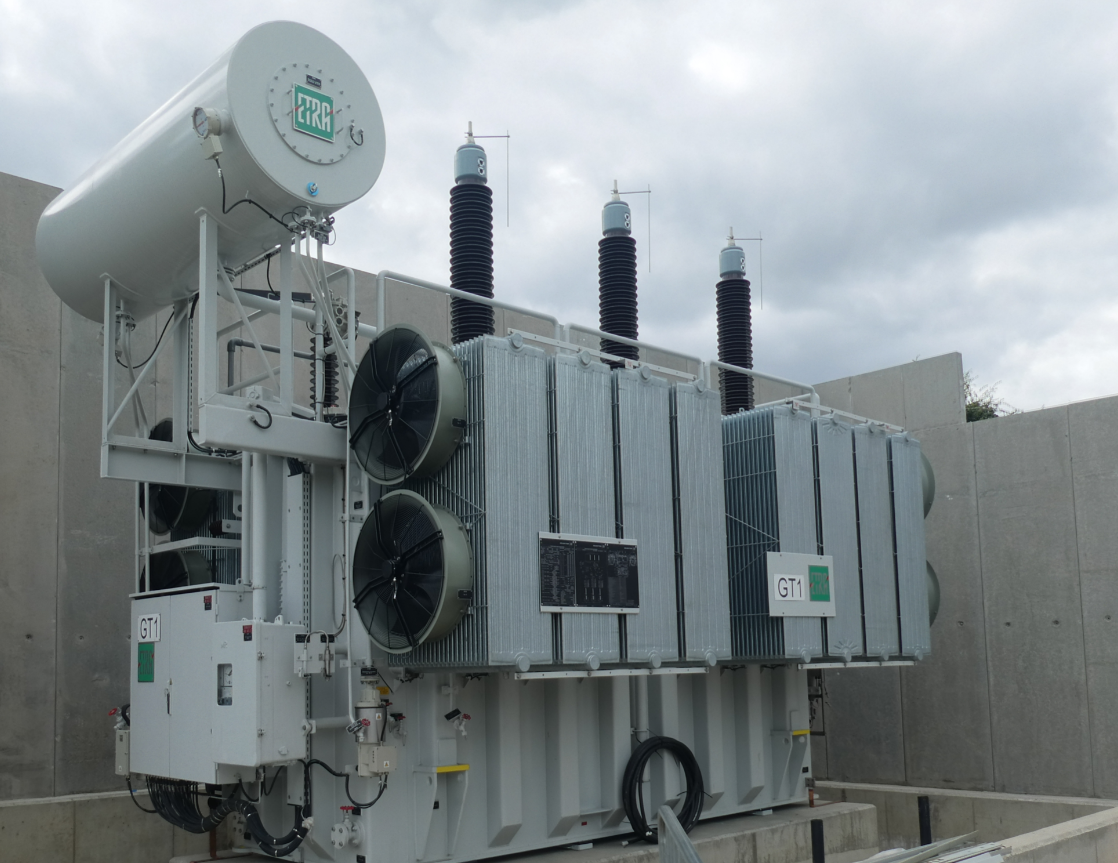
More than 60,000 local homes, communities and businesses across Hertfordshire are set to benefit from a £6million electricity network upgrade. UK Power Networks, who distributes electricity across the East of England, is upgrading a major substation, which will future-proof safe and reliable electricity supplies for people in Hoddesdon, Broxbourne, Hertford and Ware. Electrical engineers are already installing a new piece of electrical equipment, a state-of-the-art transformer due to be energised next month, which reduces voltage to deliver electricity safely to other local substations and on to homes. In total, four transformers will be removed and replaced with three near double capacity new ones. The second transformer will arrive in October, with a third to follow to complete the scheme next summer. Phil O’Blath, project manager at UK Power Networks, says: “This is a significant investment by UK Power Networks that will maintain reliable electricity supplies for a large section of the residents, businesses and communities we serve across the east of Hertfordshire. “The upgrade once the three new transformers are in place will be well-equipped to meet future growth in demand and keep the power flowing to the local community for years to come. “This upgrade will in time help local communities achieve their decarbonisation ambitions; so as more customers turn to low carbon technologies such as electric vehicles, they have a supply and infrastructure that’s fit for purpose. There are other environmental benefits, too, with the more modern equipment being more sustainable and energy efficient. “The new transformers will increase capacity in the Lea Valley region and should increase the resilience of the electricity network to reduce the potential and impact of power cuts in both Hoddesdon and its surrounding areas.” The new transformers are replacing equipment installed in the 1950s which was well maintained. Each new transformer receives electricity at 132,000-volts and lowers it to 33,000-volts. The Hoddesdon project forms part of the £600 million UK Power Networks is investing in the electricity network across the East of England, London and the South East this year. From schools to hospitals, water supplies to railway stations, the electricity network helps to keep a large part of the country running smoothly. More than eight million homes and businesses are connected to electricity via the company’s cables and substations in total.

Healthy buildings key to sustainable developments, finds report
Amid the current UK multi-residential development boom, the majority of contractors and consultants claim sustainability will be the most important design issue over the next ten years, according to an industry report. In contrast, the survey of 520 M&E contractors and architects – 25% of whom work in the residential market – showed 44% of respondents believe wellbeing is being “value engineered” out of a project later on in the build. This was despite 91% also identifying human health as a key concern when specifying pipe fittings. As the research suggests wellbeing is not prioritised throughout the entire building process, Designing Healthy Apartments – the report from leading polymer building solutions provider REHAU – explores the intrinsic link between health and sustainability when designing buildings, and solutions that are available to tackle this. Mounting pressure on construction professionals to deliver futureproof buildings, against a backdrop of changing legislation, has been further exacerbated by increased demand for inner-city living. In order to deliver multi-residential developments in line with expectations of occupants, the report demonstrates that health and comfort must be designed and built into the environment just as much as sustainability. With the multi-residential construction market under pressure to meet housing demand across the nation, Steve Richmond, Head of Marketing and Technical at REHAU Building Solutions UK, explains the importance of prioritising these aspects from the outset. “With our research highlighting sustainability as a priority for the market, a key aspect also being “value engineered” out of projects, we are releasing this report to identify solutions to meet this now, and into the future,” says Steve. “Designing Healthy Apartments explores the importance of considering materials that promote wellbeing, sustainability and high performance, highlighting the key role of polymer-based products in delivering building services fit for 21st century needs.” While sustainability and performance remain key to the built environment’s health and longevity, the importance of hygiene has also climbed the public agenda in light of COVID-19. The report explores building services’ role in achieving optimal hygiene for residents, as well as the impact of sealed buildings on air quality. Steve adds: “This report is making the link between these critical priorities, and seeks to demonstrate the need for their consideration during design, if legislation and end-user expectations are to be met. As a supplier, listening to the requirements of industry professionals is key to ensuring our solutions are fit-for-purpose and this report shows exactly how we intend to do this.”

BCIA new technical guide: Control Sensor Selection and Installation
The Building Controls Industry Association (BCIA) has released a new Technical Guide to add to its portfolio of online Guides available to download. The new Guide, entitled “Good Practice Guide – Control Sensor Selection and Installation”, sets out to describe good selection of Heating, Ventilation and Air Conditioning (HVAC) sensors used in Building Energy Management Systems (BEMS). A BEMS is only as good as the sensor used to measure the controlled variable (temperature, humidity, pressure etc.) and transmit it as a measured value to the controller. It is crucial that the sensor should provide an accurate measurement of the controlled variable at the reference point in the control loop. Failure to meet the desired conditions satisfactorily can lead to poor control, energy wastage and occupant complaints. Terry Sharp, President of the BCIA, says: “Good sensor selection and installation is key to better control. Often there are conflicts of interest in the location of sensors – architects want them out of sight, control engineers ask they be located central to the controlled space. This document will show best practice and help resolve such issues.” The BCIA’s Technical Guides are designed to help members and those in the building controls and BEMS industry work more effectively. All Technical Guides can be downloaded from the “Resources” section of the BCIA website.

Megaman launches MILENALITE
Megaman has launched MILENALITE, a new Integrated LED Downlight. A cost effective and easy replacement for traditional PL commercial downlights, its compact and slim profile also makes it an ideal option for ceilings with limited depth.   With a height of just 30mm, the exceptionally compact MILENALITE Integrated LED Downlights are the ideal choice for shallow ceilings with limited room for light fixtures. Suitable for use in a number of environments, including offices, hotels, retail and general-purpose applications, the new downlights fit seamlessly into the place of existing systems. With no external driver, MILENALITE Integrated LED Downlights facilitate both easy installation and maintenance. Available in three different colour temperatures (3000K, 4000K and 6500K) with 15W and 20W versions, the LED downlights produce anywhere from 1200 to 1950 lumens. All models possess a lamp life of 25,000 hours and provide wide, uniform light distribution. “MILENALITE is really easy to install into limited ceiling depth spaces, making it the ideal first choice when selecting a recessed downlight,” comments Micaela Abbott, National Sales Manager of Megaman UK. “A cost effective yet versatile option, it also makes an ideal retrofit solution for existing installations. With one of our most compact designs to date, a high performance LED and a two year warranty – it’s a real ‘go to’ solution for all commercial installations.”

WPD leads consortium on energy planning for local authorities
Western Power Distribution (WPD), the electricity distribution network operator (DNO) for the Midlands, South West and South Wales, has launched a project that works together with local authorities in south west England and other energy network companies to lower carbon/achieve net zero carbon emissions and protect the environment. Its Energy Planning Integrated with Councils (EPIC) project will explore whether a combined approach to energy planning can provide greater benefits for local authorities and utility companies. The £540,000 Network Innovation Allowance funded project, will see WPD, gas company Wales & West Utilities, local authorities in the South West, Power Systems Consultants (PSC), energy consultants Regen and EA Technology work together to develop a tool to allow the investment plans for energy networks and the local authorities to be jointly analysed to identify potential synergies. In the current process to create Distribution Future Energy Scenarios (DFES), utility companies consult local authorities who provide input into the process. However, DFES are based on national scenarios and do not wholly adopt or incorporate local authorities’ longer term strategic plans. This can lead to different expectations for future energy requirements between the local authority and utility companies. EPIC is seeking to develop a standardised process and tool that can be used with different local authorities to create a more accurate, local energy plan. The project will look to develop an agreed process for identifying and analysing energy plans in relation to increased uptake in electric vehicles, small scale renewable generation, the decarbonisation of heat, improvements to building energy efficiency and installation of heat networks. Commenting on the project, project lead Jenny Woodruff Low Carbon and Innovation Engineer at Western Power Distribution comments “EPIC, is exploring whether we can streamline and standardise the local energy plan process and whether it will result in benefits for local authorities and utility companies. The project will hopefully lead to the greater use of local authority data in utility company investment plans and allow networks to take a more strategic view for future investment plans. “Over the coming decades we are going to see growing demand on the energy networks as we experience a significant increase in the installation of low-carbon technologies and their use by customers. To match this demand, millions will need to be invested across energy networks as well as wider investments from local authorities and utility companies. Creating a coordinated process will help to deliver cost efficiencies as well as ensuring we have all the pieces of the puzzle in place when the demand comes.” Wales & West Utilities System Operation Manager, Bethan Winter, says: “If the UK is going to get to Net Zero in a way that is affordable and sustainable, we must adopt a whole system approach, making the best use of our safe and reliable gas and electricity networks. “Across the UK decarbonisation solutions will be different, so a local approach is essential if communities are going to be able to play their part in decarbonisation. We’re pleased to be part of the EPIC project, bringing together utilities and local authorities to create a combined approach to energy planning.” Three areas in the South West of England will trial the process and supported tool. Experts on regional local authorities are providing expertise to help ensure that the planning process developed during the project can be applied more generally across local authorities. Energy consultants Regen will lead on determining how the different planning processes can be aligned so that local authorities and utilities plans are based on a common view. Having agreed on a future energy scenario, the impact on utility networks will then be modelled to identify the location and timings of required network investments to support the predicted energy consumption. These investments will be assessed to optimise the potential benefits to all parties and will be further assessed on whether the combined plans will deliver additional benefits versus the separate processes currently used. PSC will be providing a new tool for automated high voltage network assessment while EA Technology will be adapting their Network Investment Forecasting Tool to analyse the low voltage networks in the trial areas. While strategic network planning, including stakeholder engagement, is routine for the networks operating at or over 33kV, it is hoped that modelling the high and low voltage networks will provide results that reflect changes at a local neighbourhood level that are easier for local authorities to relate to their own plans. The tool is expected to assess the long-term cost to the consumer and support regional strategic development goals, such as decarbonisation and supporting local jobs. The project is expected to last for 20 months