2 November 2026
Product of the Month: Amari Floodlight range by Aurora Lighting
 
26 November 2026
Thorn scores second Highland football lighting installation
 
26 November 2026
Segen pens exclusive distribution contract with M-Rack
 
25 November 2026
Scolmore helps rejuvenate Tamworth Cancer Support Centre
 
25 November 2026
Leicester apprentice crowned 2026 SkillELECTRIC champion
 

Latest News


Buyer demand for new homes plummets to lowest levels in six years, says FMB
Demand for new homes has reached its lowest level since 2014, according to small to medium-sized (SME) house builders. The new figures, published in the Federation of Master Builders (FMB) House Builders’ Survey 2020, track the experience of SME house builders in England. The survey found that the planning system was the biggest constraint on SMEs building more homes, with almost half (48%) of respondents citing this issue. Key findings of the House Builders’ Survey include: Buyer demand fell to its lowest levels in six years 48% of respondents said that ‘the planning system’ was restricting their ability to build new homes. Anecdotal evidence suggests builders are typically waiting one year for a decision on a non-controversial planning applications 46% said they had concerns over a ‘lack of available and viable land’ to build on In a worrying development, access to finance has emerged as a growing concern for SMEs, with 41% saying that this is an issue for their company. Recent improvements in lending conditions over the past two years have been reversed, and the issue of loan refusal has seen the biggest jump in respondents citing this as a cause for concern. When asked to look ahead over the next three years, 37% of SMEs are concerned about the impact of restricted mortgage availability and what this will mean for prospective house hunters. Against this background, the FMB’s House Builders’ Survey sets out three key priorities for SME house builders over the year ahead: Boost resources for local authority planning departments – to help builders bring forward new sites, and lay the foundations for the government’s ambitious reforms to the planning system currently under consultation Improve flexibility in the government’s Home Building Fund – the survey found no SME house builders currently use this dedicated funding pot for small site development. This will help unlock additional new homes and deliver on the government’s target of building 300,000 new homes a year Extend the Stamp Duty Land Tax Holiday when it ends in March 2021 – to help sustain increased levels of buyer demand over the longer-term. This will maintain activity levels in the sector and help with job retention Brian Berry, Chief Executive of the FMB, said: “SME house builders are facing the dual challenge of weakening demand, and increasing constraints on their output. Taken in the context of Brexit uncertainty and the ongoing economic impact of the coronavirus, these conditions are hampering recovery in the housing market.” Berry concluded: “The government needs to prioritise supporting recovery in the SME house building sector. SME builders operate in every community in England and support the government’s levelling-up agenda. They build high-quality, sustainable and beautiful homes in places where people want to live. Local builders also create local employment and training opportunities, as SMEs train almost three-quarters (71%) of the industry’s apprentices. The FMB is keen to work with the government and the industry to reverse the decline in the SME house building sector and create a more diversified and resilient industry.”

Seven in 10 businesses lack low carbon skilled workers
Seven in 10 engineering services businesses (70%) say they currently do not have enough competent employees to undertake ‘low to no carbon’ work, according to the findings of a new industry-wide ‘skills for climate’ consultation. Some 39% of businesses say they believe they can hire more competent employees to meet the current demand, while 19% do not believe such a step is possible. 11% do not know whether they have enough competent employees at present. In terms of particular technologies facing a shortfall of workers, solar PV, heat pumps, energy storage systems and smart buildings were cited by many businesses as being the most problematic. If demand was to increase ‘substantially’ over the next two years, just 10% of businesses say they would have enough competent employees. One in four respondents (25%) said they would ‘struggle’ to meet this increase in demand. ECA Director of Skills and Employment, Andrew Eldred, commented: “Our industry consultation highlights the growing scale of the skills challenge in the low carbon arena, which comes on top of broader skills shortages in many engineering and skilled trades. “Engineering services businesses, most of which are SMEs, are key to the delivery of low carbon technologies. There is an urgent need for government and industry to work more effectively together to build the skills-base that will be required.” Almost half of the respondents (48%) said that there was a lack of ‘sufficient industry training’ for those involved in low carbon work. Positively, many businesses said that they would be willing to consider hiring individuals who have previously worked in traditional energy sectors, such as oil and gas. Almost two-thirds (65%) say they would hire from the fossil fuels industry, and just 9% said no, while 26% were unsure. The REA Chief Executive, Dr Nina Skorupska CBE, said: “This important survey should send a clear signal to those, particularly young people, affected by lockdown that now is a great time to become an installer and help deliver on our country’s low-carbon ambitions. “Installation companies clearly see renewable energy and clean technologies as an area for future growth and government can kick-start this sector by ensuring solar and energy storage are firmly part of the Green Homes Grant scheme.” STA Chief Executive, Chris Hewett, added: “Electrical and heat contractors are clearly seeing growing demand for solar and energy storage technologies. To deliver our net-zero targets these companies will need support to develop their existing staff and recruit a new generation of skilled workers capable of scaling up the deployment of renewables. “We will be working with other industry bodies to ensure that skills are enhanced and hope that the government will allocate additional resources towards this goal.” The consultation asked a range of questions, including international examples, barriers to entry, and solutions. More findings will be released in due course. The consultation was run by ECA, in association with the REA, STA, BESA and The Electrotechnical Skills Partnership (TESP) during July and August this year.

Bureau Veritas Launches EV Charging Point Inspection Service
Electrical safety expert Bureau Veritas has unveiled a new testing and inspection service for electric vehicle (EV) charging points, as latest figures show almost 10,000 new connections have been installed across the UK in the past year alone. Recent statistics from Zap-Map show there are now 33,779 charging points for electrical vehicles in the UK, a figure which has risen by 8,841 – or a sizable 39% - in the last 12 months. This number is expected to soar in the coming years, with the UK government pledging earlier this year to invest a further £500m in the rollout of new rapid electric charging hubs to ensure drivers are never more than 30 miles from being able to charge their car. With this in mind, Bureau Veritas has launched an independent new inspection offering for EV charging points to help duty holders ensure all installations are compliant with the Electricity at Work Regulations 1989 and the BS7671- Requirements for Electrical Installations (IET Wiring Regulations). Michael Kenyon, Technical Lead at Bureau Veritas, explains, “The UK is in the midst of a real step-change in motoring as more and more of us make the switch to electric vehicles. Inevitably, this needs to be supported with a world-class charging infrastructure. “And although we’re seeing a record number of EV charging points springing up, not to be overlooked is the onus on duty holders to ensure they take a ‘quality first’ approach to installation, prioritising electrical safety for users and the general public through regular inspection and maintenance. “Recognising that this may be a new area for many businesses, we’ve launched our new testing and inspection service designed to provide an independent assessment of all new installations and identify any issues that may present an electrical safety risk. We’d urge all our new and existing customers to make use of this fantastic new offering.” Conducted by Bureau Veritas’ highly-skilled electrical engineers, the testing and inspection programme includes earth continuity and insulation resistance testing, polarity confirmation as well as checks on residual current devices and earth loop impedance. The firm recently helped a global technology leader with office locations worldwide to introduce an inspections and maintenance programme for the EV charging points at its sites. Michael adds, “Duty holders should take into consideration that EV charging points are a high use asset, often installed outside and therefore vulnerable to mechanical damage. Hence, periodic inspection and at least annual testing as part of the business’s Health and Safety Risk Management obligations are critical to maintaining the long-term integrity of this vital charging infrastructure.” Bureau Veritas offers a range of testing and certification services to support customers in managing compliance around electrical safety – from electric vehicle charging points and battery storage systems through to other Fixed Electrical Installations (FET) and Hazardous area Inspections (ATEX). For further information, visit https://www.bureauveritas.co.uk/electric-vehicle-charging-points-testing-inspection.

Financial Expert David Rennie Joins CICV Forum Webinar Panel
A leading financial expert has joined the panel of experts offering advice on project bank accounts (PBAs) at the first Construction Industry Coronavirus (CICV) Forum commercial webinar. David Rennie, Relationship Director at the Royal Bank of Scotland, will play a starring role in the opening Forum webinar on September 15, which aims to help construction industry professionals improve their contractual and commercial awareness. The experienced banking professional will sit alongside Professor Rudi Klein, CEO of the Specialist Engineering Contractors’ Group, to discuss the many features and benefits of PBAs, with particular focus on the supply chain. Len Bunton, Dispute Resolution Consultant and Forum Consultant, who will host the PBA webinar, says, “David is an extremely experienced operator who will bring a wealth of insight and information to our first webinar. We are delighted to welcome him as a guest presenter and know that delegates will benefit from the clear and practical advice that he and Professor Klein will deliver.” David has worked in finance, treasury, commercial and corporate banking during a 17-year career with Royal Bank of Scotland. Currently responsible for public sector and higher education in Scotland, his responsibilities include the Scottish Government banking framework, local authorities and universities. He comments, “I am extremely honoured to have been asked to take part in the first of these ground-breaking webinars from the CICV Forum. PBAs are becoming an increasing part of our industry and, alongside Professor Klein, I am looking forward to discussing their benefits and answering any questions from delegates.” Next Tuesday’s webinar is the first of six free sessions being hosted by the Forum and will see Professor Klein outline how the PBA process operates, discuss the latest Scottish Government Construction Policy Note and answer any questions submitted by delegates. Hosted by leading industry experts, and running fortnightly across from September to November, the online discussions are aimed at public and private sector employers, contract and commercial managers, architects, quantity surveyors and project managers. The PBA session will be followed by a second module on September 29 that will discuss changing the culture in the industry, problem contractual clauses, things to avoid, high-risk contract amendments, negotiating better terms and the ‘battle of the forms’. On October 13, online session number three will cover payment terms, getting paid on time, how to present payment applications, variations etc. The fourth webinar will be held on October 27 and will cover giving notices, extensions of time, loss and expense; while the fifth seminar on November 10 will cover suspension and contract termination of contractors and sub-contractors. The topics covered in the final session, held on November 24, will include conflict avoidance procedures, pitfalls and benefits of adjudication, the low-cost value adjudication process and expert determination. Each webinar will start at 11am and will run for between 60-75 minutes, with sessions recorded and hosted on the Forum’s YouTube channel. Other presenters will include Ian Honeyman, Commercial Director, Scottish Building Federation, Deborah Harrison, Legal Manager, The British Constructional Steelwork Association and Angus Pearson, Consultant and Director of Fortis Contracts. Len Bunton notes, “Sign-up to the webinars has already been extremely encouraging and it is clear there is an appetite for more commercial knowledge among the industry, particularly with the uncertainty caused by COVID-19. “We will be adding to our content and roster of expert speakers over the next few weeks and months, with the aim of producing the most comprehensive range of commercial training webinars ever delivered.” The new webinars follow four successful Forum online events in May and June, during which experts gave advice on health and safety, cashflow, contract issues and a range of employment matters. The Forum, which is made up of more than 60 trade associations, private companies and professional bodies, has also maintained a steady supply of information and practical advice to the sector as well as carrying out surveys and making appeals to Government Ministers. In the last few months it has issued seven health and safety advice documents, updated its operating guidance and reminded construction workers to observe physical distancing in their social lives too. - To register for the first PBA webinar, click here or e-mail info@cicvforum.co.uk.

Countries Commit To An EV Future On World EV Day
On World EV Day (September 9, 2020), drivers from more than 60 countries have made a firm commitment to transition to an electric vehicle. The online pledge campaign, which was launched by ABB and Green.TV as part of World EV Day, encourages drivers to recognise the crucial role that electric vehicles (EVs) can play in advancing sustainable mobility, making a commitment that the next car they drive will be electric. Results to date are already indicating which countries are in the driving seat when it comes to taking action. The UK is currently leading the way with 29% of sign ups. This is closely followed by India (13%) and USA (11%). ABB’s headline partnership with World EV Day amplifies the company’s existing title partnership of the ABB FIA Formula E Championship – the world’s first global all-electric motor racing series. ABB Formula E exists to drive progress in e-mobility by accelerating technical innovation in a competitive environment. Tarak Mehta, President of ABB Electrification, comments, “Today marks an important milestone in the history of e-mobility with the world’s first EV Day. As headline partner, ABB is delighted to see so many individuals from around the globe taking positive action by signing the pledge. “At ABB, we are committed to inspiring drivers towards a sustainable electric future. As such, we have launched an ABB fleet electrification pilot programme, starting in the UK and with other countries including the Netherlands set to follow.” World EV Day has attracted many partners and industry leaders in celebrating the progress made in e-mobility and accelerating efforts to build greater support for EVs. The online event has provided virtual seminars on the topics that matter, including the Green Recovery and the marketing of electric vehicles. Through social media and Worldevday.org, the event provides a useful hub for e-mobility resources and insight on driving an electric future. Ade Thomas, Founder, Green.TV, adds, “The rapid transition to electrified, sustainable mobility has never been more urgent. With World EV Day, we are hopeful that we have helped energise and highlight the need to decarbonise transport and encourage everyone to look to electric as a way to continue to build prosperity, enable access and deliver a sustainable way of life.” As a global leader in e-mobility, ABB is committed to driving innovation in the sector, supporting greater adoption of electric vehicles. ABB has unrivalled expertise in electrification, having sold more than 14,000 DC fast chargers across more than 80 countries. ABB recently received the Global E-mobility Leader 2019 award for its role in supporting the international adoption of sustainable transport solutions. There is still time to take the pledge. Simply visit worldevday.org/ev-pledge. The pledge campaign will be further amplified on World EV Day itself through the events global network of partners and supporters, with further updates on sign-ups to come.

EIC Launches Grand Raffle Ahead Of EIC Day
To celebrate EIC day - a fundraiser held by the Electrical Industries Charity taking place on September 10, 2020 - the charity has launched a Grand Raffle to give you a chance to win fantastic prizes while supporting those in our sector who need it the most. To help raise these funds, the EIC is offering you the chance to win three fabulous mystery prizes: A mystery prize up to the value of £500 A mystery prize up to the value of £250 A mystery prize up to the value of £100 Tickets cost £10 and all proceeds go directly back into our industry. To be in with a chance of winning, all you need to do is purchase a raffle ticket by clicking here. The EIC will announce the winner on October 12, 2020. You can also donate to the EIC Day's official fundraiser by clicking here. For more information on the EIC, visit electricalcharity.org.

CENTIEL UK Grows Sales Team
Leading UPS manufacturer, CENTIEL UK, has appointed Jay Rai as its newest Sales Engineer, as the company continues to expand its UK operations. Jay will now be responsible for key account management and hardware sales for London and the South, reporting to Louis McGarry, Sales and Marketing Director. Louis comments, “CENTIEL’s customer base for our true modular, UPS solution CumulusPower, plus our stand-alone UPS, PremiumTower, continues to grow. We are delighted to welcome Jay to the team as a field-based sales engineer. Jay already has a demonstrable history of working within the electrical and electronic manufacturing industry and he will now provide help with site surveys and customer contact as we generate and respond to new sales enquiries for CENTIEL’s industry leading UPS solutions.” Jay Rai adds, “CENTIEL has shown impressive growth in the past few years and the opportunity to contribute to the future success of the organisation was impossible to turn down. The excellent reputation of the company, plus its leading-edge technology known for its Swiss quality, nine-nines availability, and truly hot-swappable modules, backed by the company’s comprehensive maintenance contracts is a winning concept. I am excited to become part of the team and am looking forward to contributing to the expansion of CENTIEL in the UK in the future.” Jay Rai joins from critical digital infrastructure provider, Vertiv, where he spent a year as part of a graduate recruitment programme, and three years in the commercial and industrial UPS team. His UPS background combined with his experience of sales and marketing skills makes Jay an ideal fit for CENTIEL’s growing sales and marketing department. Jay also has a degree in mechanical engineering with automotive design from Brunel University. CENTIEL is a Swiss-based technology company which designs, manufactures and delivers industry-leading power protection solutions for critical facilities. Its three phase true modular UPS, CumulusPower known for its “9 nines” (99.9999999%) system availability and low total cost of ownership through its Maximum Efficiency Management (MEM) and low losses of energy, has now been installed in data centres and comms rooms in over 60 countries across five continents. More than 50 MW of critical power loads are now protected with CumulusPower in locations across the world including: the UK, Singapore, Australia, Germany, Spain, the Czech Republic and the Channel Islands. For further information, visit www.centiel.co.uk.

Industry Urged To Have Its Say On CLF Recovery Plan
The Scottish construction industry has been urged to have its say in the new draft recovery plan for the sector, launched last week by the Scottish Construction Leadership Forum (CLF). The plan, which has been created collaboratively with the industry, sets out the pathway for joint action in response to the impact of COVID-19 on the construction sector. The CLF is now appealing for feedback on its draft plan, with small and medium enterprises (SMEs) particularly encouraged to make their voices heard before submissions close on September 15. Peter Reekie, Chief Executive of the Scottish Futures Trust and Chair of the Editorial Group of the CLF, says, “This plan is designed to be a living, breathing document that grows and develops in response to industry input, so we would urge everyone to have their say in its evolution. The response so far has been extremely encouraging, but we would welcome more input to enable us to build a rounded picture of the sector and its requirements going forward.” He continues, “This is a unique opportunity for everyone involved in the Scottish construction sector to join the conversation and shape our future in a post-COVID world. “We are particularly keen to hear from SMEs and their experiences and expectations for the long road ahead. Therefore, I would urge all stakeholders with an interest in the construction and related industries in Scotland to feed in their thoughts to make the recovery plan even stronger.” Launched on August 28, the plan was created after extensive consultation with more than 50 organisations across business, Scottish Government, trades unions and other bodies, including the Construction Industry Coronavirus (CICV) Forum. Representing a shared sector view of how to get industry back on its feet, it outlines the immediate and short-term response to COVID-19, setting out a pathway to the longer-term transformation required to build a stronger, fairer and greener economic future for Scotland. Identifying five areas for concerted efforts, with associated sub-groups for each, the plan calls for key actions to respond to immediate needs, including: A clear pipeline of work brought to market quickly and efficiently on fair commercial terms which reflect the reality of the COVID-19 environment. Support of employment, fairness of work and those who may become unemployed through what will be a difficult period. Transformation of working practices to maintain and enhance worker safety whilst enabling productivity in the COVID-19 working environment. Like many other areas, the construction industry in Scotland has been hit hard by COVID-19 and is estimated to have contracted by 28.6% in June compared to the same month a year ago. The recovery plan is available to view on https://www.constructionforum.scot/. Industry is invited to send feedback, comments and questions via the website on enquiries@constructionforum.scot by September 15. CLF will take all feedback on board to help develop the plan further, with regular updates published on the CLF site.

ECA Calls On Industry To Hire New Apprentices
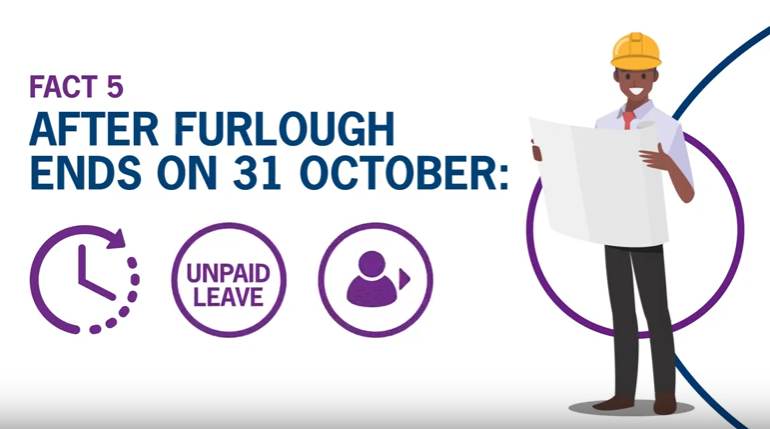
Leading trade association, ECA, is urging engineering services businesses to continue to recruit apprentices. ECA has created an explanatory video, which highlights the array of financial and business benefits to employers from apprentices. These include: • Employers can claim Government incentive payments of up to £3,000 per apprentice hired up until the end of January 2021 • Government training grants mean that in England, for example, non-apprentice levy payers need contribute only 5% of the costs of training an apprentice • Over four years, a business can receive a return on investment of up to £57,000 from each apprentice Furthermore, the video explains a range of ways in which employers can get apprentices back to work after time away on furlough. It also outlines how apprentices can travel to, and undertake, work safely, in line with current social distancing requirements. Andrew Eldred, ECA's Director of Employment, comments, “Apprentices are the bedrock of the electrotechnical and engineering services industry. Those employers able to retain and hire new apprentices can expect a healthy return on their investment, as well as longer-term benefits such as more sustainable business growth and stronger capability in new technologies. “ECA urges employers to watch our new video and consider the benefits of having apprentices in your organisation, as well how you can bring existing apprentices back safely from furlough. We welcome the consistent commitment of ECA Members such as T. Clarke, who recently confirmed recruitment of another tranche of apprentices, and hope other businesses will now follow suit.” The video can be viewed below: https://www.youtube.com/watch?v=e2g23eLiTlI&feature=youtu.be ECA also recently announced an extension of its existing loan labour scheme to allow employers to both loan out apprentices and hire them on a temporary secondment basis, without needing to use agencies. More information on the scheme can be found here. ECA has also produced guidance and flowcharts for businesses on how to keep apprentices employed and travelling and working safely during the current climate, which can be found here.

David Barlow MBE Celebrates Industry Landmarks
David Barlow, Chair of the Electrical Standards and Governance Group which oversees the Electrical Apprenticeships in England and provides routes for young people to further their electrical careers through the IET, celebrated his 70th birthday in August and 54 years in the electrical industry. His passion for the sector, and training the next generation of electricians, is still as strong as when he embarked on his own electrical apprenticeship in 1966. Born in Chester, David was educated at Chester Grammar School and the University of Liverpool and holds an MBA, MSc and MA. In 1966, he began his electrical apprenticeship at West Cheshire College on the Craft B course. Having achieved his electrician certificate, he moved to the technician courses T3, T4, T5 and completed his Full Technological Certificate in 1973 with distinction. During 1972 and 1973 he taught IEE regulations and electrical principles at evening class. He later taught the same subjects at South Kent College of Technology. David returned to the family business in 1980 which he and his brother John have built from five staff to 500 staff in 2020. After working on measures to improve training in the North-West, in 2010 David was invited to join Summit Skills, the Government standards setting organisation for the Building Services Industry that works to develop and maintain standards, qualifications and apprenticeships for the whole of the UK. David continues to promote the advantages of apprentice and graduate opportunities in the North-West and continues to judge the Cheshire and Warrington Apprentice of the Year for the High Sheriff Awards. He also presents the award for Apprentice Company of the Year at the Cheshire Business Awards. David says, “If you’re taking on 16-year-olds, they’re going to need more support. You must really care about the young people you bring in, and be interested in them. Get to know them personally, build a bond and retain that bond all the way through.” David has won over 20 major accolades, including National Awards, and he has been received at Buckingham Palace and 10 Downing Street, championing skills opportunities for young people. He is a three times winner of the National Apprenticeship Awards and has received the High Sheriff of Cheshire Award for Outstanding Contribution to the Economy of Cheshire and the Business Community, presented to him by the Lord-Lieutenant of Cheshire in 2017. He also won the Cheshire Business Person of the Year in 2015 to compliment his Cheshire Business Leaders Award in 2013. In 2015, he was also awarded an Honorary Degree at the University of Chester for his commitment to training and skills across Cheshire and Warrington. David has been awarded an MBE for his contribution to Apprenticeships and his efforts to encourage other businesses to give young people a chance. David is the founder of Clifford College which has nearly 150 apprentices to be trained in electrical engineering and health and safety across several employers. The college is one of the largest in the country for these subjects, which are carried out in six skill centres. He is a supporter of the British Empire Chapel Fund, a friend of Chester Cathedral, a member of Chester Archaeological Society, Whitchurch 41 Club and Cheshire Business Leaders. He is a lifetime member of Kent County Cricket Club, a Shareholder in Everton Football Club and a Trustee of Malpas Jubilee Hall. He is currently assisting Barlows (UK) at their new branch in High Wycombe. Professor Phil Harris, University of Chester, notes, “David has made an outstanding contribution to building and developing skilled technical apprentices for the electrical services industry, which has enabled substantial numbers of young people to build successful careers in the evermore complex and socially essential area.”