2 November 2026
Product of the Month: Amari Floodlight range by Aurora Lighting
 
20 November 2026
Ovia: Delivering performance and flexibility across every sector
 
20 November 2026
Exclusive: how to prepare a building for future technology
 
20 November 2026
Smart Energy Training adds electrical apprentices to portfolio
 
19 November 2026
UK Power Networks awards £4m energy flexibility contracts
 

Latest News


Hanwha Vision launches Wisenet Access Control System
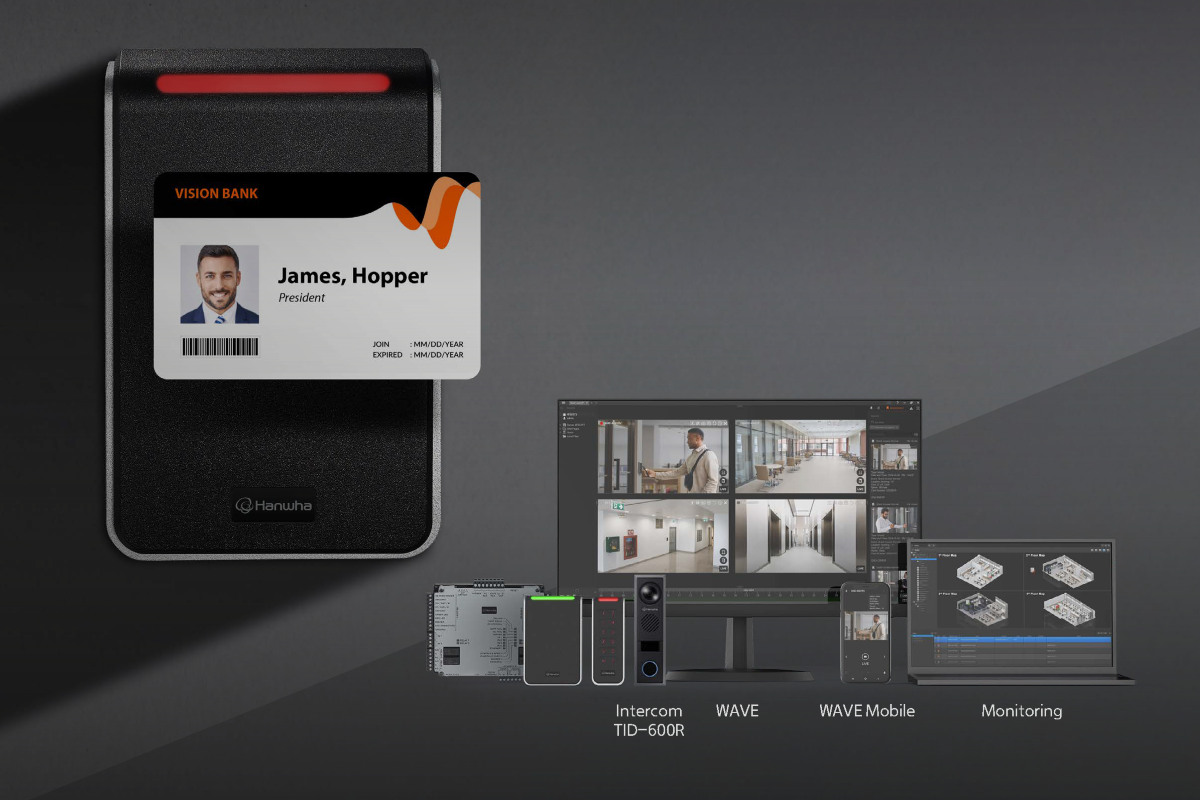
Hanwha Vision, a global vision expert, has unveiled its Wisenet Access Control System - a product designed to meet the diverse access management needs of small-to-large enterprises and buildings, while seamlessly integrating video surveillance monitoring, for a complete security system. The system comprises intelligent door controllers, readers, alongside a powerful software suite, to bolster business operations. Unifying access and video surveillance The Wisenet Access Control System integrates with Hanwha Vision’s Wisenet Wave and SSM video management systems, delivering a unified solution for real-time access control and video monitoring. • Real-time monitoring and control: Operators can effectively manage access points remotely via the WAVE interface or the mobile app, while simultaneously viewing live video feeds to improve situational awareness. An intuitive interface in Wave offers remote relay output control, door access and the ability to clear door forced alarms each with a single click of an icon. • Event overlays for instant verification: When an individual accesses a site, WAVE overlays crucial information - such as a person’s access time and location - onto the video feed. • Bookmarking for critical events: The bookmark feature allows operators to save significant events; for example, a forced door or unauthorised access, for further investigation. Access control for enhanced security The solution offers a robust set of features that provide building managers and companies with peace of mind that their sites are secure. • Comprehensive door management: During emergency situations or security incidents, operators can remotely lock, unlock, and reset forced door alarms to keep staff and visitors safe. • Flexibility and convenience: Operators can control third-party conventional products, including electric gates, sprinklers, lighting, for further convenience and flexibility. • Interlocking door management: Designed for high-security environments, such as banks and control rooms, the Wisenet Access Control System can manage two connected doors, ensuring that when one door is open, the other remains locked. • Anti-pass back security: The system prevents unauthorised access by ensuring users cannot share access cards to gain entry through the same point. • Lift access control: The solution supports access control for up to 128 floors, making it ideal for large buildings in which managing entry points is crucial for security. Improving situational awareness through reporting The Wisenet Access Control System optimises operational efficiency and improves situational awareness through instantaneous updates to the user interface of access activity, as well as powerful reporting features. • Mustering reports for safety: During fire or evacuation events, users can utilise mustering reports to determine if there are still people remaining in the building. • Real-time event notifications: Operators receive email alerts for alarms or critical access control events, improving response times and overall situational awareness. • Dual-person access: The solution allows for dual-person authentication, where entry is only granted when more than one authorised person is present with valid credentials. This is ideal for securing environments that require dual verification for access. The Wisenet Access Control System offers a tiered licensing structure designed to scale with business growth. The lite version includes six doors, while the standard licence supports up to 32 doors. For larger facilities, the professional licence manages up to 256 doors, and the enterprise licence offers unlimited door control, ensuring flexibility and scalability for businesses of all sizes. The solution supports Open Supervised Device Protocol (OSDP) for readers, biometric solutions and mobile access, to offer modern, secure access methods tailored to businesses’ specific needs. Furthermore, it is easy to configure and set up, allowing managers to quickly implement the solution. The Wisenet Access Control System from Hanwha Vision offers a unified system for access control and video surveillance. With an easy-to-configure setup and scalable licensing options, the system is designed to meet the needs of businesses of all sizes, to enhance security, boost operational efficiency and improve situational awareness. For more from Hanwha Vision, click here.

MCS certifies new wind turbine product
MCS (Microgeneration Certification Scheme), the UK’s quality mark for renewable energy technologies, has welcomed its first certified small wind product in more than four years. Ryse Energy’s G-11 wind turbine, certified through product certification body, the British Board of Agrément (BBA), has become the only MCS certified wind product currently on the Scheme. With applications in agriculture, as well as commercial and community energy projects worldwide, the G-11 includes features such as a low noise output, remote data-logging and control features, and robust safety measures. Achieving MCS product certification can help to assure suppliers, installers, regulators and consumers that a product and its manufacturing process meet rigorous standards for safety and performance, in line with UK regulations. Richard Caldow, Managing Director/CEO Europe and Americas at Ryse Energy, says, “Obtaining MCS product certification for the G-11 wind turbine further emphasises not only our commitment to MCS standards and quality, but also highlights the track record of the product in the marketplace. This certification will allow our customers to access the Smart Export Guarantee Scheme, therefore providing confidence and a guaranteed, government-backed income from their wind turbine investment. “Interestingly, more than half of our new enquiries are from customers looking to combine wind with their solar PV system to provide year-round energy security. Both technologies complement each other – with solar typically excelling in summer, and wind energy covering the darker, winter months. It highlights wind’s important role in the decarbonisation of the UK by harnessing the infinite free resource, and it is this combination of multiple renewable energy sources that we believe is the future of microgeneration.” Katy Roberts, Sales & Marketing Director at the BBA, adds, “The BBA is proud to provide MCS certification for a range of renewable technologies. As with all BBA product certification, the Ryse Energy wind turbine and its manufacturing process underwent a rigorous assessment to demonstrate that it meets the appropriate standards of performance required by current regulations. Congratulations to Ryse Energy on their achievement.” According to data from the MCS Data Dashboard, there have been over 5,000 certified small wind installations across the UK since records began in 2008, with 11 installers certified to install the technology. Alex Hughes, Head of Scheme at MCS, comments, “The certification of the G-11 will help to boost confidence in small wind and increase installation numbers across the UK. “We’re pleased to have a certified wind product on our Scheme and look forward to seeing the role it plays in strengthening confidence in small wind as a reliable renewable technology. It’s been a challenging few years for small wind, so we hope that this certified product can lead to a new wave of growth in the UK. “While small wind uptake remains relatively low, the MCS technical Working Groups are proactively updating our Standards to support future growth in the sector. Recently, we published updates to The Wind Product Standard (MCS 006), The Wind Installation Standard (MIS 3003), and The System Performance Estimate Standard (MCS 033).” For more from MCS, click here.

Zumtobel introduces explosion-proof high-bay luminaire
In industrial environments where explosive gases or dust pose a risk (ATEX Zone 2/21), lighting must meet high safety requirements in two ways. Firstly, luminaires must be robust and certified for use in the Ex Zone. Secondly, they must ensure good visibility with high-quality light, thus enabling safe navigation. Zumtobel is able to fulfil these requirements courtesy of EXDURA, its new high-bay luminaire. EXDURA was specially developed for extra-large industrial halls with high ceilings, where safety and uniform light distribution play a key role. The high-bay luminaire is optimised for heights of up to 15 metres and, with a high luminous efficacy of up to 41,500 lumens at up to 179 lumens/watt, also illuminates large areas uniformly and efficiently with a colour rendering index of CRI+80. The ATEX luminaire, therefore, reliably provides natural-looking light in warehouses, production facilities and energy plants. With its high-quality aluminium housing, tempered safety glass cover and excellent heat dissipation, EXDURA is designed for robustness and durability. The high-bay luminaire’s extreme resilience is reflected in its IK10 impact resistance rating and IP66 protection rating, which ensures high resistance to dust ingress and even powerful water jets. Extreme ambient temperatures from -40°C to 70°C are no problem, Zumtobel states, and even after 100,000 operating hours, the high-bay luminaire can still deliver 80% of its light output. With its higher protection level, EXDURA complements the EXTONA damp-proof luminaire, which is also explosion-proof. As an all-rounder for harsh environments with up to four luminaire modules, different light distributions, and lumen packages, EXDURA can be tailored to the specific needs of the industrial operation. The optional bracket for mounting on the ceiling or on a wall provides additional flexibility. This extra feature allows EXDURA to be swivelled by up to 180 degrees in 30-degree increments. On request, a dimmable electronic ballast is available as part of the standard equipment so that EXDURA can be controlled via DALI. For more from Zumtobel, click here.

Save the date: ECN Awards 2025
The ECN Awards 2025 will take place on 27 November 2025 at the Heart of England Conference and Events Centre in Coventry, following glowing feedback from previous attendees.   Widely regarded as the electrical industry’s event of the year, the awards provide a unique opportunity to reconnect with colleagues, forge new connections, and celebrate the sector’s top achievements in a spectacular setting. The electrical contracting industry continues to lead in innovation, striving for improvements in safety, efficiency, and sustainability across all sectors. The ECN Awards 2025 honour these remarkable efforts and accomplishments, showcasing the very best the industry has to offer. Located in the heart of the country, the Heart of England venue is easily accessible via the M1, M40, and M6 motorways, as well as by rail. On-site accommodation is available, with additional options nearby - early booking is recommended. Attendees can look forward to an unforgettable evening filled with excellent food, drinks, entertainment, and a lively after-party. "The ECN Awards are a fantastic celebration of the innovation, excellence, and hard work within our industry. Events like this bring the community together to recognise achievements that inspire us all to raise the bar. Congratulations to the organisers for hosting such a memorable and well-executed evening - it’s a highlight of the calendar." Elliott Rothon, Marketing Manager, WISKA UK Details on how to enter will be shared soon. For any inquiries, please contact Carly or Kelly. Mark your calendars and get ready to celebrate the brightest stars of the electrical industry! Check out the photos from last year's event here.

UK installs first smart substation for next-gen power technology
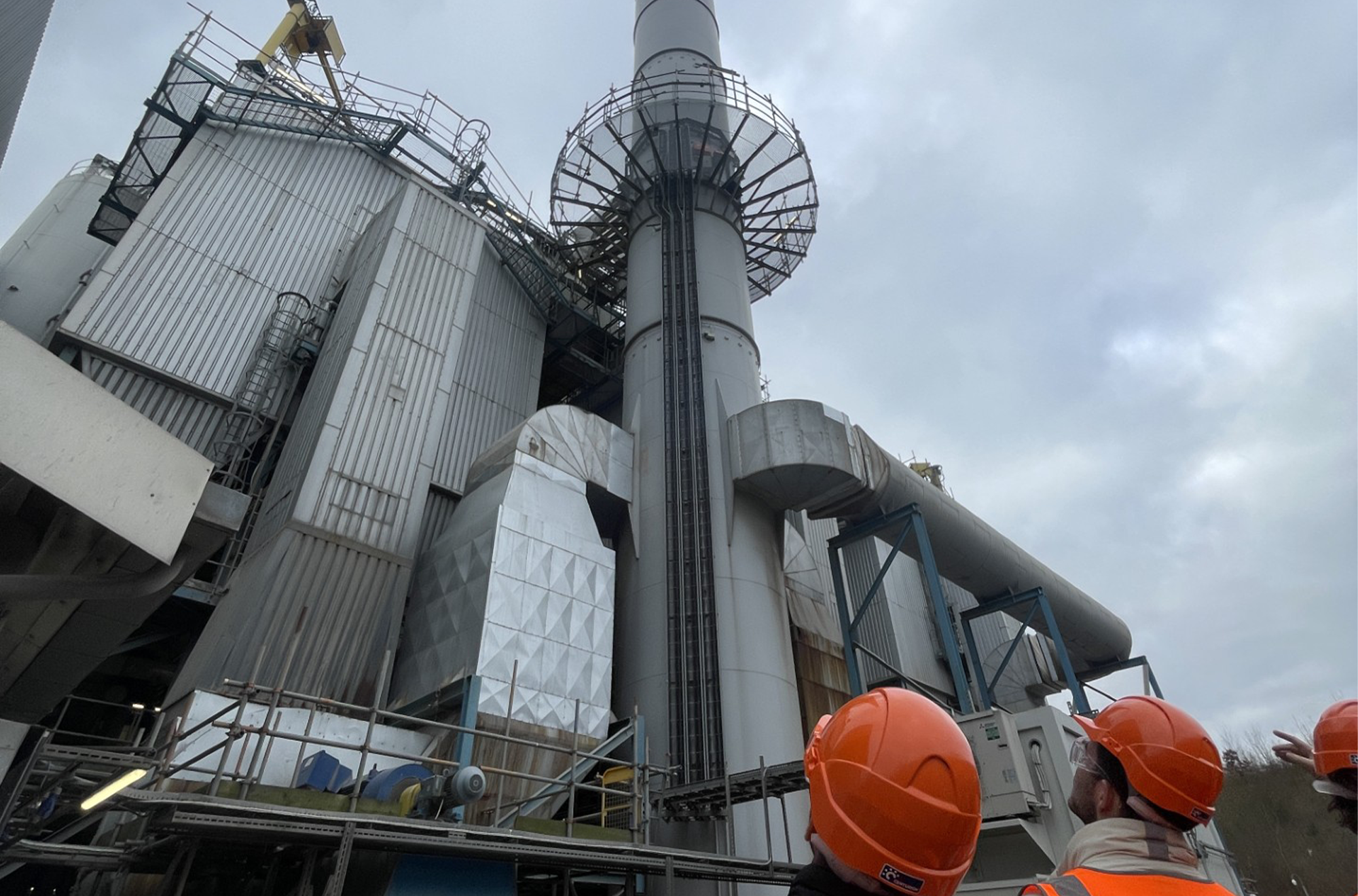
The UK’s first smart electricity substation has been installed in Kent, enabling communication with other sites to direct power where it’s needed most during peak times. UK Power Networks’ Maidstone substation is the first in a series to be equipped to communicate, in an advanced way, to other sites which could allow more distributed generators to connect to the network across the South East of England. UK Power Networks’ innovative Constellation trial is installing powerful computers in existing substations to better analyse power flows, and redirect energy to optimise infrastructure and cater for future needs.  The next-generation digital substations will use AI and machine learning to allow more energy to be safely released onto the network, and help accelerate the UK’s transition to net zero carbon emissions. If the trial is successful, in future, strategically positioned smart substations could allow network operators to dynamically shift the settings, freeing up to 50% of additional capacity when it is safe to do so. Allington Energy from Waste has become the first distributed generator to connect to the new system, with a dedicated smart substation installed at its Maidstone site. A further five smart substations are set to be installed throughout the South East of England as part of the ongoing trial. While these digital solutions are already live on the Constellation platform, UK Power Networks will continue to develop and trial new solutions, unlocking a range of solutions that could easily be introduced onto the platform in future. Luca Grella, Head of Innovation at UK Power Networks says, “This is a groundbreaking innovation for our network, and the first of a series of smart substations which could make a real difference for our customers and the environment. “Enhancing the service provided to our energy-generating customers, and making our network more resilient in the process, will go a long way to preparing our network for a decarbonised future, and will allow more renewable energy resources to connect.” Juergen Schaper, Operations Director (Energy Division) at FCC Environment which owns and operates Allington Energy From Waste says, “As one of the UK’s leading waste and resource businesses, we focus our efforts on generating heat and power from waste that cannot be recycled. Supplying that power to an ever more resilient network via this new smart substation is a positive step forward as we too prepare to support the decarbonisation efforts of the UK.”

Unlocking the potential of Human Centric Lighting
Paul Jones, Sales Director UK & Ireland at B.E.G. UK, looks at the benefits of implementing Human Centric Lighting and what can we expect from this technology over the coming year. The benefits of implementing Human Centric Lighting (HCL) are wide and varied, depending on how and why they are used in buildings. HCL has been proven to help synchronise the body’s internal clock with natural daylight, leading to better sleep quality and overall well-being. Adjusting light intensity and colour temperature throughout the day in offices or classrooms, for example, supports healthier sleep patterns. Light has a significant impact on mood, so HCL is also good for mood regulation. Exposure to bright, blue-enriched light during the day has been shown to reduce feelings of fatigue, increase focus and enhance productivity. Conversely, dimming lights with a warm hue at night can promote a sense of relaxation and help people wind down before sleep. By providing light that mimics daylight, especially in workplaces, schools and healthcare settings, HCL has been shown to boost concentration, reduce errors and improve performance, particularly in environments where people need to stay alert or work long hours. In educational settings, HCL can help students focus better and improve memory retention by aligning light with their natural biological rhythms. Similar benefits are seen in office environments, where proper lighting enhances focus and decision-making. There are also health benefits associated with HCL. Traditional artificial lighting can lead to eye strain, headaches and discomfort, particularly in high-stress environments. HCL’s dynamic light can reduce the negative effects of glare and constant exposure to harsh lighting. In workplaces or even home environments, the right lighting can promote relaxation, reduce stress, and alleviate symptoms of Seasonal Affective Disorder (SAD), which is linked to reduced exposure to natural light in winter months. Many HCL systems are integrated with smart controls that adjust the lighting automatically based on time of day or occupancy. This can lead to energy savings by reducing unnecessary lighting and adjusting brightness and temperature based on need. Energy-efficient lighting solutions like LEDs, which are often used in HCL systems, consume less power, which in turn also reduces the environmental footprint. The technology behind HCL has been evolving rapidly, and there will be continued advancements in the coming years. The next iteration of HCL systems will likely feature more advanced integration with smart home ecosystems, enabling users to customise lighting settings through voice assistants, smartphones or automated schedules. These systems will not only adapt to the time of day but could also factor in user preferences, activities or health data. As AI and machine learning evolve, HCL systems will become more adaptive and personalised. These systems may learn user behaviour, adapting light colour and intensity not just according to time, but also based on factors like productivity levels, room occupancy and even health metrics like sleep patterns and stress levels. HCL could integrate with wearable devices (like fitness trackers) to assess how users are feeling and adjust lighting accordingly for optimal performance or relaxation. Healthcare is another key area where HCL will make significant strides. For example, in hospitals HCL could improve patient recovery rates by providing optimal lighting for rest and healing. In care homes, it can help elderly individuals with cognitive disorders, such as Alzheimer’s, by supporting better sleep and orientation. More businesses will adopt HCL in offices, especially with the growing recognition of the impact of the workplace environment on employee well-being. Expect to see more corporate spaces incorporating dynamic lighting that adapts throughout the day to improve mood, reduce stress and enhance cognitive function. HCL may begin to incorporate more biometric feedback, potentially using sensors to monitor individual responses to lighting, such as changes in heart rate, skin temperature or even facial expressions. Over time, this data will be used to refine lighting systems, making them even more responsive to an individual’s needs. As environmental consciousness grows, expect more HCL systems to use sustainable materials and more energy-efficient technologies. We might see solar-powered lighting options, biodegradable components and lighting systems that adapt to both energy needs and the environment. This article was published in the January 2025 issue of Electrical Contracting News.

ENAPI secures funding for EV charging project
ENAPI, a connectivity platform striving to redefine the electric vehicle (EV) charging industry, has raised €7.5 million (£6.3m) in a seed funding round. This latest investment builds on a €2.5 million (£2.1m) pre-seed round in early 2024, bringing total funding to €10 million (£8.5m) and fuelling ENAPI’s mission to unify and commoditise connectivity in the EV charging ecosystem. The round was led by VC firm Voyager Ventures, with participation from existing investors Project A, Seedcamp, and Helloworld VC. With more than 350,000 charge points onboarded and partnerships with eight of Europe’s 10 largest eMobility Service Providers (eMSPs) in less than six months, ENAPI’s platform is growing rapidly. ENAPI allows charge point operators (CPOs) / Charge Point Management Systems (CPMS) and eMSPs to clear transaction and exchange data about sessions. The company states that, currently, this infrastructure is incredibly complicated and inefficient and can’t be scaled. ENAPI’s platform is thus designed to make it easy for CPOs and eMSPs to seamlessly and affordably communicate transaction data with each other. This in turn leads to an enhanced experience for drivers, who will no longer have to deal with poor information surrounding charger reliability. The lack of information has created a complicated and frustrating experience, and has been one of the big barriers to the electrification of mobility so far (according to McKinsey, 70% of EV drivers are dissatisfied with public EV charging infrastructure). Benefits to CPOs include allowing them to retain full control and flexibility, as well as zero transaction costs and improved data quality. With most of its pre-seed funding still in the bank, this fundraiser shows the market’s confidence in ENAPI’s ability to meet increasing demand, capitalise on its strong early momentum and become a trusted partner for the EV charging industry. Jakob Kleihues, CEO and Co-Founder of ENAPI, says, “Our mission is to make EV charging transactions seamless, efficient, and accessible. We want to make EV charging easier for everyone. Our platform makes payments and data transfer more efficient for every EV charging business so they can focus on advancing the EV revolution." The funds will be used to scale ENAPI’s secure and reliable transaction infrastructure, expand its presence in Europe and the US, and add to its top-tier technical team. Sierra Peterson, Founding Partner at Voyager Ventures, adds, “ENAPI’s infrastructure is revolutionising how the EV charging industry collaborates, addressing fragmentation head-on. Its technology is foundational to unlocking a seamless, scalable, and cost-effective charging network, and we are thrilled to partner with ENAPI as they expand globally.” To bolster its rapid growth, ENAPI has appointed Sierra Peterson to its Board, alongside Philipp Werner, Partner at Project A. ENAPI is also expanding its founding team, with Leopold Lerach, from Project A, joining as Chief Operating Officer (COO). An early supporter and investor, Leo brings extensive experience in scaling data infrastructure solutions. ENAPI continues to recruit top technical talent to build on its competitive edge. Philipp Werner, Partner at Project A, notes, “Over the last 12 months, ENAPI has driven a fundamental shift in EV charging software infrastructure. We’re impressed by the team’s ability to turn disruptive innovation into widespread adoption of their transaction broker. ENAPI is building the clearing house for EV charging, and we’re proud to support them since day one.”

Interview: Navigating the male-dominated renewables industry
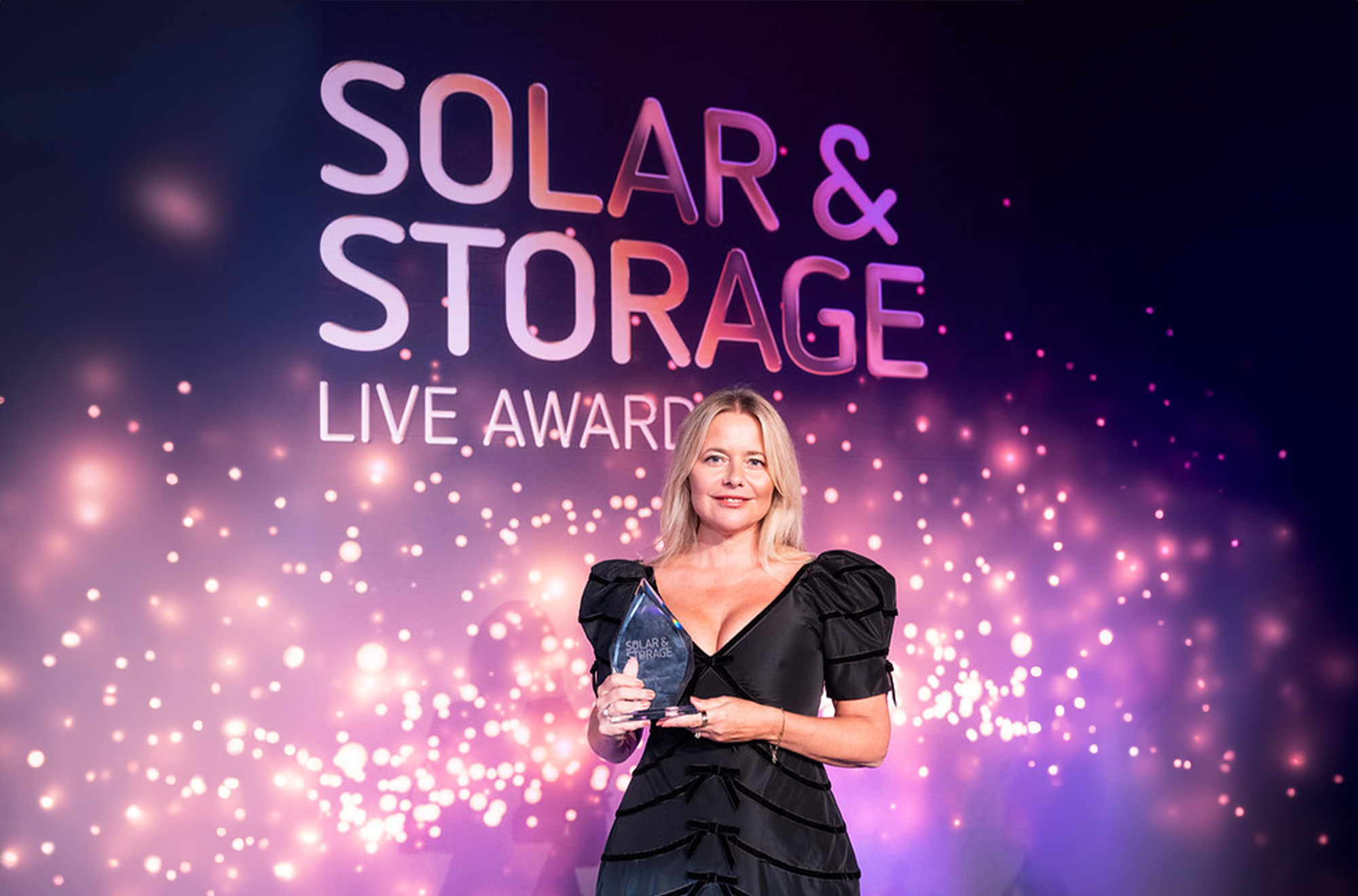
Carly Weller speaks to Liz Cammack, VP Sales and Advisor to the Global Board at Segen, about life at Segen, working the male-dominated renewables industry and winning the Women in Energy Award. CW: Hi Liz, please tell us about yourself and how you got into the sector. LC: I was one of the first girls at an all-boys grammar school, as it turned mixed. I’ve always worked in traditionally male-dominated industries including journalism, 15 years in pharmaceutical sales, and then renewables since 2010. I was co-founder of wholesale distributor Zenex Solar, headquartered in Brighouse, and am now Global Board Advisor and VP Sales for Segen. CW: For those who may not know, can you give us an overview of the work that Segen does? LC: Segen is the largest wholesale distributor of solar PV, energy storage and EV charging in the UK. We also recently introduced heat pumps into our portfolio. We supply installers and renewable energy professionals. We are well known for our online portal which gives live pricing and availability, and for our product technical knowledge and relationships with the biggest and most important manufacturer brands in the market. We also operate across Europe, South Africa and have a sister company, Soligent, in the US. CW: Tell us about your current role – what are you responsible for and what does the normal working day consist of? LC: I am responsible for driving the UK sales strategy, which I have made very bespoke according to the different segments of the market so that we provide the best possible customer experience. Our sales team are well known in the industry, and we have built customer relationships over the years. I am also involved at Global Board level, sharing market insights, which let’s face it, are quite unique to the solar industry and often require a very different and agile way of working. CW: What are the best parts of your role? LC: There are so many aspects of my role that I love! The team have got to be my first. We now employ in the region of 180 people in the UK. Many have been in Segen for most of its 20 years of trading, and some joined with me from Zenex. I’ve loved seeing them grow through the ranks and into some very senior positions. I also find time with customers and our manufacturer partners really rewarding. And when you combine all of that, I guess the absolute best part of my job is making a difference to our energy landscape and creating a legacy that will make my family proud of me long into the future. CW: You are also a Non-Executive Director of Solar Energy UK and a member of the Solar TaskForce, Chairing the Supply Chain and Innovation Sub-Group – what does that involve? LC: I’m now in my second term as NED for our industry association SEUK. Being from a wholesale distributor puts me in a pretty unique position to be able to represent the views and best interests of installers and the rooftop segment at one end, as well as the manufacturers at the other side of the supply chain. The Solar TaskForce was established in 2023 as a combined government and industry initiative, with the aim of devising a roadmap to our UK solar ambitions. It has been a monumental task to bring this to a conclusion, with the help of some highly experienced UK innovators, to whom I am very grateful. I’m looking forward to the launch which will be in the first part of 2025. CW: Congratulations on winning the Women in Energy Award this year! You must be very proud? LC: I was totally humbled by the experience and really privileged to be recognised not only for my contribution to the industry but also for my help in supporting diversity. I think my background as one of only a few girls in a school of 400 boys has meant that I’ve never thought it unusual to be in a male-dominated industry, nor ever felt like a minority. I was one of the pioneer girls back then, as I have been in the solar industry. At times the team around me have been over 60% female, for no other reason than they were the right people for the job. CW: Do you have any career advice for people starting out in the industry? LC: Gain as much experience as you can in all areas of the industry. The more time spent shadowing various roles, in multiple departments or with different ends of the supply chain, in every sector, will make you a more rounded professional. You’ll gain knowledge of the challenges and needs and intricacies of each area. It will help you and your organisation to be agile, which is essential in this fast-paced, exhilarating industry. CW: What do you think should be made a priority for the electrical sector? LC: We need to remove barriers in all corners of the industry. Network and planning anomalies must be removed and those authorities causing delays need to be held accountable. The skills gap needs to be taken seriously. And Government simply needs to fully recognise the industry for the enormous opportunity it presents, not only in terms of economic growth but also in terms of being instrumental in providing an affordable, secure and reliable energy horizon. CW: Where do you see the industry in five years? LC: It is inevitable that given the changing way we use energy, and with subsidies for solar a dim-and-distant memory, we will be in a much more stable environment where there is investor confidence and a thriving industry based on home-grown innovation and opportunity. CW: What are your interests away from work? LC: I live in rural Yorkshire with my husband Jon, our black Lab Teddy, and any number of my three sons and Jon’s two sons. I feel like I’ve spent three-quarters of my life on the touchline as all my boys play rugby. I love cooking, a bit of running, yoga and the occasional juice fast. I’d love to write a book and might base it on some of my experiences in the industry. I think people would probably recognise themselves, but of course all names would be changed to protect the innocent! This interview was published in the January 2025 issue of Electrical Contracting News.

BEAMA launches decarbonisation policy roadmap
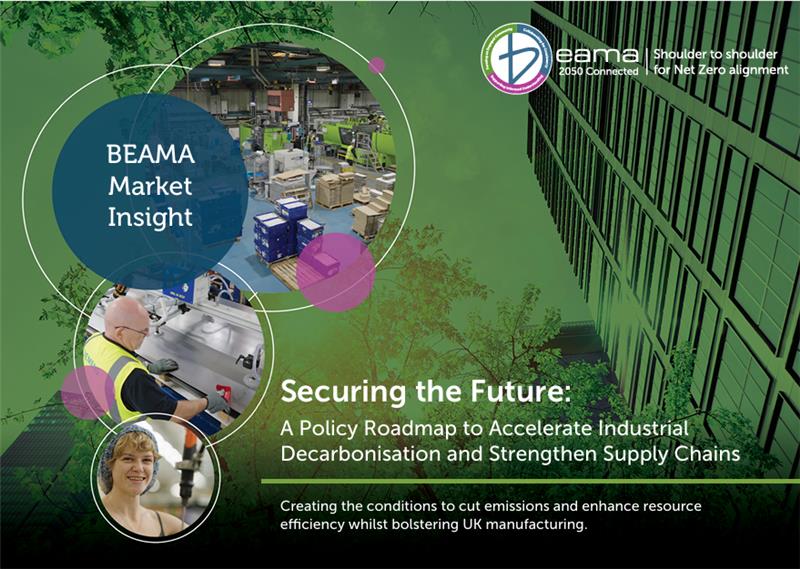
BEAMA, the UK trade association for manufacturers and providers of energy infrastructure technologies, has released a new report titled Securing the Future: A Policy Roadmap to Accelerate Industrial Decarbonisation and Strengthen Supply Chains. The comprehensive roadmap outlines critical steps to support the UK’s transition to a decarbonised supply chain while enhancing the competitiveness of its manufacturing sector. With increasing urgency to meet legally binding 2030 emissions targets, BEAMA highlights the need for a robust industrial strategy featuring clear regulatory frameworks, international alignment, and government-industry collaboration. Yselkla Farmer, CEO of BEAMA, comments, “Our markets are at a pivotal moment. Government leadership and effective collaboration with industry are essential to secure a sustainable, competitive future for UK manufacturing. We are pinned as one of the largest growth sectors for the UK as we decarbonise our energy system – but we need to do this sustainably. This roadmap offers the framework needed to navigate the challenges of decarbonisation and seize the opportunities it presents.” Key recommendations include: • Establishing government guardianship to standardise sustainability metrics and ensure market fairness. • Developing a comprehensive Industrial Decarbonisation Roadmap to guide sectors through their transition. • Balancing immediate emissions reductions with long-term industrial growth strategies. • Supporting SMEs through phased regulation and tailored guidance. • Encouraging international alignment to reduce trade barriers and inefficiencies. The roadmap underscores BEAMA’s readiness to partner with the Government to ensure an effective and equitable transition to net zero. The report also highlights BEAMA’s commitment to fostering supply chain innovation and resource efficiency through its BEAMA 2050 Connected not-for-profit subscription, designed to support the energy and built environment sectors in achieving sustainable growth in an aligned and consistent way. “Much of the technology needed for decarbonisation is already available,” notes Carl Ennis, CEO of Siemens UK and Ireland. “What we need now is coordinated supply chains and government clarity to drive rapid deployment.” For more from BEAMA, click here.

Schneider Electric named World’s Most Sustainable Corporation
Schneider Electric, an expert in the digital transformation of energy management and automation, has been named the World’s Most Sustainable Corporation 2025 by Corporate Knights and is the only company to rank first in the Global 100 twice. Schneider Electric previously topped this annual list of the most sustainable publicly listed companies in 2021. This unique achievement underlines Schneider’s long-standing commitment and holistic approach to delivering the best environmental, social and governance (ESG) performance possible, the company states. “For many years now, sustainability has been at the heart of what Schneider Electric does,” comments Olivier Blum, Schneider Electric's CEO. “For an IMPACT company it's more than just a corporate goal, it's the driving force that shapes our business decisions and inspires our employees. “This second title as the World's Most Sustainable Corporation from Corporate Knights, alongside other key ESG recognitions, is testimony to the valuable, long-term positive impact we have.” This year, Schneider Electric’s number one position reflects the company’s leadership in sustainable development practices, such as the gender diversity of its executives and board directors, and its innovative solutions to facilitate energy efficiency, electrification and decarbonisation. Schneider also obtained strong scores for efforts to decouple its energy consumption and carbon emissions from its business growth, and its strong investment in sustainable research and development. Corporate Knights also called out the link between executive pay incentives and Schneider Electric’s sustainability performance and ESG ratings. “Schneider Electric's position at the top of the Global 100 index is remarkable. No other company has accomplished this twice,” says Toby Heaps, Corporate Knights’ CEO. “This success stems from Schneider's broad impact that goes beyond its own sustainability efforts. Schneider provides the technology to enhance energy efficiency, support decarbonisation and help other companies in their sustainable transitions.” Compiled by the Canadian media and research company, Corporate Knights, the annual Global 100 index is based on publicly disclosed, quantitative data related to resources, employees, suppliers, sustainable revenues, and investment. The Global 100 methodology uses fixed and variable key performance indicators to rank companies among their peers. Schneider Electric has been part of the Global 100 every year for the past 14 years and in the top 10 seven times - a record for its electrical equipment manufacturing peer group. Being awarded this title in both 2021 and 2025 coincides with the beginning and end of the five-year period of the latest Schneider Sustainability Impact programme. This programme measures the company’s progress across a range of transformative ESG targets set for the end of 2025 and helps it to maintain a focus on achieving both its global and local ambitions. For more from Schneider Electric, click here.