2 November 2026
Product of the Month: Amari Floodlight range by Aurora Lighting
 
12 November 2026
Schneider Electric transforms Southampton hospital estate
 
12 November 2026
GTEC Training opens new education facility in North Yorkshire
 
11 November 2026
Energy, AI and smart buildings: register now for EMEX 2026
 
11 November 2026
Solar and batteries could cut electricity costs by 40%, data finds
 

Latest News


Don’t miss out! BCIA Schoolz Out competition closes on 31 August 2020
The Building Controls Industry Association (BCIA) is issuing a reminder to school pupils not to miss out on the chance to win an exciting prize. The BCIA’s Schoolz Out competition challenges school pupils to design an energy saving product or initiative for their school which uses an element of control to save energy, and the 31 August 2020 entry deadline is now looming. Terry Sharp, BCIA President, said: “We have had some really good entries so far and I’m delighted to see how engaged and motivated young people are to improve the environment they are growing up in. You never know, some of the entrants might already be thinking about a career in building design - the judging panel has got a tough job ahead in deciding on the winning entries.” The Schoolz Out competition is open to two age categories; age 10 and under, and age 11-16, with a prize to be awarded to the winner in each category. There is still time to enter - the closing date for entries is Monday 31 August 2020 and the winning entries will be revealed on 17 September 2020. Full details and an entry form are available at https://bcia.co.uk/awards/schoolz-out-2020/

Fire, emergency and security systems industry unite to promote sector skills
The Fire, Emergency and Security Systems (FESS) industry has introduced a new Occupational Qualification Structure leading to Electrotechnical Certification Scheme (ECS) Card recognition, aimed at promoting high standards and skills. The new structure has been developed by an industry-wide working group formed by leading trade associations and employer representatives including British Security Industry Association (BSIA), FESS Employer Group, Fire Industry Association (FIA), Fire & Security Association (FSA), SELECT, Security Systems and Alarm Inspection Board (SSAIB) and the Joint Industry Board (JIB). Uniquely recognising the introduction of the Fire, Emergency and Security Systems (FESS) Trailblazer, the new structure sets the standard for new entrants to the market at Level 3 whilst also addressing the need to recognise the training, experience and qualifications of the current workforce. This new pathway recognises the differences in training, experience and qualifications for those already in the industry, which critically identifies a minimum standard for those who install and maintain fire, emergency and security systems. Jay Parmar, Chief Executive of the JIB says: “I’m delighted to have worked alongside the Fire, Emergency and Security Systems industry who collectively represent over 3,000 companies with over 80,000 employees who will benefit from the introduction of the new Occupational Qualification Structure and the new suite of ECS cards which recognise the skills of the entire FESS workforce. A key strength of ECS and its partnership with CSCS is that it provides assurance that cardholders working across sites in the UK have a high level of skills and experience.” There are now four sector disciplines recognised by the Electrotechnical Certification Scheme (ECS) in the Fire, Emergency and Security Systems (FESS) industry which include Fire; Fire and Emergency Lighting; Security (Including Access Control, Intruder and CCTV systems), and Fire and Security. Each sector recognises three disciplines which include Systems Operative, Systems Technician and Technical Manager. In addition, the occupations of Labourer, Trainee and Apprentice are recognised by ECS. These FESS ECS occupations replace the existing Fire Detection & Alarm Systems and the Emergency & Security Systems cards. From 1 January 2021 the FESS requirements will become compulsory for all new (initial) card applications meaning that all new applicants will be required to hold a pathway specific FESS assessment for the ECS occupation being applied for. From 1 July 2021 all card renewals will also need to meet the FESS requirements and hold a pathway specific FESS assessment. Parmar concludes: “This historical change has been introduced as a result of the desire by the FESS industry to professionalise and enhance standards in the sector. This key development ensures all ECS cards will be issued against an industry recognised qualification standard by the end of 2020 in keeping with the target set by the Construction Leadership Council. We look forward to building on this positive development and continuing to work with the Fire, Emergency and Security Systems industry in helping them to meet their aspirations whilst at the same time upskilling the industry in which they operate.” 

NICEIC and ELECSA issue updated guidance to registered contractors on government green home grant scheme
NICEIC and ELECSA have issued updated guidance to registered contractors following confirmation from the Department for Business, Energy & Industrial Strategy (BEIS) that all home energy saving improvements carried out under the government’s new Green Homes Grant scheme, must be completed by a TrustMark Registered contractor. In a move designed to uphold standards and provide householders with quality assurance, the scheme also requires contractors to be certified on technology-specific schemes such as MCS for renewable technologies and PAS2030 for insulation. When discussing the incentive, Energy Secretary, Alok Sharma, said: “Green home improvements will save people money on their energy bills, help to cut carbon emissions, and create new work for many thousands of builders, plumbers and other tradespeople. “Our TrustMark scheme will guarantee that building work is completed to a high standard by accredited tradespeople, ensuring consumers are fully protected.” NICEIC’s and ELECSA’s Technical Services Manager, Paul Collins, commented: “This is an excellent opportunity for our registered contractors, some of whom are already certified to install renewable and low carbon technologies such as air and ground source heat pumps and solar thermal systems. “Our MCS scheme is well established, and we are seeing more and more applicants wishing to start working in this area every day. The Green Grant Home Scheme is a great incentive for continued growth in this area, and we would encourage all contractors to consider the benefits of broadening their business to include these services. “The NICEIC is committed to delivering technical excellence, and we will continue to work with the government and all parties to maximise the potential of this incentive ensuring standards are upheld, and customer satisfaction is assured.” Coming into effect on 1 September 2020, the Green Home Grant Scheme will see households in England gaining access to grants to support a range of green home improvements, including the provision of insulation and low carbon heating. Under the scheme, homeowners will be able to apply for up to £5,000 towards these improvements, with the grant covering up to 65% of the total cost. For low income households, the allocation increases to £10,000, which can cover 100% of the costs. More details are expected in the coming weeks, but to date, it has been confirmed the following improvements will be covered: Primary improvements:  Vouchers can be used to undertake one or more of the following enhancements: Solid wall, underfloor, cavity wall or roof insulation Installation of air source or ground source heat pump Installation of solar thermal systems Once a primary improvement application has been approved, the consumer can also apply to use their voucher allocation to undertake additional energy saving measures. These include: Secondary improvements:  Double or triple glazing/secondary glazing, when replacing single glazing Upgrading to energy efficient doors Heating controls

Modern, intelligent LED lighting on the stairs
With the development of LED technology, new possibilities in lighting of stairs have appeared, according to Magic Stair Lighting. A new trend in stair lighting is multi-point, low-voltage LED 12VDC or 24VDC lighting with intelligent control, allowing for safe, effective, comfortable and energy-saving lighting of the stairs. LED stair lighting looks particularly decorative if it is mounted in the central risers of the stairs, illuminating the plane of the step below. These can be special staircase luminaires or custom-made LED strips, mounted or glued under the toe of the stairs. If the structure of the stairs is attached to the wall, LED fixtures can be installed in the wall, usually 15cm above the surface of the steps, illuminating each of them separately. Surprising effects are produced by the lamps built into the plane of the step by the wall or by the balustrade, because when they shine upwards they bring out the texture of the wall or decorative elements of the railing. Some people also choose to illuminate the balustrade or the landing of the stairs near the floor. The standard is white lighting (warm, cold or neutral) due to the greater usability and better lighting of the stairs. However, in interior decoration, there is sometimes a need to use coloured lighting and single-colour LED strips (e.g. blue, green, yellow, red) can be easily used. Such multi-point lighting is very decorative. In addition, it allows for better lighting of individual stair steps than in the case of traditional overhead lighting, thanks to which the stairs are safer for people walking on them. Stair LED lighting controllers To control multi-point LED lighting of the stairs, special digital LED drivers are used, called intelligent LED stair controllers. Due to the properties of LED technology, staircase controllers can use the PWM (Pulse Width Modulation) method to control the brightness of individual LED lamps. The use of LED stair controllers introduces new decorative possibilities to the lighting of the stairs, such as smooth lighting, gentle backlight after dusk and effective animations, turning the sometimes sad staircase into a real showcase of the house. By controlling the brightness of LED lighting using the PWM method, you can achieve various degrees of smoothness of switching on and off the lamps, from sharp to very gentle. Moreover, lamps can light up simultaneously or sequentially, step by step, creating an effective, flowing wave of LED light with varying degrees of its forehead and tail brightness. Stair controllers also introduce other, new functionalities, e.g. turning on the lighting only for a specified period of time, which gives the comfort of forgetting to turn off the lighting and saves energy, showing warning when lights are about to switch off, or controlling the illumination of the handrail. LED stair lighting control systems Stair controllers can work autonomously or be part of a smart home/building system. As stand-alone solutions they can be activated in a traditional way by buttons, but the best functionality is obtained in cooperation with specialised stair motion sensors and dusk sensors, with which they can create intelligent, automated systems controlling the lighting of stairs. As a part of a smart home system they are activated by potential-free outputs of the system. The stair controller reads signals from the control inputs and controls the lighting according to the program stored in its memory. Usually, motion sensors, buttons, smart building system outputs, a twilight sensor, or a programmable astronomical clock are connected to the control inputs of the controller, thus ensuring various control methods depending on the movement and time of day (evening, night, day). The operation of staircase controllers can be influenced by changing the values ​​of configuration parameters. Intelligent stair controllers usually allow to adjust the parameters of the controller to the implemented installation (the minimum is to set the number of lamps / steps) and to adjust the basic operating parameters to the user's preferences (e.g. times of switching on, lights on and switching off phases; lighting on/off smoothness; brightness, backlight brightness, etc.) in different parts of the day. Most of the stair controllers on the market can be configured with the help of simple or more advanced configurators built into the controller, but the most convenient way - unfortunately available in only a few controller models - is the configuration using a mobile application that communicates with the staircase controller using Bluetooth Low Energy standard. Stair motion sensors Stair motion sensors are an important element of the stair lighting system. Good stair sensors should have a narrow detection angle and a well-defined, adjustable range so that they do not turn on the lighting when people pass by the stairs. For this reason, PIR sensors with an indefinite range, popular in alarm systems, should not be used to detect movement on the stairs. The function of stair sensors is very well fulfilled by optical reflection sensors, which, due to their one-element structure and well-defined, adjustable range, can also be used without any problems for the recently very popular open stairs, e.g. carpet stairs. Smart stairs with a smartphone application Smart stairs with a smartphone application is the most advanced system of modern stair lighting control, using advanced LED stair controllers and sensors as well as appropriate light sources, functioning independently or as part of a larger smart home system. A truly intelligent staircase communicates with the user via a smartphone/tablet application, ensuring convenient operation, intuitive installation configuration, adjustment to user preferences and access to diagnostic service functions. The purpose of intelligent control is to provide the user with decorative effects in line with his preferences and appropriate utility benefits, such as the right level of lighting on the stairs, safety, comfort, energy efficiency and durability. Planning the installation of lighting for the stairs It is best to plan the electrical lighting of the stairs before finishing the stairs. First, collect the necessary elements, including the appropriate model of the stair controller, LED strips or LED luminaires, stair motion sensors, then select good quality LED power supply, equipped with the necessary protection circuits, and then plan the arrangement of all installation elements and the location of the cables. When making cable connections between the controller and lamps, pay attention to how the individual lamps in the lighting system of the stairs will be controlled: each lamp separately or all lamps together. Summary Intelligent LED stair lighting control is a hit with many houses and apartments. In the past, stair lighting used to be almost exclusively functional, but with the development of LED technology and the emergence of new possibilities, also in the field of LED lighting control, the decorative function of stair lighting becomes increasingly important. It is more and more appreciated by decorators and interior designers. Properly selected multi-point stair lighting significantly affects the final visual effect of stairs, can emphasise the shape of stairs and bring out the beauty of materials used in their construction.

Ease of lockdown risks a rise in burglaries warns ESP
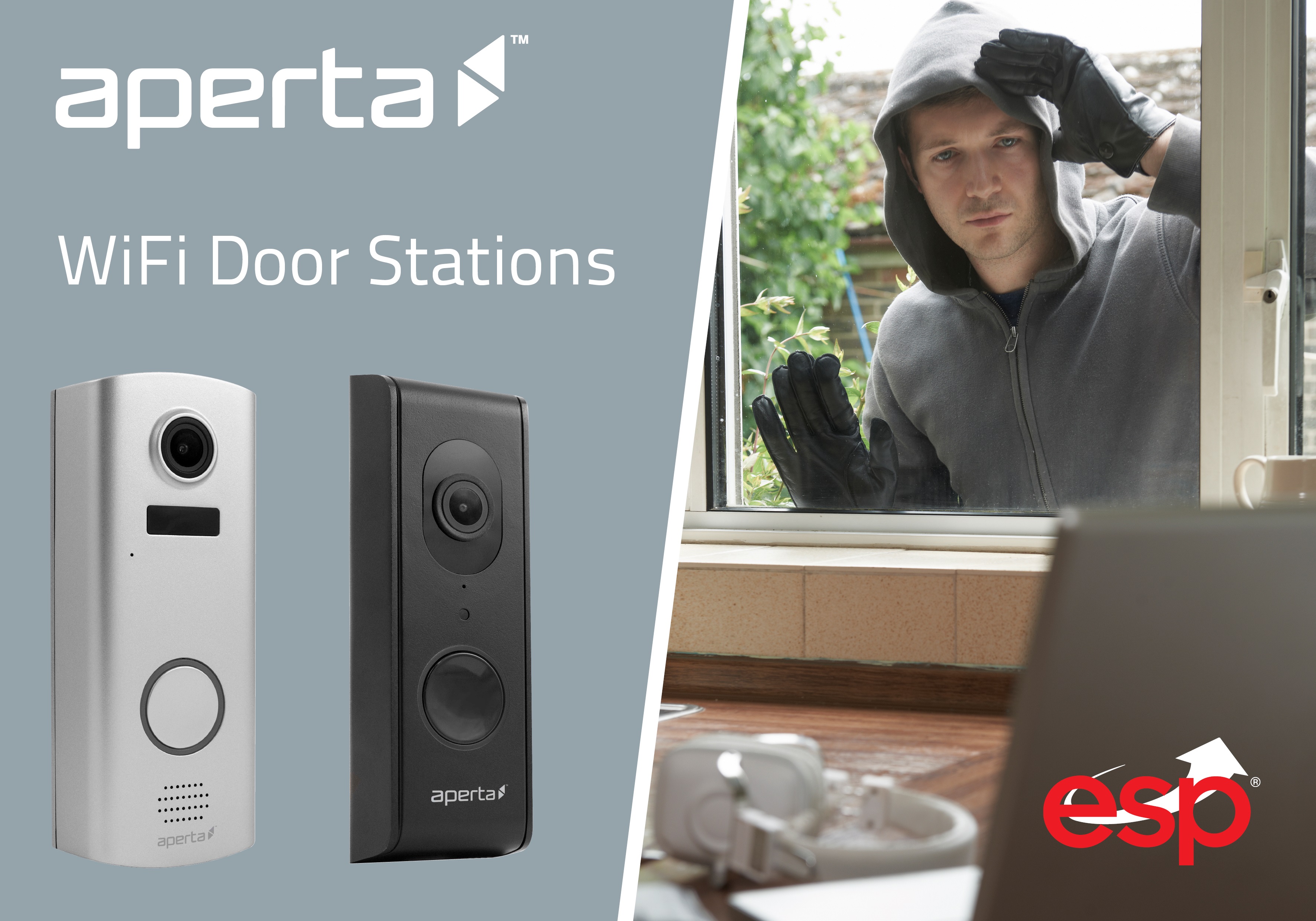
According to the police, crime fell by 28% when Britain went into lockdown to battle the coronavirus at the height of the pandemic. While many have been spending more time at home in lockdown, burglaries have been significantly reduced - but this could all change as restrictions are lifted. Now with the easing of lockdown and people returning to work and going out more, experts are warning of the return of the burglars taking advantage of empty homes. Among the top tips that are recommended to keep homes and gardens safe is good security, and this is where smart technology can come into play. ESP is advising installers to talk to their customers about the need to be vigilant during this vulnerable period, which will extend through to the dark evenings of winter when historically most burglaries tend to take place. Being able to advise their customers about a range of security solutions that are available to protect their homes puts installers in a position of trust. It will allow them to make recommendations based on the householder’s requirements, whether for a whole new system approach or the upgrade of tired and worn out equipment. Many householders are already embracing technology to enhance various aspects of life and will be keen to embrace smart security as a measure to protect their premises. Smart doorbells are an increasingly popular security option, allowing users to see who is at the door before answering it. A Wi-Fi door station connects directly to a smart phone, offering instant front door security and convenience to users. ESP’s latest Aperta Wi-Fi Door Stations cater for a wide range of applications and offer a host of features and benefits to make them an ideal choice for providing superior protection. They come in a kit form containing everything required for the installer to quickly and simply get the system up and running. For a quick and straight forward installation with primary functions, there is a rechargeable battery version available. For installs which require lock release, a low voltage wired version is available. As well as Wi-Fi function, the wired version also provides an alternative Ethernet connection if Wi-Fi is unavailable. 1080p live view, visitor recording, automatic motion detection, and clear two-way audio are some of the key features available via the subscription-free ESP Smart APP. Both the wired and battery powered models feature expandable storage capacity – up to 128GB (8GB supplied). The battery powered model now includes a system hub which sits between the door station and the router. The hub facilitates power demanding features such as Wi-Fi connectivity, video record and remote door chime function. This means that the door station’s battery is dedicated to activations only, thus improving battery performance and efficiency. The new models are offered in two colours – black and silver - and are complete with internal RF door chimes.

New Dimensions Of Well-Being With LEDVANCE Solutions
The comprehensive product portfolio of LED lighting solutions and smart lighting controls from LEDVANCE covers all lighting requirements in the hospitality industry. Lighting for the hospitality sector is much more than a necessary technical installation. It functions also as a design element and is an important element for the well-being of guests and employees. The wide range of hospitality lighting solutions help hoteliers and caterers to present hospitality in its best light and to adapt perfectly to the needs of their guests. Elegant and representative with the LED strip system, stylishly accentuated with the LED spotlights or cozy and intimate with Vintage Edition 1906 lamps and luminaires – better light welcomes people and invites them to linger. Energy efficiency, simple installation and low maintenance requirements contribute to a particularly economical use. Effectful accent lighting with LED spotlights The LEDVANCE product family of the LED spotlights provides functional and flexible lighting and sets design accents in hotel rooms, restaurants, lobbies and ancillary areas like corridors, elevators and car parks. The small flexible recessed spotlights come in minimalist styling and provide great flexibility in lighting design – they can be realigned as required. The Tracklight Spot and Tracklight Spot Compact can be freely positioned along the power rail to create highlights in bars or restaurants and are further ideal for high-quality room layouts through aesthetic SCALE design. The tiny shaped Tracklight Spot Compact comes in attractive color schemes. Together with its seamless design, thanks to the in-track driver, it fits into every ambitious interior. The LEDVANCE Spot Square Darklight Adjust is also designed to match the Spot-, Down- and Tracklight family of luminaires, and its cut-off angle ensures comfortable interior lighting in hotel rooms, but also shops and boutiques, even with its modern square-shape and the small frame. An external driver provides extended flexibility. Creative lighting design in any shape with the LED strip system The LEDVANCE LED strip system covers a wide range of professional lighting tasks in hospitality areas and ensures even more flexible lighting solutions for ambience and general lighting. For example, the strips can be easily integrated into the architecture and subtly enhance a hotel room. In addition to the LED strips, the portfolio includes an extensive range of LED drivers, profiles for surface or recessed installation, covers and other accessories. With a wide range of available color temperatures ranging from energising, daylight white 6,500 kelvin to warm white 2,700 kelvin and lumen packages from 300 to 2,000 lumens per meter, the LED strips are suitable for virtually any lighting task in a modern lighting concept – including classic general lighting, ambient lighting and indirect lighting of niches and coves. The TÜV-certified strips in the Superior category are particularly suitable for demanding lighting installations in large, representative buildings, like upmarket hotels, amongst other, because of their impressive colour rendering with a colour rendering index (CRI) of over 90 and an extremely long lifetime of up to 60,000 hours. All LED strips are prewired on both sides and can be shortened easily and flexibly if required. Retro is modern: innovative LED technology in special shapes Vintage LED lamps and luminaires from LEDVANCE are atmospheric, subtle, aesthetic and create special settings in hospitality areas. The Vintage Edition 1906 brings new life into historic shapes of lamps and luminaires and combines high-quality retro design with efficient LED lighting technology. The atmospheric, discreet light is perfect for hotel rooms that guests can wind down and relax. In hotel bathrooms, for example, the retro luminaires set stylish lighting accents – installed as mirror lighting, the Globe LED lamps with PenduLum Pro bases are retro eye-catchers. With energy savings of up to 80% compared with conventional technologies the vintage LED lamps also ensure cost effectiveness. More details on these products can also be found on the LEDVANCE website.

CICV Forum Releases New COVID-19 Guidance Document
The Construction Industry Coronavirus (CICV) Forum is celebrating a double milestone this week – welcoming its 100th individual member and releasing its 50th piece of guidance. The Forum’s Commercial sub-group has been joined by Bridget Lambert, Strategic Procurement Manager at Renfrewshire Council, who is already contributing her expertise to help the industry continue its phased return. At the same time, the unique collective has issued a new downloadable PDF checklist for contractors and clients, outlining the practical measures both should take to keep themselves safe during domestic work. Designed to be emailed before work starts, and supported by two social media animations, the open source PDF joins the other work released by the Forum. In addition, the Forum is now planning a series of free online training seminars starting in September, offering in-depth advice to help businesses improve their contractual and commercial awareness on construction projects. Alan Wilson, Forum Chair and SELECT Managing Director, says, “To have reached these milestones in terms of both membership and expert guidance in under five months is nothing short of incredible. The breadth and depth of information issued by the Forum is testament to the collaboration and cooperation that exists among its members, and shows just how effective trade associations, commercial organisations and other bodies are when they work together.” Fiona Hodgson, Chair of the Commercial sub-group and Chief Executive of SNIPEF, the trade association for plumbing and heating businesses, adds, “The Forum has clearly demonstrated how valuable trade and professional bodies are, both in supporting their members and representing their needs to Scottish Government. “For the past five months, we have listened closely to what our members, clients and consumers want and delivered clear and practical advice that has been used extensively by industry and public alike. In addition, we continue to contribute to government discussions on a regular basis. “I think we should all be very proud of such achievements and, as ever, we will continue to work hard on our members’ behalf to help them though this extremely challenging time.” Ms Lambert’s arrival means the Forum now has 100 individual participants from a wide range of trade associations, private companies and professional services, with 25 full-time Forum member bodies and 40 further organisations contributing to its eight sub-groups. Lambert says, “I am delighted to have joined the CICV Forum and am looking forward to helping it continue its vital work as we continue to overcome uncertainty during the recovery phase of the pandemic. “I have already been extremely impressed by the wealth of experience among my fellow members, and have been particularly inspired by everyone’s commitment to shaping the future of the industry for the better.” Fiona Hodgson says, “I am delighted to welcome Bridget to the Forum and we greatly appreciate the contribution she has already made to the Commercial sub-group. “Every new member brings additional skills to the Forum, and Bridget’s involvement can only help in our ongoing mission as we continue to support our members and represent their views as we help the whole industry return to work safely.” Ms Lambert’s arrival follows hot on the heels of trade association DHF, who joined as the latest full member in July, along with a new Consultants sub-group containing representatives from12 professional bodies. Since its creation in March, the Forum has drawn on the collective expertise of its members to maintain a steady supply of information and practical advice to the sector as well as carrying out surveys, hosting webinars and making appeals to Government Ministers. In the last two weeks alone, it has issued seven health and safety advice documents, updated its operating guidance and reminded construction workers to observe physical distancing in their social lives too.

Fire Alarm System For Victoria Court Development
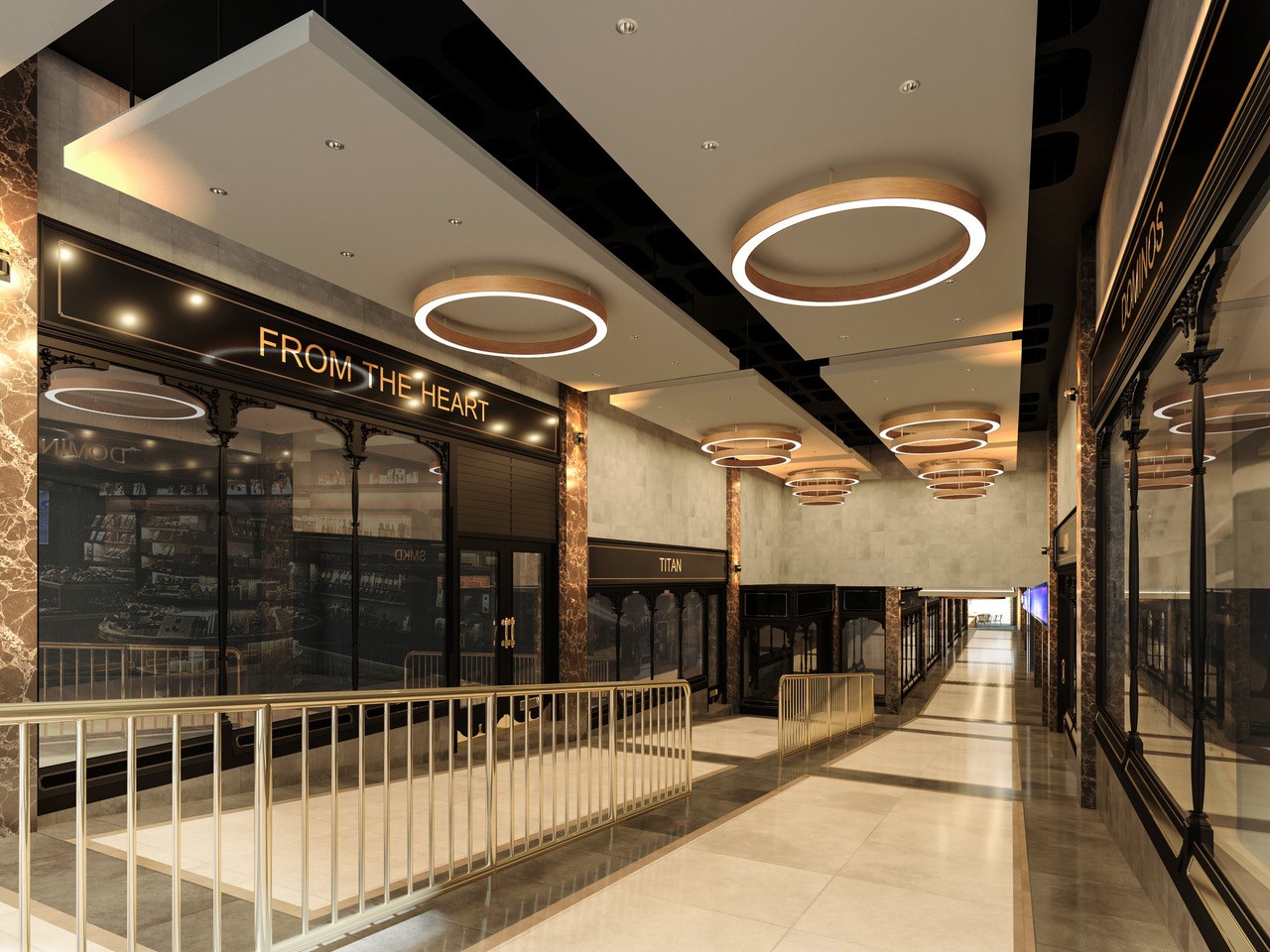
C-TEC’s CAST XFP addressable fire alarm system is protecting a refurbished retail development in West Yorkshire. Situated in the heart of Cleckheaton, Victoria Court has recently undergone a £2.5m transformation and is now home to two floors of offices and an array of retail and commercial outlets including Domino's Pizza and the Halifax Bank. With its innovative control panels, detection and alarm devices, C-TEC’s new CAST XFP system provides the highest levels of fire protection at the multi-purpose site. Featuring all the qualities of C-TEC’s existing panels plus distributed intelligence, autonomous decision making, high speed data transmission and a powerful group activation command for the rapid deployment of alarm signals, CAST is designed for fast and easy install. In addition, its capacity for displaying detailed data on all system activity was also a key factor in its specification for this particular site. Nathan Douglas-Smith of Centurion Fire and Security, the specialist fire company that completed the installation of the life-safety systems in just under five weeks, comments, “Fire alarm panel feedback is crucial so engineers and end users can ascertain all site activity. CAST XFP provides the responsible person with vital information on system activity in complete contrast to the old fire alarm system it replaced. As a result, engineers and end users can see exactly what is happening on site.” “CAST XFP is a great product – it’s easy-to-install, well manufactured and very reliable on all the current installation sites. From a customer support point of view, C-TEC are very responsive to enquires, requests and the occasional technical support call. For example, at a late stage in the installation, the client decided they wanted the smoke detectors in a specific area to be black. We simply called C-TEC and they manufactured them to order.” David Armstrong, Centurion’s MD, notes, “CAST is powerful, feature-rich and intuitive. We’ve installed 10 systems to date and have many more projects in the pipeline. Going forward, we can’t wait for it to be rolled out to C-TEC’s larger panels, particularly the ZFP, over the coming months.”

Riello UPS’s Sentryum Passes Airport Test With Flying Colours
Riello UPS’s Sentryum range of uninterruptible power supplies is flying high by helping to protect critical equipment at Belfast International Airport (BIA). A 15 kVA version of the UPS manufacturer’s new transformerless series has been installed in the airport’s main IT communications room to upgrade an ageing 10 kVA unit. Chris McGarry, IT Manager for Belfast International Airport, explains, “One of our main IT UPS systems was coming to the end of its lifecycle and needed to be replaced. The UPS in question supports critical IT infrastructure at the airport. Whilst we have many redundant systems in place, it is very important all our UPS systems are fully-functional to avoid any power loss and possible disruption to the airport’s IT systems.” The airport turned to a long-standing local supplier to carry out the UPS replacement, Belfast-based electrical company Ashdale Engineering. McGarry continues, “We have been working with Ashdale Engineering for more than 20 years. They have supplied and maintained UPS systems at the airport and have always provided us with a reliable and competitive service.” Ashdale Engineering is a certified Riello UPS reseller and service partner. It has worked with the manufacturer on several projects, including the £100 million Titanic Exhibition Centre in 2012, which involved installing 12 UPS systems to provide 35 kW of power protection. The airport was reassured with the choice of equipment manufacturer for the upgrade. McGarry explains, “We already have several Riello UPS systems on-site and are satisfied with their reliability and features. We monitor them over IP and found the NetMan 204 communications card very easy to install and set up.” Colin Simms, Operations Director for Ashdale Engineering, comments: “Riello UPS’s new transformerless range the Sentryum was the ideal replacement for the existing UPS system. In this case, we supplied a 15 kVA single-phase input and output UPS with internal batteries providing a runtime of five minutes.” Delivering unity power (kVA = kW) and exceptional efficiency of up to 96.5%, the Sentryum is available in 10, 15, and 20 kVA versions. One of its major benefits is the choice of three different cabinet sizes to offer end-users flexibility depending on their available floorspace and desired battery runtime.  The smallest Sentryum cabinet – Compact (CPT) – was chosen for the airport upgrade, with its dimensions of just 28cm wide by 70cm high by 84cm deep ensuring the installation took up the minimum amount of space in the IT room. The UPS changeover took place with minimal disruption too. McGarry concludes, “We’re very pleased with the project. As much work as possible was done during normal hours with final connections made out of hours at a time that suited the airport, resulting in the least downtime possible.” Belfast International Airport is Northern Ireland’s principal aviation hub and is also the second busiest on the entire island of Ireland. In 2018, it welcomed more than 6.2 million passengers, ranking it in the top 10 of all UK airports.

NAPIT Calls For Clarification On Green Homes Grant Scheme
NAPIT has welcomed the recent announcement from Government on the Green Homes Grant Scheme (GHGS) which is set to give over 600,000 homeowners in England up to £10,000 to install energy saving measures to help households save money on energy bills. However, NAPIT is calling for clarity to be given on what certification scheme requirements installers will need to comply with to be able to be access the grants for their customers. The requirement for tradespeople to sign up for TrustMark or the Microgeneration Certification Scheme (MCS) for renewable heating measures is clear, but the discussions about the scheme requirements are ongoing. David Cowburn (pictured), Chief Operating Officer at NAPIT, comments, “It’s great to see that Government are stimulating installation work during these challenging times - however, the devil is in the detail. The current relationship between TrustMark and the PAS 2030:2017 and PAS 2030:2019 standards needs to be addressed to ensure there are not unnecessary barriers for competent tradespeople looking to enter the market. This is a fast-moving initiative, expected to launch in September and the £2bn must be spent before the end of March 2021. To meet this ambition, we need to know as early as possible the requirements that installers will need to fulfil.” The Green Homes Grants is set to give owner occupiers and social/private landlords vouchers to install one or more of the following primary measures: Solid wall, under-floor, cavity wall or roof insulation Air source or ground source heat pumps Solar thermal In addition, households can use the remainder of their voucher, up to the value of the spend on the primary measure/s, for further secondary energy saving measures: Double or triple glazing/secondary glazing, when replacing single glazing Upgrading to energy efficient doors Hot water tank/appliance tank thermostats/heating controls To access the voucher, it is expected that homeowners will need to access the Simple Energy Advice (SEA) service and follow a process which will suggest appropriate home improvements and offer a list of approved TrustMark and MCS registered tradespeople. For more information on the requirements to join NAPIT, visit www.napit.org.uk or call 0345 0330 543.