2 November 2026
Product of the Month: Amari Floodlight range by Aurora Lighting
 
11 November 2026
Energy, AI and smart buildings: register now for EMEX 2026
 
11 November 2026
Solar and batteries could cut electricity costs by 40%, data finds
 
11 November 2026
EIC confirmed as ECN Awards 2026 charity partner
 
11 November 2026
Acrospire to support Green Frog's European expansion
 

Latest News


Barnet Council opts for flat-and-flush technology in EV scheme
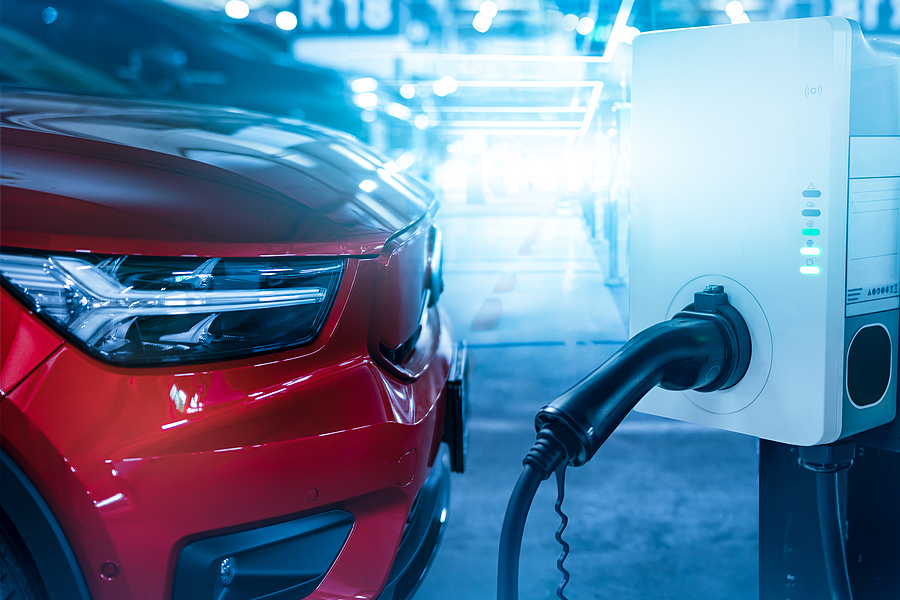
Motorists in one of London’s biggest boroughs are set to benefit from a multi-million-pound investment in on-street, residential, EV charging spaces. Barnet will see the installation of over 500 charging points, designed to be flat-and-flush with the pavement, that will enable residents without driveways to charge their EVs easily and locally, and embrace a move towards cleaner transport. Barnet Council has awarded a contract to Trojan Energy to deliver the £4.65 million project - £3.5 million of which was secured in government grant funding, to boost the number of EV charging points in the borough. The funding is one of the largest amounts provided through the On-Street Residential Chargepoint Scheme, open to local authorities in the UK. Trojan Energy’s EV charging points will be located across 34 of Barnet’s streets and will be operational in phases from November 2022 to March 2023. The flat-and-flush charging point design leaves the pavement entirely clear of clutter and fully accessible to other pavement users when not in use. Customers use a lance (which they keep in their possession) to connect their vehicle to the charging point at the roadside. These points are linked via underground cables to cabinets, located discreetly up to 100m away, which send power to 15 charging units at any one time. In just under a year, the company has developed a new version of its charging technology that further reduces its impact on the streetscape, indicating the fast-paced advancements of technology in this field, and the company’s ambition to make EV charging accessible to the 10 million motorists that park on-street in the UK. Trojan Energy will also deploy its DEICER system within the project. This system allows Barnet EV drivers to obtain real-time charge point availability updates via their mobile phone, either by app or text. The project addresses the current limitations on residential EV charging and meets Trojan Energy’s mission to democratise EV charging, giving more motorists the opportunity to operate electric vehicles. Barnet Council Environment and Climate Change Committee Chair, Cllr Alan Schneiderman, says: “Our scheme to install hundreds more EV charging points is part of our wider sustainability programme to transform Barnet into a net zero borough. Supporting electric vehicles will not only help us ensure the air we breathe in Barnet is cleaner, but it will also take us a step closer to becoming a sustainable borough. “Essential to the success of our programme will be working with partners and our residents and communities to provide the right support and infrastructure which will benefit everyone who calls Barnet home, as well as preparing for tomorrow’s generation.” www.trojan.energy.com www.barnet.gov.com

App offers electricians the chance to find best-value petrol stations
Help is at hand for electricians facing turbulent fuel costs thanks to a unique app from fuelGenie, which can be used to pre-plan journeys and find the best value fuel along the way. The fuelGenie Petrol Station Finder app lists prices for every Tesco, Morrisons and Sainsbury’s fuel station across the UK, based on the most recent purchases by fuelGenie customers at each location. Electricians can use this information to plan journeys and ensure the most cost-effective sites are used when vehicles are running low. Alternatively, a driver can simply enter his or her location then find the best value fuel station nearby. The app has been designed for use on both Apple and Android smartphones and PCs. fuelGenie Managing Director, Robert Pieczka explains: “Fuel price hikes have been significant over the last year and every business and private driver is paying much more for their fuel than was the case previously. “In businesses operating dozens or even hundreds of vehicles, fuel can be one of the largest areas of expenditure. Companies are naturally seeking ways to minimise that cost and our app can play a major role in that “Prices can vary significantly between petrol stations, whether that’s between different operators in the same town or even at sites in the same area operated by the same company. “Knowing where fuel is at its best value allows informed decisions to be made about where and when to stop and fuel up. Multiplied across large fleets, these savings could equate to hundreds of thousands of pounds each year.” According to Robert Pieczka, fuel savings can become even greater if vehicles are optimally maintained and behind-the-wheel behaviours are optimised. “Keeping tyres at the correct pressure is vital. Underinflated tyres suffer from greater drag and use more fuel (up to 10%) to compensate for this. Correct wheel alignment and adherence to servicing schedules will also help. “Meanwhile drivers should avoid over-rapid acceleration and other aggressive driving behaviours such as sharp braking. Minimising idling and using stop/start technology will also help, as will reducing the use of air conditioning systems, heated seats and other electrical systems. “Drivers should also be trained to anticipate road conditions to minimise the number of times they come to a complete stop. Every driver should also undertake a regular visual check of the vehicle condition and advise immediately of any obvious issues or concerns,” says Robert. fuelGenie is a completely free fuel card for UK businesses seeking to cut fuel costs and driver spend via a low-cost supermarket petrol station network. www.fuelgenie.com

Ansell launches new wallpack
Combining modern design with robust materials, Wolf is the latest external wallpack from Ansell Lighting. Specifically designed to deliver a wide lighting distribution for optimum spacing and uniformity outdoors, Wolf features advanced lens technology, which also provides enhanced glare control and ensures minimal (less than 1%) up light and light pollution, helping with dark skies compliance. Robust and hardwearing, Wolf is IK10 rated thanks to its tough polycarbonate cover and die-cast housing, which protects against external impacts and vandalism. It is available in a choice of black or silver-grey electrostatic paint finishes, delivering enhanced corrosion resistance. An added benefit for contractors, Wolf's thoughtful design means that it is quick and easy to install. It features multiple conduit entry and BESA fixing points, as well as disconnectable internal gear trays and push-fit terminals. CCT and power selectable, Wolf can be programmed to deliver specific lighting hues and outputs suited to the application. For added functionality, further options such as OCTO Smart Control, Digital Dimming, Electronic Photocell, Integral Microwave Sensor and a choice of three different emergency versions are also available. Mark Abbott, Managing Director at Ansell Lighting says: “Wolf is a versatile new addition to our outdoor lighting range. Its clever design means that it is ideal for use in settings of all genres, efficiently illuminating external spaces whilst generating minimal light pollution. “The multiple options available also mean that Wolf is suitable for a variety of lighting installations; from a high-tech connected installation to emergency compliant systems, it has widespread appeal. And although this is a new product to market, we are already planning to extend the range with the addition of a mini version to come in the final quarter of the year.” www.anselluk.com

Tilbury boosted by power project completion
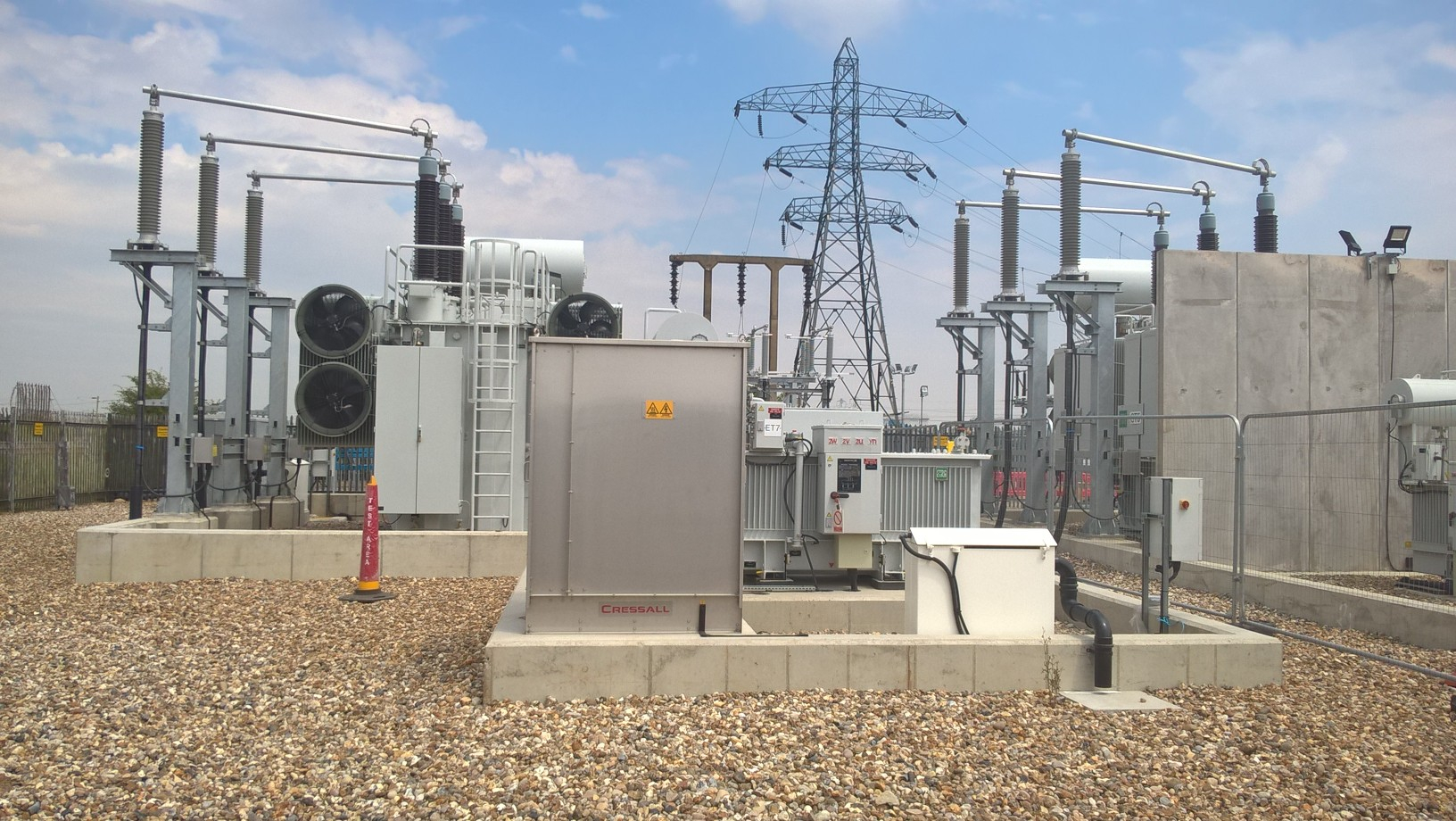
UK Power Networks has completed a £4 million power project in Tilbury in order to meet future demand in a growing part of Essex. Around 28,000 local homes, communities and businesses across this part of the county will benefit from the electricity network upgrade. UK Power Networks has installed two modern transformers to ensure reliable electricity supplies. The new transformers, which reduce voltage to deliver electricity safely to other local substations and then on to homes, have 50% more energy capacity than those that they replaced. Richard Desborough, Project Manager at UK Power Networks, says: “This is a significant investment by UK Power Networks that will maintain reliable electricity supplies for the residents, businesses and communities we serve in and around the Thurrock area. “This upgrade, with two new transformers now in in place, will meet a future growth in demand and keep power flowing for years to come, enabling us to cater for the expansion of the Port of Tilbury and other industrial sites locally. “The new transformers in Tilbury will increase capacity and should increase the resilience of the electricity network - so it’s been an important project. It’s great to see the state-of-the-art equipment now energised and already working well.” The new transformers are replacing equipment installed in the mid-1950s which was well maintained, but was nearing the end of its natural lifespan. Each new transformer receives electricity at 132KV and lowers it to 33KV volts. Both are now up to 90MVA, compared to 60MVA previously. The project forms part of a wider scheme of £600 million being invested by UK Power Networks in the electricity networks across the East of England, London and the South East this year. www.ukpowernetworks.com

Scolmore puts safety first
Scolmore has added new Safety Lampholders to its Click Wiring Accessories range. A B22d safety pendant and batten have been designed and manufactured by the company with the aim of keeping the user safe from electrical shocks. The J-slot mechanism has the ability to disconnect power to the plungers when the lamp is removed. This will prevent the risk of electric shock when removing or installing lamps. When there is no lamp inserted the electrical connection is isolated to the lampholder contacts.  When a BC/B22 lamp is inserted into the lampholder and secured in the J-slots, the electrical connection to the contacts and lamp is restored. The new range comprises 9in and 6in T2 BC Ceiling Safety Pendant sets and a T2BC Loop-in Batten Safety Lampholder with straightskirt. www.scolmore.com

Have you adopted changes from the IET Wiring Regulations?
It’s been five months since the new amendment to the IET Wiring Regulations was published. Developed in partnership with the Institution of Engineering and Technology (IET), the British Standards Institute (BSI) published BS 7671:2018+A2:2022 back in March of this year. From a new requirement for Arc Fault Detection Devices (AFDDs) and the requirement for the fire safety design of buildings to be documented, to the addition of a whole new chapter on Prosumer’s Low Voltage Electrical Installations (PEI), these changes, along with others in BS 7671:2018+A2:2022, ensure advanced safety and sustainability in electrical installation environments. Following the launch of the amendment, there has been a six-month transition period. This has been in place to allow time for electrical contractors to understand and apply the new changes to their ways of working. However, this transition period is almost over. From September 2022, anyone working in the electrical sector must comply with the latest regulations set out in Amendment 2. As a result, The IET and BSI are now urging all electrical professionals to ensure they are familiar with the changes. What is the impact of the amendment? BS 7671 is first and foremost a safety standard to provide a framework for the electrical industry in the UK and for the many other countries that have adopted its requirements. Its specification focusses on the whole of product and installation safety and international compatibility. The benefit of adopting the new changes extends beyond safety. It plays an important role for EU and international trade of equipment and materials, as well as for the UK’s journey towards achieving net zero. For designs to be compatible, manufacturers need to design to a common standard so that their designs can be installed in accordance with installation standards of the countries they intend to market their products to. As installation standards and product standards are intertwined with one another, it is therefore essential that the standards are aligned for practical application. The IET Wiring Regulations also now cover prosumer electrical installations (PEI), including energy efficiency measures, the interface with the smart grid, the management of electricity consumption, the management of renewable sources of electricity, and energy storage. This change is an exciting step into the future of managing renewable sources of energy and their integration into our lives. In addition, BS 7671: Helps users stay up to date with new and innovative technologies Improves the efficiency of installations The product of consensus among a comprehensive group of stakeholders BS 7671:2018+A2:2022 is currently available to buy from the BSI Shop online. Get your copy of BS 7671:2018+A2:2022, here. www.theiet.com www.bsigroup.com

Charging up installer knowledge: electric vehicles
With Transport Secretary Grant Shapps indicating that electric vehicle charge points will become a ‘British emblem’ in the coming years and electric vehicle uptake increasing by 71% in the last year, Frank Bertie, Chief Technical Officer at NAPIT Group, discusses the government's increased policy focus on electric vehicles, and highlights how installers can play a role in the journey towards decarbonisation. The government pledged to end the sale of new petrol and diesel cars by 2030 in November 2020, marking a historic step on the journey towards net zero. The two years following this announcement have seen an increased focus on preparing the necessary infrastructure, workforce, products, and skills to meet the 2030 target. Installers of electric vehicle charge points are expected to be in high demand as the deadline for meeting the target approaches. Regulations The December 2022 uplift in building regulations supports the government’s commitment by requiring the installation of electric vehicle charge points (EVCPs) in all new homes and buildings, ensuring that all EVCPs installed going forward have smart functionality. This is critical for building long-term sustainable infrastructure, as the EVCPs’ smart capability charges an electric vehicle when there is less demand on the grid or when more renewable electricity is available. This requirement also helps to mitigate concerns about grid capacity, load control and adequate electricity supply to buildings. Not only do these regulations alleviate some of the industry’s concerns about grid capacity, but ‘smart chargers’, as they are dubbed, must also meet certain device-level requirements, enabling a minimum level of access, security, and information for consumers. This enables effective monitoring of usage and customer behaviour, which will aid in identifying any issues and allow any future policy to be based on empirical evidence. Grants In addition to regulating in order to increase the rate of EVCP installations, the government is providing grants for flat owner-occupiers and landlords to encourage further installations. The EVCP grant covers 75% of the cost of installing a single charge point. Landlords can receive up to 200 grants a year for residential properties, and a further 100 for commercial properties. This grant replaced the Electric Vehicle Homecharge Scheme, which was designed to help homeowners, and provided funding for 291,549 domestic charging devices before concluding in April 2022. To qualify for the EVCP grant, the installation must be completed on the consumers' behalf by an Office for Zero Emission Vehicles (OZEV) registered installer. Being a member of an Electrical Competent Person Scheme and providing proof of public liability insurance are prerequisites for becoming an OZEV authorised installer. Other government funding options for EVCPs include the Workplace Charging Scheme, a voucher-based scheme that assists eligible applicants with the upfront costs of purchasing and installing an EVCP in England, Wales, Scotland, and Northern Ireland. Furthermore, local government can take advantage of an on-street residential charge point scheme to help them support and deliver the EVCP rollout more effectively. The scheme’s goal is to increase the availability of on-street charge points on residential streets where off-street parking is unavailable. Creating a competent EVCP installation workforce The government’s commitment to improving EV infrastructure necessitates a skilled workforce of competent EVCP installers. NAPIT has a dedicated training provision to assist in the development of a competent EV installer workforce through a two-day training course offered at multiple NAPIT training locations across the country. The City and Guilds-approved course covers the Design and Installation of Domestic and Small Commercial Electric Vehicle Charging Installations. NAPIT Training delivered EVCP courses to over 500 of the next generation of EVCP installers in 2021. Whilst qualifications must be held and demonstrated, installers must also keep up to date with the latest developments as part of their Continuing Professional Development. Recent OZEV-commissioned audits of EVCPs installations revealed several common oversights made by installers that are often simple to correct. NAPIT’s 'Top 10 Tips' guide for EVCP installs, helps those installing charge points identify and avoid common mistakes. Along with providing technical guidance, NAPIT is continuing to collaborate with OZEV and the broader industry to raise standards in this area. www.napit.com www.OZEV.com

simPRO announces pay rise as part of ‘Do the Right Thing’ program
simPRO has announced the debut of its new ‘Do the Right Thing’ benefits program for employees in the United States, Australia, New Zealand and the United Kingdom. While some companies tighten their purse strings in an economic downturn, simPRO’s program introduces unique, innovative benefits designed for a new era of work - one that is global and distributed in nature. With this new program, simPRO is stepping forward as one of the first international technology companies to model a human-centred approach to leadership, and pledge this level of support to employees, creating a paradigm shift in the way companies think about their employees and the future of work. The program’s headlining benefit is an inflationary pay increase of up to 10% for every employee that earns less than $120,000 (£69,000) per year to combat the impacts of inflation on simPRO’s employees. “At simPRO, every decision we make is based on our philosophy of doing what we believe is right,” says Sean Diljore, simPRO CEO. “By investing in our employees' mental and physical wellbeing, we help them prioritise their personal lives so that they can be the best, healthiest version of themselves. When our employees are the best versions of themselves, the entire business thrives.” In addition to the pay increase, simPRO is implementing Flex4 - a four-day, 32-hour work week with no change in pay for full-time employees as part of the ‘Do the Right Thing’ program. simPRO initially piloted Flex4 with global non-profit 4 Day Week Global and has since made Flex4 a permanent fixture for the entire company, worldwide. Also included in the program is a generous new parental leave policy for team members in every country: 24 weeks of 100% paid leave for a primary caregiver and eight weeks of paid parental leave for a secondary caregiver, which is more than the required time in all of the countries in which simPRO operates. simPRO will monitor the performance of the ‘Do the Right Thing’ program and plans to publish data on the impact of the program later this year. In response to the Roe v Wade Supreme Court decision, simPRO also recently announced a $5,000 grant for any US employee who must travel more than 100 miles for any medical procedure, including abortion, for themselves or their immediate family. The grants will be managed by a third party to protect the employee's privacy. "We are in a new era of the employer/employee relationship - what matters to today's workers cannot be addressed using traditional approaches. Employees need to feel that the employer is truly invested in them and in their careers,” says Rod Lacey, Chief People Officer. “At simPRO we choose to be curious and to truly listen to our employees. Responding quickly to our employees' most pressing concerns is the foundation of our ‘Do the Right Thing’ program. We believe in doing what we can to support simPRO employees at all times, through rain or shine.” www.simprogroup.com www.4dayweek.com

Top 10 tips for marketing a trade business
Recent research by ElectricalDirect found that less than one in five (18%) UK tradespeople feel confident running marketing activities for their businesses, and that the vast majority still don’t know how to effectively promote their services. With this in mind, ElectricalDirect spoke to the PR and marketing experts at Jaywing to provide their top marketing tips for trade businesses, so that you can start to grow your customer base. 1) Create your own website “In today’s world, the vast majority of people will turn to the internet as their first port of call when looking to hire a tradesperson. Therefore, it’s really important that you are visible online, and having your own website is the perfect starting point. Make sure it lists your credentials, your contact details and all of the services you offer. Images and customer reviews are also beneficial.” 2) Be SEO savvy “Search engine optimisation (SEO) is a highly effective marketing strategy. Make sure your website is structured in a way that’s easy to navigate, allowing anyone who visits to find what they’re looking for. Adding as much useful information as possible to each page will make sure you’re starting with a solid foundation in SEO.” 3) Be active on social media “About 85% of people use social media, so having an active presence on channels like Facebook and Twitter is a great way to reach potential customers. Create pages specific to your businesses, post interesting and useful content, and shout about the great work you do. Try to also engage with community groups and keep an eye out for people requesting trade services. “Social media is often used to look for recommendations, so share positive customer reviews and photos of jobs to establish trust.” 4) Register for local listings services “Sites like Google My Business, Bing Places, and Apple Maps are hugely influential, so it’s important to have an account that features your up-to-date company information. Create a business profile and then add your working hours, address, service area, and contact details. If people search for trade services in your area, your business will then be more likely to appear.” 5) Collect and promote case studies “Customers are heavily influenced by image-led content, so remember to photograph your best jobs to visually display your services. Before and after images are good for showing the impact you can have, and these can be used both on your website and social media channels to spread awareness.” 6) Actively seek reviews “One in nine tradespeople say that they are heavily reliant on review websites for their businesses, and the importance of positive feedback cannot be overstated. Trust is critical in the industry, with customers wanting to know they can feel safe with tradespeople in their homes and be confident that the job will be done well. “Ensure you continuously ask clients to leave comments on sites such as Google My Business to create positive associations for your company and draw people to your services.” 7) Be visible in your local community “If possible, you need to be visible both off and online, and that involves getting your name out into your local community. Offline marketing can take many forms, from putting up posters in supermarkets or on noticeboards, to dropping leaflets in people’s letterboxes. It’s also worth investing in a vehicle wrap, and buying a sign that you can leave outside properties where you’re working.” 8) Network with other tradespeople “If you get asked to quote for a job that falls outside of your skillset, chances are that you’ll recommend someone you know who would be more suitable. If you connect and network with other tradespeople in your area, you increase the likelihood of people sending work your way when they can’t do it themselves.” 9) Create and share useful content online “A great way to increase your visibility online is to create content that you know people are searching for and want to read. Use tools such as Answer the Public to identify frequently asked questions in your area and create blog posts or guides for your site that provide answers. By establishing your site as a hub for useful content and a source of expertise, your website will start to rank better on Google and attract more customers.” 10) Consider investing in paid marketing “To further increase your online presence, you can invest money to boost the reach of your website and the content you create. This could involve paid advertisements on social media, which can be targeted at certain demographics, or utilising Pay Per Click marketing, which helps you appear as the sponsored posts for certain Google searches.” www.electricaldirect.com www.jaywing.com

AT Series connectors now available through Powell Electronics
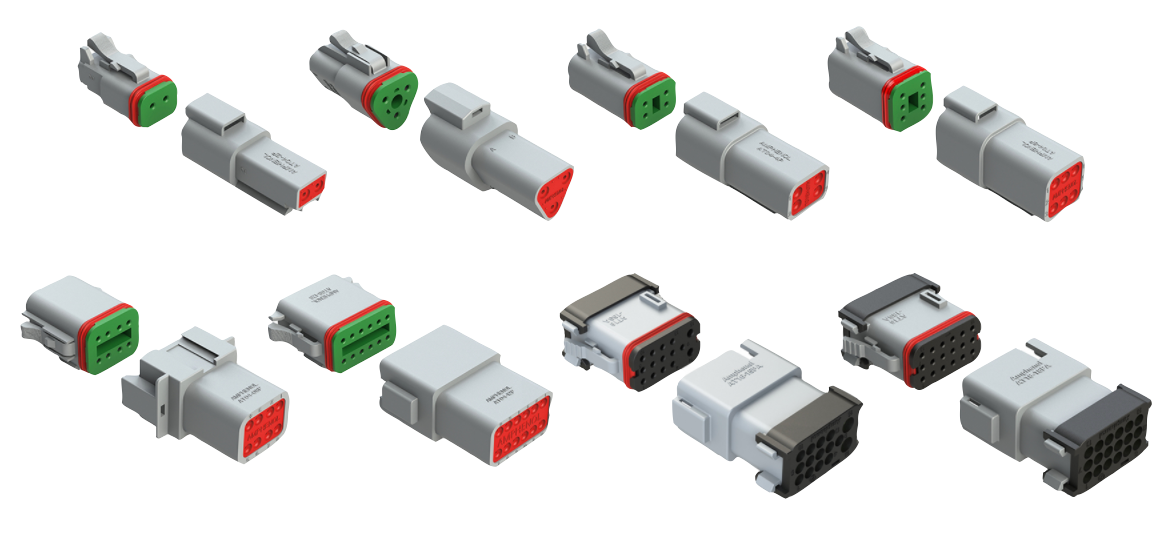
In stock at Powell Electronics are high-performance and cost-effective AT Series connectors from Amphenol Sine Systems. IP68/69K rated when mated, the devices offer superior environmental seals and seal retention capabilities for a variety of applications such as: heavy duty, transportation, marine, diagnostic, military, alternative energy and agricultural. AT Series connectors are available in two, three, four, six, eight, 12, 13 (mixed), 15 (mixed) and 18 positions and incorporate an integral latching system, ensuring a definitive electrical and mechanical connection. Wedgelocks guarantee proper contact alignment and retention. The connector housings are manufactured from a thermoplastic material that is not only durable, but offers excellent UV resistance, dielectric/mechanical properties and is fully RoHS compliant. The devices also benefit from a wide range of end caps and strain relief options and are compatible with all other existing standard products industry-wide. The operating temperature range is -55°C up to 125°C. www.powell.com