2 November 2026
Product of the Month: Amari Floodlight range by Aurora Lighting
 
11 November 2026
Energy, AI and smart buildings: register now for EMEX 2026
 
11 November 2026
Solar and batteries could cut electricity costs by 40%, data finds
 
11 November 2026
EIC confirmed as ECN Awards 2026 charity partner
 
11 November 2026
Acrospire to support Green Frog's European expansion
 

Latest News


myenergi announces iconic sponsorship deal with Grimsby Town FC
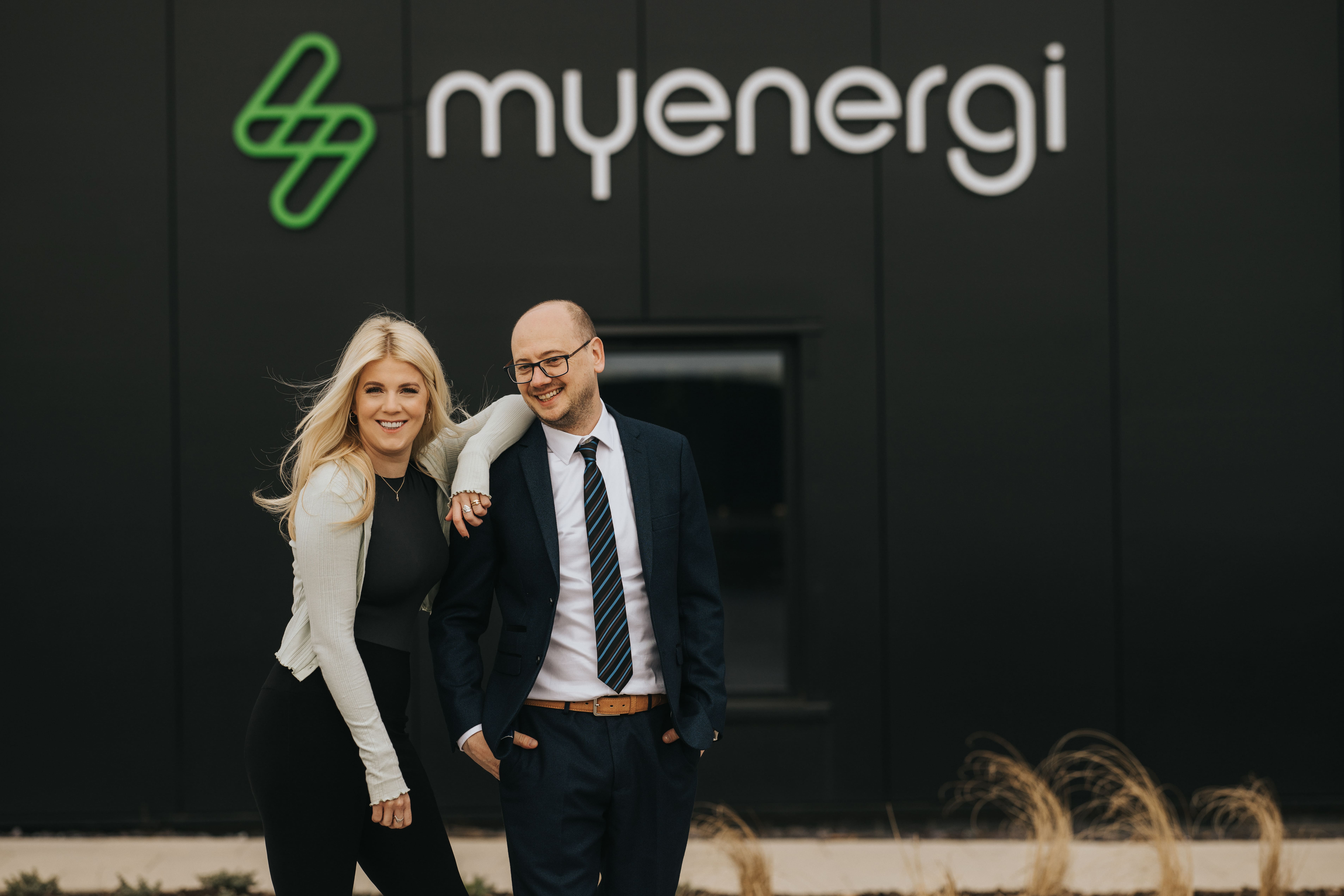
myenergi is delighted to be partnering with Grimsby Town FC as the Official Club Shirt Sponsor for the 2022/23 season. As part of the agreement, the myenergi logo will feature across the Mariners’ first team, academy and women’s team kit. myenergi will also be a key partner to the club in community and culture-focussed projects, driving social change to build a stronger community with a more positive cultural perception. Committed to its Grimsby roots, myenergi is expanding at a rapid pace. The business has recently launched its 2022 recruitment drive, with countless roles available for local residents across a wide range of disciplines and departments – from engineering and production, to procurement, software, sales and technical services. Jordan Brompton, Co-Founder and CMO of myenergi, comments: “When the opportunity came up to sponsor Grimsby Town FC, we jumped at the chance. The club is a massive part of the local community and, while having a new sponsor is a big change after 18 years, we hope we can do the fans justice. “We want to celebrate the town’s central role in the renewable energy revolution. As proud Grimbarians and passionate Mariners fans, we’re excited to kick-off the new partnership and look forward to seeing the myenergi logo emblazoned across the Grimsby Town FC kit next season.” Mariners fans will have seen iconic Grimsby landmarks lit up in green over the past few days. As a trailblazer in sustainability and renewable technology, myenergi is committed to making Grimsby ‘Europe’s Green Town’. Jason Stockwood, the Chair of Grimsby Town FC, adds: “It’s a real pleasure to welcome myenergi as the Official Club Shirt Sponsor of Grimsby Town FC. The agreement is an important step forward in the club’s bright future and we’re delighted that this will be with such a progressive local business. “The myenergi team are Grimsby locals, true Mariners fans and see the club as a central part of the community.”

Four in five UK electricians don’t feel confident discussing sustainability
Sustainability is a growing concern for customers when hiring tradespeople, but four in five (80%) UK electricians are unaware how to make their work more eco-friendly. A new study by ElectricalDirect found that a quarter (25%) of clients are now more eco-conscious than they used to be, and over the last year, more than a fifth (22%) of electricians have been directly asked about their environmental impact. However, the vast majority of workers are not sure how to become more sustainable and more than four in five (82%) say they don’t feel confident discussing the topic with customers. This lack of awareness could explain why so few electricians actively try to reduce their impact on the planet. Fewer than one in five (18%) say they consciously try to work sustainably. For some, finances are a major factor. One in six (17%) say they can’t afford to become more eco-friendly due to the extra costs involved. Nevertheless, with many customers now favouring tradespeople with green credentials, electricians could potentially start to miss out on work if they don’t make changes. Almost two in five (37%) Brits try to only use companies who are socially and environmentally responsible, so there’s a strong business case for sustainability, on top of the wider benefits. To help tradespeople who are looking to become more environmentally friendly, ElectricalDirect has partnered with William Hobbs, sustainability and recycling expert at MyJobQuote.co.uk, to provide some expert tips: Source local parts. To reduce your carbon footprint, look for parts and materials produced and sold closer to home. Wherever possible, recycle. Instead of throwing waste away, consider how to reuse or repurpose it. If it cannot be reused, recycle as much as possible so it doesn’t end up in landfill. Reduce plastic and chemical use. Making simple but practical swaps on small items you use daily can reduce your overall environmental impact without costing too much. Dominick Sandford, Managing Director at ElectricalDirect, says “Sustainability has been a hot topic for a number of years, and that's certainly not going to change anytime soon, so it’s no surprise that customers are now considering the environmental impact of any work they have done in their homes. “In order to meet these changing requirements, electricians should review their materials, equipment and methods to see how they can become a bit greener, as doing so can benefit both their business and the planet.”

Hitachi Rail selects Powerlite Fitzgerald for bespoke lighting upgrade
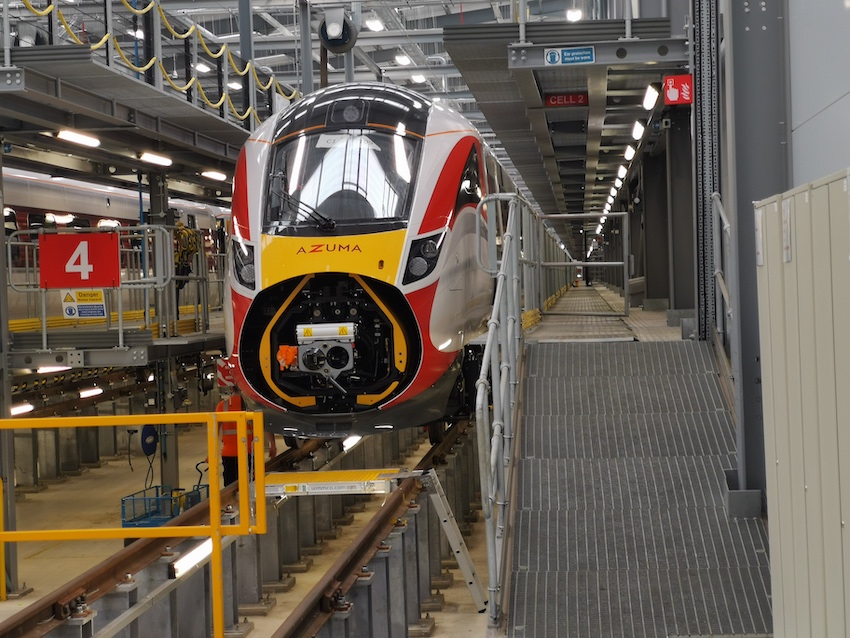
Powerlite Fitzgerald has recently completed an install for Hitachi Rail, a fully integrated rail solutions provider, to update its current inefficient lighting with retrofit gear trays. With a presence in 38 countries across six continents and over 12,000 employees, Hitachi’s mission is to contribute to society through the continuous development of superior rail transport solutions. When looking to upgrade its existing light fittings, Yesss Electrical in Ripon approached Powerlite Fitzgerald to design and manufacture bespoke gear trays for the Hitachi rail site. When the installation of retrofit gear trays is selected over a complete install, end users can benefit from a cost effective way of upgrading to LED and achieve reduced energy costs and maintenance without the disruption of a site overhaul. With many businesses looking for lower cost alternatives, retrofit gear trays are a great option for those who are not ready for a full upgrade or are looking to preserve their current fittings. In keeping its current luminaires, Hitachi Rail has achieved a cost effective way to benefit from LED lighting that also reduces the site’s running and maintenance costs. Powerlite Fitzgerald was able to assist in creating a more uniform spread of light to reduce the light pollution, whilst giving Hitachi more control and better coverage that cost less than a complete luminaire replacement. Powerlite Fitzgerald proposed gear trays that were 30W, 5ft and included corridor advanced function, which allows the end user to decide the dimming times. With 2,000 fittings supplied, the team also provided emergency fittings and an emergency self test in line with building regulations to ensure the site is safe for staff and visitors. Ben Arscott, Sales Director at Powerlite Fitzgerald, comments, “We are delighted that we were able to assist Hitachi Rail in updating their lighting to new highly efficient LED gear trays along with controls. Approaching the job with bespoke gear trays not only saves the client a lot of capital, but it also vastly reduces the install time on site and the disruption that comes with any install.”

Tradespeople call on councils to offer free parking for emergency call outs
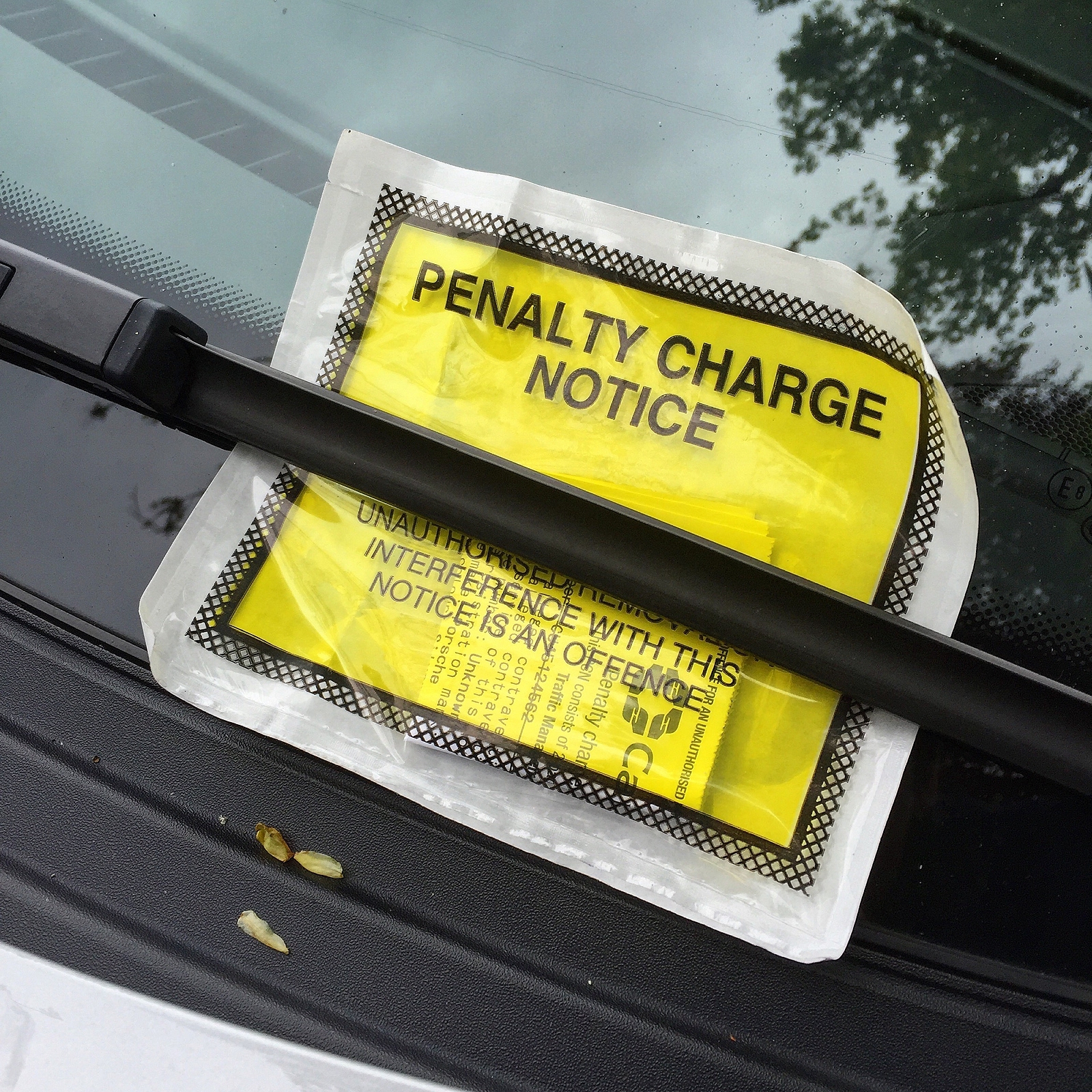
Steep parking fees and green motoring charges are landing Britain’s army of tradespeople with higher costs when travelling to emergency call outs and some have turned away work because of parking ticket costs. According to Toolstation, 71% of tradespeople think they should be given parking exemptions and emergency parking spots when out on an emergency job. Research also shows that 80% of tradespeople have had to raise their prices because of spiraling parking costs and the price of fuel. In North London, Camden Council charges £41.39 for a trade permit to park during business hours. Combined with the £15 congestion charge, it means a full day’s work of eight hours could come to £56.39. In Edinburgh, the council charges up to £5.60 per hour to park a vehicle in a central location. It means parking for eight hours can result in a bill of £44.80. Whilst in Bristol, tradespeople are charged up to £4 an hour, taking the cost of an eight hour working day to £32. A spokesperson from Toolstation says: “Tradespeople need to be able to get to their jobs quickly and carry their materials with them, so parking charges for carrying out emergency work and on longer jobs are another unnecessary cost for them to bear and could result in raised prices for their customers.” Toolstation surveyed 500 tradespeople to get their thoughts and these comments included: “If it is an emergency, it could cause serious property damage, or in some cases put life at risk. Customers aren’t willing to pay for fines and these jobs are stressful enough without the threat of being towed away or facing a fee. The last fine I faced was for an emergency call out at a flat in Central London. I was up to my knees in water in a basement flat and my van was towed away at 2:30am in the morning while I was working, despite being parked in a resident’s space. The total it cost to get the van back was £380. I question whether it’s worth going out on these jobs.” “I often get called out for major power faults within the home. With all the specialist tools and test equipment I need to find out the fault and carry out repairs, it's often a nightmare if the van is 10 minutes away.” “Delivery drivers often get exemptions but tradespeople do not.” “I have turned away work due to parking ticket costs.”

Knightsbridge puts media in the frame with screwless range additions
Offering homeowners and commercial clients alike a modern aesthetic and a high degree of versatility, the new screwless multimedia plate range from Knightsbridge brings additional style and functionality to the most demanding of modular applications. Screwless switches and sockets are on trend for modern interiors which benefit from the clean lines and ultra-slim 4.3mm projection profiles of these contemporary accessories. Multimedia frames are also increasingly popular in domestic and commercial applications, where homeowners and specifiers alike are seeking installation flexibility when it comes to standalone or combined fixtures for lighting, switching, telecomms, network and charging requirements. The extensive screwless multimedia range covers all application requirements with a large selection of faceplate designs to choose from, all available with or without FASTCHARGE A+C USB charging ports, which can deliver a charging rate of up to 12V DC 1.5A (18W) to compatible devices. These plates can all be customised with Knightsbridge’s complete selection of 25x50mm and 50x50mm euro modules – from A+C USB chargers and telecom ports, to its new touchless switches and PIR sensor modules. Knightsbridge has always offered a comprehensive selection of decorative finishes, and the screwless multimedia plate range is no different. Five finishes such as matt white, matt black, and brushed chrome are offered; plus two recent and highly contemporary introductions: smoked bronze and anthracite.

Fuel app helps electricians save on diesel and petrol costs
Motorists struggling with record pump prices can take advantage of a mobile app that allows them to locate their nearest supermarket petrol stations and the latest fuel prices on the go. Devised by fuelGenie, a fuel card provider for SMEs and fleet operators, the app is available for all drivers to download as they look to save on fuel costs which are reaching eye-watering prices and showing little sign of getting better anytime soon. Indeed, the app which can be downloaded from the Apple App Store or Google Play store allows users to locate their nearest Tesco, Morrisons and Sainsbury’s petrol stations simply by entering their postcode. Additionally, the app also lets users see the latest fuel prices which are based on fuelGenie customer purchases at petrol stations – ultimately helping them to save at the pump. Managing Director of fuelGenie, Robert Pieczka, says: “Whether you are a private motorist, small business or fleet operator, then saving money at the pump is more important than ever as fuel prices remain high. “The fuelGenie petrol station finder app is a useful tool to help those looking to save on fuel costs. It is easy to download and can help users make informed decisions as to where they should fill up their vehicle. “It is also a great tool for fuelGenie business account holders to manage their accounts and recent updates provide even more card detail and invoice functionality.” As well as using the fuelGenie petrol station finder app, other ways that vehicle owners can save on fuel costs is by regular and correct vehicle maintenance, together with driver education so they are driving in the most efficient manner.

Siemens invests in WiTricity to advance wireless charging for electric vehicles 
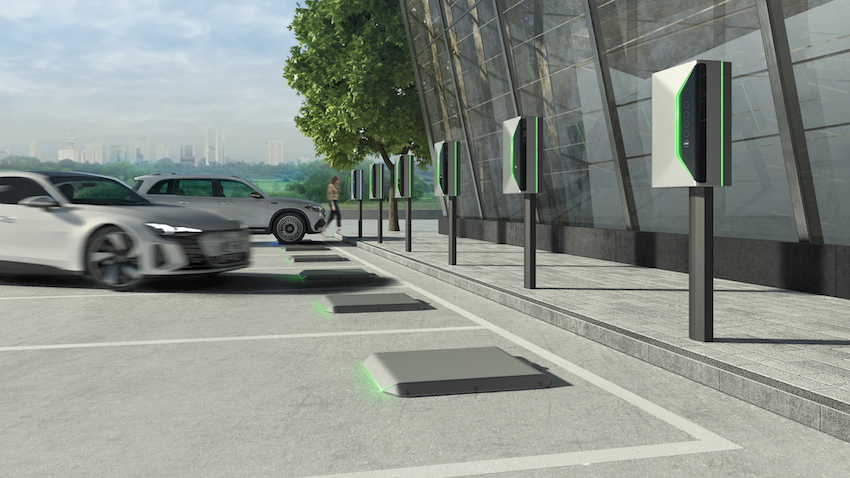
Siemens has invested US$25 million and acquired a minority stake in US-based WiTricity, a wireless charging technology company. Siemens and WiTricity will work together to drive innovation in the emerging market for wireless EV charging. This market is expected to reach US$2 billion by 2028 in Europe and North America alone, according to Siemens’ calculations. The two companies seek to bridge the gaps in the global standardisation of wireless charging for electric passenger and light duty commercial vehicles, to enable interoperability between vehicles and infrastructure, as well as support market penetration. In addition, both parties will collaborate to advance the technical development of wireless charging systems. “Combining Siemens’ global footprint and EV charging portfolio with WiTricity’s innovative technology is the first step towards elevating our offering in the wireless charging space. This will speed up deployment of wireless charging technology, support standardisation, and advance public charging infrastructure with interoperable solutions for drivers’ convenience,” says Markus Mildner, CEO of Siemens eMobility. Siemens will also become a technology license partner, benefitting from WiTricity’s deep know-how and decade-long collaboration with global automotive OEMs to develop proven, field-tested, interoperable wireless charging solutions. Innovative and proven technology A charging pad mounted on or in the ground exchanges power with a receiving coil attached on the underside of the EV. There are no moving parts or physical connectors. Instead, a magnetic field transfers energy between the charging pad and the vehicle coil when the vehicle is over the charging pad. The system uses resonant induction between the charger and receiver in order to provide high efficiency at a variety of ground clearances, from low-slung sports cars to SUVs. Cost-effective, global availability, addressing customer demands The ultimate goal of the collaboration is to accelerate the maturing of wireless charging technologies together with OEMs and infrastructure partners to simultaneously ensure their cost-effective availability worldwide. A recent survey of more than 1,000 current and future EV owners interested in purchasing an EV in the next two years indicated that wireless charging was one of the highest-rated add-ons and a more preferred option to other amenities, including park-assist, performance, or premium audio packages. “Wireless charging enables a driver to just park and walk away, returning to a charged vehicle. Wireless charging makes EVs more appealing for individual owners and more cost-effective for commercial operators. We are excited to partner with a leader like Siemens to help drive this new world of compelling solutions,” says Alex Gruzen, CEO of WiTricity. “Siemens and WiTricity share the goal of improving EV ownership and fleet management with the matchless simplicity and reliability of wireless charging”. Eliminating autonomous vehicle friction points For autonomous vehicles to fulfil their promise, key friction points will need to be removed, such as charging, which today still requires human intervention. Wireless power transfer will be the key technology to enable contactless automatic charging with least maintenance requirements and pave the way to an all-electric, fully autonomous mobility future.

Heat pump project breaks ground in Cornwall
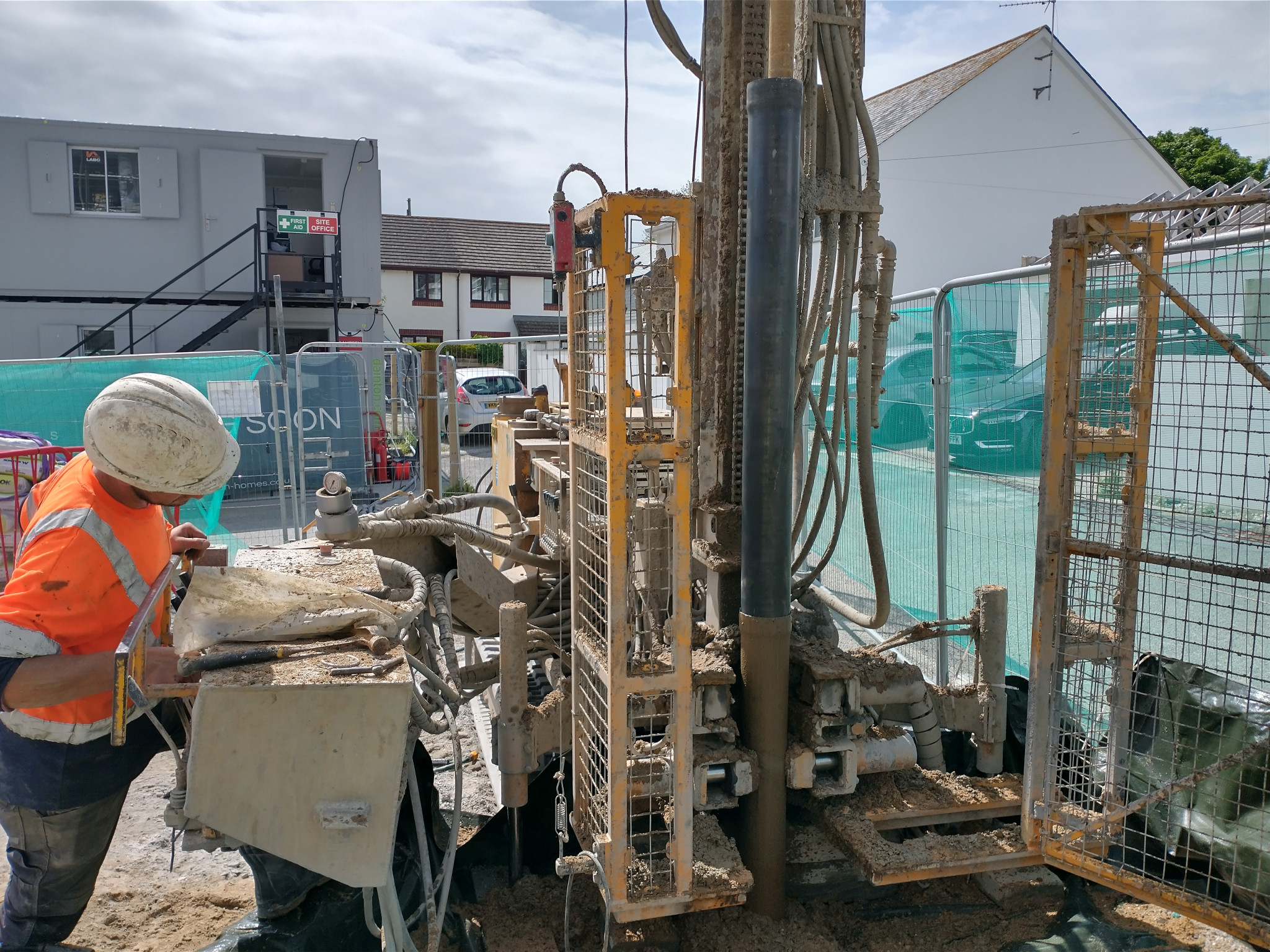
Heat the Streets, Kensa Utilities' ambitious ERDF-funded sustainable heating project, has broken ground at two new construction sites in Cornwall. Work has begun on Heat the Streets low carbon heating installations in Carlyon Bay and Harlyn Bay. Drilling has started for boreholes that will form shared loop ground arrays to be connected to Kensa ground source heat pumps. The heat pumps will supply the homeowners with 100% of their heat and hot water all year round. Kensa's Shared Ground Loop Arrays are an ultra-low temperature heat network used with ground source heat pumps. In a similar setup to a traditional gas framework, a series of boreholes are linked to create a shared ground loop array that provides heat to multiple properties. Kensa Utilities will retain ownership of the ground array, charging a fixed annual fee to households for its use. This split-ownership funding of low carbon heating is intended to break down the barriers to net zero and make clean, reliable heating affordable for more households. Due to Kensa Utilities' ERDF financing model, heat pumps and the associated infrastructure have been installed for less than the cost of an air source heat pump. Consequently, forward-thinking developers can offer a more attractive sustainable heating system while reducing construction costs and reducing carbon emissions. The drilling of these boreholes marks a significant step forward in the Heat the Streets project which will also see installation of split-ownership, ground source heat pumps retrofitted into private properties in the off-gas village of Stithians, Cornwall and social housing estates around the county. Lisa Treseder, Kensa Utilities Senior Project Manager, comments: "To achieve net zero by 2050, we need to transform the way people heat their homes. This project demonstrates how we can decarbonise home heating in a way that creates great value for money while minimising capital investments. We also need to lower the barrier of upfront costs to encourage the adoption of ground source heat pumps."

Octopus Energy enters German renewable generation market
Octopus Energy Group’s generation arm, one of the largest investors in solar and wind energy in Europe, has signed its first renewable generation deal in Germany, helping to boost the country’s energy security. Octopus Energy Generation’s fund management team will build ‘Gaishecke’, a 35MW onshore wind farm in Hessen, near Frankfurt. Construction will kick off in the next few weeks and it will become operational by the end of 2023. Once built, the 10 wind turbines made by Vestas will generate almost 100,000MWh, enough green energy to power nearly 40,000 households a year. This will offset nearly 60,000 tonnes of CO2 a year, the same as taking 30,000 petrol cars off the road. Octopus bought the rights for the construction of the wind farm from a consortium of sellers. It is aiming to quickly ramp up its generation portfolio in Germany and its fund management team is already scoping out further sites. By 2030, the company is planning to operate 1,200MW of wind and solar farms across the country. The move is the next step in Octopus Energy’s Germany strategy. The company first launched to the market in November 2020 and a year later together with Tesla, started supplying power to German Tesla Powerwall customers. Over the past year, Octopus’ German customer base has grown tenfold, recently crossing the 120,000 households threshold. By 2024, the company is targeting one million customers. The new deal brings Octopus’s generation and supply businesses closer together, and will enable Octopus Energy to launch its innovative wind tariff – the ‘Fan Club’ – in Germany in the future. The tariff, which was kicked off in the UK in 2021, offers communities living close to its wind turbines up to 50% discount on their energy rates. This deal comes as the German government has made clear its ambitions to increase energy security by boosting the construction of home-grown renewables. Russian gas accounted for 55% of Germany’s gas imports in 2021. Onshore wind is one of the fastest and cheapest renewables to build and wean Germany off imported gas. It is forecast that in the next five years, Germany could be Europe’s largest wind market. Zoisa North-Bond, CEO of Octopus Energy Generation, comments: “We’re absolutely thrilled to expand into renewable generation in Germany as we rapidly scale green power across the continent. We’re huge fans of Germany’s wind market and can’t wait to build this wind farm – which will be the first of many – to bring even more cheap green energy to people and help secure energy independence.”

CEDIA supports its members in demonstrating smart home competency
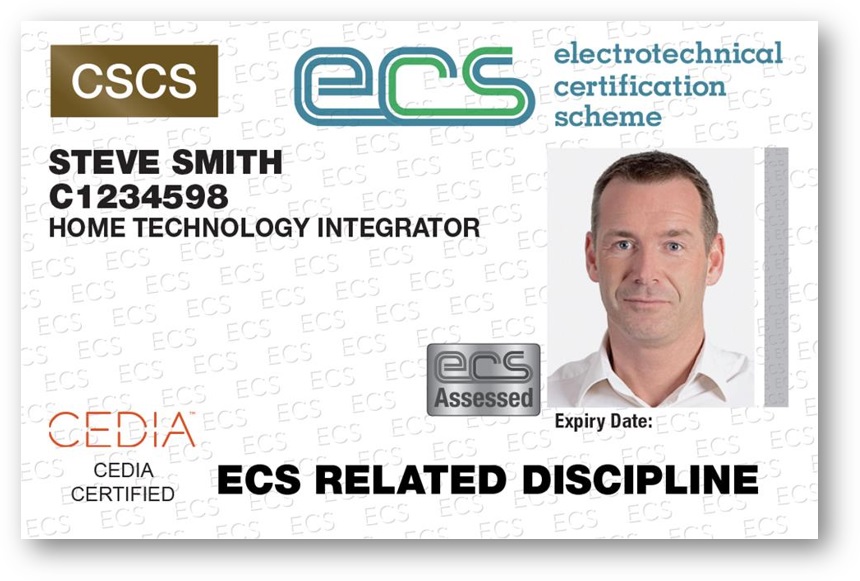
CEDIA has launched a promotion to support members in demonstrating their competency and professionalism to the wider construction community. Running until 31 October, CEDIA is waiving the card application fee for an ECS Home Technology Integrator card. The ECS Home Technology Integrator card was launched after the Joint Industry Board (JIB) and CEDIA worked together to formally recognise the skills of integrators in the UK. Fully affiliated to the Construction Skills Certification Scheme (CSCS) scheme, the ECS card is a simple and effective way to obtain access to construction sites and provide proof of identity and qualification levels. To be eligible for ECS card promotion, applicants must: Hold at least one of the two technician certifications offered by CEDIA – CIT or IST Hold the ECS Electrical Safety Unit assessment Hold a current ECS Health, Safety and Environmental Assessment (no health and safety qualification exemptions are permitted for this card). For details visit the ECS H&S Assessment page. “The ECS card is an effective way of showcasing the professionalism of our industry and breaking down potential barriers in accessing construction sites,” comments Matt Nimmons, Managing Director, CEDIA EMEA. “Those who hold the card can proudly display their qualification status as well as their electrical safety and health and safety knowledge. We are launching this promotion to allow additional integrators to take advantage of this benefit and to help elevate and champion our industry further.” CEDIA member, IndigoZest, has been supportive of this scheme and has helped many of its engineers obtain an ECS card through CEDIA. Phil Atkins, Technical Director at IndigoZest comments: “The building and construction industry often request some level of certification or validation of health and safety of our team on site. The ECS card shows that the cardholder is qualified to carry out UK AV work, as identified on the card, and allows them access to a construction site or property. It is not always required, but for those sites that do ask for it, we don't not want to be considered just because we have not gained the formal qualification. The ECS card shows that our engineers meet the required level of health and safety to work in a safe manor on site.” There has never been a more important time to invest in staff to retain loyalty and celebrate professional development. The CEDIA Certified Cabling & Infrastructure Technician (CIT) has recently been accredited by the ANSI National Accreditation Board (ANAB) as having met the international standard for personnel certification bodies defined by the ISO/IEC 17024 standard.