2 November 2026
Product of the Month: Amari Floodlight range by Aurora Lighting
 
26 November 2026
Thorn scores second Highland football lighting installation
 
26 November 2026
Segen pens exclusive distribution contract with M-Rack
 
25 November 2026
Scolmore helps rejuvenate Tamworth Cancer Support Centre
 
25 November 2026
Leicester apprentice crowned 2026 SkillELECTRIC champion
 

Latest News


Screwfix increases target for store openings, creating more than 700 local jobs
Screwfix is set to exceed its target for store openings this year, creating more than 700 jobs in total across local communities in the UK and the Republic of Ireland (ROI). In March, Screwfix announced plans to open more than 50 stores in 2021 – but has exceeded targets with a total of 70 new stores opened or due to open by the end of the year. The latest announcement is positive news for the retailer’s overall expansion plans, with an ambition to have an overall total of 1000 Screwfix stores in the UK and Ireland. The target was raised from a previous figure of 900 earlier this year, after it identified opportunities for stores in inner cities and rural catchment areas. John Mewett, Screwfix CEO, says: “To be on track to have 70 new stores opened by the end of this year is testament to the hard work of all our colleagues. The growth in our store network supports local communities with further job opportunities and the demand for added convenience from our busy tradespeople. “Currently, 98% of the population live within a 30-minute drive of a UK store, so our continued expansion ensures we can bring Screwfix closer to even more customers.” The growth of Screwfix is supported by Kingfisher, its parent company, whose “Powered by Kingfisher” strategy focuses on empowering its distinct retail banners in key areas such as own exclusive brands development, buying and sourcing, e-commerce, and technology and services.

Rising cost of materials will be the biggest challenge in 2022, say UK electricians
The rising cost of materials will be the most significant challenge facing UK electricians in 2022, according to a new report assessing the confidence of the industry. The study, conducted by ElectricalDirect surveyed electricians about their views on the year ahead and found that, while some are quietly optimistic, they are well aware of the upcoming difficulties. Overall, a fifth (20%) of UK electricians think 2022 will be a better year for their companies than 2021, and one in seven (14%) believe the industry will grow stronger over the coming months. In fact, almost one in five (19%) electrical workers believe their company will have fully recovered from the pandemic by this time next year, and the same number (19%) are looking to expand and hire new staff. Furthermore, more than one in six (18%) electricians think they’ll be in a stronger financial position in 2022, with more work (18%) and better job security (21%). However, some electricians are naturally more cautious about the next 12 months. Almost a quarter (22%) think their company will find business tough in 2022 and one in seven (14%) think the industry will struggle. All the respondents acknowledged that there will inevitably be challenges, and the rising cost of materials is the number one concern (23%). Simply getting hold of materials is also a worry (22%), as is the ability to recruit people to fill job vacancies (22%). Interestingly, the main challenges vary slightly by generation. Recruitment (24%) is the biggest cause of apprehension amongst millennials (25-34s), while for 35–44-year-olds, the rising cost of materials (22%) tops the list. For 45-54s, getting hold of tools and equipment (24%) is the major stressor. Dominick Sandford, Managing Director at ElectricalDirect, says: “It’s been an incredibly difficult couple of years for both the country and the electrical industry, and while there is still a long way to go before a full recovery can be expected, it’s encouraging to see that some electricians are feeling positive as we approach 2022. “However, it’s clear that for many, the next 12 months will involve challenges of all shapes and sizes, and we hope that electricians are able to ride out the storm until the landscape finally stabilises.”

MKM gets into festive spirit with Mission Christmas donation
MKM Building Supplies will be spreading a little festive magic this season through the donation of dozens of toys to the Mission Christmas campaign. The builders merchant packed six bulk bags - normally used to deliver aggregates - with toys and games and gifted them to the initiative, which is managed by children’s charity Cash for Kids. The charity seeks to improve the lives of disadvantaged young people across the country, providing vital support to children who have been touched by poverty, illness, or neglect. As a longtime supporter of the charity, MKM’s donations ensure vulnerable children nationwide will wake up to a present on Christmas morning. For the last six years Chelsie Oliffe, Purchase Ledger Clerk at MKM, has coordinated staff donations after seeing Mission Christmas coverage locally. Initially gathering donations from the business' finance team and delivering them herself, Chelsie then invited the rest of MKM’s central support team to bring in gifts. A real team effort, Chelsie is supported by Remi Rooks and by Tracy Broderick who is the shopper in charge of buying the toys, games and toiletries. This year MKMs Hull branch stepped in to help too when donations topped the £2000 mark and had to be delivered in a van. Kate Tinsley, CEO at MKM, says: “Cash for Kids is a charity that is close to all of our hearts here at MKM. The work they do is vital all year round, but particularly at Christmas when some children and young people face going without. It means the world to us to be able to support them during the festive period, and we hope our donations put some smiles on children’s faces on Christmas Day.”

Vent-Axia Welcomes Part F of the Building Regulations
Vent-Axia has welcomed the publication of new Approved Document Part F of the Building Regulations, as a “vital step to improve indoor air quality” as we move toward the Future Homes Standard on the road to Net Zero. Published on 15th December 2021, Part F (Means of Ventilation) goes hand-in-hand with the new amended Part L (Conservation of Fuel and Power), which is set to help the UK deliver Net Zero with a reduction of almost a third less carbon for new homes. However, as buildings become more air tight to improve efficiency it is essential to consider indoor air quality too to protect the wellbeing of inhabitants. The new Part F therefore sets out “significant changes”, which will drive adoption of low carbon ventilation as an industry standard and improve the quality of the air we breathe in buildings. A key addition to Part F, which reflects the significance of ventilation in meeting Net Zero, is a new sub section ‘Installing Energy Efficiency Measures’, which relates to existing properties. “When carrying out energy efficiency measures to an existing dwelling, an assessment should determine what, if any, additional ventilation provision is needed, based on the estimated impact of the work.” Vent-Axia welcomes this addition since previously many homes have suffered from condensation, mould and poor indoor air quality following energy efficiency measures, which have increased the airtightness of the building envelope to reduce carbon emissions. This positive move will help protect the health and wellbeing of inhabitants from indoor air pollution and protect buildings from damp, condensation and mould caused by moisture not being able to escape. For New Build residential homes, ventilation has also increased in Part F to support the safety of residents with an overall move to more advanced ventilation solutions, such as Mechanical Ventilation with Heat Recovery (MVHR) and Continuous Mechanical Extract Ventilation instead of traditional Intermittent Extract Ventilation (now referred to as Natural Ventilation throughout the document). Natural Ventilation is now only suitable for dwellings with a design air permeability higher than 5 m3/(m2·h) meaning many new build dwellings will be out of scope of this technology. With the increased airtightness of buildings, and increased minimum whole dwelling ventilation rates for continuous mechanical extract units, higher performing options are needed. Here housebuilders look to favour continuous mechanical extract units that offer a 125mm diameter spigot model since the larger surface area will allow greater airflow through the fan at a much lower noise level and SFP. This means fewer fans are required to achieve whole house ventilation rates. “We welcome the new Part F of the Building Regulations. Since Kyoto, the UK has been striving to reduce its carbon emissions. However, unfortunately indoor air quality has taken a back seat. However, over the last 5 years we have all witnessed the real consequences of sealing up homes and insulating them to make them more energy efficient. It has resulted in indoor air pollution. The new Part F has started to redress the balance of ventilation with energy efficiency since the pandemic has clearly shown the importance of good indoor air quality to health and wellbeing”, says Richard Paine Product and Marketing Director at Vent-Axia. With the pandemic highlighting the importance of good ventilation to mitigate virus transmission, Part F is also introducing improvements to ventilation in new non-residential properties to help prevent the spread of airborne viruses. In fact, it states that in “locations where continuous talking or singing takes place, or there are high levels of physical activity (such as dancing, playing sport or exercising), providing ventilation sufficient to keep CO2 levels below 800ppm is recommended”. There is also a sub section entitled ‘Indoor Air Quality Monitoring’, which states that in new buildings in the occupiable rooms it refers to there “should have a means of monitoring the indoor air quality. This may be achieved using CO2 monitors or other means of measuring indoor air quality.” These actions will help ensure better indoor air quality in non-residential properties. For non-residential properties, Vent-Axia is well prepared for Part F with a range of CO2 sensors which can be discreetly located on a wall and can intelligently boost ventilation based on the detected CO2 levels. They can also provide a warning indication for occupants if CO2 levels rise above acceptable levels with a useful traffic light system on the front, so occupants can activate purge ventilation when required. Vent-Axia also has a range of ventilation solutions including the Slimpak EC box fan ducted system which continuously supplies fresh air or extracts stale air or both. These fans can be connected to a CO2 sensor for optimal air quality control. Meanwhile, the ACM100-200 and ACM250-315 mixed flow in-line fans provide ceiling mounted cooling in the summer or can recirculate the warm air from the ceiling in the winter to minimise the amount of time space heaters need to be active. Vent-Axia’s Lo-Carbon T-Series fans can provide background or purge ventilation and are easily fitted to an existing window or through a wall. For New Build residential Vent-Axia has launched the award-winning Multivent MEV family, a new range of mechanical extract ventilation (MEV) and decentralised MEV (dMEV) designed to provide a simple and effective solution to help housebuilders meet the Future Homes Standard. The new Multivent MEV family is the ideal solution, helping housebuilders meet DER requirements through its market-leading energy efficiency and improving IAQ for homeowners. The complementary other half of the Multivent family is Vent-Axia’s Lo-Carbon NBR dMEV, a range of continuous running, constant volume dMEV units. This includes a unique 125mm option which further improves DER by improving efficiency and lowering noise and is ideal to meet the new Part F requirements. For existing homes, Vent-Axia has a wide range of extractor fans available to help provide effective ventilation and comply with Part F. For example, the Lo-Carbon Svara combines condensation control to avoid mould with improved IAQ for a healthier home environment backed up by easy installation, quiet operation and is controllable via a smartphone. Meanwhile, Vent-Axia’s Silent Fan range boasts seventeen models and a raft of new features, including IPX5-rating (for Zone 1) making installation easier and safer. The range also offers both humidity and variable speed models and is still the quietest bathroom fan available at just 12dB(A). The Vent-Axia PureAir Sense is the UK’s only bathroom fan with Odour Sense technology that increases airflow when the air is poor, helping ensure a comfortable living environment. Finally, for social housing refurbishments, there are number of options including: Positive Input Ventilation, such as Vent-Axia’s Lo-Carbon PoziDry Pro PIV and Lo-Carbon PoziDry Compact Pro; and continuous extract ventilation such as the Lo-Carbon Revive and Lo-Carbon Response 7, intelligent filter-less fans.

FireAngel supports amendments to Smoke and Carbon Monoxide alarm regulations
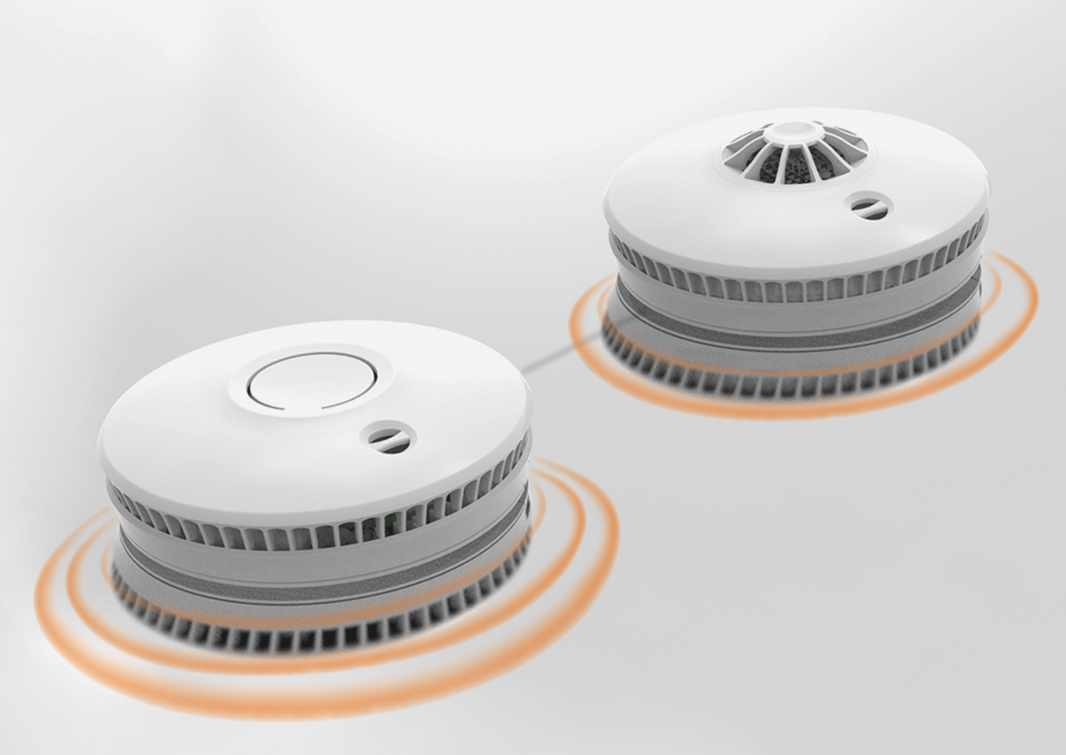
FireAngel is backing the government’s response regarding the findings of its Domestic smoke and carbon monoxide alarm consultation. Aiming to achieve greater consistency with regard to the level of protection provided throughout rental properties, the amendments to the Smoke and Carbon Monoxide Alarm (England) Regulations 2015 and Approved Document J will now also include socially rented properties, in addition to privately rented homes. Private and social landlords will now be required to install one smoke alarm on each storey of their property, whilst also requiring the installation of a CO alarm in any room with a fixed combustion appliance. This includes boilers, fire and water heaters, but excludes gas cookers. Landlords will also be legally required to install a CO alarm in their properties when a fixed combustion appliance is fitted. The new regulations will also ensure landlords repair or replace alarms when notified of a fault, but regular alarm testing will remain the responsibility of the resident. Whilst gas cookers are not included within the amendments, the British Standards still recommends that a CO alarm is fitted in any property with this type of appliance. The British Standards should also be referred to regarding appropriate alarm placement. Landlords must ensure the alarms comply with British Standard EN 50291-1 and carry a British or European approval mark, such as a Kitemark, to ensure tenants receive the highest standards of protection. In accordance with European Standard EN 50292, the CO alarm should be fitted in the same room as fuel-burning appliances, such as an open fire, gas cooker or boiler, and can be either wall or ceiling mounted. It is advised that additional alarms should be located in bedrooms relatively close to the breathing zone of the occupants, whilst alarms should also be installed in any room where there is a flue running through it. Steve Boggis, Trade Business Unit Director for FireAngel, says: “As one of the UK’s leading providers of smoke, heat and CO alarms, we are committed to ensuring every type of residential property, whether privately or socially rented, or owned, has the highest possible levels of protection. We supported the government’s consultation on Domestic smoke and CO alarms and we are pleased with the proposed expansion of the recommendations for all types of rental properties throughout England. “However, whilst the consultation recommends much needed changes with regard to the regulation of smoke and CO alarms in private and rented properties, we feel the recommendations of the updated Scottish Tolerable Standard, which comes into force February 2022, should also be applied to England and Wales to ensure the highest possible standards. “In response to this, we are proactively working with our Social Housing and Trade partners to recommend and assist the installation of interlinked smoke, heat and CO alarms throughout all types of residential properties, to provide the earliest possible warning of a potential fire or CO event.”

The importance of mental health for young installers
Worcester Bosch have partnered with wellbeing expert Neil Laybourn to help educate young installers about the importance of speaking out about mental health struggles, as part of its ongoing Future Talent Initiative (FTI). The FTI was launched back in September and aims to support young installers, apprentices and those new to the sector. As part of the initiative, the manufacturer has developed a robust content series, which includes third-party experts discussing different topics related to the heating industry and beyond. This includes, Life in the Fast Lane | Mental Health Advice, produced by Neil Laybourn, a well-known Wellbeing Consultant and 2021 LinkedIn Changemaker. As Neil explains, his journey and passion in mental health and well-being stems from his own profound experience of instigating a suicide intervention after witnessing a stranger attempt to take their life in 2008. Since then, Neil has dedicated his life to advocating the importance of speaking up and about your mental health. Neil’s twenty-minute FTI video details to installers the importance of speaking up and speaking out about their mental health struggles, while signposting them to the resources available around them. For additional information, or to speak to someone that can help if you are struggling with your mental health, please visit Samaritans here. On his involvement with the Future Talent Initiative, Neil comments: “Being involved in this campaign has been a great way to help raise awareness of the struggles that young installers could be facing in their day-to-day. I hope by sharing my story with them, they will now have the courage to speak up if going through a challenging time with their mental health.” Conor Evans, Head of Future Talent at Worcester Bosch, says “We’re delighted that Neil has got involved with the FTI by sharing his incredibly moving story. Neil’s contribution explores an important issue and we hope his words resonate with the young installers and apprentices who tune in.” If you are a young installer, an apprentice, or just new to the industry, visit the Worcester Bosch YouTube here to access the Future Talent Initiative series. [embed]http://youtu.be/ucU86Ia3x2c[/embed]

Vent-Axia Provides Ventilation for Giving Back Crawley’s HQ Refurbishment
Vent-Axia has donated ventilation units to local charity, Giving Back Crawley, as part of the refurbishment of its new base. A small charity that serves the local homeless community, Giving Back Crawley found a permanent place to operate from, including preparing and cooking hot meals, but the building needed a complete refurbishment following water damage. Vent-Axia supported this great cause with ventilation to help make the place a suitable home for the charity. Vent-Axia was more than happy to help Giving Back Crawley. One of the company’s members of staff Linda Dawson regularly volunteers at the charity so was able to give a first-hand account of all the good work the charity does with helping the homeless in Crawley. Cooking and delivering over 100,000 meals in the last 18 months to those who need them most, Giving Back Crawley serves the homeless community in Crawley, West Sussex and is entirely run by volunteers. As well as serving their guests free meals, the charity provides the essential items they need to get by such as clothing, bedding and wellbeing items. Giving Back Crawley’s new base also allows them to run a free grocery shop and host regular health checks with paramedics. To provide effective ventilation for the Giving Back Crawley base, Vent-Axia donated two T-Series roof ventilation models that were installed in the kitchen and servery area. These units will allow for extract ventilation from the kitchen and supply or extract from the servery area. Meanwhile, for the laundry area Vent-Axia supplied a HR200WK heat recovery ventilation, which was installed with a Vent-Axia Ecotronic Humidity sensor to help deal with any humidity issues that may lead to condensation and mould. Finally, Solo Pro extractor fans with timers were installed in the toilets. “We would like to thank Vent-Axia for donating the ventilation for our building. The building needed a complete refurbishment following water damage and so we are very grateful to all the companies in our community that have rallied together to help us so that we can cook for the homeless community in Crawley,” comments Joe Dines, chairperson at Giving Back Crawley. “We are delighted to be able help this fantastic local charity create a permanent base from which to provide hot meals and a variety of support to the local people who need their help”, says Lena Hebestreit, Marketing Manager at Vent-Axia. “We’ve supplied a range of ventilation units that have been installed throughout the building to combat condensation and mould and help ensure good indoor air quality. Not only will this help protect the building itself for the future, it will also ensure that both the volunteers and their guests are benefitting from a healthy indoor environment.” Installed in the kitchen and servery area, the T-Series roof model has a low-profile cowl and is suitable for installation in horizontal, angled and vertical glass and for fixing plates in roofs. Known for its robustness and quality, the T-Series’ high-quality design has stood the test of time and has evolved with new and improved motors, impellers and grilles. With extract/intake models available in 4 sizes from 6 to 12 inches, the T-Series features a unique speed control pack which enables high, medium or low speed to be pre-set to suit room size or required duty. A patented electronic shutter system ensures quiet, trouble-free operation while the T-Series controllers and sensors save energy by only switching on the units when needed, either manually or automatically. With energy saving in mind, T-Series Fitting Kits are supplied complete with an integral instantaneous automatic louvre shutter concealed behind the interior grille. It will operate on both intake and extract and at any angle of mounting. Meanwhile, the HR200WK single room heat recovery ventilation unit offers up to 75% heat recovery and features a three speed, external rotor motor that has two matched impellers to ensure a controlled airflow through the unit, with exceptionally economical 25Watt low speed power consumption. Ideal for installation in the charity’s laundry, the unit removes odours and extracts airborne impurities such as dust, dirt and grease, replacing it with fresh, warmed air. The energy-saving, compact and self-contained unit controls condensation, is low noise, offers easy installation and is designed for through-the-wall mounting. The HR200WK’s highly efficient, polymeric heat exchanger cube is also washable and perfect for the refurbishment. Ideal for internal bathrooms, toilets and other small rooms, the Vent-Axia Solo Pro range of 100mm high performance centrifugal extract fan is suitable for wall, ceiling, panel and window mounting. Installed in the charity’s toilets the updated range offers improved aesthetics, sound and installation. The range has been specifically designed for effective ducted ventilation and can also be used with flat ducting for shorter concealed runs. With single speed and overrun timer models available, the Solo Pro range also features a SELV option for installation over or within reach of a shower or bath.

How to protect your home against freezing conditions this winter
When freezing winter weather arrives you can easily pull on an extra jumper or blanket to keep out the chill. But how do you protect your home from inconvenient problems – and potentially costly repairs? The AA shares a guide on how to protect your home against freezing conditions this winter. Prevent frozen pipes in winter Insulate your pipes and the loft water storage tank. Put the insulation foam on top of pipes rather than underneath them. Turn off any indoor valves on pipes leading to outside taps, then open the outside tap and leave it open to let any water drain out. Regularly check all the taps in your home during the winter months. If little or no water flows, there may be frozen water in the pipes. If you are away from home in the winter, set the central heating to come on for a short period each day to prevent pipes from freezing. Find out where the mains water stopcock is, and make sure it turns off easily. If your pipes do freeze, turn the water off and thaw them out slowly with hot water bottles. Never use a heat gun or blow torch. Ask someone to check your home if you're away for a while. This should help make sure leaking or burst pipes are spotted early and damage is kept to a minimum (tell them where the stopcock is). Freezing winter weather can bring problems for condensing boilers. They can sometimes shut down if the condensate pipe freezes – and leave your home without heating just when you need it most. Get ready for winter Save a supply of drinking water for emergencies. Repair any dripping taps – if they freeze, they'll block your pipes. Clear leaves and debris from gutters to reduce the risk of dams that can turn to ice. Insulate pipes in unheated areas like the garage. Tidy away or cover garden furniture. Check the outside lights are all working, or add a light to make access safer. Keep yourself warm – enjoy a hot meal and drinks, and keep active. Check for severe weather warnings in your area. If very severe weather is forecast, especially snow, leave your heating on all day at the usual temperature setting. When snow is forecast, try to avoid making unnecessary journeys, or wait until the roads have been gritted. If you need to clear a snowy or icy path or driveway, only do so if it won't pose a risk to your safety. It's also a good idea to buy de-icing salt for your drive or path before snow or ice comes. Improve your energy efficiency A good start is to fill any draughty gaps and also keep the heat inside your home. This will help save on your fuel bills too. Block draughts from windows, external and internal doors, skirting, loft hatches, and pipes or cables passing through walls. Draw the curtains at dusk and close internal doors to unheated rooms. Insulate your loft – a quarter of your heat can be lost through the roof. Get heating appliances serviced, or your chimneys swept to make sure that the fire burns efficiently. Radiator reflectors will direct heat into the room and not out through an external wall (make sure the radiators are not covered by curtains or furniture). Fit a thermal jacket around the hot water cylinder – at least 75mm thick – and check the thermostat isn't set higher than 60 degrees. If your radiators have cool spots when the central heating is on, bleed them to improve their efficiency. Set your heating to 18–21°C to keep your bills low, and to come on earlier and go off later rather than turning the thermostat up.

EnviroVent's ventilation solution chosen for 'homes of the future' pilot
A ventilation system from EnviroVent has been chosen for a flagship new build scheme that could shape the Government’s ‘Future Homes Standard’. EnviroVent’s energiSava 250 MVHR (Mechanical Ventilation Heat Recovery) system has been specified for Project 80, a new development by Birmingham housing association Midland Heart. The development of 12 homes will meet the Government’s Future Homes Standard, reducing carbon emissions by up to 80%. These homes will be monitored constantly as this research project will be used to inform the Government’s next consultation about the Future Homes Standard, which will be compulsory for all new homes built by 2025 EnviroVent’s Managing Director Andy Makin explains: “We’re very excited to be working with Midland Heart on this innovative low carbon project. The fact that this project is being closely monitored in line with the government’s consultation on the Future Homes Standard just goes to show the role that low carbon, low energy ventilation systems have to play in the homes of the future.” Director of Development at Midland Heart, Chris Miller, says: “We’re really proud to be leading this pioneering project and look forward to working with EnviroVent as one of our partners and welcoming new residents to this unique development.” “The homes here will be ‘normal homes’, constructed largely using regular materials which have been sourced locally, demonstrating the practicability of the Future Homes Standard.” The energiSava® 250 MVHR unit is a popular choice with housing associations for newbuild projects as it provides optimum ventilation for a property with a minimum loss of energy. It extracts moisture-laden air from the wet rooms such as bathrooms, WCs, kitchen and shower rooms, at the same time it supplies fresh air into the living areas, recovering the energy from the extracted air. This unique ventilation system incorporates Intellitrac Technology, which monitors and controls humidity. It operates continuously at a low level to ensure that the home is correctly ventilated, providing good indoor air quality with no user intervention required. As humidity rises and falls, the motor speed rises and falls in correlation. This controls condensation and reduces the time that the system operates on maximum speed, helping to save energy. A highly collaborative programme encompassing industry, academia and the public sector, Midland Heart is working in partnership with local construction company Tricas Construction Ltd to build the homes. The Building Alliance and Birmingham City University are also working with Midland Heart to support the project. The University will provide in depth research to evidence all aspects of the design and delivery of the homes of the future to measure cost-effectiveness, with residents to understand their experience of the new technology. The project will also offer a living lab for student learning. The evidence gathered will help to inform future policy on climate change adaption in the built environment. The homes are due for completion by Easter 2022, three years ahead of the Government’s target. Whilst there are other examples of low carbon developments, this is the first that models the Government’s Future Homes Standard which will be compulsory for all new homes built by 2025.

 Staying warm this winter – helping the EIC to help others
As we come into January, with the warmth of the festive season behind us and the coldest winter months ahead, our minds are no doubt turning to our fuel bills. With more of us working from home, and energy price hikes across the board, it’s likely we’ll all be feeling the pinch over the coming months. This winter, the EIC wants to help its industry colleagues stay warm. 25.9% of people now work from home, with electricity consumption in the UK rising by around £70 a month on average. It’s estimated that already 13% of households are living in fuel poverty in England with 25% in Scotland, 12% in Wales and 18% in Northern Ireland. Add skyrocketing energy prices from suppliers and the cost of staying warm can be daunting, especially to those vulnerable or already in financial difficulty. This was especially true for James, who lived with his mum Kathy and was in the first year of his apprenticeship. Recovering from debilitating chemotherapy treatment for breast cancer, Kathy was a single parent with little financial resource. As a result of her illness and treatment, she’d taken early retirement and received only a small pension. The next five years were crucial to her health outcome. James was carer to his mum and the main breadwinner in the house. His salary paid household bills and the cost of his apprenticeship equipment. To help with rent and expenses, he worked a night job, but was exhausted. His mental health was deteriorating from lack of sleep and the potential of failing at his apprenticeship. Trying to hold it together for his mum caused James deep anxiety. Around this time, James contacted the EIC for mental health support. He engaged with his therapist well, and after twelve CBT sessions, he felt better able to cope with supporting his mum. The EIC helped him to apply for the first Apprenticeship Bursary, and he was granted emergency financial support for the broken boiler at home. Having a long-term health condition, Kathy was particularly vulnerable to the effects of cold weather. Other vulnerable groups include people over the age of 65, children under five, pregnant women, and those with disabilities and mental health conditions. Can you help someone stay warm this winter? The Apprenticeship Bursary programme is for instances just like James’s. The EIC wants young apprentices to get the support they need, when they need it. The help James accessed was due to the EIC and the powerLottery. Through that, James got the financial and medical support required to keep his mum warm and get back on his feet. Without powerLottery, EIC wouldn’t be able to support people like James. That’s why you are needed to become a powerLottery player – to help EIC continue supporting its industry members. powerLottery is the only lottery made for our industry by our industry. It gives players 40 chances to win cash prizes ranging from £50 to £1,000 every single month. A £10,000 draw bi-yearly gives you even more opportunity to win BIG. A new car, a holiday in the sun, a kitchen re-fit or a brand-new wardrobe… think of all the different ways you could spend £10,000. To sign up to play the powerLottery, click here.