2 November 2026
Product of the Month: Amari Floodlight range by Aurora Lighting
 
26 November 2026
Thorn scores second Highland football lighting installation
 
26 November 2026
Segen pens exclusive distribution contract with M-Rack
 
25 November 2026
Scolmore helps rejuvenate Tamworth Cancer Support Centre
 
25 November 2026
Leicester apprentice crowned 2026 SkillELECTRIC champion
 

Latest News


JIB highlights the importance of early workplace conflict resolution
The Joint Industry Board (JIB) has highlighted the importance of resolving workplace disputes early after a recent report by the Advisory, Conciliation and Arbitration Service (Acas) estimated that workplace conflict costs UK employers £28.5 billion every year, an average of just over £1,000 for every employee. The Acas report, titled ‘Estimating the costs of workplace conflict’, also shows that nearly half a million employees resign each year as a result of conflict and that handling disagreements and complaints early before employment relationships are damaged can help save businesses money. The JIB has operated an industry disputes resolution mechanism since it was set up in 1968 and this free to access procedure remains a fundamental aspect of the JIB Agreement, provided to member companies, operatives and registered apprentices. Since the introduction of Pre-Claim conciliations in 2013, there have been more than 300 claims resolved by the JIB and only four Dispute Committee Hearings. With the average one-day Unfair Dismissal claim costing over £8,000 where cases reach the Employment Tribunal, this represents a potential saving to the industry of £2.6 million. No JIB Dispute Committee hearing has ever taken more than a day. Sheik Khan, Head of Industrial Relations at the JIB, says: “The JIB has put in measures to resolve cases earlier, through informal channels, rather than allowing these to escalate and deteriorate to the stage where the working relationship has broken down and before Dispute Hearings or Employment Tribunal claims are lodged.” Sheik adds: “The JIB’s involvement through mediation has meant that we have settled hundreds of cases. We have not had a formal Dispute Committee hearing since 2016 and the last five years have seen a 100 per cent success rate in resolving cases lodged within our procedures and at pre-claim stage. JIB members have a respected process which is aided by the pragmatism of the ECA and Unite the Union representatives who understand both the JIB Agreement and the industry.” Acas Chair Clare Chapman comments: “Acas appreciates the key role performed by JIB, ECA and Unite the Union, along with their dedication to help the sector through the Covid-19 pandemic; navigate out of lockdown; support businesses and continue to protect workers.” Disputes resolution is just one of the many benefits of being a JIB member. Other benefits include industry recognised terms and conditions, a tailored benefits package including private medical care, contributions towards training through the Skills Development Fund, access to unique business opportunities, apprenticeship support and ECS card discounts.

A fifth of UK electricians are abused by customers every working day
Almost nine in 10 (86%) UK tradespeople have been abused at work by customers, with swearing, threatening messages and even physical attacks common in the industry, new research has revealed. The study was conducted by IronmongeryDirect, the UK’s largest supplier of specialist ironmongery, after its Mental Health in the Trades report found customer tensions and abuse are among the leading causes of stress. Swearing and insults (34%) are the most common form of abuse, but one in ten (10%) tradespeople have been physically attacked by a client, and one in 14 (7%) have been sexually harassed. The intimidation continues even after workers have left a job, with one in seven (14%) receiving aggressive text messages or calls. Such behaviour means many tradespeople have felt unsafe (16%) or threatened (13%) at work, and one in eight (12%) have felt stressed, depressed or anxious because of heated exchanges. Sadly, incidents like these are happening on a regular basis, with one in five (20%) experiencing customer abuse every single working day, and more than a third (34%) are berated every week. While both male and female tradespeople are victimised, the type of abuse they receive varies. Women are more likely to be sworn at or insulted (37%) and receive threatening messages (18%), but men are more commonly on the end of physical attacks (10%) and sexual harassment (8%). Overall, tradeswomen are abused by customers more regularly, with almost a quarter (23%) being mistreated every day, compared to 19% of men. Age is also a factor, with younger workers generally most likely to be targeted. Gen Z (18-24 year olds) and millennial (25-34s) tradespeople receive the most insults, threats and sexual remarks. However, customers are most likely to threaten to withhold payment when it is an older tradesperson (over 65) in their home (16%). Furthermore, some trades receive more abuse than others. While bricklayers experience incidents most frequently, with over half (56%) abused daily, carpenters are the most likely to be physically attacked (21%), and plumbers suffer the most sexual harassment (17%). Almost one in five (19%) electricians are abused each day, with 9% having been attacked and 7% having been sexually harassed. The UK trades most likely to receive daily customer abuse are: 1) Bricklayer – 56% 2) Builder – 24% 3) Plumber – 22% 4) Plasterer – 20% 5) Joiner – 20% 6) Building surveyor – 19% 7) Electrician – 19% 8) Carpenter – 16% 9) Painter decorator – 14% 10) Landscaper – 7% With the scale of the problem revealed, IronmongeryDirect has partnered with experienced psychological therapist, Michael Padraig Acton, who has provided advice for tradespeople dealing with confrontational customers: 1) Ask for specifics “Make sure you are hearing and understanding everything the person is complaining about. Don’t assume anything and double check that you know what they are referring to. Be genuine and make note of their sense of the problem.” 2) Stay calm “Don’t raise your voice or antagonise the customer. It’s the worst mistake you can make as you will just escalate the situation. Sometimes staying calm is enough to diffuse the situation as the customer might back down after having their say.” 3) Check your involvement “It is always helpful to reflect on your involvement and consider how you did or didn't manage something. You can also ask your employer or company for training and support.” Dominick Sandford, Director and Head of Merchandising & Marketing at IronmongeryDirect, comments: “It’s horrific to see how widespread the problem of customer abuse is in the industry, with many tradespeople experiencing it every single shift. “It’s so important that tradespeople look after themselves and don't just put up with hostility, as it can have a detrimental effect on their mental health. Our research found that one in eight workers have walked away from jobs because of abuse and that is a really sensible action to take.”

Merton bus garage gears up for zero-emission operations
Environmentally-friendly buses are operating from a South West London bus garage, thanks to a new electricity connection. UK Power Networks has completed work at Merton for Go-Ahead London, to enable new electric buses to charge overnight, with the project representing a major contribution towards reducing local pollution levels, while helping to enable the UK’s transition to Net Zero. The delivery team installed new cables to provide additional power at the garage, which will deliver supplies for 17 electric buses operating on route 200 from Mitcham to Raynes Park. The work has reduced running costs for the bus garage, which is able to charge its new fleet when local electricity demand is very low. Irvine Nyamapfene, project manager at UK Power Networks, says: “This is bringing another breath of fresh air for Londoners and we are pleased to be playing a key part in the city looking forward to a greener future.” Richard Harrington, director at Go-Ahead London, comments: "As the capital's largest bus company, and the UK's biggest individual e-bus operator, we are at the forefront of zero-emission technology.  Go-Ahead London and UK Power Networks have worked collaboratively to electrify Route 200 and, in the process, improve air quality for the local communities we serve." UK Power Networks, the firm that keeps power flowing across London, the South East and East of England has enabled more than 500 buses in the capital to turn electric over the last few years, to help meet the Government’s 2050 target of net zero emissions. UK Power Networks is a global leader (ranked top in the Smart Grid Index) in the development of smart, flexible electricity grids to support Electric Vehicles, improve air quality and reduce the capital’s carbon footprint. It advises companies and individuals how to best connect charge points, and plan new fleets.

Hudson partners with Lighthouse Club to help combat stress
Hudson Contract is partnering with the Lighthouse Construction Industry Charity to promote better mental wellbeing in the sector and help ensure people can easily access any support they might need to cope with stress. Tell-tale signs of unhelpful stress include sleeping difficulties, drinking too much, being angry, feeling depressed or having low energy. Hudson Contract is using its extensive industry network to advertise a free Lighthouse Club workshop for subcontractors on the subject of stress, led by a qualified trainer and taking place online with anonymity for participants. The workshop will help people to recognise the signs of pressure and stress, understand what is normal and what is not, identify causes, learn coping mechanisms and build resilience. It is CPD-accredited, so will contribute to personal, career and professional development. Ian Anfield, managing director of Hudson Contract, comments: “We all lead busy lives and can experience unhelpful stress from time to time. It is important to know there is help available and we are proud to be promoting the excellent support services provided by the Lighthouse Club.” More than 18,400 subbies paid by Hudson can see an advert for the workshop on the back of their payslips. The advert will be visible to a further 55,000 subbies that are registered on the company’s online subcontractor portal. The workshop takes place on 26 August at 6.30pm and is open to all, free of charge. Bill Hill, CEO of the Lighthouse Club, says: “By providing pro-active support for managing stress, we can help to prevent situations reaching crisis point. Our mission is that no construction worker or their family is alone in a crisis and Hudson are ensuring that we reach those that might need support.” Last year, the Lighthouse Club reported a 57% increase in the number of cases presented to its 24/7 Construction Industry Helpline, with the vast majority requesting help with a variety of wellbeing issues.

IEC Lock connects at prestigious London Experience Centre
Technological Innovations Group (TIG) is a specialist global IT product and services provider, working with governments, infrastructure suppliers and other global organisations providing IT and technology solutions. TIG recently opened two Experience Spaces - in Frankfurt and London. These innovative spaces are designed to welcome integrators, consultants, facilities managers, specifiers and end-users and showcase TIG's impressive ecosystem of AV, UC, IT and control solutions from brands at the forefront of leading-edge technology development, in a safe and socially-distanced way. Technical solutions distributor and AV rack build specialist, Visualization, were called upon in the early stages of the prestigious TIG London Experience Centre project, having been recognised for their professionalism and quality of build. Scolmore’s IEC Lock+ rewireable connector – the world’s first locking C13 IEC connector was selected by Visualization for use in the rack build element of this prestigious project. Visualization’s involvement included preparing the cable infrastructure at the Experience Centre as well as the rack build and installation. The rack was pre-staged offsite at Visualization’s Maidenhead, Berkshire premises. The team then worked onsite to install the cabling infrastructure to power the Experience Centre and once this element of the project was complete, the rack was delivered and installed on site. The IEC Lock rewireable connectors were used by Visualization for the rack build element of the project, and they were also used with ICT equipment specified by TIG for mains distribution.  Key reasons for Visualization’s choice of the IEC Lock rewireable connected included the product’s unique locking features and the peace of mind it offers for secure connectivity, particular during transit, where there can be issues of displacement caused by vibrations. Nick Pidgeon, Managing Director of Visualization, comments: “When we first tried out the IEC Lock, we were impressed with the qualities and features it offered, and it was a no brainer for us to move over to them. We have been using the C13 rewireable connectors, as well as the versatile angled connectors, for a number of years now and they have become a trusted and standard part of our rack builds.  We love the peace of mind knowing our racks can be transported and installed on site without equipment disconnection and we would not use anything else.” Scolmore’s IEC Lock+ Rewireable was the world’s first locking rewireable C13 IEC connector. It is designed to guard against accidental disconnection of computers, PDU’s servers and most network devices, and it adds additional flexibility and ease of use, as well as LSZH (low smoke zero halogen) compatibility, to its list of features. The beautifully straightforward high-visibility locking mechanism is combined with a simple release mechanism which allows for disconnection from all sides. Ideal as a retrofit solution, it requires no other equipment or special inlets to secure it, it is simply plugged into an appliance as you would a standard IEC lead. The red cage release mechanism also marks the connector out from standard IEC leads to allow maintenance and other data centre staff to identify critical power sources. Its slim design means it can easily be implemented in areas where access is limited, and ease of removal is of paramount importance. Its LSZH attribute is crucial for critical applications in military, broadcast, transportation and data centres.

REE automotive awarded £12.5 million funding from the UK Government
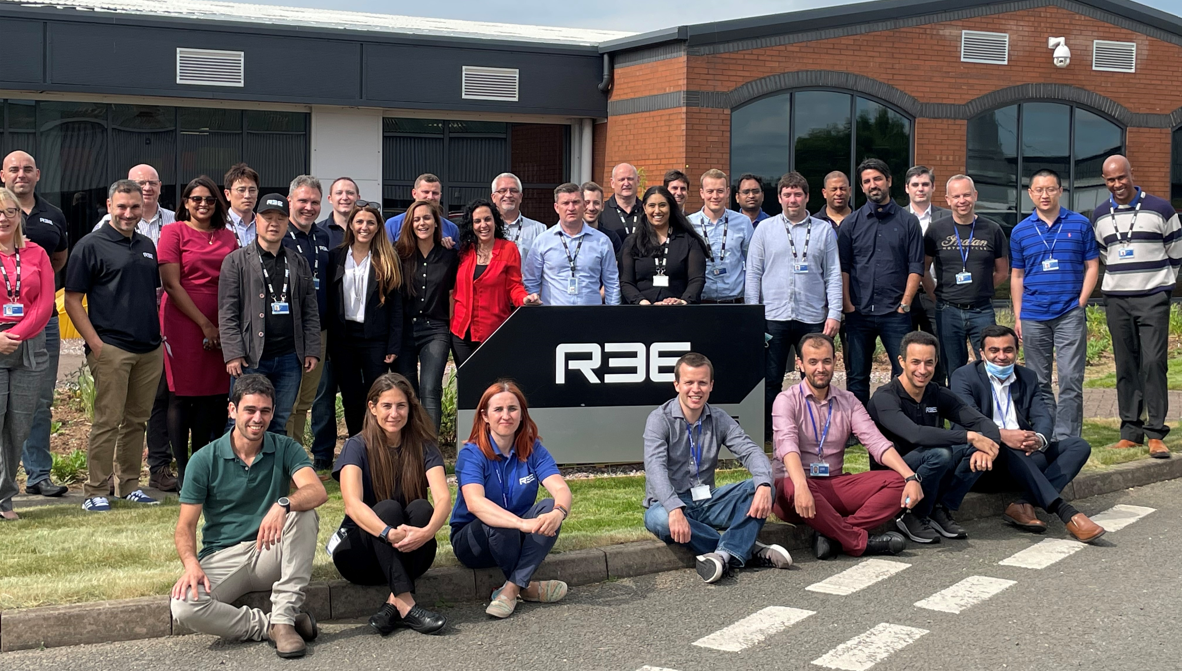
REE Automotive has announced that its REEcorner technology was awarded £12.5 million GBP funding from the UK government as part of a £41.2 million GBP investment, coordinated through the Advanced Propulsion Centre (APC). The investment is in line with the UK government’s ambition to accelerate the shift to zero-emission vehicles and de-carbonize the UK’s transport networks. The award funding follows an intensive vetting and selection process from which REE’s project and three other transformational projects were selected amongst dozens of companies. Together, the 4 projects could save nearly 32m tons of carbon emissions, which is equivalent to the lifetime tailpipe emissions of 1.3m cars. The investment will help drive energy-saving technology across a wide range of vehicles and propel forward a green economy recovery. The UK funds will allow REE to facilitate commercial production of its breakthrough REEcorner technology and ultra-modular electric vehicle platforms, including engineering design, validation, verification and testing and product homologation. REEcorner technology packs critical vehicle components (e.g. steering, braking, suspension, powertrain and control) into a single compact module located between the chassis and the wheel, thus enabling fully-flat EV platforms. REE’s ultra-modular EV platforms are designed to offer enhanced payload capacity by providing more room for carrying passengers, cargo and batteries and enhanced body design flexibility and autonomous capability. Ian Constance, Chief Executive at the APC says: “These projects tackle some really important challenges in the journey to net-zero road transport. They address range anxiety and cost, which can be a barrier to people making the switch to electric vehicles and they also provide potential solutions to the challenge of how we decarbonize public transport and the movement of goods. By investing in this innovation, we’re taking these technologies closer to the point where they are commercially viable, which will strengthen the UK’s automotive supply chain, safeguard or create jobs and reduce harmful greenhouse emissions.” Minister for Investment Lord Grimstone adds: “By investing tens of millions in the technology needed to decarbonize our roads, not only are we working hard to end our contribution to climate change, but also ensuring our automotive sector has a competitive future that will secure thousands of highly-skilled jobs. Seizing the opportunities that arise from the global green automotive revolution is central to our plans to build back greener, and these winning projects will help make the widespread application and adoption of cutting-edge, clean automotive technology a reality.” Mike Charlton, REE’s COO comments: “REE is honored to have been selected as recipient of the UK funding to support REE investment in the UK automotive ecosystem following an extensive vetting and selection process. With the opening of our Engineering Center in the UK in February this year, this reaffirms our commitment to the region and is in line with our plans for the mass production of our breakthrough REEcorner and electric vehicle platform technology. The UK is an ideal location for a pioneering automotive company like REE thanks to the country’s commitment to vehicle electrification which dovetails with our vision of propelling a zero-emissions, greener future for our generation and those to come.”

ECA questions new hydrogen strategy
The UK Hydrogen Strategy, issued by the Department for Business Energy and Industrial Strategy on 17th August, reveals that until 2030, hydrogen home heating will play only a marginal role in reducing carbon emissions. While initial publicity for the new Strategy has stated that 3 million homes will use hydrogen energy by 2030, further analysis of the Strategy suggests that less than 70,000 homes would be able to run on hydrogen by the end of the decade. ECA, the leading electrotechnical trade association, urges the early and ongoing roll-out of building insulation along with proven electrical and other engineering technologies as the best route to achieving the Government’s net zero targets. Luke Osbourne, ECA’s Emerging Technologies Advisor warns: “The recent IPCC Climate Crisis report underlines that we must not wait until 2030 before reducing carbon emissions from heating, which is the route map in this Hydrogen Strategy. Yes, we need to consider a range of zero carbon measures, but this Strategy may simply end up kicking the can down the road. We need to act now and roll-out the passive measures and technologies that we know will reduce carbon emissions, right away.” ECA supports the use of ‘green hydrogen’ (produced from water using renewable electricity) for specific energy applications. However, it is greatly concerned about the Strategy’s endorsement of ‘blue hydrogen’ which is derived from fossil fuels and which seeks to trap the associated greenhouse gas emissions. Last week a study by Cornell and Stanford Universities warned ‘blue hydrogen’ could be up to 20% worse for the climate than burning natural gas, owing to the escape of greenhouse gases during hydrogen production. Paul Reeve, ECA’s Director of CSR and Public Affairs adds: “Hydrogen may provide answers for some of our future industrial chemical requirements but, except at the margins, it doesn’t offer a viable route to a low carbon domestic or commercial heating, or for future vehicle transport. Low carbon electrical and energy storage solutions can deliver a more effective route to low carbon heating and transport, and these solutions can, and should, be brought into effect now”.

Fischer Future Heat introduces new electric vehicle charger
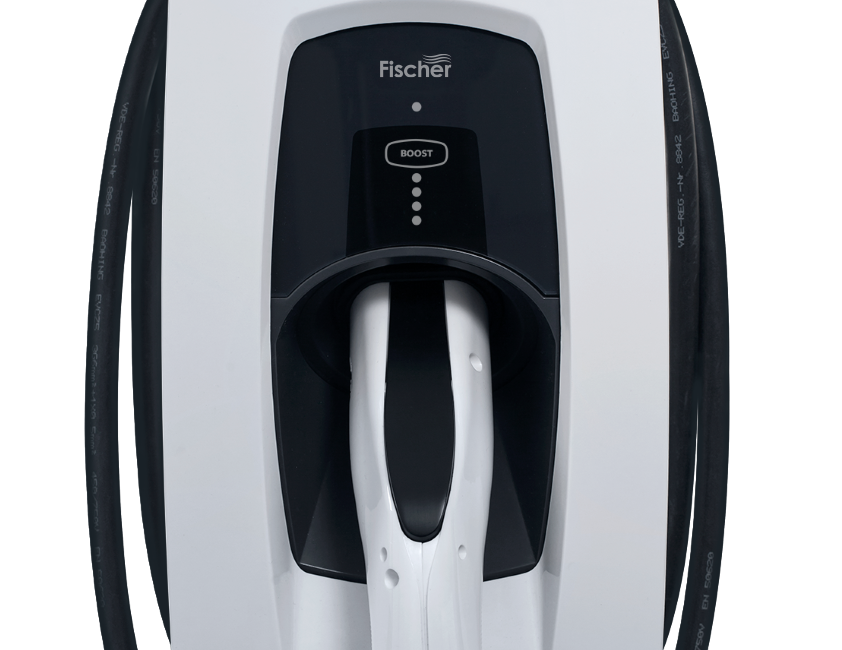
An electric home heating provider has supercharged its renewable status with the introduction of its new electric vehicle charger for homeowners. And the new smart system will enable customers to prioritise their electricity use depending on their needs. Fischer Future Heat, based in Leicestershire, has been a driving force in the push for an all-electric future. And boosting prospects on the renewable front, the business has now introduced the new Fischer EV – an electric vehicle charger that allows homeowners to lead a sustainable, clean energy lifestyle. As the government continues to work towards its net zero carbon targets, clean energy solutions are becoming an integral part of UK renewable plans. And with sales of EVs outselling diesel cars for the second month in a row in July, Fischer CEO Keith Bastian believes the new EV charger has come at a poignant point in time: “We are absolutely delighted to bring the Fischer electric vehicle charger to market,” says Keith Bastian, CEO of Fischer Future Heat. “As the passionate owner of electric vehicles, I understand how fundamental they are in achieving net zero carbon. It is our mission here at Fischer to provide the British public with innovative electric solutions that never compromise on performance or efficiency. Our new charger represents the next phase of this mission, and is a huge step in helping to build a clean energy future for all. “Our business is perfectly poised to help homeowners lead a more sustainable lifestyle, and our continuing innovation in the world of clean energy is a testament to that.” The Fischer EV is controlled via mobile app, providing homeowners with complete remote control of their vehicle charging. Working in combination with household needs, the system also allows users to input their electricity tariff details, ensuring vehicles are charged at the cheapest times in order to keep energy bills down. Furthermore, the new Fischer EV will enable customers to prioritise their electricity use depending on their needs using Dynamic Load Balancing technology, something no other electric vehicle charger offers as standard. The Dynamic Load Balancing technology will automatically adjust to balance against electricity usage in the home, for example the EV charger will switch to a low power mode when household appliances are on. Should motorists wish to prioritise their motoring needs, the Fischer EV charger also includes a boost feature, which temporarily overrides your charging schedule in order to ensure that your car is charged as soon as possible. Fischer Future Heat is working in conjunction with sister company Outfox the Market, to provide EV customers with renewable wind electricity. Fischer Future Heat is offering a Time of Use tariff exclusive to customers purchasing a Fischer EV charger. This exclusive tariff promises Fischer EV customers four hours of electricity at just eight pence per unit.

JTL launches free bite-size course on security systems
JTL is continuing to support the professional development of electricians with the launch of its latest, free bite-size digital course, ‘Introduction to Security Systems’. Part of JTL’s Power Up series - an initiative designed to further support the building services engineering sector by offering free advice and educational resources - the course is intended to help both apprentices and qualified electricians identify best practices for the installation of security systems. As part of this course, the learners will gain a comprehensive understanding around the wiring and configuration of security systems, as well as the knowledge surrounding system types and corresponding components. This course also explores the standards and definitions required for security systems, which will ensure efficient, safe conduct is upheld during installation. Designed to take a minimum of 30 minutes to complete, the course has been produced to facilitate the learner’s journey towards Continuing Professional Development (CPD) and is intended to increase workplace competency. Liam Sammon, director of learning and innovation at JTL, says: “As a charity geared towards helping electricians grow their skill-set, we are delighted to launch our latest, free, bite-size course on security systems. The course is highly practical and applicable and works well alongside additional JTL courses that may be of interest, such as our ‘Smart Homes’ and ‘Inspection and Testing’ courses. “At JTL, we are committed to helping both learners and trade professionals gain workplace competency and practical knowledge which will assist them in their professional development as electricians. The flexible, online delivery of the course is intended to make this course as accessible to as wide a group of people as possible, by allowing them to participate whenever and wherever is best for them. This, along with the other courses, can be accessed via mobile, tablet or desktop, meaning that each course can be completed at their own pace and at a time that suits them.” The Introduction to Security Systems bite-size digital course is now available on JTL’s new online learning portal.

£7.3 million power upgrade underway in Guildford
Investment is underway on a £7.3 million project to upgrade power supplies for thousands of residents in Guildford. UK Power Networks is future-proofing a local electricity substation that helps deliver safe and reliable electricity supplies to nearly 19,000 homes and businesses across the Surrey town. At an existing substation in the town centre specialist electrical engineering teams will build and equip a new electrical switch-house. The new equipment will then be connected to the existing network, which distributes electricity throughout the town. At the same time, two new large pieces of electrical equipment, known as transformers, will be installed and connected to the network. These play a crucial role in electricity distribution, stepping down voltage and safely delivering power to smaller electricity substations and properties. These transformers will increase the network capacity for Guilford, securing the future growth of the town. Anthony Griffin, project manager at UK Power Networks, says: “This is a major investment in the infrastructure for Guildford. This will help us to continue serving residents with reliable electricity supplies well into the future. “We are future-proofing the electricity network by modernising the equipment which delivers power to local homes and businesses. There will be automation on the equipment, so that it can be remotely controlled by our engineers, making power supplies even more resilient.” The work will take place within UK Power Networks’ existing substation and is due to continue until next autumn. As the new equipment is energised, the existing equipment will be switched off, having been well maintained and served the residents of Guildford for many years. The investment in Guildford is part of £600 million the company will invest this year in its electricity networks. UK Power Networks maintains the network of cables, substations and power lines that deliver electricity to 8.3 million homes and businesses (a population of about 18 million people) across the South East, London and East of England.