2 November 2026
Product of the Month: Amari Floodlight range by Aurora Lighting
 
24 November 2026
JTL celebrates opening of new Tyneside training centre
 
24 November 2026
LiGHT 26 welcomes record number of visitors to fifth event
 
23 November 2026
Advanced acquires communications specialist Baldwin Boxall
 
23 November 2026
Trades face 'skills squeeze' as apprenticeship demand soars
 

Latest News


Ventola on course for entertainment and leisure industry reopening
An LED lighting firm has bolstered its reputation in the Family Entertainment Centre industry following a raft of project wins across the world. And the news follows a period in which many facilities in the sector have been renovating their venues ahead of lockdown measures easing. Leicestershire’s UK based Ventola Projects has been in hot demand during the past twelve months, as entertainment venues enlist the lighting expert to modernise their facilities in COVID-conscious times. And now, with the next set of lockdown measures set to be eased this month in the UK, and similar procedures taking place across the world, the lighting specialist is set to hand venue operators a cost-efficient, timely and modern entertainment offering to entice customers back. Playing its part in multi-million pound refurbishment projects, Ventola, which has distribution models set up in the UK, US and Middle East, has recently secured wins with Bowl Incline, an FEC remodel project near Lake Tahoe (USA), as well as securing a contract to supply LED lighting to a number of FEC venues in Saudi Arabia, later this year. “This has been a tough time for venue operators,” explains Ventola Projects founder Mick Ventola. “Not only have they had to contend with months behind closed doors, but also, they know customers will be looking for something fresh, exciting and modern when they reopen. Simply reopening your facilities as they were won’t cut it in a market where competition will be fiercely contested. “I’m delighted that we’ve been able support in some way, providing economically sound and attractive lighting features that will help the industry get back on its feet.” Ventola’s specialist VAvR lighting is a multi-function LED system that can switch from general white to colour changing mood lighting and glow effects. Computer controlled and low voltage, they save venues such as entertainment complexes, leisure parks and bar operators time and money. In the UK, the business enjoys a fruitful relationship with Ten Entertainment Group, the parent brand of Tenpin, with Ventola installing his signature system at the operator’s Manchester Printworks and Acton venues towards the end of last year. And now, the Leicestershire firm is on a sweep of Tenpin outlets across the country, helping to ensure lighting operations are ready for the proposed lockdown easing opening date of May 17th. “Upgrades and venue facelifts are necessity in this market,” adds Ten Entertainment Group CEO Graham Blackwell. “To this end, we’ve been delighted to have Ventola onboard, whose products help to distinctly modernise the entertainment experience and will excite our customers upon their return.” Ventola, a Midlands Engine Export Champion for 2021, completely reengineered his VAvR system last March, delivering efficiency tweaks and less impact on the environment compared to traditional older lighting products. He also introduced an experiential projection system, which overlays in-game advertisements and exciting mini games into the bowling experience, helping to peak operator and guest interest in competitive times.

Homeowners urged to review home security during lockdown
Despite the vast majority of Brits spending more time at home than ever before, recently released data has revealed that 356,000 homes were broken into last year, prompting security experts to issue warnings surrounding improving home security during lockdown. According to a recent study, 64% of burglaries in England and Wales happen while residents are on the premises. Speaking directly to the culprits, when asked which were the best deterrents, twelve former burglars voted CCTV as the most effective, followed by the sound of a dog barking, security lights and fences. With its range of CCTV systems covering entry level CCTV kits right through to the more sophisticated IP CCTV solutions, leading security solutions supplier, ESP, has something to suit all requirements. For the installer there is scope to offer homeowners a starting from scratch system or an upgrade of an existing system to a more sophisticated solution and for the wholesaler, there is a breadth of choice to help boost sales. The RekorHD range from ESP is an ideal system for those homeowners looking for a premium quality CCTV system that is very competitively priced. These 4-channel CCTV 1080p Kits are packed with features, but come with an affordable price tag, making them ideal entry level products. They are designed with ease of set up as a key feature, including the option for remote monitoring via smartphone or tablet, using ESP’s specially developed ESP View APP.  So, whether they are working from home or in the office, users are able to keep an eye on their premises. The RekorHD kits have just been the subject of a revamp and now include new and improved cameras, which feature contemporary styling and robust metal housings. The infrared capture has been increased from 20 to 30 meters and the range now includes intelligent function, with perimeter intrusion detection and line crossing detection offering improved functionality compared with the traditional motion detection feature. There are 2 and 4 camera kits available, and they include a 4-channel DVR, premium quality surveillance hard drive, cameras, camera cables, system power supply, mouse and HDMI cable. The menu is designed to be very user-friendly and is navigated via mouse control, making it an easy sell to customers. For those willing to invest in a more sophisticated security solution, or are keen to upgrade an old system, there is the ESP HDView range of 4 Megapixel CCTV systems. These offer an upgrade from 1080p (2 Megapixel) to 4MP to give users a higher density of pixels to produce a super high definition image clarity. The HDview 4MP range was developed to bring to market a complete collection of superior quality, high end CCTV products that offer greatly improved image specification, while also benefitting from a contemporary look that is being demanded by more and more end users. At the top end of the market for domestic CCTV solutions is the latest IP POE CCTV technology. This is designed to offer superior, reliable and straightforward installation solutions.  ESP’s REKOR IP 2 Megapixel range features POE (Power-Over-Ethernet) which enables the camera and power feed to be wired in Cat5e cable up to 100 metres without the need for additional power, which makes installation much more convenient. A single Ethernet cable provides both the power and the HD digital feed, with just one cable per camera and multiple cameras can be installed anywhere on the network that the NVR is connected to. The NVRs are packed with features, such as remote monitoring via the ESP View App, H265 compression, motion record activation and they are supplied with quality surveillance hard drives for peace of mind.

Rishi Sunak meets industry representatives to discuss transition towards low carbon heating
Rishi Sunak, MP for Richmond (Yorks) met with representatives from organisations with an interest in low carbon heating, all working together to better prepare the supply chain for the changes which are set to take place over the next few years as we transition towards a low carbon future. The meeting was arranged and hosted by GTEC at their training centre in Rishi Sunak’s constituent area in Hawes, North Yorkshire. It allowed organisations to demonstrate their efforts to simplify the journey for installers looking to enter the low carbon heating market. From Awarding Organisation (LCL Awards) who develop qualifications that could be delivered by a training provider (GTEC Training) delivering courses to installers and preparing them for assessment by a certification body (NAPIT) in order to join a certification scheme (MCS). This collaboration resulted from the Renewable Heat Installer Support Scheme (RHITSS). RHITSS offers vouchers to provide up to 70% off the cost of becoming a renewable heating installer, and proved to be immensely popular with 1,000 vouchers, claimed within 10 days of the scheme opening. The visit coincided with confirmation from Midlands Energy Hub and BEIS that the RHITSS scheme has had its deadline extended to 30th September 2021. The extension was granted in recognition of the difficulties that some candidates have had in securing a place due to COVID restrictions (previously it was May 14th.) With the Prime Minister’s announcement just last week confirming the Government will bring forward the current target for reducing carbon emissions by 15 years, setting in law the requirement to cut carbon emissions by 78% compared to 1990 levels by 2035 rather than 2050- it is clear that this is an area of high importance to the Government. Rishi Sunak, MP for Richmond (Yorks), who was delighted to be able to visit a constituent company comments: “The RHITSS scheme has been a great success; GTEC has been able to pull together many different parts of the low carbon sector to deliver this ambitious programme very quickly. It’s been great to meet a local company playing their part in such an important national cause.” David Cowburn, Chief Operating Officer at NAPIT says: “I was delighted to be given the opportunity by GTEC to meet Rishi Sunak and discuss the pathway towards a zero-carbon world, and the important role installers will play in achieving this. RHITTS has been a great example of government and industry working together and further such collaboration will be needed to meet the carbon reduction ambitions, especially if the Government ambition of installing 600,000 heat pumps a year by 2028 is to be met which will require an additional 17,000 installers within the next 10 years. It was great to see how engaged Rishi Sunak was in the low carbon future narrative, and we look forward to continuing to play a collaborative role within industry to make the certification of renewable energy installers as straight forward as possible, whilst retaining high standards.”

Electricians are among the most in-demand professions of 2021
A new study by Paymentsense has found that electricians are among the highest increase in-demand for job vacancies. Paymentsense also analysed job boards across the UK and search trends to pinpoint exactly where these increases were happening and what industries are hiring the most for remote work. Over the past year, the job market has changed a lot, with more importance placed on key workers while much of the public have discovered that they can work remotely from home. This study delves into how the market has changed during the pandemic. Rank Job Titles Number of Roles 1 Courier 3,381,922 2 Sales 1,708,660 3 Customer Services 1,517,683 4 Teacher 964,039 5 Project Manager 866,728 6 Cleaner 783,140 7 Government Employee 640,012 8 Mechanic 505,865 9 Electrician 492,926 10 Software Developer 325,702   As the growing demand for installing new smart and green energy technologies rises, the need for the skilled trades people increases also. A study by Electrotechnical and Skills Partnership demonstrated that between 12,500 and 15,000 skilled electricians will be needed over the next five years to accommodate forecasted growth. When looking at the data pulled by Paymentsense it is a clear reflection of the demand needed, as 492,926 roles have been advertised. The most in-demand job roles were, however, couriers, as online orders reaching a record high last year, it’s no wonder that tan incredible 3.3 million job vacancies were advertised in 2020, seeing a 13.94% increase compared with the beginning of the year. Salesmen followed closely behind with 1.7 million jobs announced last year although the role has seen a decline from January 2020 to January 2021 with a 41.53% decrease in adverts.

Holyrood candidates back regulation of industry at CICV hustings
Regulation of the construction industry is essential for a safer and more productive future, election hopefuls from Scotland’s main political parties told a special digital hustings hosted by the Construction Industry Coronavirus (CICV) Forum. The importance of skills and training in the industry also won unanimous cross-party agreement from panellists during the exclusive event held online this week. Support for reform of procurement practices and a review of VAT on domestic repairs were other positive talking points – supporting the Forum’s own manifesto suggestions for ways to improve the industry. The hustings, held via webinar on Tuesday 27 April, featured five candidates currently facing election to the Scottish Parliament: Carole Ford, Scottish Liberal Democrats Monica Lennon, Scottish Labour Laura Moodie, Scottish Greens Alexander Stewart, Scottish Conservative and Unionist Kevin Stewart, SNP. Answering questions from senior Forum representatives and members of a selected audience, all panellists agreed that regulation was essential for the future of the construction industry. Kevin Stewart says: “It should be the aim of all of us to drive up standards and safety and build trust in people doing day to day work. Why is a security guard a regulated professional when a plumber is not? “We need to have real debate about the regulatory issues, and a consensus about moving forward on regulation. The Grenfell Inquiry highlights the need to have occupations regulated to keep people safe and give public confidence in construction work.” Ms Ford agreed, saying: “Professional regulation’s primary purpose is to protect the public, maintain high standards and protect qualifications and standards in the sector. “The cowboys are doing no favours to those who are properly qualified, so we are totally committed to all measures which would support consumers and protect standards and professional qualifications, and totally in support of having a well-regulated, well respected construction industry which has the confidence of the public.” Also in favour of regulation was Ms Lennon, who states: “It is important that qualified tradespeople are recognised for their experience and their competence, meaning the public will have confidence in who is coming into their homes or workplace. “It makes sense to give people confidence in their work and that they will work safely and have pride in what they do, so we fully support measures to improve regulation and improve public safety.” Training and apprenticeships ‘vitally important’ The importance of skills, training and apprenticeships in the sector was another topic on which all panellists were in full agreement. Alexander Stewart says: “Economic growth is the cornerstone for this recovery, and construction plays a vital role in that. Skills and training apprenticeships are vitally important and we fundamentally believe that there should be more funding put into it. “We want to bring people back and get more new people into the industry and ensure that women have more opportunity to become more involved. We also want economic growth, which will only come about through investment in training and support mechanisms.” Ms Lennon concurs: “Jobs are at the top and at the heart of our manifesto and our vision for the next five years is a roadmap to recovery that focuses on skills – up-skilling, re-skilling and how we can support local government to take on apprentices and use a talented workforce in Scotland to retro-fit homes to tackle fuel poverty and create new jobs in construction and manufacturing.” Procurement ‘a bugbear that needs resolved’ Questions on procurement reform had been raised by several Forum members ahead of the husting – and again, all five panellists were firm in their convictions that change is needed. Ms Moodie says: “We believe public procurement could be a real growth boost for small, local businesses that are socially and environmentally responsible and we are committed to reforming procurement requirements that could fulfil that. “We want to make sure Scottish businesses capture more of the supply chain opportunities, especially from the rise in the growing renewable industry and I believe there is a lot of room for improvement in terms of accessibility and use of online procurement tools. We would also like to see more support for small businesses so they can compete on a level playing field with bigger companies in terms of bidding for the work.” Both Mr Stewarts agreed that public sector procurement should focus on “best value and not cost” – a key part of the manifesto released last month by leading Forum member SELECT. Ms Lennon adds: “Procurement is quite simply a bugbear that needs resolved and there are huge opportunities around local engagement and low carbon innovation. SMEs are the lifeblood of our economy and we will reorient ate procurement to make sure it works for businesses in Scotland.” VAT rules ‘a burden on business’ The Forum’s manifesto proposals to mitigate the imposition of VAT on domestic repairs, innovations, and green energy projects, gained the support of all the candidates. Ms Moodie says it was a “burden on businesses” when they were trying to expand and develop, while Ms Lennon said any changes would unlock plenty of opportunities. Ms Ford agreed, adds: “The current VAT system is regressive and holding back demand for vital energy efficiency improvements and retrofits.” Kevin Stewart was also in agreement, adding that VAT was not a devolved matter but that he wanted it reduced or abolished for refurbishment repairs and regeneration projects. Homes ‘need to be fit for purpose’ Panellists also responded to one audience member’s point that a recent survey revealed that 52 per cent of homes are not wind and watertight, with £3.8bn spent annually on their repair and maintenance. Ms Ford replied that in the west of Scotland the factoring issue in tenements needs looked at as well as that of owners’ responsibilities, saying: “The Edinburgh solution has its own problems, but owners and the responsibilities of multi-occupancy properties needs reviewed.” Kevin Stewart spoke of “educating people” about the importance of properties being wind and watertight and the need to be ambitious in helping more, while namesake Alexander added: “Homes need to be fit for purpose and there is a need to invest in the sector.” Praise for ‘collective expertise’ Finally, there was one more thing all the panellists agreed upon – the excellent work of the CICV Forum. The unique collective was formed in early March 2020 in response to the urgent COVID-19 threat and now comprises 29 leading construction trade and professional associations. Alexander Stewart says: “It’s so important that the Forum is at the table as you have boots on the ground and work closely together to get the plans put into place. All the ideas in the CICV Forum manifesto are very good and we would support you in achieving them.” Ms Ford agreed, saying: “The level of detail in CICV Forum documents is only possible because of your collective expertise. Working together has generated documentation that is a lot better than if carried out by one organisation.” Kevin Stewart adds: “The Forum has been at forefront of promoting working safely and long may it stay at the table with government. In particular I would like to pay tribute to the construction character Campbell who has been used to promote messaging through your clever use of social media.” Forum actions include lobbying the Scottish Government to influence policy and push for positive action, as well as providing expert advice on important sector issues including commercial, employment, planning, skills, and health and safety. Hustings ‘a resounding success’ The hustings format was the brainchild of Gordon Nelson, Scotland Director of the Federation of Master Builders, a key member of the Forum. He says: “From the feedback we have received from the sector, it was clear that the hustings event was a resounding success and generated a wealth of constructive and thought-provoking answers from our panellists. “It proved also that construction is very much at the heart of Scotland’s recovery, and that all parties are committed to rebuilding together and investing in a safer and fully skilled industry that will benefit the whole nation.”

Niglon catalogues its expanding ranges
Niglon has launched two new catalogues to keep customers up-to-date with its latest offerings. The Midlands-based family-run firm has recently published the third issue of its general catalogue, featuring thousands of products covering six core areas: circuit protection, wiring accessories, industrial accessories, cable management, general lighting, and fixing and tools. In addition, its specific control and automation catalogue, which includes a further 600 products, has also been launched in print and online. There are a total of five ranges covering enclosures, motor control gear, relays, enclosed switchgear and panel components. Niglon’s Commercial Director, Paul Dawson, says: “We are committed to expanding our product ranges so that our wholesalers – and their customers too – are able to benefit from selecting all the products they need from one source. “For us, it’s never about quantity over quality though; we are proud to stock products which have been thoroughly and independently tested to ensure the utmost in safety standards. And we’ve invested millions of pounds into research and development so we can guarantee the quality and reliability of our products. “We’re thrilled to be able to showcase our new products in these two catalogues, alongside our existing products which are known and loved by wholesalers and contractors across the UK.” The digital version of the catalogues are available on the Niglon website.

Farmers and lorry drivers on track for new safety pledge
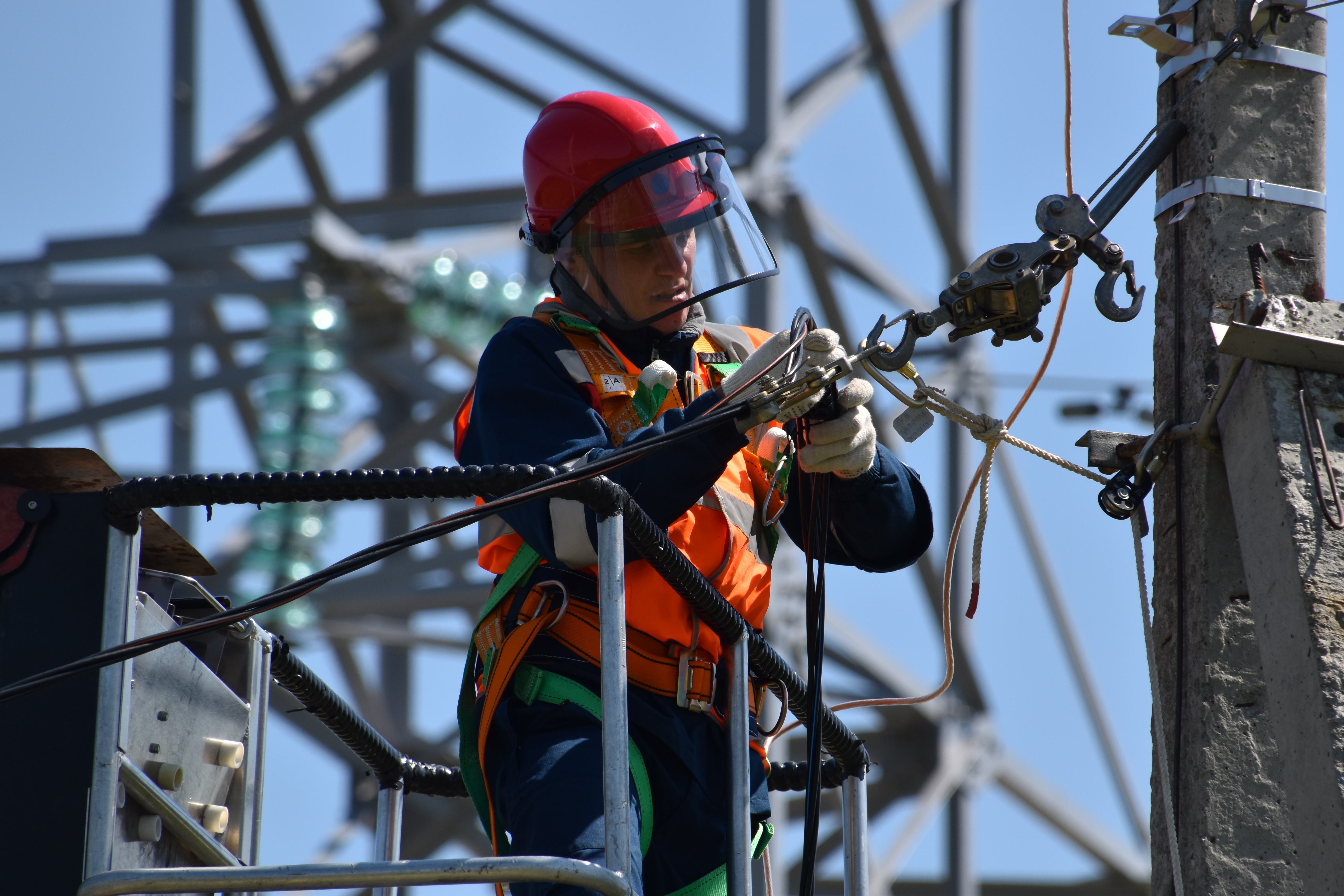
The country’s biggest electricity distributor has launched a new initiative designed to save lives, by talking to people most at risk of coming into contact with overhead lines. UK Power Networks say the four groups with the highest number of safety incidents around overhead power lines during the past five years, have been road hauliers, farmers, tree surgeons and builders. Figures for 2020 show that 44% of overhead line incidents were through road hauliers, 18% were farmers, 16% tree surgeons and small or self-employed builders made up 12% of the tally. The new ‘Think, Plan, Locate’ initiative will see UK Power Networks join forces with others, including both the national Road Haulage Association and the National Farmers’ Union. With lockdown easing across England, safe working procedures to reduce the risk of accidents near overhead power lines are essential. These include maneuvering, loading or unloading vehicles which risk coming into contact with electrical equipment. Touching high voltage cables can be fatal. Accidental contact with live overhead power lines kills people and causes many serious injuries every year. People are also harmed when a person or object gets too close to a line and a flashover occurs. Ros Forbes, a safety advisor at UK Power Networks which owns and runs overhead electricity networks across the East and South East of England, comments: “Safety is our number one priority and we saw a rise in incidents when lockdown eased last summer, so it’s timely to remind people again of the dangers. “Our research has shown us the trades and professions most in danger and we sense that a focus on being COVID-secure has led to less of an emphasis on electrical safety in some areas. “This new ‘Think, Plan, Locate’ initiative builds on the work of our ‘Be Bright Stay Safe’ pledge and is there to remind people to concentrate on their safety. We want to prompt collaborative working and positive conversations about safety which, ultimately, will help save lives. “Taking time to plan, informing workers and contractors where the power lines are, being prepared and focusing on the on the way you work, can help keep people safe.” Pete Short, head of business development for the Road Haulage Association says: “You can never be too careful when it comes to working near power lines, as one momentary lapse or wrong move can be fatal. “We urge firms to make sure their drivers and other staff are aware of the risks of working in and around electricity networks so they can do everything they can to keep themselves and others safe every time.” Tom Price, farm safety and transport advisor for the National Farmers’ Union says: "Almost all contact incidents can be avoided altogether – the key is planning. Find out where power lines are and make sure everyone knows – workers and contractors. “You should know the height and reach of machines and the height of lines. If you suspect lines are low contact UK Power Networks and ask them to check – the service is free. “Our advice is don’t rely on GPS and other tech to avoid lines – you must always be alert when driving any machine near a line.”

Cable pathways regulatory landscape made easier thanks to guide
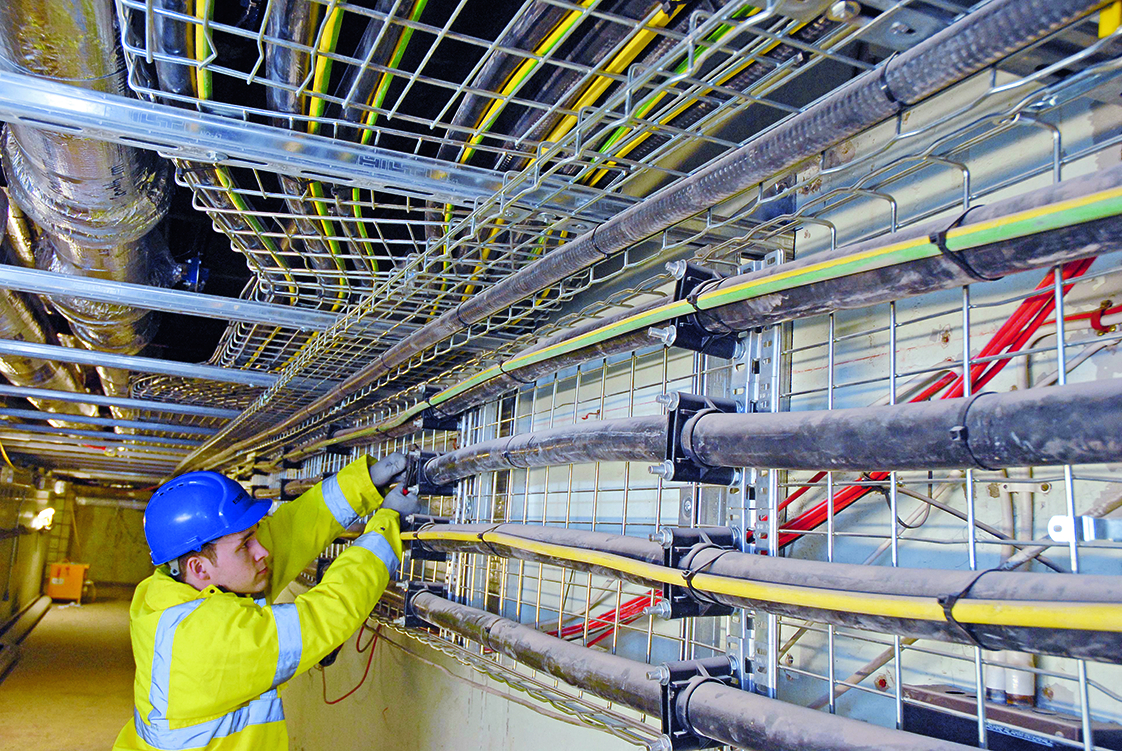
A new guide that outlines the key updates relating to cable pathways has been launched by Legrand UK & Ireland, following updates to a number of key industry regulations. The guide – Creating Cable Pathways – follows recent updates to the IET Wiring Regulations, as well as the release of the Dame Judith Hackitt Independent Review of Building Regulations and Fire Safety Final Report. It has been launched to provide electrical installers with assistance and recommendations on how to best specify cable containment systems, explaining how to create a cable pathway through a building while navigating the current standards landscape. The guide provides the relevant information key stakeholders such as architects, designers, consultant and electrical contractors need to know. Mark Williams, Lead Marketing Manager – Cable Management for Legrand UK & Ireland, says: “Legislative updates can often be a minefield for electrical professionals, but the consequences of not meeting guidelines can be significant. Our paper provides installers with everything they need to know on the updates, to ensure cable pathways are completed effectively and safely.” The short guide provides an overview including fire safety in design, management and use and the Construction Products Regulation (CPR). It also explains the relevant changes to the BS 7671:2018 IET Wiring Regulations 18th Edition, which include: Protection against thermal effects Locations with risk of fire due to the nature of processed or stored materials Selection and erection of wiring systems Wiring systems to minimise the spread of fire Mark adds: “Safety excellence in wiring has been heightened in recent years and wiring systems must be adequately supported against their premature collapse in the event of a fire. As the built environment continues to evolve, installers must ensure they have absolute knowledge of the changes to fully equip themselves and their projects against hazards.” In addition to the guide, Legrand has also created a CPD – 'Creating a Cable Pathway Through a Building' – which brings relevant updates together to offer guidance on how to create effective cable management pathways. The CPD, which can be delivered online, has been designed for professionals – both experienced and new to the industry - looking to upgrade their skills and refresh their knowledge.

SolarEdge launches smart modules for the UK residential market
SolarEdge is bringing its vision of increased energy sufficiency for UK homes a step closer with the introduction of its Smart Module series with integrated Power Optimizers. The launch marks the first availability of SolarEdge Smart Modules in the UK and represents an important milestone in the company’s strategy to provide residential customers with a holistic, end-to-end home solar energy management solution. SolarEdge’s advanced DC-optimised inverter and Power Optimizer solution overcomes the limitations of traditional string-based PV systems to deliver more energy output, reduce maintenance costs and mitigate safety risks. The new SolarEdge Smart Modules combine the benefits of the company’s Power Optimizers with the latest split-cell PV module technology to deliver increased power output in a highly durable and easy-to-install package. Available for order now, the range includes a choice of 355-360W all-black modules for more aesthetically appealing roofs and 370W black-framed modules for system owners looking to generate even more power from their solar installation. Christelle Barnes, UK Country Manager at SolarEdge, comments: “We’re excited to introduce our Smart Module solution to the UK, following a roll-out in Australia and across Europe. Since 2006, SolarEdge has invested heavily in developing industry-leading solutions that enable residential and commercial customers to harness the full power of solar technology, driving down their energy costs and carbon footprint. Today’s announcement marks the next stage in this journey.” SolarEdge Power Optimizers increase energy output from solar installations by constantly tracking the maximum power point of each module, thereby reducing the mismatch power losses that typically occur in traditional string inverter systems due to issues such as shading or soiling. The SolarEdge topology also enables more efficient use of all available roof space. This allows the maximum number of modules to be installed, ensuring the system produces the most energy possible. Other customer benefits include the ability to track the performance of solar installations at a module level via SolarEdge’s cloud-based Monitoring Platform. This ensures that in the unlikely event of a problem, the source can be quickly identified and remedied, keeping energy losses to a minimum. Meanwhile, peace of mind is provided by a raft of inbuilt safety features. This includes SafeDC which provides automatic module-level voltage shutdown should the install need to be accessed, for example during installation or maintenance or in the unlikely event of a fire. The Smart Module solution is also designed with ease of installation in mind. Benefits to installers include reduced installation time and costs as there is no need to mount the Power Optimizers separately, improved cable management, and streamlined logistics with fewer parts to order, easier servicing and a single product warranty. Additionally, for simplified operation and maintenance, serial numbers are located on the front of the Smart Modules. This enables easy scanning of both the Smart Module and Power Optimizer and facilitates faster mapping of the physical site layout in the Monitoring Platform. Barnes concludes: “Residential customers all over the world are looking for higher performing, more reliable solutions that enable them to harness the power of solar. At the same time, SolarEdge remains committed to helping installers work more efficiently and more profitably. The Smart Module series meets these needs by offering the proven benefits of our DC-optimised solution in an aesthetically-pleasing and easy-to-install package. With this launch, we are now a step closer to achieving our goal to provide residential customers with an end-to-end solar energy management solution that can grow in line with their evolving energy needs.”

The free tools electrical contractors can not afford to ignore
As the final deadline for the new PRS legislation in England came into force on April 1 2021, calls to NICEIC and ELECSA’s technical helpline peaked at over 600 calls a day, a figure which is more than double the daily average seen during the same period last year. The majority of the call volume came from contractors seeking clarity on the rules relating to EICRs and guidance on appropriate coding. In addition, there was also a significant increase in calls from landlords and letting agents who were again seeking advice on the rules, particularly concerning enforcement during the pandemic. Sam Donaghy, NICEIC and ELECSA’s Technical Helpline Manager, says: “In the run-up to the deadline for carrying out electrical checks in the PRS, the calls increased significantly. From the conversations myself and my colleagues were having, it was clear, despite the deadline being set in 2020, many landlords had left it to the last minute to comply. A situation which, of course, wasn’t helped by COVID-19. “Many of the questions from contractors related to appropriate coding on EICRs which, as we all know, are not always straight forward, while landlords sought guidance on the legislation itself.  In both scenarios, we signposted callers to the NICEIC website. “Here we outlined the latest government advice which promotes the use of free materials such as Electrical Safety First’s Best Practice Guide 4 and the Wiring Regulations Advisory Groups (WRAG) FAQ’s.” Issued by MHCLG on April 1, the latest Government advice confirmed the planned implementation and timings of the PRS legislation would not change. Recognising the impact of COVID-19, the guidance went on to discuss renting during the pandemic. In this general guidance, MHCLG called for a pragmatic risk-based approach to enforcement during COVID-19. The advice also signposted Electrical Contractors and Landlords to resources relating to undertaking EICRs and correct coding. The two reference points given were Electrical Safety First’s Best Practice Guide 4 and the WRAG FAQs. “We welcome MHCLG’s promotion of the Best Practice Guide 4 and WRAG FAQs comments Martyn Allen, Electrical Safety First’s Technical Director, “Offering industry agreed best practice guidance on EICR coding and the application of BS 7671, these resources have been created to support the industry as collectively we strive to maintain standards, provide consistency for inspectors and installers, and protect the consumer. Free to download and easy to follow, the Guides are available via our website or through the links provided on NICEIC’s PRS page.” “If you are an Electrical Contractor undertaking electrical safety checks I urge you to download your free copy today.”