2 November 2026
Product of the Month: Amari Floodlight range by Aurora Lighting
 
11 November 2026
Energy, AI and smart buildings: register now for EMEX 2026
 
11 November 2026
Solar and batteries could cut electricity costs by 40%, data finds
 
11 November 2026
EIC confirmed as ECN Awards 2026 charity partner
 
11 November 2026
Acrospire to support Green Frog's European expansion
 

Latest News


New Business Development Manager to support Seaward’s US growth
Seaward Electronic has appointed a new member to its sales team to support expansion of its US operations. James Durrence joins as Business Development Manager and will be working alongside the company’s senior leadership team to develop further existing markets and secure new sales across on the back of products, new launches and technical innovation. In joining Seaward Group USA, James Durrence will be part of a team based at the company’s Tampa Bay, Florida head office at a time when the market for electrical safety test products in North America which includes renewable energy and healthcare, is seeing significant growth and investment. He says: “Seaward has an unparalleled reputation and presence in the industry at a time when the US market is rapidly growing. I look forward to working alongside a team focused on providing high quality products, unsurpassed customer service, and technical innovation to meet the highest quality standards. “This is an exciting time to join and the opportunities to develop Seaward’s position further are huge. The company can go in many directions but with its reputation, every direction could lead to a new world of opportunity.” Sean Daley, Vice President and Chief Operating Officer at Seaward USA, comments: “I look forward to working with James as we continue to invest and strengthen our US operations. His appointment comes as we are seeing success and an expanding customer base, which requires growing access to the latest technical and business support skills.”

Aico launches new City & Guilds Assured qualification
Aico has expanded its educational offering with the launch of its City & Guilds Assured qualification on Domestic Fire & Carbon Monoxide (CO) Alarm Systems. Aico places education at the forefront, promoting best practice and delivering a range of free training for its supply chain across the UK. To further support its customers, Aico says it is proud to introduce its City & Guilds Assured qualification - a global quality benchmark that recognises excellence in training and learning. The qualification is a continuation of Aico’s FIA CPD-accredited Expert Installer training, which provides installers with the essential knowledge to correctly install Aico Fire and Carbon Monoxide Alarm Systems and Environmental Sensors. To provide participants with a detailed understanding, this one-day course, AA2426-01, focuses on the design, installation, maintenance, interconnection, siting, and electrical connection of Aico domestic alarm systems. The qualification has a mixture of theory-based and practical sessions and concludes with a multiple-choice assessment, that must be successfully completed to earn the City & Guilds qualification. Duncan Orr, Regional Specification Manager for NI & IOM and Supply Chain Education Lead, comments: “At Aico we are passionate about education. It is a cornerstone of our business, with tens of thousands of participants having received our award-winning, FIA accredited, Expert Installer training. In an ever changing and fast-moving landscape, the City & Guilds assured AA2426-01 course builds on this foundation and takes our educational offering to the next level. It is our privilege to bring this City and Guilds Assured qualification to the market and continue to promote the raising of standards, knowledge, and competence in the life safety industry.” To be eligible for the City & Guilds Assured qualification, participants must have completed Aico’s Expert Installer training and be a member of the Aico Installer Community – a connected online platform built to support expert installers.

Mental Health Month: Support from the EIC
This Mental Health Month, the Electrical Industries Charity (EIC) is focusing on the impact addiction has on people’s lives, work, and relationships. The most common addictions in the UK are tobacco followed by alcohol. Addiction is a mental illness and can be a contributory factor in the development of other mental health conditions such as depression, anxiety and psychosis. It’s a common problem, but help is available. Brian had felt a profound sense of loss since his fiancé had died many years ago. As a result, his solution for dealing with emotional pain had been to consume alcohol. He went on to get married and have a child, but after years of animosity and arguing, he and his wife finally separated. The EIC supported him in getting his own place to live, but when he did, his use of alcohol spiralled out of control. Brian started drinking every day and this went on for months before he settled into a binge-drinking pattern. He could go for months without a drink, but whenever anything major happened in his life, he returned to drinking heavily. One binge session lasted eight weeks. He started to feel suicidal and would hide in a cupboard under the stairs if he heard anyone approach his front door. Eventually, Brian decided enough was enough. He had lost three and a half stone and he desperately wanted to be there for his seven-year-old autistic son. After discussions with the EIC, he went into a community detox programme and returned to work. His wife was dropping off his son one night when Brian saw someone else in the car with them. This was enough to make him lose control again and resulted in him not being able to see his son for a month. Feeling isolated with no family and few friends left, he started drinking heavily again. When he spoke to the EIC late one Saturday night, Brian had reached his lowest point. He didn't think he could make it through another day. We booked him straight into rehab. We organised the medical treatment he needed to cope with the effects of alcohol withdrawal and to prevent him from having any seizures. After a month in rehab, we helped Brian to find a new flat, paying the deposit and two months’ rent. He is now going to regular AA meetings and living his life without alcohol. Brian is grateful to the EIC for helping him get his life back on track and giving his son his father back. He now has a full and proper relationship with his son, enjoying go karting, swimming and the cinema. He says he wouldn’t be here today were it not for the help provided by the EIC. The help Brian was able to access is due to the support of the EIC and the powerLottery. It means he got the treatment and support he needed to address his addiction and get his life on the right track, and relationship with his son back. Without powerLottery, the EIC would not be able to offer support to people like Brian. That’s why we need you to become a powerLottery player to help EIC to continue supporting our industry members. powerLottery is the only lottery made for our industry by our industry. It gives players 40 chances to win cash prizes ranging from £50 to £1,000 every single month. A £10,000 draw bi-yearly gives you even more opportunity to win BIG. A new car, a holiday in the sun, a kitchen re-fit or a brand-new wardrobe… Think of all the different ways you could spend £10,000.

Ansell adds UK-first innovation to its emergency exit range
Ansell Lighting has added two game changing new exit products to its extensive range of emergency lighting. The unique Adler LED Exit Sign and Adler Slim Exit Box are versatile luminaires used to mark fire exit locations. An essential lighting option for use in commercial and public buildings, emergency exit products are required by law to ensure that people can easily find the quickest route to safety in the event of a fire or similar emergency. Adler LED Exit Sign The first of its kind registered design of the Adler LED Exit Sign features fully rotatable legends which allow the direction of the arrow indicators to be changed as required, making the luminaire extremely versatile and adaptable. Suitable for installation in almost any setting, the fitting has been innovatively designed to offer five different mounting options - ceiling, wall, recessed, suspended or side arm wall. Available in both a black and white polycarbonate casing, the Adler Exit Sign has an LED lifespan of L70, 36,000 hours and delivers 25m viewing distance in dark environments. Low maintenance, Ansell’s intelligent self-test emergency technology is also integrated within the luminaire, eliminating the need for manual testing. Instead, it conducts routine functional and duration testing automatically and in-line with legal standards. Powered by LiFePO4 Lithium battery, the Adler LED Exit Sign comes with a five-year product warranty and five-year battery warranty for added assurance. Adler Slim Exit Box Suitable for surface mounting, the Adler Slim Exit box is a low profile, compact LED luminaire ideal for marking emergency exit routes and doors. Supplied with a five-year product warranty, it is constructed from a durable polycarbonate material and features rotatable legends allowing the direction of the arrow indicators to be altered as required. Available in both black and white finishes, the Adler Slim Exit Box has an LED lifespan of L70, 36,000 hours and delivers 35m viewing distance in dark environments. It is powered by a LiFePO4 Lithium battery and also benefits from Ansell’s intelligent self-test emergency technology which automatically conducts routine functional and duration testing, in-line with the legal standards. Mark Abbott, Managing Director at Ansell Lighting says: “Emergency exit lighting is an essential element of any public lighting scheme. Legally required, it can help save lives in the event of a fire or other danger. The two genuinely innovative product designs combine the latest technology and design to create a modern solution that is both reliable and durable. They offer real flexibility and are also easy to maintain.”

Building Safety Act-ion
David Cowburn, Chief Operating Officer at NAPIT Group and member of the Interim Industry Competence Committee, reflects on the journey of the Building Safety Bill and sets out how it will impact the construction industry. Introduced in the House of Commons on 5 July 2021, the Building Safety Bill received Royal Assent on 28 April 2022. The 262-page Act provides the vehicle for Government to introduce secondary legislation to change how residential buildings are constructed, maintained, and made safe following the recommendations from Dame Judith Hackitt’s Independent Review of Building Regulations and Fire Safety, published in 2018. The Building Safety Act has been five years in the making, and many of the Act’s powers will not be realised for another 18 to 24 months due to the need for secondary legislation. Whilst some progress has already been made towards the formation of the Building Safety Regulator (BSR) within the Health and Safety Executive, which will be responsible for enforcing a more stringent regulatory regime for buildings in scope, as well as overseeing the safety and performance of all buildings, the Building Safety Act sets out the powers for this to be officially established. The Act also provides the powers for the formalisation of three new groups, currently operating in an interim capacity. Over the next 12-18 months, the Residents Engagement Panel, Building Advisory Committee and Industry Competence Committee will be formed to serve as advisory groups to the BSR. Higher-risk buildings (HRB), or in-scope buildings, are defined as those that contain at least two residential units and are either 18m in height or 7+ storeys, whichever is met first. Care homes and hospitals that meet the same height threshold are also included in the definition during design and construction. The introduction of 'Gateways' and the 'Golden Thread' will be the most significant changes that the industry will have to manage during the design and construction phase of an HRB. The Gateway system introduces ‘stop’ points at three stages of design and construction to allow for detailed checks to be made on compliance with building regulations and fire safety standards. Detailed requirements about the Golden Thread will be introduced via secondary legislation, but its purpose will be to require those responsible for an HRB to keep detailed, clear, and accessible information about the design, construction, and safety of critical features of the building. The removal of the requirement for all occupied HRBs to have a Building Safety Manager was perhaps the most contentious amendment to the Building Safety Bill during its passage through Parliament. This was proposed to ensure that responsibility for the safety of the in-scope building was managed but was removed due to concern over the cost of this role on leaseholders. Whilst this requirement was removed, the Building Safety Act requires each HRB to have a named Principle Accountable Person with overall responsibility for meeting specific statutory obligations for the whole building. The Principle Accountable Person will be responsible for creating a Safety Case Report which will be required to be submitted to the BSR for assessment. The use of competent people to undertake work on or in HRBs is critical to the building safety reforms, and the Government is working with the industry to determine these requirements. HRBs will face new mandatory reporting and registration requirements over time. These will include requiring all occupied HRBs to be registered with the BSR, mandatory occurrence reporting of certain fire and structural safety issues to the BSR, and the registration of all building inspectors and building control approvers. In addition to the above design and construction requirements, the Building Safety Act makes provision for the establishment of the National Regulator of Construction Products, powers for the creation of a New Homes Ombudsman Scheme and various measures to protect leaseholders from costs relating to cladding remediation. Interestingly, it also gives the Government authority to refuse planning permission to companies that do not cooperate with the government on funding building safety remediation. So, whilst the number of changes outlined above may appear daunting to the design and construction sector, they should not come as a surprise, and action is not expected to be taken immediately. With all secondary legislation still subject to consultation, there is still some uncertainty about many of the requirements and there remains an opportunity to influence how they are implemented. We eagerly await these consultations and fully expect the focus on enhancing building safety and the competence of those undertaking work on and in buildings to remain at the heart of the reforms.

Yorkshire Housing visits Aico for a product development day
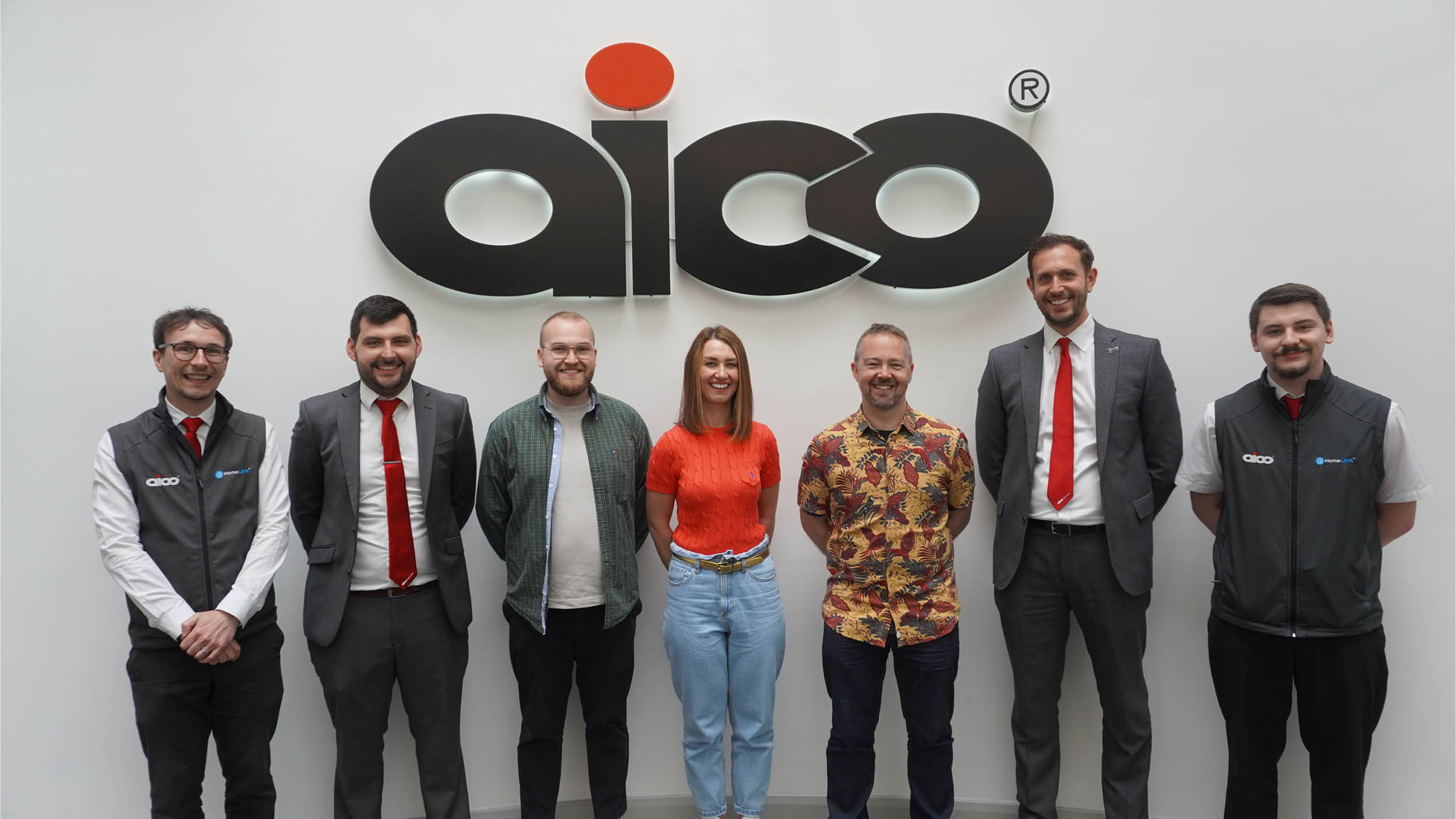
Aico recently welcomed Yorkshire Housing, winners of the Inside Housing Innovation Week award to their headquarters. Part of the prize for winning the Inside Housing Innovation Week Award was £10,000 and support from Aico to develop their innovation idea, with Aico recently conducting a product development session within their Centre of Excellence for Yorkshire Housing. The visit provided a selection of informative sessions led by Aico colleagues, as well as a tour of Aico’s Centre of Excellence. A Product Development session guided Yorkshire Housing attendees through Aico’s development process from a hardware perspective, showcasing many of Aico’s product development journeys, including Aico’s connected home products and the benefits they can bring to both Housing Associations and their tenants. These sessions highlighted the uses of Aico’s Environmental Sensors and Ei1000G Gateway to the Multi-Sensor Alarms, emphasising that all products supplied by Aico are thoroughly tested and designed with end users in mind. Creating accurate and reliable home safety systems, that are beneficial to all who use them. HomeLINK’s Product Manager & DPO, Jordan Toulson walked Yorkshire Housing through the development and innovation behind Aico’s Internet of Things platforms, says, “It was great to welcome Yorkshire Housing to the CoE - as part of their prize for winning the Housing Innovation Week Award we showed them how we go about innovating both our hardware and software products, as well as some sneak-peaks at upcoming products and features. It was great to hear what Yorkshire Housing are doing to make sure they are at the bleeding edge of innovation, too." The day concluded with a Product Feedback session, that enabled Aico to hear Yorkshire Housing’s thoughts and opinions on their product development process and the products themselves. This offered insight into what housing associations want to see next when it comes to fire alarm safety systems and connected home offerings, enabling Aico to continue to lead the way in home life safety. Lauren Hemmings, Yorkshire Housing’s ICT Service Development Manager, reflects: “It was fantastic when Yorkshire Housing won the first Inside Housing Innovation Award, including the opportunity to visit Aico at their Centre of Excellence and get a peek behind the scenes of how products are developed and tested. The day was informative, interactive (including a demo of how devices work in reality) and opened a chance to collaborate on future ideas for products that will enable our customers to receive insights via emerging technology. I cannot wait to see how Yorkshire Housing’s customers will benefit from the feedback that Aico and HomeLINK use for future innovative development ideas.” Aico’s Product Development Manager, Michael Wright, comments, “We were delighted to welcome colleagues from Yorkshire Housing to Aico. It was great to be able to share in an involving and dynamic day, discussing all aspects of product innovation within housing to bring safer and healthier homes for residents.”

The sun has got its hat on, and so should you!
We all love a bask in the sun from time to time, especially if it's on a warm beach or in your garden on a summer's day. But when you work outdoors, overly warm weather may not be ideal for your health or for the projects that you're working on. Knowing how to protect yourself from sun damage is important at any time of year. Not only can too much time in the sun harm your eyesight and put you at risk of dehydration, but it can also cause severe health problems in the long term, like skin cancer and a suppressed immune system. Heat can affect your work area too, for example by warping tools and equipment. To mark the rumoured end of Spring heatwave, Zoro have put together these five tips for tradespeople looking to avoid the effects of sun damage. Wear the right clothing First things first, you need to make sure you have the right kit to keep yourself protected from the sun. When things start to heat up it can be tempting to remove your shirt to cool down, but this will only expose more of your skin to harmful rays. Instead, you should look for clothing and PPE that is lightweight, breathable, or moisture-wicking. These can circulate the air close to your skin, absorb sweat, and keep you nice and cool all while providing a barrier from the sun. While adding more clothing may seem counter intuitive, it is recommended that you wear a baseball cap or a hat with a brim to keep the sun off your face if your work doesn't require you to wear a hard hat. Some hats also include flaps that can cover your neck and prevent sunburn there, too. Protect your eyes Our eyes are often forgotten about when it comes to sun protection, but harsh light can cause discomfort and even damage to these delicate organs. It's worth taking the time to find a pair of sunglasses that are comfortable to wear and fit you properly, otherwise you may be tempted to remove them if they're irritating, or you might fail to replace them if they fall off and become damaged. If you are short or long-sighted, you could speak to your optician about reactive lenses for your current eyewear, so you don't have to carry two pairs of glasses around with you on site. Take breaks in the shade It's important to get out of the sun when you can, particularly in the middle of the day when it's at its brightest. Try and schedule your breaks between the hours of 11am and 3pm, so you can spend some of the hottest part of the day inside, plus grab a drink and re-apply your sunscreen (you should be topping it up every two hours). If you can't go inside, you should think about setting up a shaded area close to your workstation or requesting a tent or marquee from your site manager (if you have one). Your tools and equipment can suffer in the heat as well, expanding, warping, or melting in extreme cases. So, invest in some coverings that can keep the sun off them when you're taking a break or when they're otherwise not being used. Just like you would in frosty weather, cover masonry and other projects in polythene or hessian sheets to block the sun's rays. Practice proper skincare Skincare professionals usually suggest a minimum of SPF 15 to protect your skin from UV rays, but for extensive work out in the sun you might want to consider using a high factor of at least 30 to ensure you're properly protected. If you're not used to wearing lotions on your skin, don't worry — skin products have come a long way since the greasy creams and balms you might remember from your childhood. Many lotions, moisturisers and day creams contain sun protection while keeping your skin hydrated, so they're a good two-for-one to consider. It's a good idea to get into the habit of checking your skin for new moles and dark spots, particularly ones that are itchy or sore. The sooner you react to skin cancer the better, so be sure to get anything unusual checked out by your GP just in case. Stay hydrated Drinking plenty of water is recommended for everyone, not just outdoor workers. But being dehydrated is more dangerous than many people think, and if you're labouring in hot weather without an adequate supply, you risk heat stroke, fainting, accidents, and much worse. So, make sure you have a refillable water bottle with you on every job. You should also consider drinking less fizzy drinks while you work, as well reducing the amount of tea and coffee you consume. This is because sugar and caffeine can often make dehydration worse. Instead, stick to water, sugar-free squash, or electrolyte-replacing sports drinks to stay hydrated. Kelly Friel, Digital Product Manager, Zoro, says: "It always feels like a treat when the sun comes out, but any tradesperson will tell you how warm weather can often make their jobs much harder. From feeling thirsty to overheating and even long-term health problems, the sun can cause some serious issues for people who work outdoors. Fortunately, there are ways we can protect ourselves from sun damage. "Shade and hydration are key, whether you're popping inside for a drink when the sun is at its brightest or making sure you have the right clothing on to keep your skin covered. If you haven't already, get yourself a good quality drinks bottle — this way, you can keep yourself healthy and avoid single-use plastics at the same time. "This summer we encourage everyone to think about sun damage and see if there are any changes you can put in place. Managers, I recommend providing sunscreen, brimmed hats, and other essentials for free to your workers to protect yourself and your colleagues from harmful UV rays." Deborah Mitchell, Owner of Heaven Skincare, comments: “This time of the year it’s easy to believe the sun is not too strong or not dangerous but believe me it is. When the sun is strong, we generally know to be careful, however the issue is when it does not feel as strong. If you are outside working for a longer amount of time, be aware: slow cooked is still burnt if you are not protected! "Skin cancer can strike anywhere so do make sure to cover your head and even your nails- it’s not as often found but is apparent in more people year on year. Don’t forget your eyes too, make sure to wear glasses to save your sight. "Make sure to pay attention to early signs of cancer, such as a halo around and mark or a mole or a change in any way for example bleeding, scabbing or itching. "Despite 62% more people wearing good sun protection now compared to 25% in previous years, which should result in less cancer cases and less sun aging, we are in fact seeing sun related skin issues on the increase.”

HellermannTyton introduces premium range of cast resin cable joints
HellermannTyton has launched a premium line of cast resin cable joints in its RELICON brand. The new line RELICON i-A Line premium SF armoured with PUR 33 Cast Resin (PUR33), is suitable for jointing a wide range of cables and has a variety of applications including industrial buildings, power supplies in the ground, outdoors and underwater, in cable ducts and on public and private networks. The premium line features RELICON’s ‘Safe Filling’ technology. The transparent double-chamber resin mixing pouch and cable joints guarantee that the installer has constant visual control of the mixing and filling steps whilst avoiding contact with the cast resin. The PUR33 resin offers a patented colour change that ensures the mixing process is completed correctly so the joints can then be submerged immediately after casting. As well as the mixing pouch, the cable joints come with cable connectors, constant force springs with straight ends to ensure easy installation and include all the necessary earth continuity parts. Nathan Bennett, Product Manager for HellermannTyton says, “We are delighted to be extending our RELICON range to assist in jointing a range of cables including Steel Wired Armoured. Our premium line of cast resin joints will ensure that these cables can be installed easily and safely into a wide variety of industrial applications including building and construction, transport and rail.” Cast resin joints are applied wherever cable and wiring connections are submersed or buried underground. As cast resin joints are exposed to high stress, the cured two-component cast resin delivers reliable long-term mechanical protection against external stressors as they are resistant to all environmental influences and are ecologically safe and suitable for long term applications.

Bureau Veritas presses electrical contractors to prioritise new 18th Edition
With the Institution of Engineering and Technology (IET) releasing its second amendment to the 18th Edition Wiring Regulations recently, Bureau Veritas is encouraging electrical contractors to examine the new regulations and start to prepare for and implement changes before they are officially adopted in September. The IET published Amendment 2 to BS 7671:2020, its first changes to the document since the initial amendment to the EV charge point infrastructure regulations in 2020. This second amendment represents a full-scale holistic review of the 18th Edition, with most parts of the wiring regulations having seen some changes. The Amendment introduces an entirely new chapter, changing the scope of the regulations to include prosumer’s low-voltage electrical installations – bringing in installations which both consume and produce energy for the first time. Chapter 82 provides additional requirements, measures and recommendations for the design, erection, and verification of all types of low voltage electrical installations, including local production and storage of energy. The wiring regulations amendment also includes the requirement to protect final circuits supplying socket-outlets with a rated current not exceeding 32 amps, using arc fault detection devices (AFDDs). This move takes AFDDs from a recommendation to a requirement now technology is coming down in price and is more accessible. These changes are in line with EU standard regulations, so despite Brexit, there is greater standardisation of electrical regulatory compliance across the continent. Meanwhile the scope of requirement for RCD testing has been reduced. The changes to 18th Edition regulations are not retrospective and thus will apply only to new installations designed from 27 September this year, however they can be implemented immediately. It’s vital that electrical contractors prepare now, according to Bureau Veritas, so they can understand the regulations, and implement the necessary changes to software and upskill employees. Michael Kenyon, Head of Electrical Technical Development at Bureau Veritas, says: “Amendment 2 of the IET 18th Edition Wiring Regulations represents a significant change to electrical compliance requirements and will result in firms having to educate and prepare their teams. The update to include the scope of prosumer’s low-voltage electrical installations certainly demonstrates a more modern approach to wiring regulations, with photovoltaic panels and battery storage units becoming more commonplace in homes and workplaces – as the uptake in electric vehicles also booms. “Whilst many of the changes demonstrate tightening regulations, such as the update to the AFDD requirement, there are other areas where the regulations have become more relaxed. Amendment 2 reduces the requirements around RCD testing with rules around the tripping times of RCDs deleted. We however recommend that electrical contractors see these regulations as a minimum standard, to work ‘from’ not ‘to’, and that things like full testing of RCDs are still a best practice approach to ensure maximum safety and mitigate risk. “Due to the vast number of updates to the 18th Edition Wiring Regulations, and just five months to absorb, learn and implement such changes, this amendment may seem daunting at first glance. We’d certainly advise those that haven’t done so already to examine the amendment in greater detail and truly understand how the changes will work in practice and what your business may need to do to catch up. Following that, a third-party compliance specialist, such as Bureau Veritas, will be able to help to further unpick the changes and put in place recommendations to ensure compliance.”

NEUTRIK FIBERFOX fibre optic connectors now available
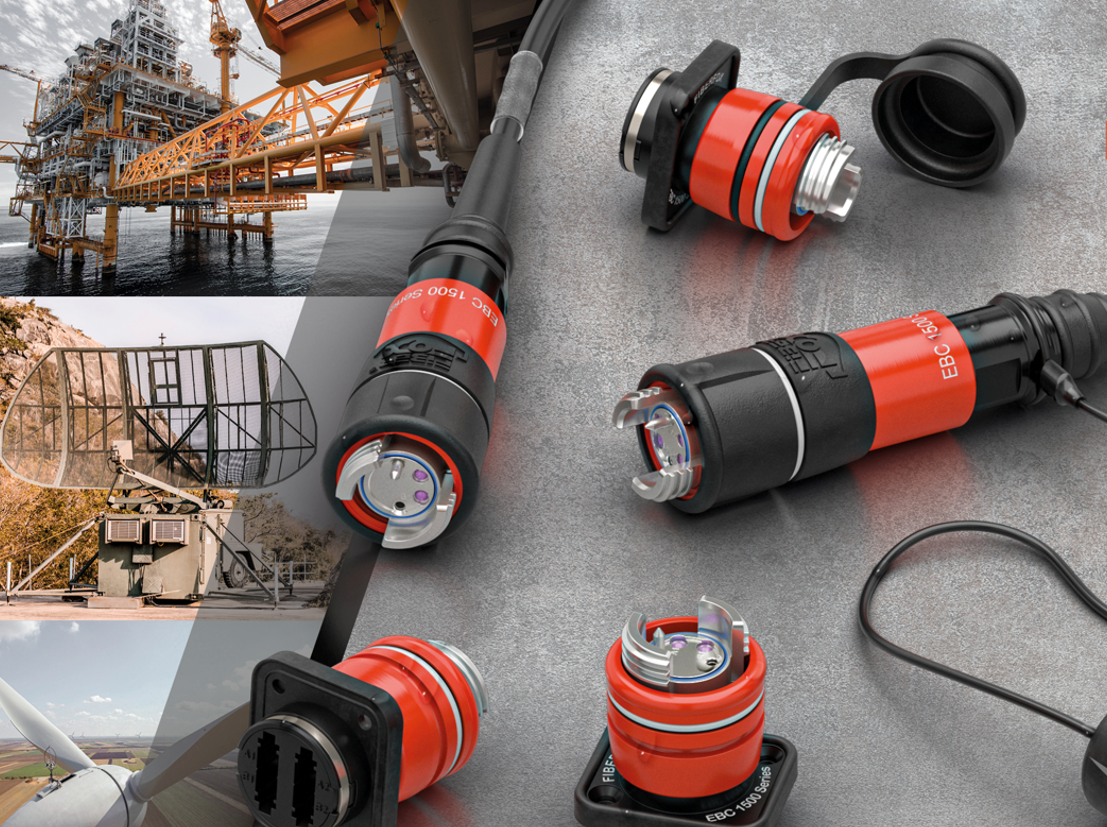
Lane Electronics is pleased to announce the availability of the new FIBERFOX Expanded Beam Fibre Optic Connectors from NEUTRIK. Designed to meet the requirements of MILDTL-83526 specifications these expanded Beam fibre optic connectors are designed to operate in harsh environments and use nonphysical contact fibre optic termini that are IP68 sealed behind an anti-reflective coated ball lens. Capable of both front and rear mounting, the connector eliminates the need for adaptors and female and male mating halves. The system is available in 2-channel and 4-channel variants, with either configuration compatible with the other configuration, and other MIL-DTL-83526 specified systems. This lens expands the beam to many times its original size aiding optical alignment and minimising the effects of dust, debris and other environmental conditions. The expanded beam fibre optic connectivity is exceptional in wet, dirty, dusty, high and low-temperature environments Effectively maintenance-free with a theoretical unlimited lifetime, FIBERFOX can withstand in excess of 10,000 mating cycles without maintenance or insertion loss and can be cleaned using just clean water and a lint-free cloth. IP68 compliant certified waterproof up to a depth of 6m the connectors feature a screwed locking mechanism. The chassis mounted version of the connector fits into an industry standard cut-out and standard LC patch cables can be plugged into the rear. FIBERFOX is a hermaphroditic connector allowing multiple plug-to-plug cable assemblies to be combined to extend the length of the system and connectors are available with two or four channel multimode lenses. In addition to standard plugs, FIBERFOX briDge receptacles are suitable for use with standard LC Patch Cables and acts as a unique LC to Expanded Beam converter. Applications for FIBERFOX include defence, industrial, mining, medical, security, railway, sensing applications, communications in the oil and gas industries, lighting, networks, public address systems, video, broadcast, and AV. Lane Electronics is a major source for all key connector types including circular, filtered, RF, coaxial, subminiature, backshells and adaptors, D connectors, aerospace, test & measurement, IDC, PCB connectors, edge connectors and connectors for rack and panel applications.