2 November 2026
Product of the Month: Amari Floodlight range by Aurora Lighting
 
11 November 2026
Energy, AI and smart buildings: register now for EMEX 2026
 
11 November 2026
Solar and batteries could cut electricity costs by 40%, data finds
 
11 November 2026
EIC confirmed as ECN Awards 2026 charity partner
 
11 November 2026
Acrospire to support Green Frog's European expansion
 

Latest News


New KNX binary inputs expand DIN-rail mounted device portfolio
Siemens Smart Infrastructure has added two new variants of KNX binary inputs to its portfolio of DIN-rail mounted devices: The new binary inputs N 262 and N 263 offer easy installation and intuitive operation and are available as potential-free and voltage-loaded versions in widths of 4 MU (4 binary inputs) and 8 MU (8 binary inputs). The new binary inputs can be used to detect switching and system states or to count pulses with threshold monitoring. In addition to switching and dimming lights or controlling blinds, the devices also support sophisticated tasks for multi-discipline applications such as coloured light control, logic operations, or differential pulse counting. This makes it possible, for example, to implement an access control solution that detects the current number of persons in a room. In addition, the potential-free binary inputs can be used to evaluate window, door and other signal contacts. Depending on whether a window is open or closed, the room operating mode can be set to frost or heat protection during heating or cooling. Unlike their predecessor models, the new binary inputs N 262 and N 263 have all the characteristic benefits of the current generation of DIN-rail mounted devices from Siemens. This includes uniform housing concept, device labelling, maintenance-free terminals, supply of the device electronics via the KNX bus and bus terminals. In addition, the devices have a uniformly placed programming/LED and, for the first time, a direct operating level with status display. They are part of a consistent software concept and support multi-mode (KNX S-Mode and PL-Link).

New smart home security feature allows users to look after loved ones
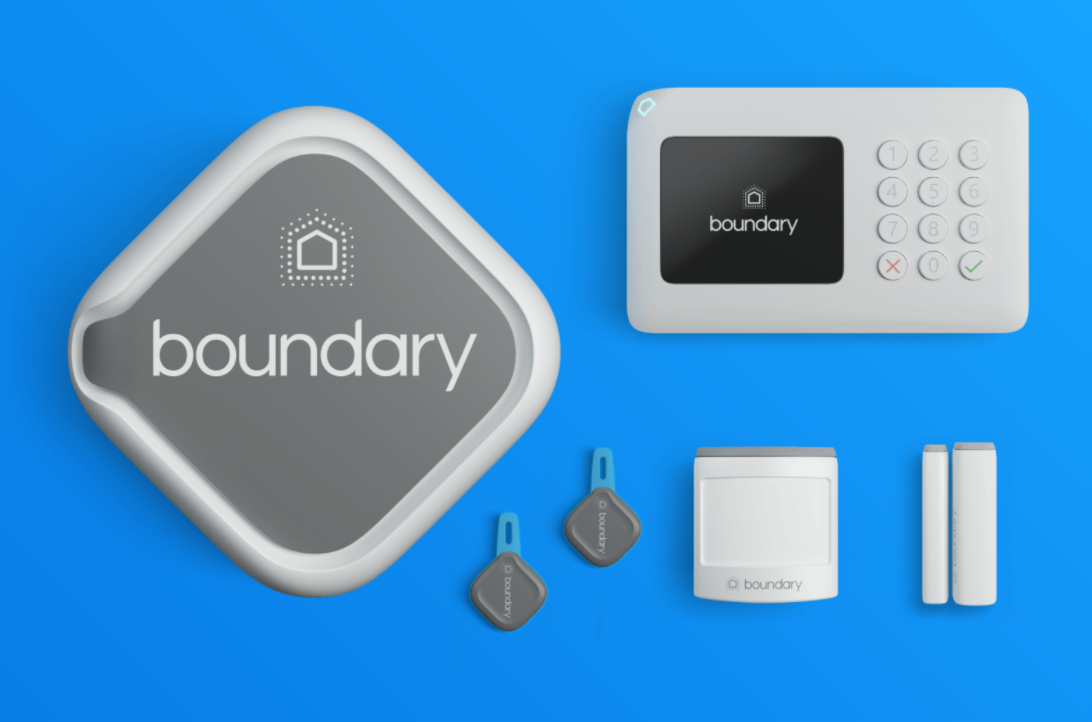
A new security alarm feature in the process of being rolled out by smart home security start-up Boundary Technologies that allows users to look after their families, even when they’re not at home with them and when the alarm is not armed. ‘Activity Alerts’ will send alerts to those with the app on their phone based on their preferences. Activity Alerts, a new feature launched by Edinburgh-based Boundary for their own smart tech security alarm, has been developed by a team of security experts using leading-edge technology thinking to fill the safety gaps missed by traditional alarm systems. The new feature allows the user to set up alerts if the Boundary smart home security sensors detect activity or inactivity within specific pre-determined time frames. For example, if a parent is out of the house at work and wishes to make sure their children don't lie in, an activity alert can be set up to ensure that there is activity detected between certain times within the home and if movement is not detected the user will receive an alert. It can also be used when taking care of an elderly or unwell family member, to ensure they are resting and not wandering around the house for example. The alerts provide an added layer of security for those who can’t be there all the time. Alerts are set up when the home security alarm is not armed, allowing the user to rest assured their loved ones are safe regardless. What’s more, the sensors allow families to maintain privacy within their homes due to the nature of the technology – movement is tracked, not seen by cameras. Having passed a programme of rigorous pre-compliance testing, Boundary is undergoing testing to UK & European alarm standards BS EN 50131. Certification is now pending for Boundary to be known as a Grade 2 system, minimising false alarms and providing a higher level of security. This not only means that the alarm is robust and performs reliably, but that it is also tamper-proof to would-be burglars. The user can choose what they wish to happen if the alarm is triggered – from immediate push notifications for self-monitoring and automated calling to keyholders (such as friends, family or neighbours), right up to professional monitoring with a level 1 direct response from the police (available from Spring 2022). The alarm system is simple to install (if the user chooses a DIY bundle) and can be easily controlled from a smartphone, meaning that the owner has full control over their system no matter where they are. It can be integrated with existing smart home systems, including both Alexa and Google Home. In addition to being fully controllable from your phone, the system gives protection against all known threats, with intelligent sensors designed to minimise false alarms (including those caused by pets). Boundary systems use the same end-to-end encryption of data as internet banking applications, with over-the-air security updates ensuring maximum protection. Unlike similar products of its kind, Boundary is built to last, with a lifespan of several years. What’s more, the system uses advanced algorithms and technology to check the system remotely, including battery life which, in the sensors, should last over a year. Commenting on the new feature, Robin Knox, CEO and Founder of Boundary, says: “At Boundary we understand that leaving older children, elderly or unwell family members at home alone while out and about can be stressful and concerning, especially alongside the threat of a burglar, so we wanted to expand our smart alarm’s features to support people in this way. The system is fully controllable from your phone, and you can receive alerts for whatever you would like – if activity is detected or not detected. Therefore, we hope that the Activity Alerts will give owners some additional peace of mind, that they can allow their loved one’s privacy, but also take care of them even when not present in their homes.”

Five ways to keep your home secure this Christmas
Christmas is a very common time for burglaries. The days are shorter, with darker mornings and nights, many of us go away to visit friends and family, not to mention the valuables we may purchase as presents. An unsecure home can make you feel anxious, unsafe and stressed at a time when you want to be feeling celebrating and happy. To help you feel safer this year, the team at boundary have pulled together five top tips on ensuring your home stays secure over the holidays. Invest in a good home security system The most effective way of protecting your home during this festive time is to invest in an effective home security system. A good home security system will flag legitimate threats of break-ins, but they should also then proceed to provide follow-through protection, such as automatic police response. A professionally monitored system from a recognisable brand makes it more likely that your intruder will be initially deterred, cause less damage and ultimately increase the likelihood of being caught, thanks to a swift and reliable 24/7 response. Look out for systems that have BS EN 50131 tested motion sensors and only buy from companies who can offer a Grade 2 installation, Police URN and are accredited by one of the two industry bodies (SSAIB or NSI). These companies are the only ones who can access the highest priority ‘level 1’ response from police forces in the UK. Don’t let your house appear vacant If you are travelling this year, especially for longer periods at a time, it’s important to ensure that burglars don’t know about it. The best way to do this is to keep your home well lit, so turn a few lights on a timer around the house before you leave. Another way to do this is if you’re not travelling leave it parked on your driveway or nearby to your home – this can be a real deterrent for those unwanted visitors scoping out potential targets. If you’re using your car for your getaway, it’s worth asking a neighbour, friend or relative that lives nearby to park on your drive or close to your home if possible. Be careful with your Christmas lights One of the most common ways to set up outdoor Christmas lights is to trail the power cable through a slightly open window. It’s so common, in fact, that burglars will look for this when scouting out a house to target as it’s an easy point of entry. Choose lights that are battery or solar powered, or have an outdoor plug socket. Don’t keep presents under the tree It might not sound very festive, but you really shouldn’t be keeping presents under the tree until Christmas morning. Leaving them out before that will only advertise to potential burglars that you have a lot of valuable items in your home. It is best to keep them hidden away until the big day, plus this adds to the surprise for your family members too. Keep your presents off social media While it’s tempting to show your friends and family all the lovely gifts you will receive this year, you don’t know who else will see these pictures. Again, this is an advertisement to burglars so try to wait until you see your loved ones to show them all your wonderful presents – this is much more wholesome anyway.

Screwfix increases target for store openings, creating more than 700 local jobs
Screwfix is set to exceed its target for store openings this year, creating more than 700 jobs in total across local communities in the UK and the Republic of Ireland (ROI). In March, Screwfix announced plans to open more than 50 stores in 2021 – but has exceeded targets with a total of 70 new stores opened or due to open by the end of the year. The latest announcement is positive news for the retailer’s overall expansion plans, with an ambition to have an overall total of 1000 Screwfix stores in the UK and Ireland. The target was raised from a previous figure of 900 earlier this year, after it identified opportunities for stores in inner cities and rural catchment areas. John Mewett, Screwfix CEO, says: “To be on track to have 70 new stores opened by the end of this year is testament to the hard work of all our colleagues. The growth in our store network supports local communities with further job opportunities and the demand for added convenience from our busy tradespeople. “Currently, 98% of the population live within a 30-minute drive of a UK store, so our continued expansion ensures we can bring Screwfix closer to even more customers.” The growth of Screwfix is supported by Kingfisher, its parent company, whose “Powered by Kingfisher” strategy focuses on empowering its distinct retail banners in key areas such as own exclusive brands development, buying and sourcing, e-commerce, and technology and services.

Rising cost of materials will be the biggest challenge in 2022, say UK electricians
The rising cost of materials will be the most significant challenge facing UK electricians in 2022, according to a new report assessing the confidence of the industry. The study, conducted by ElectricalDirect surveyed electricians about their views on the year ahead and found that, while some are quietly optimistic, they are well aware of the upcoming difficulties. Overall, a fifth (20%) of UK electricians think 2022 will be a better year for their companies than 2021, and one in seven (14%) believe the industry will grow stronger over the coming months. In fact, almost one in five (19%) electrical workers believe their company will have fully recovered from the pandemic by this time next year, and the same number (19%) are looking to expand and hire new staff. Furthermore, more than one in six (18%) electricians think they’ll be in a stronger financial position in 2022, with more work (18%) and better job security (21%). However, some electricians are naturally more cautious about the next 12 months. Almost a quarter (22%) think their company will find business tough in 2022 and one in seven (14%) think the industry will struggle. All the respondents acknowledged that there will inevitably be challenges, and the rising cost of materials is the number one concern (23%). Simply getting hold of materials is also a worry (22%), as is the ability to recruit people to fill job vacancies (22%). Interestingly, the main challenges vary slightly by generation. Recruitment (24%) is the biggest cause of apprehension amongst millennials (25-34s), while for 35–44-year-olds, the rising cost of materials (22%) tops the list. For 45-54s, getting hold of tools and equipment (24%) is the major stressor. Dominick Sandford, Managing Director at ElectricalDirect, says: “It’s been an incredibly difficult couple of years for both the country and the electrical industry, and while there is still a long way to go before a full recovery can be expected, it’s encouraging to see that some electricians are feeling positive as we approach 2022. “However, it’s clear that for many, the next 12 months will involve challenges of all shapes and sizes, and we hope that electricians are able to ride out the storm until the landscape finally stabilises.”

MKM gets into festive spirit with Mission Christmas donation
MKM Building Supplies will be spreading a little festive magic this season through the donation of dozens of toys to the Mission Christmas campaign. The builders merchant packed six bulk bags - normally used to deliver aggregates - with toys and games and gifted them to the initiative, which is managed by children’s charity Cash for Kids. The charity seeks to improve the lives of disadvantaged young people across the country, providing vital support to children who have been touched by poverty, illness, or neglect. As a longtime supporter of the charity, MKM’s donations ensure vulnerable children nationwide will wake up to a present on Christmas morning. For the last six years Chelsie Oliffe, Purchase Ledger Clerk at MKM, has coordinated staff donations after seeing Mission Christmas coverage locally. Initially gathering donations from the business' finance team and delivering them herself, Chelsie then invited the rest of MKM’s central support team to bring in gifts. A real team effort, Chelsie is supported by Remi Rooks and by Tracy Broderick who is the shopper in charge of buying the toys, games and toiletries. This year MKMs Hull branch stepped in to help too when donations topped the £2000 mark and had to be delivered in a van. Kate Tinsley, CEO at MKM, says: “Cash for Kids is a charity that is close to all of our hearts here at MKM. The work they do is vital all year round, but particularly at Christmas when some children and young people face going without. It means the world to us to be able to support them during the festive period, and we hope our donations put some smiles on children’s faces on Christmas Day.”

Vent-Axia Welcomes Part F of the Building Regulations
Vent-Axia has welcomed the publication of new Approved Document Part F of the Building Regulations, as a “vital step to improve indoor air quality” as we move toward the Future Homes Standard on the road to Net Zero. Published on 15th December 2021, Part F (Means of Ventilation) goes hand-in-hand with the new amended Part L (Conservation of Fuel and Power), which is set to help the UK deliver Net Zero with a reduction of almost a third less carbon for new homes. However, as buildings become more air tight to improve efficiency it is essential to consider indoor air quality too to protect the wellbeing of inhabitants. The new Part F therefore sets out “significant changes”, which will drive adoption of low carbon ventilation as an industry standard and improve the quality of the air we breathe in buildings. A key addition to Part F, which reflects the significance of ventilation in meeting Net Zero, is a new sub section ‘Installing Energy Efficiency Measures’, which relates to existing properties. “When carrying out energy efficiency measures to an existing dwelling, an assessment should determine what, if any, additional ventilation provision is needed, based on the estimated impact of the work.” Vent-Axia welcomes this addition since previously many homes have suffered from condensation, mould and poor indoor air quality following energy efficiency measures, which have increased the airtightness of the building envelope to reduce carbon emissions. This positive move will help protect the health and wellbeing of inhabitants from indoor air pollution and protect buildings from damp, condensation and mould caused by moisture not being able to escape. For New Build residential homes, ventilation has also increased in Part F to support the safety of residents with an overall move to more advanced ventilation solutions, such as Mechanical Ventilation with Heat Recovery (MVHR) and Continuous Mechanical Extract Ventilation instead of traditional Intermittent Extract Ventilation (now referred to as Natural Ventilation throughout the document). Natural Ventilation is now only suitable for dwellings with a design air permeability higher than 5 m3/(m2·h) meaning many new build dwellings will be out of scope of this technology. With the increased airtightness of buildings, and increased minimum whole dwelling ventilation rates for continuous mechanical extract units, higher performing options are needed. Here housebuilders look to favour continuous mechanical extract units that offer a 125mm diameter spigot model since the larger surface area will allow greater airflow through the fan at a much lower noise level and SFP. This means fewer fans are required to achieve whole house ventilation rates. “We welcome the new Part F of the Building Regulations. Since Kyoto, the UK has been striving to reduce its carbon emissions. However, unfortunately indoor air quality has taken a back seat. However, over the last 5 years we have all witnessed the real consequences of sealing up homes and insulating them to make them more energy efficient. It has resulted in indoor air pollution. The new Part F has started to redress the balance of ventilation with energy efficiency since the pandemic has clearly shown the importance of good indoor air quality to health and wellbeing”, says Richard Paine Product and Marketing Director at Vent-Axia. With the pandemic highlighting the importance of good ventilation to mitigate virus transmission, Part F is also introducing improvements to ventilation in new non-residential properties to help prevent the spread of airborne viruses. In fact, it states that in “locations where continuous talking or singing takes place, or there are high levels of physical activity (such as dancing, playing sport or exercising), providing ventilation sufficient to keep CO2 levels below 800ppm is recommended”. There is also a sub section entitled ‘Indoor Air Quality Monitoring’, which states that in new buildings in the occupiable rooms it refers to there “should have a means of monitoring the indoor air quality. This may be achieved using CO2 monitors or other means of measuring indoor air quality.” These actions will help ensure better indoor air quality in non-residential properties. For non-residential properties, Vent-Axia is well prepared for Part F with a range of CO2 sensors which can be discreetly located on a wall and can intelligently boost ventilation based on the detected CO2 levels. They can also provide a warning indication for occupants if CO2 levels rise above acceptable levels with a useful traffic light system on the front, so occupants can activate purge ventilation when required. Vent-Axia also has a range of ventilation solutions including the Slimpak EC box fan ducted system which continuously supplies fresh air or extracts stale air or both. These fans can be connected to a CO2 sensor for optimal air quality control. Meanwhile, the ACM100-200 and ACM250-315 mixed flow in-line fans provide ceiling mounted cooling in the summer or can recirculate the warm air from the ceiling in the winter to minimise the amount of time space heaters need to be active. Vent-Axia’s Lo-Carbon T-Series fans can provide background or purge ventilation and are easily fitted to an existing window or through a wall. For New Build residential Vent-Axia has launched the award-winning Multivent MEV family, a new range of mechanical extract ventilation (MEV) and decentralised MEV (dMEV) designed to provide a simple and effective solution to help housebuilders meet the Future Homes Standard. The new Multivent MEV family is the ideal solution, helping housebuilders meet DER requirements through its market-leading energy efficiency and improving IAQ for homeowners. The complementary other half of the Multivent family is Vent-Axia’s Lo-Carbon NBR dMEV, a range of continuous running, constant volume dMEV units. This includes a unique 125mm option which further improves DER by improving efficiency and lowering noise and is ideal to meet the new Part F requirements. For existing homes, Vent-Axia has a wide range of extractor fans available to help provide effective ventilation and comply with Part F. For example, the Lo-Carbon Svara combines condensation control to avoid mould with improved IAQ for a healthier home environment backed up by easy installation, quiet operation and is controllable via a smartphone. Meanwhile, Vent-Axia’s Silent Fan range boasts seventeen models and a raft of new features, including IPX5-rating (for Zone 1) making installation easier and safer. The range also offers both humidity and variable speed models and is still the quietest bathroom fan available at just 12dB(A). The Vent-Axia PureAir Sense is the UK’s only bathroom fan with Odour Sense technology that increases airflow when the air is poor, helping ensure a comfortable living environment. Finally, for social housing refurbishments, there are number of options including: Positive Input Ventilation, such as Vent-Axia’s Lo-Carbon PoziDry Pro PIV and Lo-Carbon PoziDry Compact Pro; and continuous extract ventilation such as the Lo-Carbon Revive and Lo-Carbon Response 7, intelligent filter-less fans.

FireAngel supports amendments to Smoke and Carbon Monoxide alarm regulations
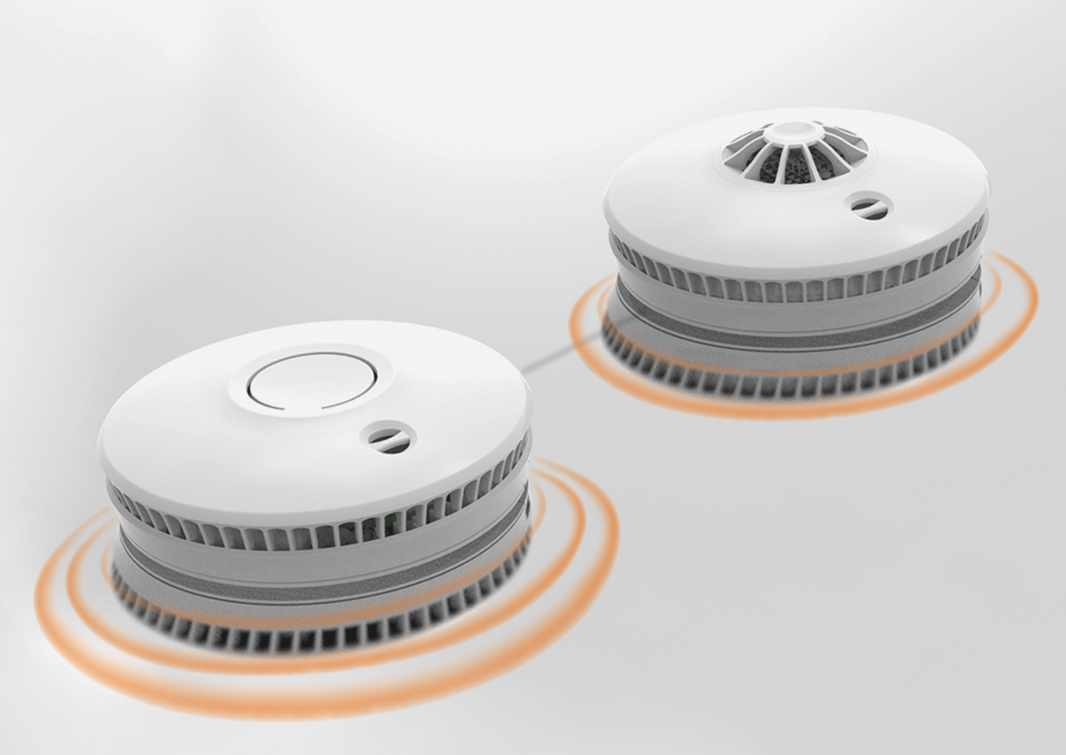
FireAngel is backing the government’s response regarding the findings of its Domestic smoke and carbon monoxide alarm consultation. Aiming to achieve greater consistency with regard to the level of protection provided throughout rental properties, the amendments to the Smoke and Carbon Monoxide Alarm (England) Regulations 2015 and Approved Document J will now also include socially rented properties, in addition to privately rented homes. Private and social landlords will now be required to install one smoke alarm on each storey of their property, whilst also requiring the installation of a CO alarm in any room with a fixed combustion appliance. This includes boilers, fire and water heaters, but excludes gas cookers. Landlords will also be legally required to install a CO alarm in their properties when a fixed combustion appliance is fitted. The new regulations will also ensure landlords repair or replace alarms when notified of a fault, but regular alarm testing will remain the responsibility of the resident. Whilst gas cookers are not included within the amendments, the British Standards still recommends that a CO alarm is fitted in any property with this type of appliance. The British Standards should also be referred to regarding appropriate alarm placement. Landlords must ensure the alarms comply with British Standard EN 50291-1 and carry a British or European approval mark, such as a Kitemark, to ensure tenants receive the highest standards of protection. In accordance with European Standard EN 50292, the CO alarm should be fitted in the same room as fuel-burning appliances, such as an open fire, gas cooker or boiler, and can be either wall or ceiling mounted. It is advised that additional alarms should be located in bedrooms relatively close to the breathing zone of the occupants, whilst alarms should also be installed in any room where there is a flue running through it. Steve Boggis, Trade Business Unit Director for FireAngel, says: “As one of the UK’s leading providers of smoke, heat and CO alarms, we are committed to ensuring every type of residential property, whether privately or socially rented, or owned, has the highest possible levels of protection. We supported the government’s consultation on Domestic smoke and CO alarms and we are pleased with the proposed expansion of the recommendations for all types of rental properties throughout England. “However, whilst the consultation recommends much needed changes with regard to the regulation of smoke and CO alarms in private and rented properties, we feel the recommendations of the updated Scottish Tolerable Standard, which comes into force February 2022, should also be applied to England and Wales to ensure the highest possible standards. “In response to this, we are proactively working with our Social Housing and Trade partners to recommend and assist the installation of interlinked smoke, heat and CO alarms throughout all types of residential properties, to provide the earliest possible warning of a potential fire or CO event.”

The importance of mental health for young installers
Worcester Bosch have partnered with wellbeing expert Neil Laybourn to help educate young installers about the importance of speaking out about mental health struggles, as part of its ongoing Future Talent Initiative (FTI). The FTI was launched back in September and aims to support young installers, apprentices and those new to the sector. As part of the initiative, the manufacturer has developed a robust content series, which includes third-party experts discussing different topics related to the heating industry and beyond. This includes, Life in the Fast Lane | Mental Health Advice, produced by Neil Laybourn, a well-known Wellbeing Consultant and 2021 LinkedIn Changemaker. As Neil explains, his journey and passion in mental health and well-being stems from his own profound experience of instigating a suicide intervention after witnessing a stranger attempt to take their life in 2008. Since then, Neil has dedicated his life to advocating the importance of speaking up and about your mental health. Neil’s twenty-minute FTI video details to installers the importance of speaking up and speaking out about their mental health struggles, while signposting them to the resources available around them. For additional information, or to speak to someone that can help if you are struggling with your mental health, please visit Samaritans here. On his involvement with the Future Talent Initiative, Neil comments: “Being involved in this campaign has been a great way to help raise awareness of the struggles that young installers could be facing in their day-to-day. I hope by sharing my story with them, they will now have the courage to speak up if going through a challenging time with their mental health.” Conor Evans, Head of Future Talent at Worcester Bosch, says “We’re delighted that Neil has got involved with the FTI by sharing his incredibly moving story. Neil’s contribution explores an important issue and we hope his words resonate with the young installers and apprentices who tune in.” If you are a young installer, an apprentice, or just new to the industry, visit the Worcester Bosch YouTube here to access the Future Talent Initiative series. [embed]http://youtu.be/ucU86Ia3x2c[/embed]

Vent-Axia Provides Ventilation for Giving Back Crawley’s HQ Refurbishment
Vent-Axia has donated ventilation units to local charity, Giving Back Crawley, as part of the refurbishment of its new base. A small charity that serves the local homeless community, Giving Back Crawley found a permanent place to operate from, including preparing and cooking hot meals, but the building needed a complete refurbishment following water damage. Vent-Axia supported this great cause with ventilation to help make the place a suitable home for the charity. Vent-Axia was more than happy to help Giving Back Crawley. One of the company’s members of staff Linda Dawson regularly volunteers at the charity so was able to give a first-hand account of all the good work the charity does with helping the homeless in Crawley. Cooking and delivering over 100,000 meals in the last 18 months to those who need them most, Giving Back Crawley serves the homeless community in Crawley, West Sussex and is entirely run by volunteers. As well as serving their guests free meals, the charity provides the essential items they need to get by such as clothing, bedding and wellbeing items. Giving Back Crawley’s new base also allows them to run a free grocery shop and host regular health checks with paramedics. To provide effective ventilation for the Giving Back Crawley base, Vent-Axia donated two T-Series roof ventilation models that were installed in the kitchen and servery area. These units will allow for extract ventilation from the kitchen and supply or extract from the servery area. Meanwhile, for the laundry area Vent-Axia supplied a HR200WK heat recovery ventilation, which was installed with a Vent-Axia Ecotronic Humidity sensor to help deal with any humidity issues that may lead to condensation and mould. Finally, Solo Pro extractor fans with timers were installed in the toilets. “We would like to thank Vent-Axia for donating the ventilation for our building. The building needed a complete refurbishment following water damage and so we are very grateful to all the companies in our community that have rallied together to help us so that we can cook for the homeless community in Crawley,” comments Joe Dines, chairperson at Giving Back Crawley. “We are delighted to be able help this fantastic local charity create a permanent base from which to provide hot meals and a variety of support to the local people who need their help”, says Lena Hebestreit, Marketing Manager at Vent-Axia. “We’ve supplied a range of ventilation units that have been installed throughout the building to combat condensation and mould and help ensure good indoor air quality. Not only will this help protect the building itself for the future, it will also ensure that both the volunteers and their guests are benefitting from a healthy indoor environment.” Installed in the kitchen and servery area, the T-Series roof model has a low-profile cowl and is suitable for installation in horizontal, angled and vertical glass and for fixing plates in roofs. Known for its robustness and quality, the T-Series’ high-quality design has stood the test of time and has evolved with new and improved motors, impellers and grilles. With extract/intake models available in 4 sizes from 6 to 12 inches, the T-Series features a unique speed control pack which enables high, medium or low speed to be pre-set to suit room size or required duty. A patented electronic shutter system ensures quiet, trouble-free operation while the T-Series controllers and sensors save energy by only switching on the units when needed, either manually or automatically. With energy saving in mind, T-Series Fitting Kits are supplied complete with an integral instantaneous automatic louvre shutter concealed behind the interior grille. It will operate on both intake and extract and at any angle of mounting. Meanwhile, the HR200WK single room heat recovery ventilation unit offers up to 75% heat recovery and features a three speed, external rotor motor that has two matched impellers to ensure a controlled airflow through the unit, with exceptionally economical 25Watt low speed power consumption. Ideal for installation in the charity’s laundry, the unit removes odours and extracts airborne impurities such as dust, dirt and grease, replacing it with fresh, warmed air. The energy-saving, compact and self-contained unit controls condensation, is low noise, offers easy installation and is designed for through-the-wall mounting. The HR200WK’s highly efficient, polymeric heat exchanger cube is also washable and perfect for the refurbishment. Ideal for internal bathrooms, toilets and other small rooms, the Vent-Axia Solo Pro range of 100mm high performance centrifugal extract fan is suitable for wall, ceiling, panel and window mounting. Installed in the charity’s toilets the updated range offers improved aesthetics, sound and installation. The range has been specifically designed for effective ducted ventilation and can also be used with flat ducting for shorter concealed runs. With single speed and overrun timer models available, the Solo Pro range also features a SELV option for installation over or within reach of a shower or bath.